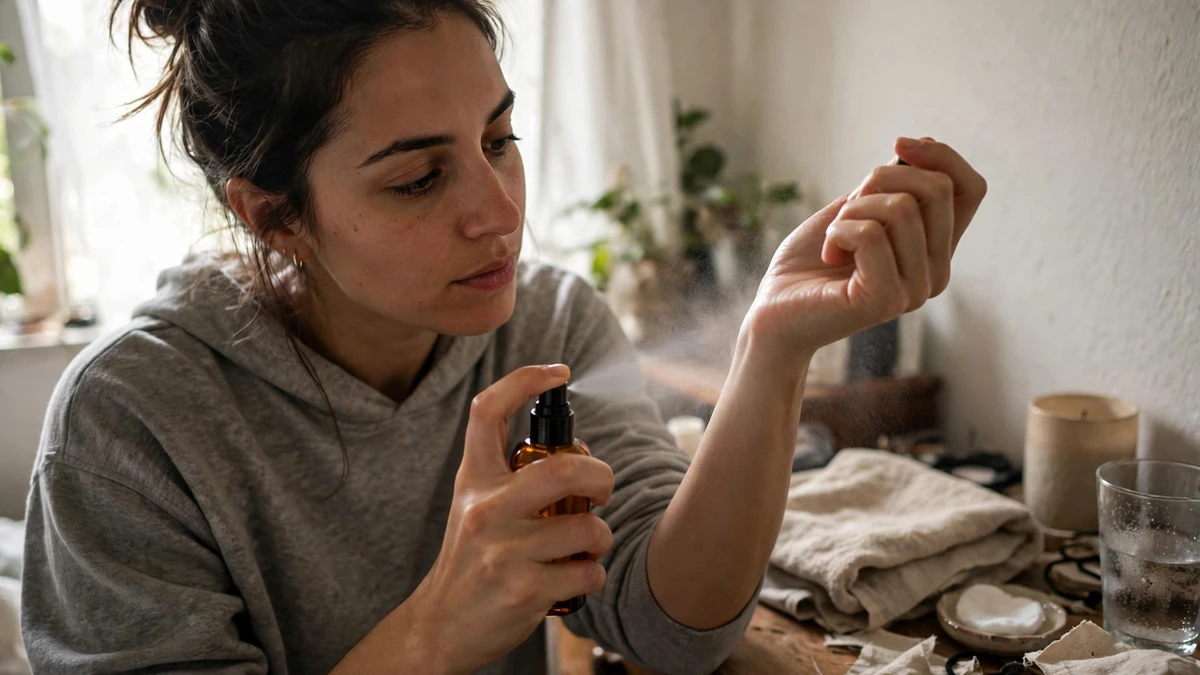

Amber is one of the most used words in perfumery, and one of the least understood. It appears on bottles from drugstore shelves to luxury houses, and it can mean a warm golden sweetness, a dark resinous depth, or a soft powdery glow, depending on the perfume.
That matters when you are choosing a perfume, because two bottles that both say amber can smell almost nothing alike. One might be sweet and powdery, suited to evenings and cold weather. Another might be dark and smoky, closer to incense than to vanilla. A third might be light and golden, barely warmer than a floral. Knowing what amber actually is, and what sits inside the accord, is the difference between buying a scent you love and buying a word on a label.
This guide explains amber plainly: what it is made of, how it behaves on skin, how it differs from oud and vanilla, and how to test it before you commit to a full bottle. It is written for anyone who has liked an amber perfume without knowing why, or been disappointed by one that promised warmth and delivered something else entirely.
Key takeaways
- Amber is a fantasy accord built from labdanum, vanilla and benzoin, not a single natural ingredient, and every house blends it differently.
- Amber sits in the base of a perfume, so it appears late and lasts longest, often six to ten hours in an eau de parfum.
- Amber perfumes are generally warm, sweet and resinous, and they suit evenings and cooler weather best, though lighter versions work year-round.
- Amber is not the same as oud or vanilla: oud is woody and animalic, vanilla is sweet and creamy, and amber sits between them.
- No amber perfume smells identical on everyone, and a heavy amber can turn cloying in heat or on warm skin, so always test before buying a full bottle.
What amber actually is in a perfume
Amber, in perfumery, is an accord: a combination of ingredients blended to create a single impression. The classic amber accord is built on three materials. Labdanum, a resin from the rockrose plant, gives a warm, leathery, slightly animalic depth. Vanilla gives sweetness and softness. Benzoin, a resin from the styrax tree, gives a warm, balsamic, almost cinnamon-like glow. Together, they create the golden warmth people describe as amber.
How amber perfumes are built and what to look for
Look first at the notes around the amber. A perfume that lists amber with vanilla, tonka and sandalwood will smell sweet, soft and powdery. One that lists amber with labdanum, patchouli and oud will smell dark, resinous and intense. One that lists amber with bergamot, pink pepper and cedar will smell brighter and more modern. The companions define the amber more than the word itself does.

Look next at concentration, because amber needs time. In an eau de toilette, the amber may only appear in the last hour or two, and the perfume can feel thin before it arrives. In an eau de parfum or extrait, the amber has room to develop, and the dry-down can last six to ten hours. If you want the amber to be the star rather than a footnote, choose a higher concentration, and give it at least an hour on skin before judging it.
Finally, think about the season. Heavy amber is at its best in autumn and winter, when cold air carries it gently and the warmth feels welcome. In summer heat, the same perfume can turn cloying and heavy, especially on warm skin. Lighter ambers, with citrus or florals on top, work year-round. Our guide to how to make perfume last longer explains why moisturised skin and the right spray points matter so much for a base-heavy scent like amber, because the dry-down is where the money is.
9 things to know about amber perfume
Amber is a fantasy accord, not a single ingredient
What it shows: Amber is built from labdanum, vanilla and benzoin, blended to create a warm golden impression that no single raw material produces on its own.
What to consider: Because it is a blend, two amber perfumes can smell very different, and the word on the bottle tells you less than the full note list does. Best for: Anyone who wants warmth without a single dominant note. Material: Resin and vanilla-based accord, in eau de parfum or extrait. Price range: $70–$250 depending on the house and concentration. Standout feature: The flexibility of the accord, which perfumers can push sweet, dark, smoky or powdery.
The classic amber accord is labdanum, vanilla and benzoin
What it shows: Labdanum gives depth and warmth, vanilla gives sweetness, and benzoin gives a balsamic glow, and together they create the golden character people recognise as amber.
What to consider: Some houses add tonka, which makes the amber sweeter and more powdery, or patchouli, which makes it darker and earthier. Best for: Lovers of warm, resinous scents and classic oriental perfumes. Material: Labdanum resin, vanilla absolute, benzoin resin. Price range: $80–$200 for a classic amber eau de parfum. Standout feature: The three-part balance, which has defined amber for more than a century.
Amber sits in the base and lasts the longest
What it shows: Amber materials are heavy molecules, so they evaporate slowly, appear late in the wear, and can still be present eight or ten hours after the first spray.
What to consider: The first hour of an amber perfume may be mostly citrus or florals, and the amber only emerges as those notes fade, so patience is essential. Best for: People who want a perfume that lasts all day without re-spraying. Material: Base-heavy composition, best in eau de parfum or extrait. Price range: $90–$220 for a long-lasting amber. Standout feature: The long, warm dry-down, which is often the best part of the perfume.
Amber perfumes are warm, sweet and resinous
What it shows: The typical amber character is warm and slightly sweet, with a resinous depth that smells like golden honey, warm wood and soft spice rather than fresh flowers or sharp citrus.
What to consider: The sweetness varies widely, from the dry warmth of a labdanum-heavy amber to the sugary softness of a vanilla-heavy one, so check the note list. Best for: Evenings, dates, autumn and winter, and anyone who likes a cosy, enveloping scent. Material: Warm resinous accord with vanilla or tonka. Price range: $70–$180 for most warm amber perfumes. Standout feature: The enveloping warmth, which makes amber feel like a comfort scent.
Amber is not the same as oud or vanilla
What it shows: Oud is woody, smoky and animalic, vanilla is sweet, creamy and soft, and amber sits between them, warm and resinous without being as dark as oud or as sweet as vanilla alone.
What to consider: Many perfumes combine amber with oud or vanilla, so the lines blur, and a perfume can be both amber and oud at once. Best for: Anyone choosing between the three families, or looking for a middle ground. Material: Amber accord compared with oud wood and vanilla absolute. Price range: $80–$250 across the three families. Standout feature: The middle position, warmer than vanilla, softer than oud.
Amber works in all four seasons with the right concentration
What it shows: A light amber with citrus or florals works in spring and summer, while a heavy amber with woods and spice works in autumn and winter, and the difference is the weight of the base, not the amber itself.
What to consider: In heat, use one spray instead of two, and choose a lighter concentration, because warmth amplifies amber and can make it feel heavy. Best for: Year-round wearers who are willing to own two ambers, one light and one rich. Material: Eau de toilette for summer, eau de parfum for winter. Price range: $60–$200 depending on concentration. Standout feature: The seasonal range, which few other families match.
Amber is one of the most unisex families
What it shows: Amber appears in women’s florals, men’s orientals and unisex niche perfumes alike, because warmth reads as neither masculine nor feminine, only as warm.
What to consider: The companions decide the gender of the result: amber with rose and jasmine leans feminine, amber with tobacco and woods leans masculine, and amber alone leans unisex. Best for: Anyone shopping across the men’s and women’s counters, or sharing a scent with a partner. Material: Unisex accord, in any concentration. Price range: $70–$220. Standout feature: The neutrality of the warmth, which suits almost everyone.
Skin chemistry changes how amber reads
What it shows: On dry skin, amber can smell powdery and soft. On warm or oily skin, it can smell richer, sweeter and more intense, and the same perfume can feel like two different scents.
What to consider: Moisturised skin holds amber longer and keeps it smoother, while dry skin can make it fade faster or turn sharp. Best for: People willing to test on skin rather than paper, and to try a scent twice before deciding. Material: Base-heavy accord, sensitive to skin type. Price range: $70–$200. Standout feature: The way amber adapts to the wearer, which is why it feels personal.
How to test an amber perfume before buying
What it shows: A proper amber test means one spray on the wrist, no rubbing, and a full hour of wear, because the amber only appears once the top notes have faded.
What to consider: Testing three ambers at once confuses the result, because the bases blend on the skin, so test one at a time and use coffee beans or fresh air between tests. Best for: Anyone buying a full bottle, especially at a luxury price. Material: A sample vial or a single in-store spray. Price range: Samples usually cost $3–$10, or are free with a purchase. Standout feature: The hour-long test, which reveals the dry-down that paper strips hide.
Which amber perfume is right for you
Start with the sweetness. If you like soft, cosy scents, choose an amber with vanilla and tonka, because the result is sweet and powdery and very easy to wear. If you like something darker, choose an amber with labdanum and patchouli, because the result is resinous and earthy and suits evenings. If you like something bright, choose an amber with bergamot or pink pepper on top, because the opening lifts the warmth and makes it wearable in the day.
Next, think about concentration and occasion. An eau de toilette amber is a fair choice for the office or a warm day, because it stays lighter and closer to the skin. An eau de parfum amber is better for evenings, dates and cold weather, because the base has room to develop and the warmth has time to settle. An extrait is the richest option of all, and a single drop on the wrist can last the whole day.
Finally, consider what you already own. Amber layers well with vanilla, woods and musk, and it can deepen a floral perfume or soften a woody one. Our roundup of the best fresh perfumes is a useful contrast, because it shows how a bright, clean scent and a warm amber can sit side by side in the same wardrobe without competing.
The caveats that matter
Amber is generally well tolerated, but it has two common pitfalls. The first is cloying sweetness in heat. A heavy amber worn on a hot day, or sprayed too generously, can feel suffocating, both to you and to the people around you. The fix is simple: one spray, not three, and a lighter amber in summer. The second pitfall is the medicinal turn, where a labdanum-heavy amber smells sharp and almost clinical on some skin. If that happens, try a vanilla-heavy amber instead, which is usually softer.
| Detail | What is known |
|---|---|
| What amber is | A fantasy accord of labdanum, vanilla and benzoin, not a single ingredient |
| Where it sits | In the base, appearing late and lasting six to ten hours |
| Typical character | Warm, sweet and resinous, with a golden, enveloping feel |
| Best season | Autumn and winter for heavy ambers, year-round for lighter ones |
| How it differs from oud | Oud is woodier and more animalic, amber is warmer and softer |
| How it differs from vanilla | Vanilla is sweeter and creamier, amber is warmer and more resinous |
| What to avoid | Judging on the first spray, or buying a full bottle without a skin test |
| What it does not do | It does not smell identical on everyone, and it does not suit heavy spraying in heat |
If you have sensitive skin or a known fragrance allergy, patch-test on the inner arm before wearing a new amber all day, because resinous materials can be sensitisers for some people. A reaction is uncommon, but a simple test is worth the minute it takes.
Checklist: choosing an amber perfume honestly
Use these checks before you buy, and again after a full day of wear.
- Read the note list: vanilla and tonka mean sweet, labdanum and patchouli mean dark, citrus on top means bright.
- Test on skin, not paper, and wait a full hour, because the amber only appears in the dry-down.
- Choose the concentration for the season: eau de toilette for summer days, eau de parfum for winter evenings.
- Spray once, not three times, especially with a heavy amber, and let it settle before adding more.
- Try it in the right weather: test a heavy amber on a cool day, not in summer heat.
- Keep a sample for a full day before buying the bottle, and judge it at six hours, not six minutes.
Frequently asked questions
Is amber a real ingredient?
Not as a single raw material. Amber in perfumery is a blend of labdanum, vanilla and benzoin, created to smell warm and golden. The fossilised resin called amber is not used in perfume, and ambergris is a different material altogether.
Does amber perfume last long?
Yes, usually longer than most families. Amber sits in the base, so it evaporates slowly, and an eau de parfum can last six to ten hours on skin. A lighter eau de toilette will last less, around four to five hours.
Is amber perfume unisex?
Mostly yes. Amber itself reads as warm rather than masculine or feminine, and it appears in women’s, men’s and unisex perfumes. The notes around it decide the final character, so an amber with rose leans feminine and an amber with tobacco leans masculine.
Can I wear amber perfume in summer?
Yes, if you choose a lighter one. An amber with citrus or florals on top works well in warm weather, while a heavy, resinous amber is better saved for cooler months. One spray is usually enough in heat.
What is the difference between amber and ambergris?
Amber is a blend of resins and vanilla made by perfumers. Ambergris is a natural material from the sperm whale, historically used as a fixative, and now almost always replaced by synthetic alternatives. They are different materials with different smells.
How do I find my signature amber scent?
Test one amber at a time on skin for a full day, and pay attention to the dry-down after six hours, because that is the part you will live with. Our guide to what a signature scent is explains how to build a scent around your habits and taste, rather than around a single bottle.
The bottom line
Amber is not a mystery, and it is not a single ingredient. It is a warm, resinous accord built from labdanum, vanilla and benzoin, and it is one of the most versatile families in perfumery because it can be sweet, dark, smoky or powdery depending on how it is blended. It lasts longer than most notes, it suits almost everyone, and it rewards patience, because its best hours are the ones after the top notes have gone. It is a family that rewards curiosity, because every blend tells you something new about warmth.
Choose by the note list, test on skin for a full day, and judge the dry-down rather than the first spray. If the amber stays warm, smooth and comfortable after six hours, you have found a scent worth keeping.