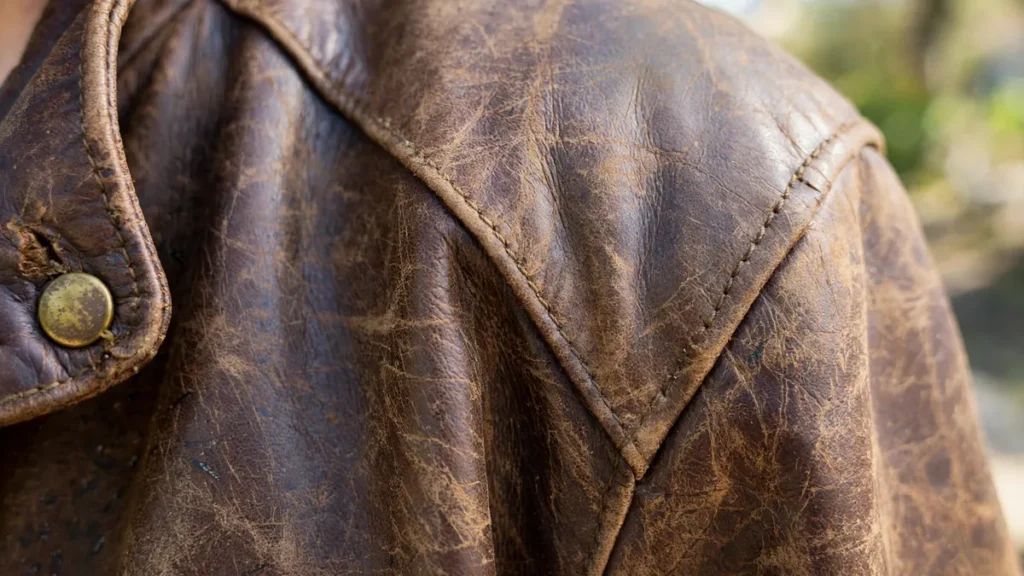
Leather is one of the few materials that genuinely gets better with age. A new leather jacket is stiff and a little shiny, a new leather bag is smooth and unmarked, and a new pair of leather boots feels like it belongs to someone else. Wear them for a year, and the story changes: the leather softens, the colour deepens, the creases settle into place, and the piece starts to look like it was made for you.
This is not nostalgia. Leather is a natural material, and its fibres respond to use in ways that synthetic materials do not. Sun, oils from your hands, rain, wear and time all leave their mark, and on good leather those marks add depth rather than damage. That is why a ten-year-old leather bag can look richer than a new one, and why vintage leather is a whole market of its own.
Below are nine reasons leather ages beautifully in 2027, from the patina that deepens colour to the way leather moulds to its owner, so you can choose leather well, care for it properly, and know which pieces are worth the investment.
Key takeaways
- Good leather develops a patina, a deepening of colour and sheen that comes from use, not from damage.
- Full-grain leather ages best, because its dense, uncorrected fibres are stronger and take on character over time.
- Leather moulds to its owner, softening at the shoulders, the handles and the places you touch most.
- Regular conditioning and gentle cleaning keep leather supple, but over-conditioning can darken it and clog the grain.
- Leather is not a financial investment, and cheap corrected leather will not age the way full-grain leather does.
What leather ageing actually is
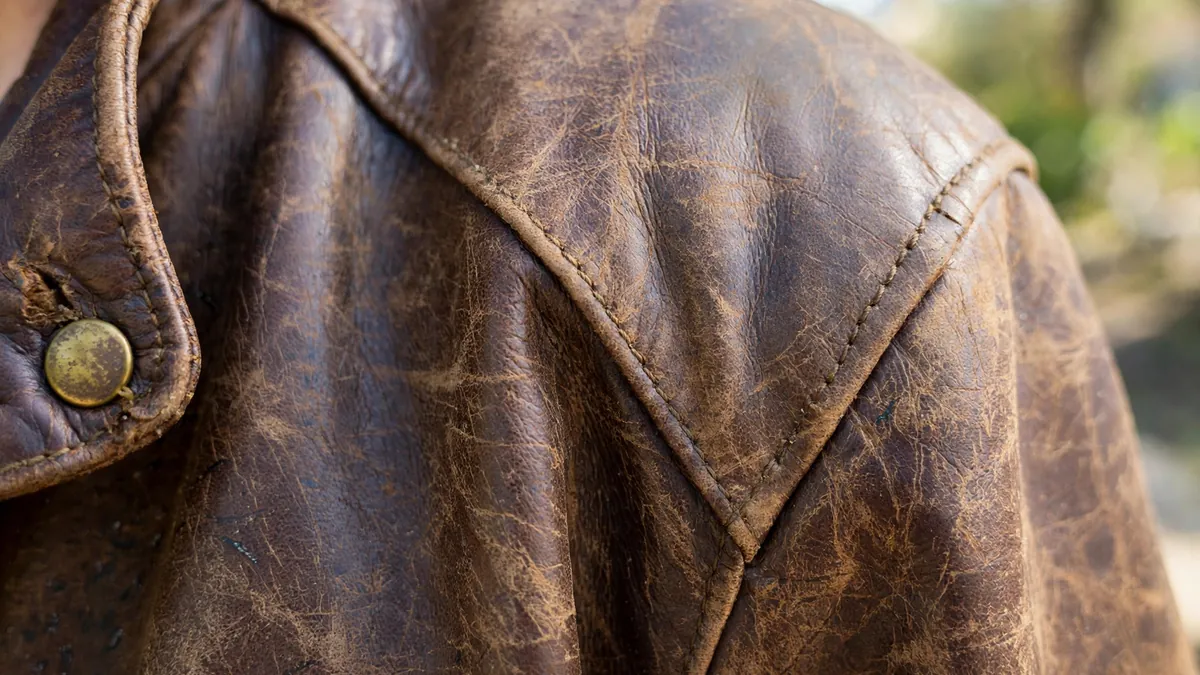
Leather ageing is the slow change in a hide’s colour, texture and flexibility as it is used. The most visible part is the patina, a darkening and softening of the surface that comes from sun, handling and the natural oils in your skin. On a tan leather bag, the patina turns the colour a shade deeper and warmer. On a black leather jacket, it adds a subtle sheen at the elbows and shoulders.
Underneath, the fibres themselves are changing. Leather is made of collagen fibres, and with wear those fibres loosen and settle, which is why a stiff new jacket becomes supple and a new bag’s handles stop digging into your hand. The leather is not breaking down. It is relaxing into its shape, and that is a different process from the cracking and peeling that happens when leather dries out.
The third part of ageing is the marks. Scratches, scuffs and creases are part of a leather piece’s life, and on good leather they soften and blend into the surface over time. A scratch on a new bag looks like damage. The same scratch on a five-year-old bag looks like character, because the surrounding leather has darkened and softened around it.
It is worth knowing that not every change is ageing in the good sense. Leather that is dried out, sun-bleached or soaked will fade, crack and stiffen, and those changes are damage, not patina. The difference is care: leather that is used regularly and conditioned a few times a year ages gracefully, while leather that is neglected or abused simply wears out. Ageing well is a partnership between the material and the person who owns it, and the owner’s half of the job is small but real.
How we chose these reasons and what to look for
Look first at the grade of leather. Full-grain leather is the top layer of the hide with its natural grain intact, and it ages best because its fibres are dense and uncorrected. Top-grain leather is sanded and finished, so it looks uniform when new but takes on less character. Corrected-grain and bonded leather are coated or reconstituted, and they tend to crack and peel rather than age gracefully.

Look next at the tanning. Vegetable-tanned leather darkens noticeably with sun and use, which is why it is the favourite of people who love patina. Chrome-tanned leather is softer and more water-resistant from the start, but it changes less over time. Neither is better in every case, but vegetable-tanned leather shows its age more visibly.
Finally, look at the construction. A leather piece that ages well is stitched, not glued, with solid hardware and edges that are burnished rather than painted. Our guide to the best leather jackets for women applies the same checks, and they matter here too: grade first, tanning second, construction third.
One more check is the smell. Real, well-tanned leather has a rich, warm, natural smell that is hard to mistake once you know it. Leather that smells strongly chemical or plasticky has usually been heavily coated, and that coating is what will crack and peel instead of ageing. Trust your nose as well as your eyes: a good leather piece should smell like leather, not like a factory, and that smell fades only slowly over years of use.
The 9 reasons leather ages beautifully in 2027
The patina deepens the colour
What we like: Sun and handling darken leather gradually, giving it a richer, warmer tone that no dye can copy. What to consider: The change is uneven, so a bag will darken more where your hands rest. Best For: Tan, cognac and natural leather, where the change is most visible. Cost: Nothing, it comes from use. Time Needed: Months to years of regular wear.
Patina is the single biggest reason people love old leather. It is slow, it is personal, and it cannot be faked convincingly.
Scratches soften into character
What we like: Small scratches on good leather blend into the surface as the surrounding grain darkens and softens. What to consider: Deep cuts and gouges do not disappear, and coated leather shows scratches as pale lines. Best For: Full-grain leather, which absorbs light marks best. Cost: Nothing for light marks; a leather balm costs around £10–£20. Time Needed: Weeks of wear for a scratch to settle.
A scratch on a new bag feels like a disaster. On a worn bag, it is just part of the story, and that shift in feeling is real.
Leather moulds to its owner
What we like: A leather jacket softens at the shoulders, a bag’s handles shape to your hand, and boots mould to your feet. What to consider: The moulding is personal, so a second-hand piece may never fit you the same way. Best For: Jackets, bags and boots you wear often. Cost: Nothing, it comes from wear. Time Needed: A few months of regular use.
This is the reason a leather piece feels like yours. It has literally taken your shape, and no other material does that quite the same way.
Full-grain fibres are dense and strong
What we like: Full-grain leather has the hide’s densest fibres, so it resists tearing and holds its shape for decades. What to consider: It costs more, and it shows natural marks like insect bites and stretch lines. Best For: Pieces you plan to keep for ten years or more. Cost: £150–£800 for a good full-grain bag or jacket. Time Needed: Years of wear to see the full benefit.
Density is the hidden reason full-grain leather lasts. The fibres are packed tightly, so the leather wears slowly and evenly.
Oils and wear keep it supple
What we like: Handling and conditioning keep leather’s fibres lubricated, so it stays flexible instead of drying out. What to consider: Too much conditioner darkens leather and can clog the grain. Best For: Leather you use and condition a few times a year. Cost: £10–£25 for a good conditioner. Time Needed: An hour, two to four times a year.
Leather that is used and cared for stays soft. Leather that sits in a cupboard dries out, which is why a bag you love lasts longer than one you store.
Stitching and hardware outlast trends
What we like: A well-made leather piece uses saddle stitching and solid brass hardware, which last for decades. What to consider: Cheap zips and plated hardware fail long before the leather does. Best For: Bags, jackets and belts with solid, simple hardware. Cost: Included in the price of a well-made piece. Time Needed: No extra time, just a good choice at the start.
When a leather bag outlives its hardware, the bag is the problem, not the leather. Good hardware is what lets the leather do its work.
It can be conditioned and repaired
What we like: Dry leather can be reconditioned, scuffs can be buffed, and stitching can be redone by a cobbler. What to consider: Repairs cost money, and a badly repaired piece can look worse than a worn one. Best For: Quality leather with simple construction. Cost: £20–£80 for a professional clean and condition. Time Needed: A day at a cobbler, or an hour at home.
Leather is one of the few materials you can genuinely repair rather than replace, and that is a big part of why it lasts.
It ages better than synthetic alternatives
What we like: Real leather softens and deepens with age, while faux leather cracks, peels and flakes. What to consider: Good faux leather has improved, but it still does not develop a patina. Best For: Anyone choosing between a real leather piece and a cheaper alternative. Cost: Real leather costs more upfront but lasts far longer. Time Needed: Years, which is the point.
Put a real leather bag and a faux leather bag side by side after five years and the difference is obvious. One looks richer, the other looks tired.
It becomes personal with time
What we like: Your leather piece carries the marks of your life: the crease where you hold it, the darkening where your hand rests, the softening at the shoulders. What to consider: That personal history also means it is hard to pass on or resell without losing what made it yours. Best For: Pieces you buy for yourself, not for resale. Cost: Nothing, it comes from living with the piece. Time Needed: Years of everyday use.
This is the least practical reason and the most important one. A leather piece that has aged with you is not just a possession, it is a record.
Which leather is right for you
If you want leather that ages visibly and beautifully, choose vegetable-tanned full-grain leather in a natural or tan colour. It will darken, soften and develop a patina that is unmistakably yours, and it will reward regular use. It needs a little care, but the care is simple: keep it dry, condition it a few times a year, and let it do the rest.
If you want leather that is easy to live with, choose chrome-tanned top-grain leather in black or dark brown. It is softer from the start, more water-resistant, and it changes less over time, which suits people who want a piece that looks the same in five years as it does today. It will not develop the same patina, but it will still last.
If you already own leather, start with care rather than buying more. Our guide to how to clean a leather handbag covers the basics step by step, and the same rules apply to jackets, belts and boots: clean gently, condition lightly, and store it stuffed and covered.
Storage matters more than most people realise. A leather bag stuffed with tissue keeps its shape, while an empty one collapses and creases at the folds. A leather jacket on a wide, shaped hanger keeps its shoulders, while a thin wire hanger leaves dents that never fully come out. Keep leather out of plastic bags, which trap moisture and encourage mould, and use a breathable cotton dust bag instead. Small habits like these are what separate a piece that looks good at ten years from one that looks tired at three.
The caveats that matter
Not all leather ages well. Corrected-grain leather is sanded and coated to hide imperfections, and that coating cracks and peels with time instead of developing a patina. Bonded leather, made from leather fibres glued together, falls apart within a few years. If the price looks too good for the size of the piece, the leather is usually the reason.
| Detail | What is known |
|---|---|
| Best leather for ageing | Vegetable-tanned full-grain leather in tan or natural |
| What patina is | A gradual darkening and softening from sun, handling and oils |
| How long it takes | Months for softening, years for a deep patina |
| Care | Condition two to four times a year, keep it dry, store stuffed |
| What to avoid | Over-conditioning, heat, prolonged soaking, harsh cleaners |
| What ages badly | Corrected-grain and bonded leather crack and peel |
| Repairs | Scuffs, stitching and conditioning can be fixed by a cobbler |
| What it is not | Leather is not a financial investment, and cheap leather will not age well |
Leather also needs protection from the two things that damage it most: water and heat. A soaked leather bag should be dried slowly at room temperature, never with a hairdryer or a radiator, because heat makes the fibres contract and crack. And a leather jacket left in a hot car will dry out faster than one stored in a cool, dry wardrobe.
Checklist: buying leather that ages well
Use these checks before you buy, and again after a year of wear.
- Check the grade: full-grain ages best, top-grain is a good compromise, corrected-grain ages badly.
- Check the tanning: vegetable-tanned darkens and develops patina, chrome-tanned stays more stable.
- Check the stitching: saddle stitching and even, tight seams outlast glued edges.
- Check the hardware: solid brass or steel lasts, plated hardware wears through.
- Check the edges: burnished edges age well, painted edges crack and peel.
- Check the smell: real leather smells rich and natural, not chemical or plasticky.
Frequently asked questions
Does all leather develop a patina?
No. Vegetable-tanned full-grain leather develops the most visible patina, while chrome-tanned and coated leather changes much less. Corrected-grain leather usually cracks instead of developing a patina.
How long does it take for leather to age beautifully?
Softening happens within a few months of regular wear. A deep, rich patina takes one to three years, depending on how often you use the piece and how much sun and handling it gets.
Can I speed up the patina?
You can, by using the piece often and letting it see daylight, but forcing it with oils or sun exposure can stain or dry the leather. Slow, natural ageing looks better than a rushed one.
Should I condition my leather often?
Two to four times a year is enough for most pieces. Over-conditioning darkens leather, softens it too much and can clog the grain, so a light hand is better than a heavy one.
Can scratched leather be fixed?
Light scratches on full-grain leather usually blend in with wear and a little balm. Deep cuts can be filled and recoloured by a cobbler, but they will never disappear completely.
Is leather a good investment?
As a wardrobe piece, yes, because a good leather bag or jacket can last for decades. As a financial investment, no, and our guide to the best luxury fashion brands is honest about that distinction: buy leather because you will wear it, not because you expect it to appreciate.
The bottom line
Leather ages beautifully because it is alive in a way that synthetic materials are not. It darkens, softens, moulds to its owner and carries the marks of a life lived with it, and those changes add depth rather than damage. The key is to start with good leather, full-grain and well made, and to give it the small amount of care it asks for.
Choose one leather piece you will use every day, condition it a few times a year, keep it dry and out of direct heat, and let time do the rest. In five years it will not look new, and that is exactly the point: it will look like yours, and no new piece can offer that.