


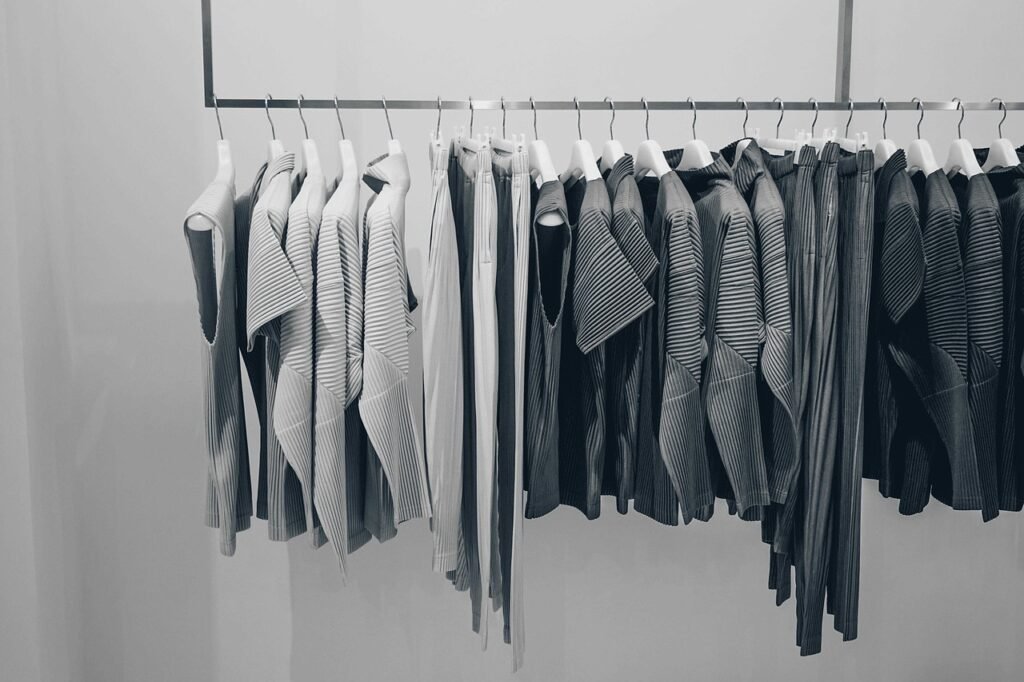
What if the secret to always having something to wear isn’t more clothes, but fewer, better ones? That’s the promise behind the timeless wardrobe: a small set of pieces that mix, match, and survive every trend cycle. The concept isn’t new. Stylist Susie Faux coined the idea of the capsule wardrobe in the 1970s as a way to simplify dressing without sacrificing style, and stylists still build their client lists around it today.
What follows is a practical build order. Start with the pieces that anchor the most outfits, add layers and footwear as you go, and finish with the small details that make the whole thing feel intentional. Each step tells you what to buy, what to look for, and what result to expect before moving on.
What You Need Before You Start
Before buying a single item, do a wardrobe audit. Pull everything out, try it on, and sort into three piles: keep, repair, and release. Most people find they already own six or seven of the fifteen pieces below. The audit stops you from rebuying what’s hiding in a drawer and shows you the real gaps.
Next, pick a neutral color palette of two to three core tones, such as black, navy, cream, camel, or charcoal. Every new piece must work with at least three existing items. This single rule is what makes a capsule function. As one stylist-led guide puts it, the idea is that every piece is multipurpose and everything goes with everything, which maximizes the number of outfit combinations.
Finally, set a budget that favors fabric and fit over quantity. A well-cut blazer is one of the highest-return items in any wardrobe because it adapts to hybrid workdays, dinners, and weekends. That logic applies across the list.
Step 1: The White T-Shirt
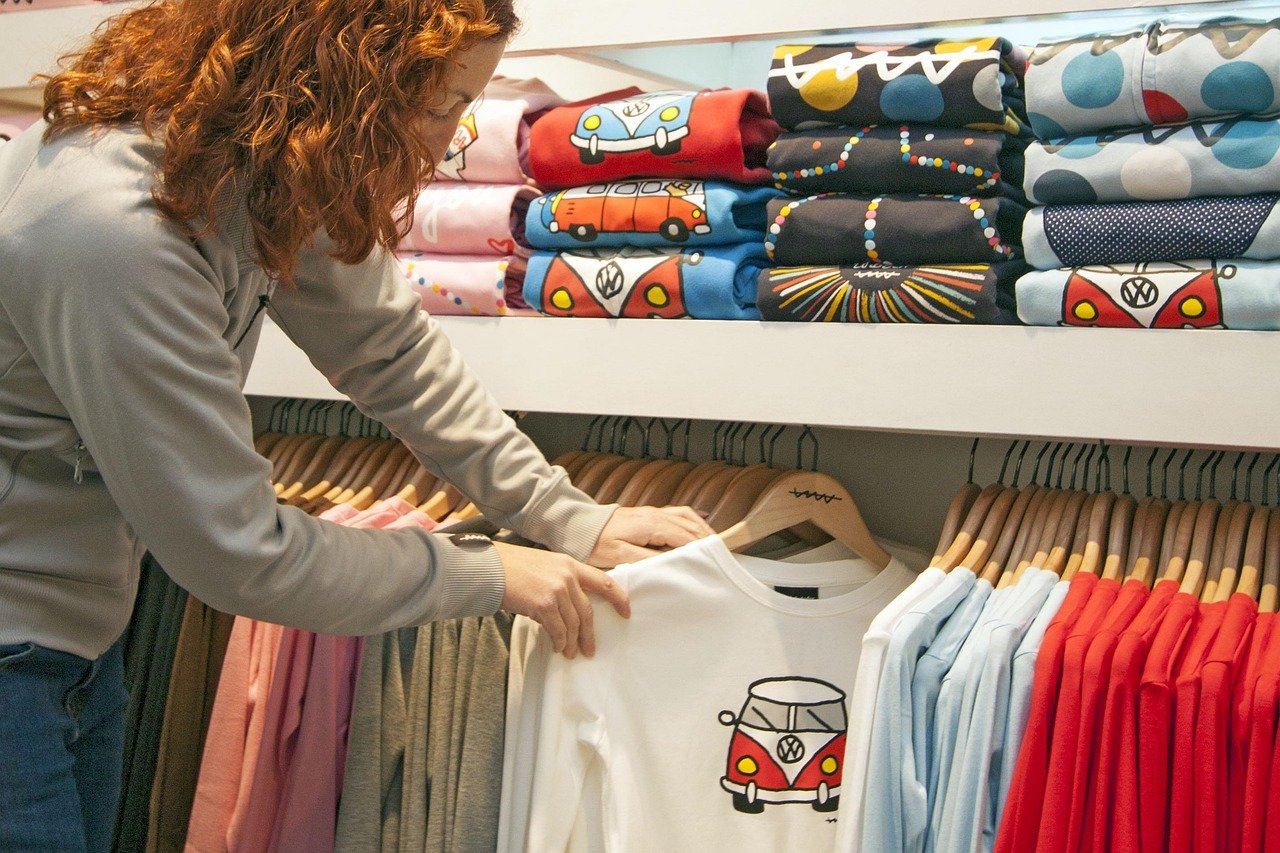
Start with the most versatile base layer. A white tee pairs with denim, blazers, tailored trousers, and midi skirts, which is why stylists put it at the top of nearly every essentials list. Look for a mid-weight cotton that isn’t see-through, a neckline that sits flat, and a hem that hits mid-hip.
Expected result: at least five outfits from one top. If a tee only works with one pair of pants, it isn’t the right tee.
Step 2: The Perfect White Shirt
A white button-down is the dressier sibling of the tee. Tuck it into high-waisted trousers for polish, wear it loose over jeans for ease, or open it over a tank as a light layer. Choose a fabric that isn’t too transparent and a cut that lets you move comfortably, then test the buttons. Gaping at the bust is the most common fit failure, and a tailor can fix it with a hidden snap for a small fee.
Step 3: Jeans That Actually Fit
Finding jeans you genuinely love can take time, but once you do, they become one of the hardest-working pieces in your closet. For a timeless option, look at straight-leg, slim-straight, or relaxed-leg cuts in a washed blue or deep indigo. Trend-forward shapes are fun, but a classic straight leg in washed blue is the pair you will always be able to rely on.
Expected result: one pair you can wear three ways: with sneakers, with loafers, and with boots.
Step 4: Tailored Trousers
Black or navy trousers in a wrinkle-resistant blend take you from meetings to dinner without a change. Check the rise (it should sit at your natural waist), the break at the shoe, and the pocket placement. Cheap trousers often fail at the waistband, so try sitting, squatting, and climbing stairs before you commit. For a deeper look at how fabric quality separates lasting pieces from disposable ones, see this guide to choosing jewelry and fashion pieces that last and look expensive — the same material tests apply to clothing.
Step 5: The Tailored Blazer
Whether you want to look sharp for a meeting or simply want to dress up jeans, a blazer does the work. Look for shoulder seams that sit at your natural shoulder line, quality lining, sharp lapels, and fabric blends that resist wrinkling. Neutral choices like black, navy, charcoal, or soft camel will outlast any printed or cropped version.
Common mistake: buying a blazer two sizes up for an “oversized” look. The shoulders end up drooping and the sleeves swallow your hands. Buy your size, then have the sleeves shortened.
Step 6: The Trench Coat
A trench coat makes an outfit look polished even when you’re rushing out the door. It should hit mid-thigh or just below the knee, have a belt you will actually tie, and feature a water-resistant fabric. This is the piece that turns a plain jeans-and-tee combination into something that reads deliberate.
Step 7: The Knit Sweater
One fine-gauge knit in a neutral tone covers more ground than three chunky ones. Cashmere and merino regulate temperature well and layer under a blazer without bulk. Check for pilling resistance by gently rubbing the fabric; if fibers ball up immediately, it will look tired within a season.
Step 8: A Black Dress
A simple black dress works for weddings, dinners, and travel days, and it changes character with accessories. Choose a cut that suits your daily life rather than a special occasion you attend twice a year. A shirt dress or a clean A-line silhouette is more versatile than a bodycon option.
Step 9: The Denim or Leather Jacket
One casual jacket completes the outerwear trio. A denim jacket suits spring and fall; a leather jacket handles evenings and cooler weather. Either way, fit matters more than brand. The jacket should close comfortably over a sweater without pulling across the back.
Step 10: White Sneakers
A clean, reliable sneaker is the default shoe for errands, travel, and casual Fridays. Minimal white leather pairs with everything from jeans to midi skirts. Keep them clean with a damp cloth and a soft brush; scuffed sneakers undercut an otherwise sharp outfit faster than any other detail.
Step 11: Leather Boots
A leather boot in black or brown handles rain, cold, and long walking days. Look for a stacked or rubber sole, a heel you can walk in for an hour, and leather that flexes rather than cracks. This is worth repairing rather than replacing. A cobbler can resole a good boot for a fraction of the price of a new pair.
Step 12: Loafers or Ballet Flats
Fashion flats such as loafers fill the gap between sneakers and heels. They read smart with trousers and relaxed with denim. Try them with the socks you plan to wear, since half a size can make the difference between comfort and blisters.
Step 13: The Silky Blouse
A silky blouse adds texture without pattern. It works under a blazer, tucked into jeans, or worn loose with tailored trousers. Look for a fabric with a matte sheen rather than high shine, which photographs better and looks less costume-like in daylight.
Step 14: A Versatile Skirt
A midi skirt in a solid neutral gives you a third bottom option alongside jeans and trousers. A straight or gently flared cut in wool, cotton twill, or satin covers office days and dinners. Check that it works with at least two of your shoes before buying.
Step 15: The Finishing Accessories
The final step is the small stuff: a leather belt, a structured tote or shoulder bag, a silk scarf, and one or two pieces of jewelry. A silk scarf can be the detail that makes a whole outfit, and a belt can rescue a dress that fits loosely. This is also where personality enters. If you want a playful framework for choosing accessories that feel like you, an astrology-inspired approach to zodiac style is a fun way to narrow the options without buying more.
The Fifteen Pieces at a Glance
| # | Piece | Primary Role | What to Check |
|---|---|---|---|
| 1 | White T-shirt | Base layer | Opaque cotton, flat neckline |
| 2 | White shirt | Dressy base | No gaping at bust |
| 3 | Jeans | Everyday bottom | Straight leg, real fit |
| 4 | Tailored trousers | Work bottom | Waistband comfort |
| 5 | Blazer | Structure | Shoulder seam placement |
| 6 | Trench coat | Outerwear anchor | Mid-thigh length, belt |
| 7 | Knit sweater | Layer | Pilling resistance |
| 8 | Black dress | One-and-done outfit | Suits your real life |
| 9 | Denim or leather jacket | Casual outerwear | Closes over a sweater |
| 10 | White sneakers | Default shoe | Easy to clean |
| 11 | Leather boots | Cold-weather shoe | Resoleable |
| 12 | Loafers or flats | Smart-casual shoe | Fits with your socks |
| 13 | Silky blouse | Texture | Matte sheen |
| 14 | Midi skirt | Third bottom | Works with two shoes |
| 15 | Accessories | Finishing details | Belt, bag, scarf, jewelry |
Common Mistakes and How to Fix Them
Buying the whole list at once. This is the fastest way to waste money. Build in three waves: bases first, outerwear second, shoes and accessories last. Wear each wave for two weeks before adding the next.
Ignoring cost per wear. A $300 blazer worn twice a week beats a $60 blazer worn twice a year. Divide the price by the number of times you expect to wear an item and compare honestly.
Chasing trends inside the capsule. Trends are fine, but they belong outside the fifteen. Keep one or two fun pieces that rotate in and out. If you want a system for building a wardrobe that works rather than one that just looks good on a hanger, this breakdown of fashion tips for a wardrobe that actually works covers the practical side.
Skipping alterations. Most people need a hem, a sleeve shortening, or a waist take-in. Budget an extra 10 to 15 percent of the purchase price for a tailor. It is the cheapest way to make affordable clothing look expensive.
Forgetting maintenance. Wash knits cold and flat-dry them, brush suede, condition leather, and keep sneakers clean. A timeless wardrobe only stays timeless if the pieces stay in shape.
Buying for a fantasy life. If you work from home, do not buy three blazers. Buy one excellent blazer and two more knits. The list adapts to your actual week, not someone else’s.
How to Keep the Wardrobe Timeless Over Time
Once the fifteen pieces are in place, the work shifts from buying to maintaining. Do a seasonal review twice a year: repair what’s worn, release what no longer fits, and replace only what has genuinely failed. This rhythm keeps the closet from drifting back into clutter.
It also helps to treat dressing as a practice rather than a performance. A mindful dressing routine that calms the wardrobe and the mind makes the morning decision faster, and fewer decisions mean fewer impulse purchases. Pair that with a clear sense of the style you actually want. Some people find their direction through minimalist fashion brands built for timeless style, while others borrow from western and cowboy style that has settled into the modern wardrobe. Both routes lead to the same place: fewer, better pieces that express something real.
One more practical note. If your wardrobe supports a hobby or a game with its own dress code, treat those pieces as a separate kit and keep them out of the fifteen. Players who chase the weekly FFXIV fashion report and want to hit 80 without wasting gil already know the value of a small, reusable set. The same principle applies to real clothes: a tight kit beats a sprawling one.
And if you are furnishing a new home alongside the new wardrobe, resist the urge to fill space quickly. The same restraint that makes a capsule closet work applies to luxury home decor chosen room by room with designer pieces, where a few strong anchors outperform a room full of filler.
Conclusion
Fifteen pieces will not cover every possible occasion, and they are not meant to. They cover the ordinary ones: work, weekends, dinners, travel, and the mornings when you have four minutes to get dressed. Build in the order above, buy the best fabric and fit you can afford, budget for alterations, and maintain what you own. The result is a closet where nearly everything works with nearly everything else, and where getting dressed stops being a daily negotiation. Start with the white tee and the jeans this week. The rest can wait until you have worn those two properly.
Frequently Asked Questions
What are the 15 timeless fashion pieces every wardrobe needs?
The core list is a white T-shirt, a white button-down shirt, well-fitting jeans, tailored trousers, a blazer, a trench coat, a knit sweater, a black dress, a denim or leather jacket, white sneakers, leather boots, loafers or ballet flats, a silky blouse, a midi skirt, and a small set of accessories such as a belt, bag, scarf, and jewelry. Together they cover tops, bottoms, outerwear, footwear, and finishing details.
Who came up with the capsule wardrobe idea?
Stylist Susie Faux coined the concept of the capsule wardrobe in the 1970s as a way to simplify dressing without sacrificing style. The idea has been refined many times since, but the core principle is unchanged: a small group of versatile pieces that all work together.
How long does it take to build a timeless wardrobe?
Most people need three to six months if they build in waves and wait for quality pieces to go on sale or fit properly. Trying to buy all fifteen items in one weekend usually leads to rushed decisions and returns. Wear each new wave for a couple of weeks before adding the next.
How much should I spend on each piece?
Spend the most on items you wear most often: jeans, shoes, the blazer, and the coat. Spend less on trend-adjacent pieces and basics that wear out quickly, like the white tee. A useful rule is to estimate cost per wear and compare items on that basis rather than on the price tag alone.
Can I build this wardrobe on a budget?
Yes. Thrift and resale shops are strong sources for coats, blazers, and leather boots, which hold up well when bought secondhand. Prioritize fit and fabric over labels, and set aside 10 to 15 percent of your budget for a tailor. Alterations are usually cheaper than upgrading to a more expensive brand.
What if a piece on the list doesn’t suit my lifestyle?
Swap it. The list is a template, not a rulebook. If you never attend formal events, replace the silky blouse with a second knit. If you work from home, trade one pair of tailored trousers for a relaxed pair. The goal is a wardrobe that fits your actual week, not a stylist’s imaginary one.











