

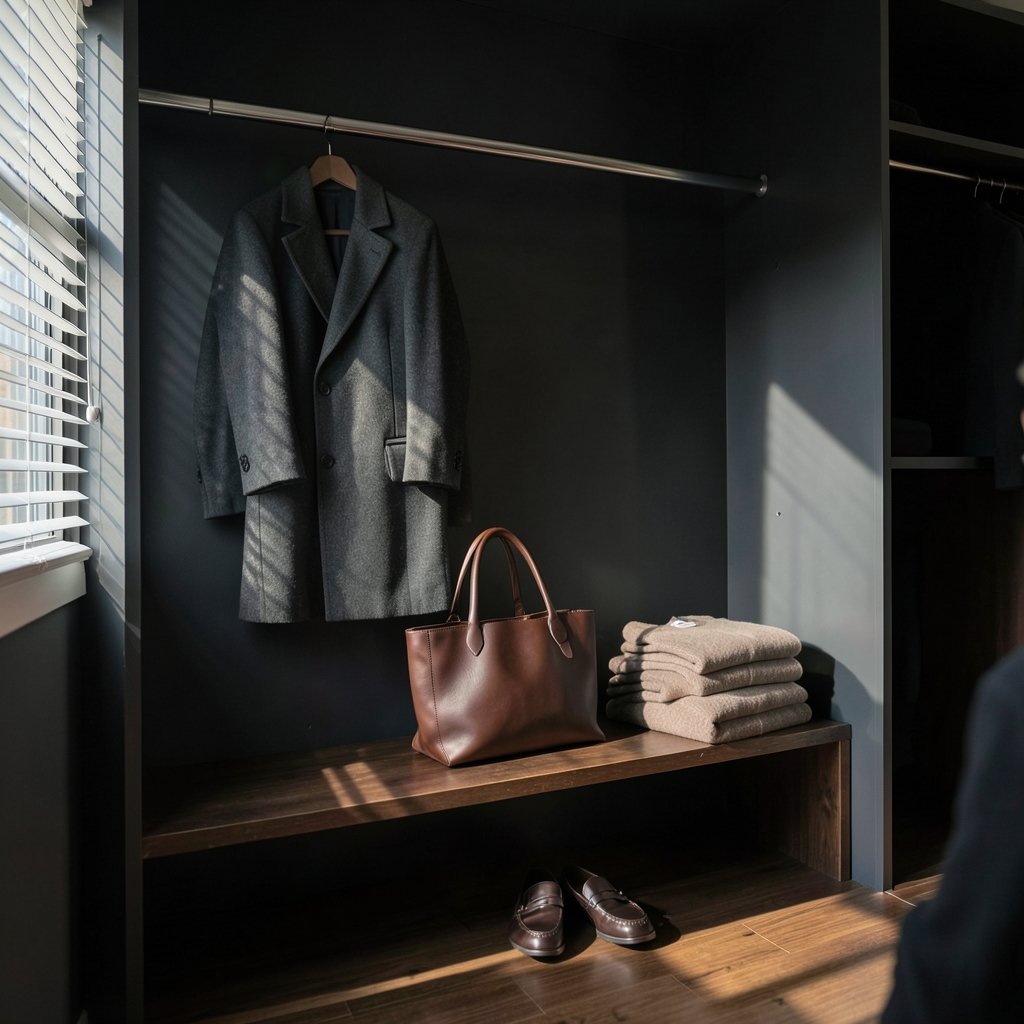
What if the most expensive thing you own is the one nobody notices? That question defines quiet luxury, the style movement built on the idea that real wealth does not announce itself. For several seasons, the formula looked simple: no logos, perfect tailoring, cashmere sweaters, and head-to-toe beige. But the runways heading into spring/summer 2027 tell a more complicated story. Quiet luxury has not disappeared. It has matured, loosened its collar, and started letting a little personality back in. Understanding what changed, and which understated pieces now carry the strongest signal, is the difference between looking expensive and looking like you tried.
What Quiet Luxury Actually Means Now
Quiet luxury, also called stealth wealth, describes a style built on high-quality materials, exceptional craftsmanship, and timeless design rather than visible branding. The German edition of ELLE puts it plainly: the movement is defined by premium fabrics, top-level finishing, and designs that outlast trends, not by loud patterns or omnipresent logo pieces. Fit, the feel of a fabric, and small details like clean seams matter more than the price tag.
What is shifting is the mood. According to coverage of Milan Men’s Fashion Week SS27, the past decade swung between logo-heavy maximalism and the restraint of quiet luxury, but the new collections reflect a more mature vision informed by how modern men actually live, travel, and consume. The emphasis moved away from spectacle and toward pieces that move seamlessly between occasions.
In other words, the aesthetic is no longer a uniform. It is a philosophy with room for variation. That distinction matters, because the readers who get quiet luxury wrong tend to copy the uniform instead of adopting the logic.
The 2027 Shift: From Beige Uniform to Deliberate Restraint
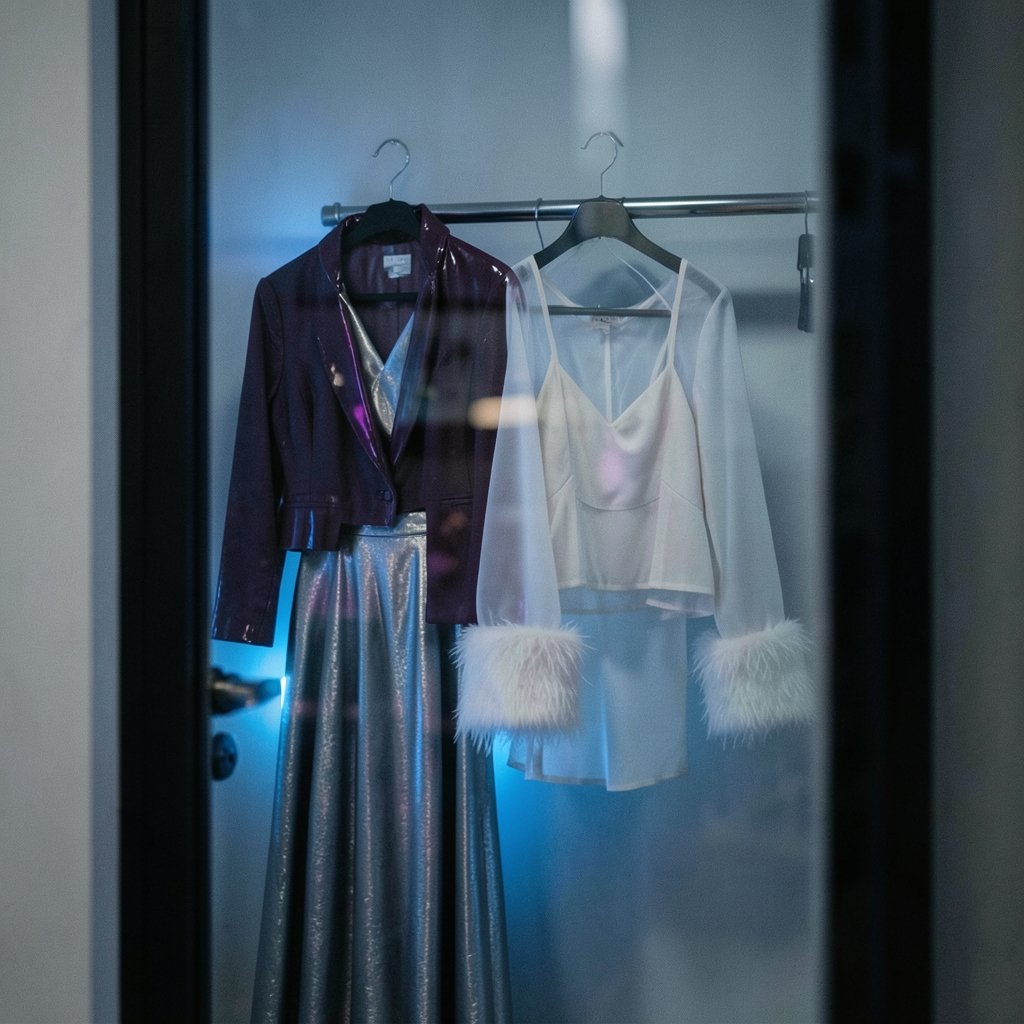
Something real happened on the runways. Turkish Marie Claire notes that after several seasons of quiet luxury, clean silhouettes, and the effort to look effortlessly perfect, fashion is rediscovering color, volume, and display. Strong shoulders, vivid colors, sheer fabrics, feathers, and metallic textures are back.
But do not read that as the death of understatement. Italian coverage of the spring/summer 2027 shows describes quiet luxury entering a phase of transition and redefinition: still a measured sartorial pillar, but with a new character. A Chinese trend report from the NellyRodi forecasting studio frames the moment as a precise aesthetic turn rather than a revolution, where color stops shouting and value detaches from flashy symbols.
| Era | Dominant signal | What it looked like |
|---|---|---|
| Logo maximalism (pre-2023) | Brand recognition | Monograms, visible labels, statement sneakers |
| Peak quiet luxury (2023-2025) | Fabric and fit | Beige cashmere, clean blazers, no branding |
| 2027 quiet luxury | Judgment and craft | Restraint plus one deliberate, personal detail |
The practical takeaway for anyone building a wardrobe: the baseline has not moved, but the ceiling has. Fabric quality and fit remain the entry ticket. What separates the truly wealthy look from the merely expensive one is now a matter of editing and intent.
The Understated Pieces That Signal True Wealth in 2027
A Single Hidden Jewelry Piece
One of the most striking developments for spring/summer 2027 is jewelry worn under clothing. Polish Vogue reports that a necklace hidden beneath a garment has become a new symbol of discreet luxury, with The Row pointing to the styling trick as a season highlight, echoed by figures such as Jennifer Lawrence and Zoë Kravitz. The logic is powerful: the piece is not there to be seen by strangers. It is there for the wearer. That is about as pure a wealth signal as exists.
The Perfectly Cut Blazer, Softened
The tailored jacket remains central, but the 2027 version is less rigid. Dior softened its usually structured tailoring, replacing hard lines with tulle and three-dimensional petals, light without looking weak. For everyday wardrobes, the lesson is a blazer that follows the body rather than armoring it.
One Considered Decorative Element
Decoration returned to the runways, with sequins, fringe, beadwork, and feathers appearing far more often. Yet this is not the old logo-everywhere maximalism. Chinese fashion industry coverage describes the new mood as orderly abundance: a clean base silhouette, ornament concentrated in a few places, and the rest left as breathing room. One embellished cuff or a single textured bag reads as confidence. Five read as noise.
Upgraded Knitwear and Ergonomics
The NellyRodi forecast points to ergonomic cutting and soothing technical fabrics paired with misty, muted neutrals, aimed at urban wardrobes that value durability over short-lived trends. A cashmere crewneck in exactly the right shade still works. What changed is the expectation that it should feel engineered as well as soft.
Footwear and Accessories That Disappear
The quietest pieces do the heaviest lifting. Unbranded leather, a well-shaped sole, a bag with no hardware screaming for attention. These are the items where a common mistake shows up: people buy the cheapest version of a quiet item and wonder why it reads flat. Quiet luxury is unforgiving that way, because with no logo to distract the eye, construction is all that is left to judge.
Why the Signals Changed: The Psychology Behind the Shift
The shift is not arbitrary. Chinese trend analysis explains that quiet luxury’s core logic was subtraction: remove decoration, remove color, remove emotion, and arrive at a universally acceptable ideal self. It was efficient and safe, but the cost was flattening oneself to fit a template. Post-pandemic life looks more complex, and people hold multiple identities at once. The question moved from does this look expensive to does this look like me right now.
French design commentary makes a parallel argument for visual culture broadly: after years of saturated imagery and screaming typography, an aesthetic of restraint is taking hold as an act of resistance against digital noise. Silence itself has become a luxury.
That context explains why the 2027 version of understatement feels warmer. It is still quiet, but it is chosen rather than prescribed. This is also where the distinction between luxury vs wealth becomes useful: luxury is what you buy, while wealth is the ease with which you wear it.
How to Build the Look Without Getting It Wrong
Practical experience suggests most people fail at quiet luxury in predictable ways. Here is what actually works.
- Audit fabric before price. Hold a garment up to light. Check the seam allowance and whether the lining pulls. If the material feels thin or scratchy, no amount of styling rescues it.
- Fix fit first. A moderately priced jacket tailored to your shoulders beats an expensive one that hangs wrong. Sleeve length and waist suppression are cheap alterations with outsized returns.
- Choose a narrow neutral palette, then add one accent. Muted beige, grey, navy, and off-white form the base. The 2027 accent can be a jewel tone or a metallic texture, used once.
- Buy fewer, better, and repeat. The most convincing wardrobes look like uniforms with variation, not seasonal reinvention.
- Let one detail carry the outfit. A hidden necklace, a textured cuff, a single sculptural ring. This is where the quiet luxury brands earn their reputation, in the details you only notice up close.
Common mistakes to avoid: matching every piece to a single beige tone until the outfit looks like a catalog page; wearing oversized everything in the name of relaxation; and treating “no logo” as a substitute for quality. Quiet luxury without craft is just plain clothing.
Quiet Luxury Beyond the Wardrobe
The same logic is spreading into interiors and design. A home built on quiet luxury favors material honesty, restrained palettes, and pieces chosen for how they age rather than how they photograph. If you are furnishing a space in this spirit, the principles from luxury home decor: designer pieces for every room translate directly: fewer objects, better materials, and a deliberate point of view.
The wider 2026 iteration of the trend, explored in this look at quiet luxury 2026, already pointed toward this blend of restraint and personality. What 2027 adds is permission to be specific rather than generic.
Where Quiet Luxury Goes Next
Two forces are pulling in opposite directions. On one side, maximalism has genuinely returned to the runways, with volume, saturated color, and ornament back in force. On the other, the underlying appetite for discretion has not faded, because it is rooted in something deeper than fashion cycles: a preference for substance over signaling.
The likely outcome is not a winner-takes-all contest but a split wardrobe. Loud pieces for expression, quiet pieces for identity. The people who look genuinely wealthy in 2027 will be the ones who know which occasion calls for which, and who refuse to let either side compromise on quality.
For those tracking the broader direction of travel, the 8 luxury yacht trends that will dominate 2027 show the same pattern in another category: understated materials, experiential value, and design that rewards close inspection over spectacle. Even the 8 new superyacht concepts redefining luxury 2027 lean toward restraint as the ultimate flex.
Conclusion
Quiet luxury in 2027 is less a dress code and more a test of judgment. The pieces that signal true wealth are the ones that reward a second look: a hidden necklace, a blazer that moves with you, a knit that feels engineered, a single ornament placed with intent. The runways have loosened the rules, which makes the style harder to fake and more interesting to wear. Get the fabric and fit right, keep the palette disciplined, and let one detail speak. The rest is silence, and silence, as the designers have figured out, is the most expensive thing you can wear.
Frequently Asked Questions
What is quiet luxury in simple terms?
Quiet luxury, also known as stealth wealth, is a style built on high-quality materials, excellent craftsmanship, and timeless design instead of visible logos or flashy branding. The look signals wealth through fabric, fit, and finishing rather than through recognizable labels.
Is quiet luxury still relevant in 2027?
Yes, but in a changed form. Runway coverage of the spring/summer 2027 shows describes the aesthetic entering a phase of transition and redefinition, remaining a measured sartorial pillar while gaining new character. The uniform has loosened, but the underlying logic of restraint and quality holds.
What pieces best signal understated wealth right now?
A well-cut softened blazer, upgraded knitwear in muted neutrals, unbranded leather accessories, and a single hidden jewelry piece. Hidden necklaces in particular emerged as a symbol of discreet luxury for spring/summer 2027, worn beneath clothing rather than displayed.
Why did quiet luxury become so popular?
Its core logic was subtraction: removing decoration, color, and overt signaling to arrive at a safe, universally acceptable version of elegance. That efficiency made it widely adopted, though the trend has since evolved because people wanted room for more personal expression.
Is maximalism replacing quiet luxury?
Not exactly. Maximalism has returned to the runways with volume, color, and ornament, but quiet luxury has not exited the stage. Many wardrobes now split between expressive statement pieces and disciplined, high-quality basics, with the occasion deciding which leads.
How can I tell if a quiet luxury piece is actually good quality?
Check the fabric first: hold it to the light and feel for density and softness. Inspect seams, lining, and whether the garment holds its shape. Then confirm the fit, since tailoring is cheaper than replacing a poorly cut piece. With no logo to distract, construction is the only thing left to judge.











