

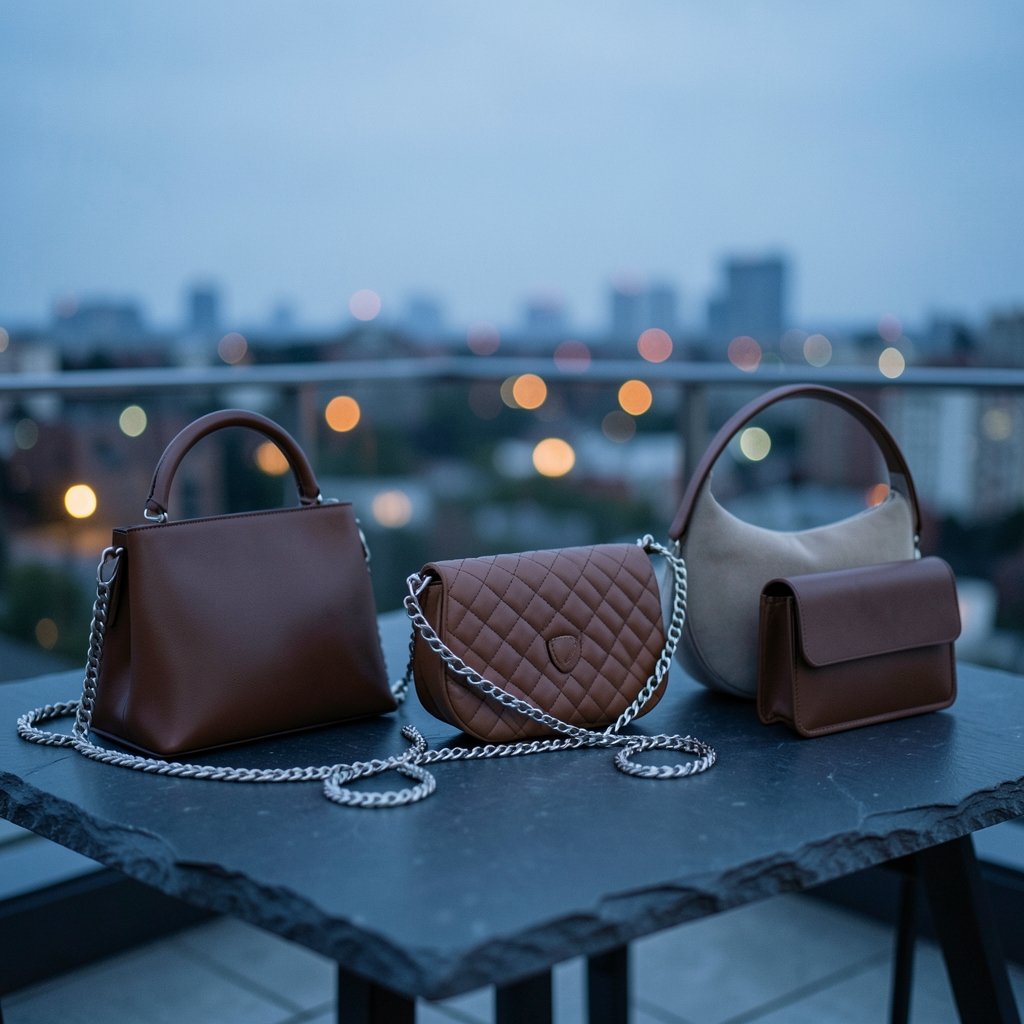
What if the smartest first designer bag you ever buy is one you can carry every day for a decade, not the one with the loudest logo? That’s the question worth asking before spending four figures. First-time buyers face a strange market: prices climb, “starter” bags no longer start cheap, and every influencer swears by a different silhouette. The good news is that a shortlist still exists. Below are twelve bags that each do one job exceptionally well, plus the honest trade-offs nobody mentions at the boutique.
Quick Comparison: The 12 Picks at a Glance
| Bag | Best for | What it does well | Main limitation | Stated price |
|---|---|---|---|---|
| Fendi Baguette | Style with versatility | Under-arm or crossbody wear | Small capacity | $500–$1,500 vintage |
| Chanel Quilted Lambskin Mini Flap | Pre-owned luxury | Iconic quilting and monogram | Resale market only online | Not stated |
| Loewe Puzzle Fold Tote | Commuting | Fits a laptop plus essentials | Delicate leather | Not stated |
| Celine Ava | Entry-level polish | Compact shoulder shape | Limited resale data | Around $1,000 |
| Gucci starter styles | Brand lovers | Accessible entry points | Fewer timeless options | Not stated |
| Tory Burch Britten | Budget-first | Shoulder carry | Less investment value | Not stated |
| Loewe Squeeze Tote | Errand days | Roomy, editor favorite | Pricey for casual use | Not stated |
| Loewe Puzzle | Structure fans | Sculptural, recognizable | Fussy geometry | Not stated |
| Loewe wicker tote | Warm-weather wear | Summer texture | Seasonal use | Not stated |
| Chanel classic flap (retail) | Paris shoppers | In-store availability | Online resale only | Not stated |
| Fendi FF-motif Baguette | Texture lovers | Embossed finish, detachable strap | Trend risk | Not stated |
| Discontinued house styles | Deal hunters | Lower entry cost | Harder to authenticate | Varies |
1. Fendi Baguette: The All-Rounder That Earns Its Hype
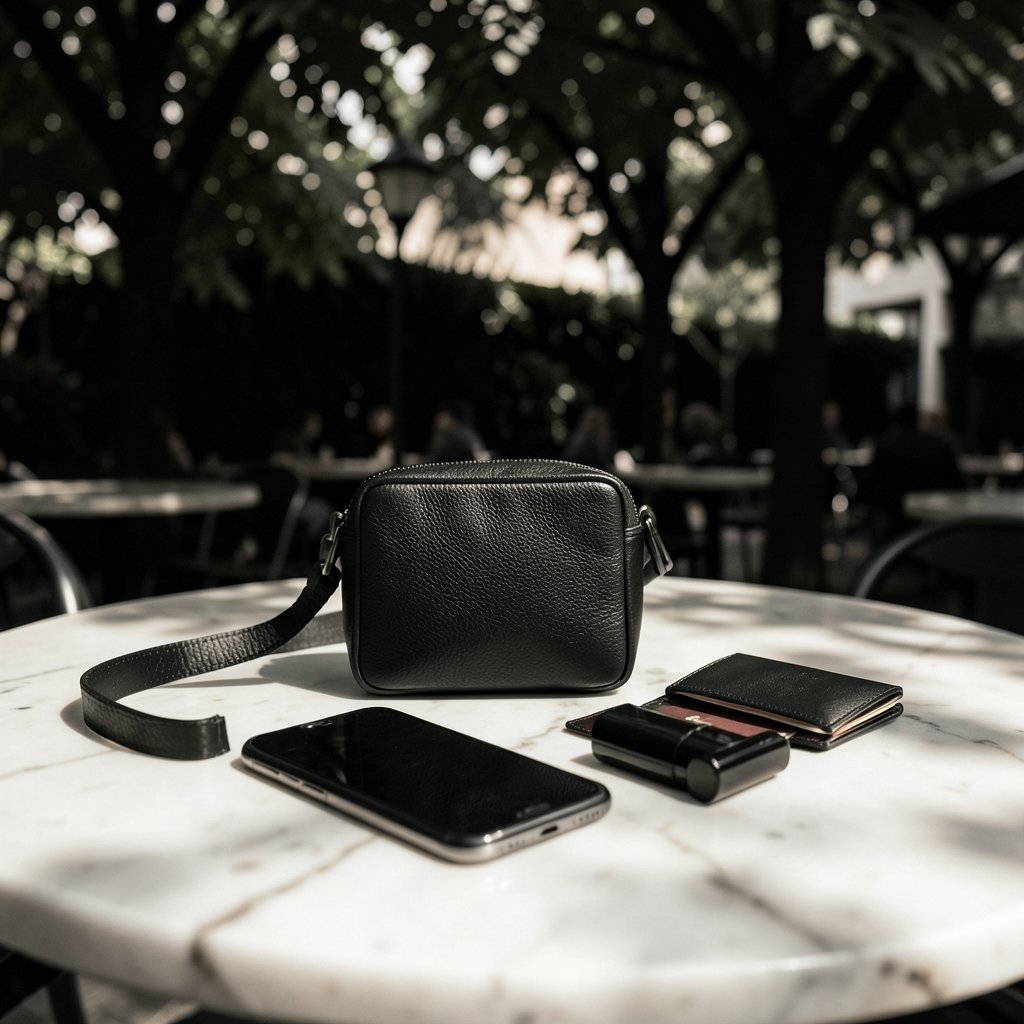
The Baguette needs no introduction, and that familiarity is exactly why it works as a first bag. It can be worn under the arm or slung over the shoulder thanks to a detachable crossbody strap, so one purchase covers dinner, errands, and travel. Embossed FF versions add texture without shouting.
The limitation is size. It holds a phone, cardholder, and lipstick, not a water bottle. Vintage examples trade from $500 to $1,500 depending on condition, which makes it one of the few icons reachable on a mid-range budget. Buyers who want a single bag for every occasion should look at a tote instead; anyone building a wardrobe around one statement piece will get years out of it. If you’re still learning how to judge quality before a big purchase, the same instincts that go into choosing a first car that makes learning easy apply here: reliability beats flash.
2. Chanel Quilted Lambskin Mini Flap: The Pre-Owned Icon
Chanel is the rare house you can only buy online through the resale market, which makes it the best handbag to buy in person in Paris or at any retail location. An authenticated pre-owned pick carries all the touchstones: quilted leather, a woven strap, and a gleaming gold monogram.
The catch is twofold. Lambskin shows scratches, and online authentication requires care. First-timers should insist on detailed photos, ask about corners and strap wear, and budget for a professional cleaning. This is a bag for someone who wants the classic look and accepts that it will patina. It is not a bag for someone who wants to toss it in a locker.
3. Loewe Puzzle Fold Tote: The Commuter’s Best Friend
Rachel Fletcher, commerce director at Architectural Digest, called the Puzzle Fold tote “gorgeous and just the right size for a commuting bag — it fits a laptop and your basic essentials without feeling cramped.” She also flagged that it is “pretty delicate considering the price tag, and blemishes show pretty easily on the leather.”
That’s the honest trade-off. It solves the workday problem beautifully and demands gentle handling. Buyers who commute by car or train and keep their bag on a desk will love it. Buyers who bike through rain should not.
4. Celine Ava: The Quiet Entry Into Luxury
The Ava sits around $1,000 and delivers a compact shoulder shape that reads polished without a giant logo. For a first purchase, that restraint is an asset: it pairs with everything and ages visually well.
The limitation is resale data. Fewer comparable sales make it harder to predict what the bag will be worth in five years. Treat it as a keeper, not an asset.
5. Gucci Starter Styles: The Brand-First Pick
Gucci has kept a foothold in the accessible range, and its starter bags are not “just a consolation prize,” as one PurseBlog editor put it. The brand’s breadth means a first-time buyer can find a shape that matches their life rather than their feed.
The risk is choice paralysis and trend exposure. Gucci rotates heavily, so pick a leather, logo-light style if longevity matters.
6. Tory Burch Britten: The Sensible Shoulder Bag
The Britten is a shoulder bag that does the basics: it holds daily essentials, wears comfortably, and doesn’t demand a security guard. For a first luxury purchase, that practicality is worth more than a monogram.
Its limitation is investment value. Resale on mid-tier designer bags is soft, so buy it because you’ll carry it, not because you’ll flip it.
7. Loewe Squeeze Tote: The Editor Favorite
Editors and celebrities love the Squeeze Tote for good reason: it’s roomy, soft, and easy to live with. It handles errands, gym runs, and weekend travel without fuss.
The downside is price relative to function. If you need one bag that does everything, a tote this casual may feel overdressed for evening plans. Consider it a second bag rather than a first.
8. Loewe Puzzle: The Sculptural Statement
The Puzzle is a bestseller for its geometry. It folds, shifts shape, and looks like nothing else on the shelf, which makes it a joy for buyers who want design credibility.
That same structure is the limitation: it takes a moment to open, and the panels require care. If you want a bag you can dig through one-handed on a bus, this isn’t it.
9. Loewe Wicker Tote: The Summer Specialist
Loewe’s wicker totes are bestsellers for warm-weather dressing. They add texture to linen and white denim and photograph beautifully.
Realistically, this is a seasonal bag. It won’t survive winter slush, and it won’t hold a laptop. Buy it as a third or fourth piece, not a first.
10. Chanel Classic Flap at Retail: The Travel Buy
Because Chanel is resale-only online, buying at a boutique abroad becomes part of the appeal. The classic flap is the house’s most recognizable silhouette, and in-store purchase means full authentication and after-sales support.
The limitation is logistics: availability varies by location, and prices differ by market. Check the official boutique for current stock rather than relying on older guides.
11. Fendi FF-Motif Baguette: The Texture Play
This version of the Baguette adds an embossed FF motif that breaks up the surface and adds grip. The FF clasp still carries that familiar pull, and the detachable crossbody strap makes it wearable two ways.
The limitation is trend sensitivity. Heavy logos cycle in and out. If you love it, wear it hard; if you’re hedging, choose a solid leather version.
12. Discontinued House Styles: The Smart-Money Wildcard
The best starter bag at every major house is often a discontinued or pre-owned style. A vintage Fendi Baguette at $500 to $1,500 and a Celine Ava around $1,000 prove that entry into luxury doesn’t require retail pricing.
The limitation is authentication and condition. Always ask for interior shots, date codes, and hardware close-ups, and use a paid authentication service on anything above your comfort threshold. The same research discipline pays off in other buying guides, whether you’re comparing designer handbags or weighing value in a vodka buyer’s guide focused on flavor, proof, and value. Good buying habits transfer.
How to Choose Your First Designer Bag
Start with the bag you will actually carry, then work backward. Eight criteria matter more than brand name:
- Budget first. Set a realistic range before you browse, because designer pricing swings widely by house and size.
- Purpose. Decide between an everyday bag, a special occasion piece, or one versatile bag for both.
- Size and capacity. Map it to your daily essentials, from a roomy tote to a compact crossbody.
- Color. Start with black, brown, or neutrals; they are the most versatile and hide wear.
- Resale value. Check what similar styles sell for on resale sites before you commit.
- Material. Smooth lambskin shows scratches; grained leather and coated canvas survive real life.
- Hardware and straps. Detachable straps double your styling options.
- Authentication. Buy from reputable sellers and verify serials and date codes.
Fashion stylist Bailey Moon told Harper’s Bazaar he prefers “the functionality of a tote bag” and doesn’t like big logos or branding, a reminder that utility often outlasts hype.
Conclusion
The best first designer bag isn’t the most expensive one; it’s the one that matches your actual days. If you commute, the Puzzle Fold tote earns its keep. If you want an icon on a mid-range budget, a vintage Baguette is hard to beat. If you want quiet polish, the Celine Ava delivers. Pick for the life you live, verify the seller, and buy the bag you’ll still reach for in five years. For more buying frameworks, from time-management apps that actually work daily to designer gift bags, the pattern is the same: research first, then commit.
FAQ
What is the best first designer bag for everyday use?
A tote or roomy shoulder bag works best for daily wear. The Loewe Puzzle Fold tote fits a laptop and essentials, while the Fendi Baguette suits lighter days. Match capacity to what you actually carry.
How much should a first-time buyer spend on a designer bag?
There is no fixed rule, but a realistic range helps. Vintage icons can start around $500, while compact styles like the Celine Ava sit near $1,000. Set your ceiling before browsing so trends don’t stretch your budget.
Is it safe to buy a designer bag pre-owned?
Yes, with precautions. Ask for interior, corner, and hardware photos, confirm date codes, and use a paid authentication service. Chanel, for example, is only available online through resale, so verification matters more.
Which designer bag holds its value best?
Classic quilted styles and recognizable icons tend to hold value better than trend-driven pieces. Check completed sales on resale sites for your specific style and condition before assuming a bag is an investment.
Should a first designer bag be black or a bright color?
Neutrals are the safer first choice. Black, brown, and tan hide wear and pair with more outfits. Save bold colors and seasonal materials, like wicker, for a second or third purchase.
How do I spot a fake designer bag?
Check stitching consistency, hardware weight and engraving, lining material, and serial or date codes. Compare against authenticated photos, and when in doubt, pay for professional authentication before money changes hands.
One final rule ties the list together: buy for the life you have, not the life you aspire to. A bag that sits in its dust cover has failed at its only job. Before you commit, revisit the seller’s return policy, confirm the strap length against your own frame, and set a calendar reminder to condition the leather twice a year. Those small habits keep a first purchase looking new for a decade. Start with one bag, carry it daily, and let experience—not advertising—guide the second.











