

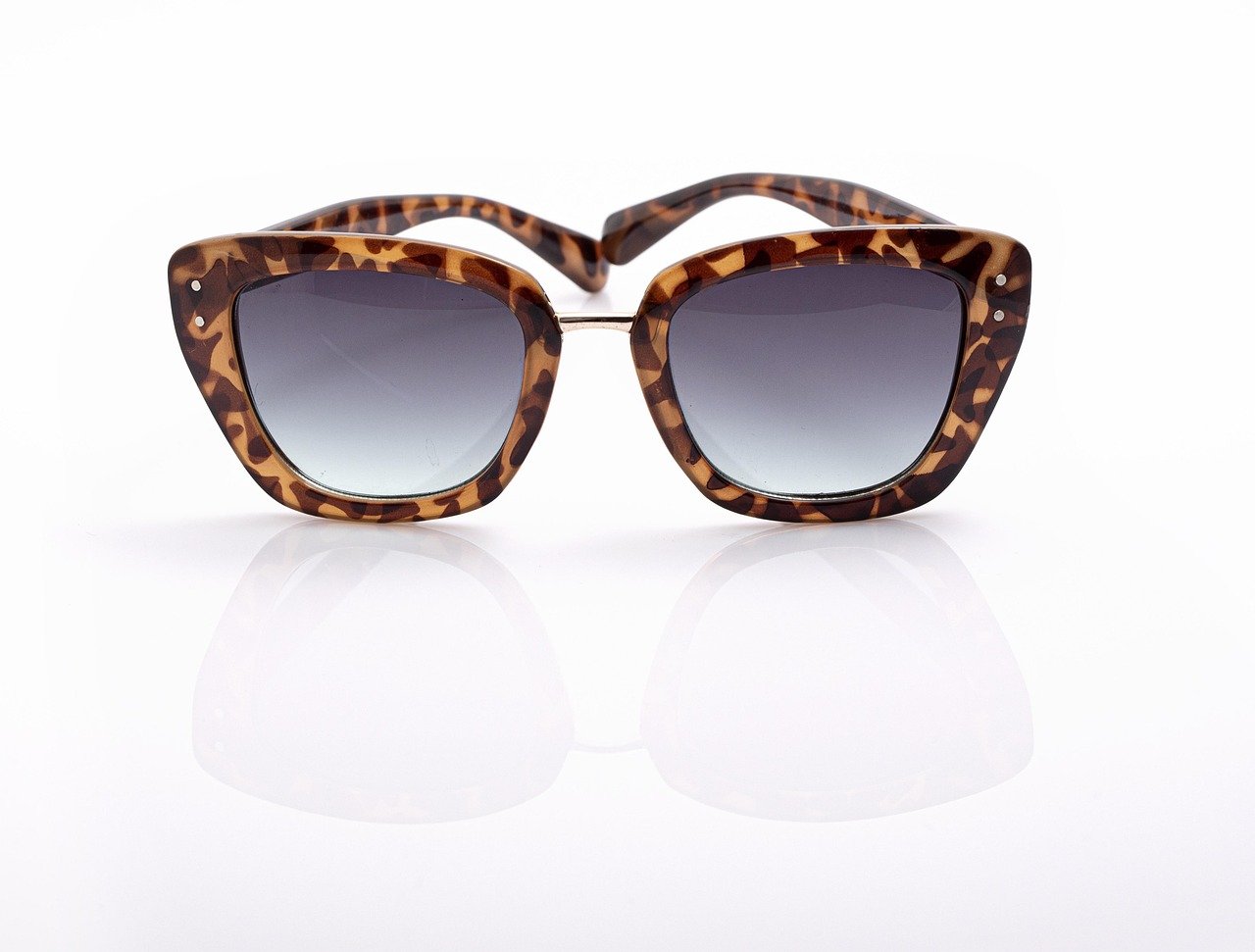

What if the most expensive frames on the shelf were also the least flattering ones for your face? That happens more often than anyone in the optical business likes to admit. Price tells you about materials, finishing, and brand heritage. It says nothing about whether a frame works with your cheekbones, your prescription, or the shape of your nose bridge.
The 2027 collections make this tension sharper than ever. Designers are pushing sculpted volumes, expressive color, and architectural shapes, while wearers still need something that fits a real face. This guide walks through the shapes that matter, the faces they suit, and the practical details that decide whether a luxury frame becomes a daily staple or an expensive drawer ornament.
Why 2027 Eyewear Feels Different From Past Seasons
The change is more than visual. According to trend analysis presented at MIDO and built on the SS27 forecast from LIVETREND, eyewear in 2027 responds less to fashion cycles and more to emotional needs. With rapid AI development and cultural fragmentation, frames are positioned as tools for protection, repair, and reconnection rather than pure decoration.
That shows up in the product. Premium collections lean toward softly sculpted volumes, precise color gradients, and constructions where details are meant to be seen. Fine frames, natural surfaces, and discreetly integrated technology keep gaining ground. The overall message from the season: a frame should have its own identity and last longer than a single look.
For buyers, this is good news. It means the strongest 2027 pieces are designed to be worn hard, not rotated out every six months.
Know the 2027 Shape Map Before You Shop
The single most useful thing a shopper can do is learn the shape families and what each one does to a face. The current direction includes rectangles, ovals, cat-eyes, aviators and navigators, oversized forms, shields and wraps, plus enduring round and curved shapes.
| Shape family | Main visual effect | What to watch |
|---|---|---|
| Aviator / navigator | Blends vertical softness with horizontal structure | Lens depth and bridge design vary widely |
| Rectangle / square | Adds angles and horizontal lines | Width relative to cheekbones |
| Cat-eye | Lifts the outer face | Temple thickness at the corner |
| Oval / soft round | Softens and balances | Lens height for progressives |
| Oversized | Makes a statement, covers more | Weight and nose pad comfort |
| Shield / wrap | Sporty, continuous coverage | Fit around the brow line |
Aviators deserve a note of their own. They remain relevant in 2027, but the proportions have moved. Flatter upper lines, squarer lenses, navigator geometry, different materials, and altered lens depth make the familiar pilot idea feel noticeably new. If you tried aviators years ago and hated them, the current versions are worth a second look.
Matching Frames to Face Shape Without Guesswork
The most flattering proportions involve frames that are wider than the broadest part of the face, typically extending slightly beyond the cheekbones. That single rule does more work than any list of “best shapes for your face.”
For round faces, rectangular and square frames dominate 2027 trends precisely because they provide the angular contrast round faces need most. They create visual length with horizontal lines, while sharp corners add definition that balances softer curves. Angular cat-eyes also work well, since upswept corners lift the face visually. Geometric hexagonal frames, another trend this season, break up roundness with multiple angles.
The measurement that matters most is frame width. Choose frames that reach to or slightly beyond your cheekbones, typically 2 to 4mm wider than your face at its broadest point. Most people never measure this, then wonder why a beautiful frame looks off. Ask an optician for your frame width number and keep it in your phone.
If you want a broader view of how frame styling fits into a wider wardrobe reset, the idea that fashion eyewear frames became the fastest way to change your look holds up well in practice. A single frame swap alters a silhouette faster than a haircut.
The Materials and Finishes Defining Luxury in 2027
Luxury in eyewear now reads through surface and construction rather than logos. Color plays a leading role, shaping the frame itself rather than trimming it. Face à Face is cited among the brands pushing chromatic statements, alongside Paloceras, Theo, Rolf, and Even Realities in a premium landscape built on distinct identity and carefully chosen materials.
A few practical notes on what to look for:
- Acetate still delivers the richest color depth and hides thick lens edges well. It is heavier, so balance matters.
- Titanium and fine metal suit minimalist looks and progressive lenses when the lens height allows. They are light but less forgiving of a poor fit.
- Combination frames pair an acetate front with metal bridge and temples, which often gives the best of both.
- Transparent and milky acetate look fresh but make lens thickness and frame bulk more visible.
Navy is being positioned as the new timeless black this season, appearing across Saint Laurent, Ray-Ban, Maui Jim, and Chloé, as well as designers like Morel, ProDesign, Blackfin, Silhouette, KOMONO, and KALEOS. It is a smart choice for anyone building a long-term wardrobe: softer than black against most skin tones, formal enough for work.
What Your Prescription Does to a Frame’s Looks
This is the part most style guides skip, and it is where luxury purchases go wrong. The same shape behaves differently with thin single-vision lenses, high-index lenses, and progressives.
| Frame type | Material | Lens compatibility |
|---|---|---|
| Oval, round, soft rectangle | Metal, acetate | Single vision; progressives if height allows |
| Large geometric shapes | Thick acetate, combinations | Single vision; size needs careful selection for high myopia |
| Thin metal frame | Titanium, metal | Single vision and progressives with adequate lens height |
| Half-rim | Metal, combinations | Single vision; progressives after checking fitting height |
| Rimless | Titanium, metal | Light single vision; prescription compatibility checked individually |
| Clear or milky acetate | Acetate, polyamide | Single vision; size and rim thickness are visually amplified |
Two rules save money. First, strong minus prescriptions need a rim to hide edge thickness, so a full acetate rim around a lifted cat-eye corner works better than a thin metal one, because the outer corner sits farthest from the optical center and is where the lens is thickest. Second, progressives generally need a lens height of roughly 28 to 30mm or more, and deeper is more comfortable for the reading zone.
A concrete example from the current market: the Elodie frame measures 53-18-143 with a 42mm lens height and 139mm total width, pairing an acetate front with a metal bridge and temples. Those numbers, not the brand name, tell you whether it will suit you.
Fit Details That Separate a Great Frame From a Regret
Temple length is the most overlooked spec in luxury eyewear. If standard frames pinch behind your ears, look for longer temples. In the Zimmermann Resort 2027 lineup, the Goldie Oval runs 145mm, the longest of the six styles in that drop, which helps exactly this problem. The Ellis family takes a different route: lightweight metal, gradient lenses, column-shaped temples, and foil logo detailing at the temple tip, with the Ellis Cateye using a 58mm lens and 16mm bridge.
A short checklist before you commit:
- Check the frame sits level on your face without pressing the sides of your head.
- Look down and up. The frame should not slide or lift.
- Confirm the bridge rests on your nose, not your cheeks.
- Test the temples behind your ears for pressure after two minutes.
- Ask for the lens height in millimeters if you wear progressives.
Common mistakes repeat across almost every purchase: buying for the mirror rather than for the prescription, choosing a frame 6mm too narrow because it looked elegant on the shelf, and skipping the adjustment appointment after collection. That last one is free and fixes most comfort complaints.
Where Luxury Eyewear Is Heading Beyond 2027
Two forces are shaping the next phase. The first is discreet technology. Subtly integrated tech is becoming a real design consideration rather than a novelty, and brands like Even Realities sit in the premium conversation alongside traditional houses.
The second is longevity. The season’s framing language, from softly sculpted volumes to visible construction details, rewards frames that age well rather than chase a single moment. That logic mirrors what is happening in adjacent luxury categories, where buyers increasingly want fewer, better objects. The same instinct shows up in how luxury yacht trends that will dominate 2027 favor lasting design over seasonal novelty, and in the way 8 new superyacht concepts redefining luxury 2027 treat materials as the headline.
For eyewear, the practical translation is simple: buy the frame whose color and construction you would still choose in five years, then spend the saved energy on getting the fit right.
How to Build a Small, Flattering Eyewear Wardrobe
Three frames cover almost every situation. Start with a neutral daily pair in navy, tortoise, or a deep solid that matches your wardrobe’s dominant tones. Add one angular shape, a rectangle or geometric, for contrast and for days when you want definition. Finish with a soft oval or round in fine metal for evenings and low-effort days.
If you enjoy following seasonal shifts, the broader eyeglass fashion trends coverage is a useful reference point for what is coming, and the Italian luxury fashion angle explains why so much premium frame design still originates from a handful of Italian workshops.
One more practical tip: photograph yourself in each candidate frame from the front and in profile, in daylight. The camera catches width and proportion errors that a mirror flatters away. Opticians see this constantly, and the customers who take the photo almost always choose a better-fitting frame.
Conclusion
The 2027 luxury eyewear market rewards a specific kind of buyer: someone who knows their frame width, understands what their prescription does to a shape, and treats color and material as long-term decisions rather than seasonal ones. The season’s best ideas, from flatter aviators and geometric hexagons to sculpted volumes and navy as the new neutral, all work beautifully when the fit is right and badly when it is not. Learn the shape map, measure once, and let the frame earn its price over years rather than weeks.
FAQ
What frame shapes are in style for 2027?
The current direction includes rectangles, ovals, cat-eyes, aviators and navigators, oversized forms, shields and wraps, plus enduring round and curved shapes. Aviators remain relevant but with flatter upper lines, squarer lenses, and different lens depth than older versions.
How do I know if a frame is wide enough for my face?
The frame should be wider than the broadest part of your face, extending slightly beyond your cheekbones, typically 2 to 4mm wider at the widest point. Ask an optician for the frame width in millimeters and compare it to your measurement.
Can I wear progressive lenses in a cat-eye frame?
Often yes, but lens height decides it. Progressives generally need roughly 28 to 30mm of lens height or more, and deeper is more comfortable for the reading zone. Check the fitting height before committing to a sculpted shape.
Do thin metal frames work with strong prescriptions?
They can, but compatibility should be checked individually. Thin metal and rimless frames suit light single vision lenses best. Strong minus prescriptions usually look better in a full rim that hides edge thickness.
What is the new neutral color for eyewear in 2027?
Navy is being presented as the new timeless black, appearing across several major houses and independent designers. It reads softer than black against most skin tones while staying formal enough for work.
How many frames does a practical eyewear wardrobe need?
Three covers most situations: a neutral daily pair, one angular shape for contrast, and a soft oval or round in fine metal for evenings. That set handles work, casual days, and formal occasions without overlap.











