

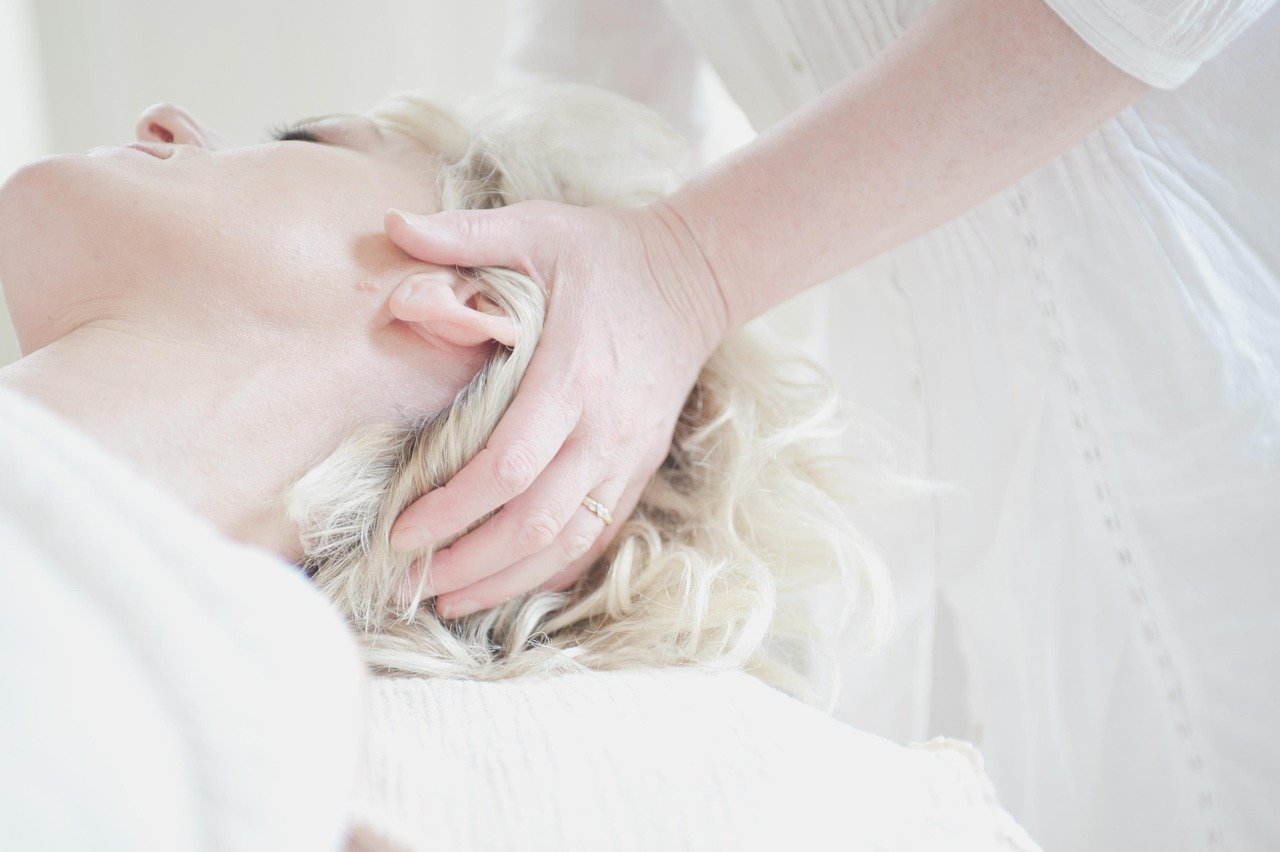

What if the secret to better hair has been sitting on top of your head all along? For years, the hair industry obsessed over the strands themselves, selling shine sprays, split-end serums, and smoothing masks. But the conversation is shifting upward, to the skin those strands grow out of. In 2027, scalp care is no longer a niche add-on for people worried about thinning hair. It has become the center of the entire hair-health conversation, borrowing the language of skincare and the tools of dermatology. (Telogen hair loss your scalp sheds more than usual)
That shift has a name in the industry: skinnification. It means treating the scalp less like a surface to wash and more like skin that needs a barrier, a balanced microbiome, and long-term attention. This article breaks down the treatments and technologies driving that change, what the evidence actually supports, and how to build a routine that works in real life.
Why the Scalp Became the Star of Hair Care
Hair care is growing, and scalp care is leading the charge. Beauty market forecasts cited in industry reporting point to strong growth in hair care through 2029, with a heavy focus on scalp health, follicle strength, and overall vitality. The message from manufacturers, brands, and suppliers is consistent: healthy hair starts with a healthy scalp environment. (Makes best dry shampoo your hair scalp)
The data backs up the shift in consumer behavior. According to an analysis of global commerce channels reported in Korean trade press, the number of scalp products emphasizing the skin barrier on Amazon US grew from 31 to 49 year over year, a 58.1% increase. That is a small number in absolute terms, but the direction is unmistakable. Shoppers are reading labels the way they read face-cream labels, looking for barrier support, hydration, and gentle actives.
Meanwhile, patent activity tells an even bigger story. According to Derwent Patent Search and Mintel data published in February 2026, global published patents related to damage repair grew from 167 in 2016 to 512 in 2025, more than tripling. A large share of that activity targets the hair fiber itself, but a growing slice targets the follicle and the scalp around it.
Bond Repair: Fixing Hair From the Inside Out
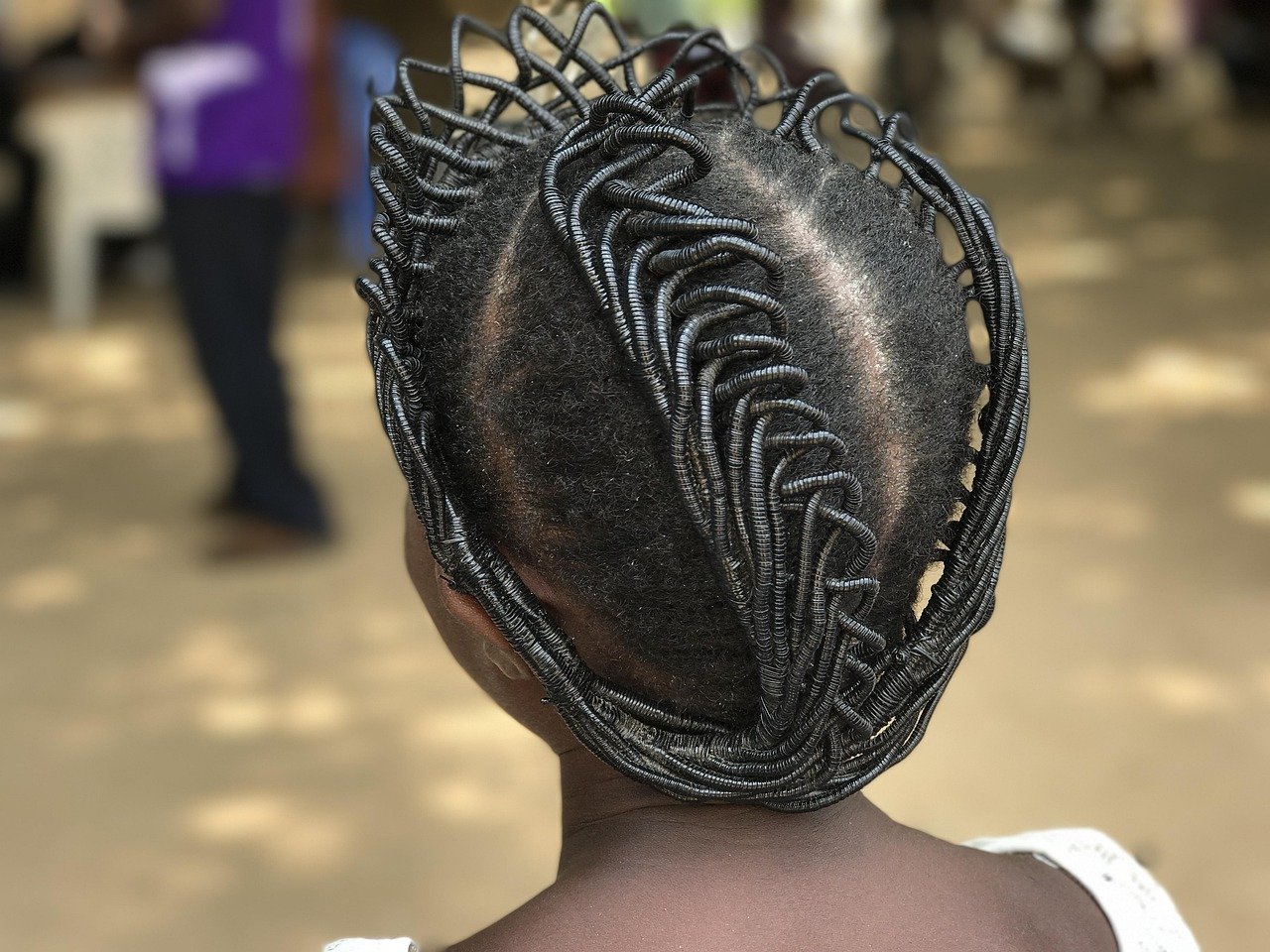
For years, damaged-hair products worked like a coat of paint. They smoothed the surface temporarily, and the effect washed out with the next shampoo. Bond repair changed that logic by targeting the internal structure of the hair fiber, the bonds that hold it together and the strength it loses after coloring, bleaching, perming, and heat styling.
The concept has moved from salon-only treatments into drugstore and online shelves. Cosmetic manufacturers now build entire routines around it, moving from shampoo to conditioner to leave-on serum. For anyone who colors or heat-styles regularly, it is worth understanding the difference between surface coating and structural care, because the two produce very different long-term results. A closer look at how Korean hair treatments for damaged hair actually work shows why bond-focused formulas have earned their following.
Here is the practical distinction:
| Approach | What it does | How long it lasts |
|---|---|---|
| Surface coating | Smooths cuticle, adds temporary shine | Until the next wash |
| Bond repair | Targets internal fiber structure and strength | Builds with repeated use |
| Scalp-focused care | Supports the follicle and skin environment | Requires consistent routine |
The takeaway is not that coating products are useless. They have a place for special occasions. But if your goal is genuinely healthier hair over months, the internal-structure approach is where the science and the market are heading.
Scalp Longevity: The Idea Reshaping Routines
Scalp longevity is the phrase you will hear most often in 2027. It reframes scalp care from a problem-solving exercise, something you do when flakes or shedding appear, into a long-term maintenance habit, something you do the way you moisturize your face.
Industry trend reports identify scalp longevity as one of the core pillars of the year’s hair-care direction, alongside post-salon recovery care, bio-derm fiber care, and hydra-gloss wellness. The logic is simple: the scalp ages, its barrier weakens, its microbiome shifts, and its oil-water balance drifts. Managing those changes early is easier than reversing them later.
This is where the skincare vocabulary really takes over. Products now talk about barrier function, microbiome balance, and hydration rather than just “anti-dandruff” or “oil control.” Tonic, serum, ampoule, and scaler formats have multiplied, each targeting a narrower concern than the all-purpose shampoos of the past.
The Microbiome Angle
One of the most active research areas involves the scalp’s community of microorganisms. Patent analysis shows major ingredient suppliers building large portfolios around botanical and fermented extracts designed to modulate specific scalp microorganisms rather than simply wiping out bacteria broadly. The shift is from antimicrobial blunt instruments to targeted biological approaches.
For readers, the practical implication is that harsh, stripping shampoos may work against long-term scalp health. Gentle cleansing that preserves the barrier tends to serve most people better than aggressive clarification done too often. If you are choosing between formulas, understanding what actually makes the best shampoo for your hair and scalp is a more useful exercise than chasing the strongest-sounding claims.
Bio-Derm Ingredients Move Into Hair Care
The most visible change on ingredient lists is the arrival of dermatology and biotechnology actives. PDRN, exosomes, peptides, and liposomal delivery systems, once confined to facial serums and clinic treatments, now appear in hair masks, tonics, and scalp ampoules.
Caffeine and peptide combinations are common in scalp tonics aimed at follicle support. AHA-based scaling shampoos target buildup. Liposomal encapsulation is used to help actives penetrate rather than sit on the surface. Whether every one of these delivers on its promise varies enormously by formulation, concentration, and how faithfully you use it.
A useful reality check: a well-formulated product with a modest ingredient list, used consistently, usually beats an exotic formula used twice and abandoned. If you want to go deeper on what a single premium product can and cannot do, this analysis of the Barbara Sturm anti-hair-fall scalp serum is a good example of separating marketing from mechanism.
In-Office Treatments: What Is Actually New
The clinic side of scalp care is moving fast. Dermatology offices now offer injectable and prescription options that were not available a few years ago, including exosome-rich concentrates derived from amniotic fluid, designed to deliver multiple signals to the follicle environment. Nearly 30 million women in the United States experience pattern hair loss, according to the Cleveland Clinic, so the demand for effective in-office options is enormous.
These treatments are not casual purchases. They require a proper diagnosis, a conversation about realistic expectations, and a willingness to commit to maintenance. They also work best alongside a home routine rather than instead of one.
Two other in-office and at-home categories deserve mention:
- Scalp detox and scaling treatments, which remove buildup that can interfere with product absorption and comfort.
- Microcirculation tools, including massage devices and gua sha-style tools, which support blood flow and relaxation. The evidence for gua sha on the scalp is modest but growing, and it is worth reading what the evidence actually says before investing.
Post-Salon Recovery Care
Another pillar of the 2027 landscape is post-salon recovery care. The logic is straightforward: a color, bleach, or perm service is a controlled chemical stress on the hair and scalp. What you do in the two weeks afterward determines whether the result looks glossy for a month or frays within days.
Practical recovery habits that make a real difference:
- Wait at least 48 to 72 hours before your first wash after a chemical service.
- Use a bond-repair mask in place of a heavy protein treatment for the first week.
- Skip hot tools entirely for the first week if you can.
- Add a gentle scalp serum at night to support the barrier.
- Book a trim four to six weeks out to manage any weakened ends.
People often make the mistake of over-correcting. They buy five repair products and layer them, which can leave hair coated and limp. One well-chosen mask and one leave-in serum is usually enough.
Common Mistakes That Undo Scalp Progress
Even with better products, a few habits quietly sabotage results.
Over-washing with harsh formulas. Daily washing is fine for some scalps, but stripping surfactants every day can weaken the barrier. Match the cleanser to your scalp type, not to a habit.
Skipping the patch test. Scalp skin is sensitive. New actives, especially acids and exfoliants, should be introduced slowly.
Treating shedding as a product problem. If you are losing noticeably more hair than usual, that is a signal worth investigating. Telogen hair loss, where the scalp sheds more than usual, has many causes, and no serum fixes all of them.
Ignoring the role of stress and diet. Scalp health reflects overall health. Sleep, protein intake, and stress management are not glamorous, but they matter.
Expecting overnight results. Scalp and follicle cycles run in months, not days. Give a routine eight to twelve weeks before judging it.
How to Build a 2027-Style Scalp Routine
A sensible routine borrows from skincare without becoming a twelve-step project.
| Step | Frequency | Purpose |
|---|---|---|
| Gentle cleanse | 2 to 4 times weekly | Remove buildup without stripping |
| Scalp serum or tonic | Daily or every other night | Barrier and follicle support |
| Exfoliating scalp treatment | Once weekly or biweekly | Clear buildup |
| Bond-repair mask | Weekly, or after salon services | Structural fiber support |
| Massage | 3 to 5 minutes, several times weekly | Circulation and relaxation |
The best routine is the one you will actually keep. If you only manage three steps, make them cleanse, serum, and massage.
Conclusion
The scalp treatments transforming hair health in 2027 share one idea: stop treating hair as a separate object and start treating the scalp as living tissue that deserves long-term care. Bond repair addresses the fiber, scalp longevity addresses the environment, and skinnification brings the vocabulary and ingredients of facial skincare to the roots. None of it is magic. It is consistent, informed care, applied over months rather than days. If you take one thing away, let it be this: your scalp is the foundation, and the products worth buying are the ones that respect it.
Frequently Asked Questions
What is scalp longevity?
Scalp longevity is the practice of maintaining scalp health over the long term, rather than only treating problems when they appear. It focuses on barrier function, hydration, oil balance, and microbiome stability, much like anti-aging skincare does for the face.
Is bond repair better than a regular hair mask?
Bond repair targets the internal structure and strength of the hair fiber, while a regular mask mostly smooths the surface. For chemically treated or heat-styled hair, bond repair tends to produce more durable results, though both can be useful.
How long before I see results from a scalp serum?
Most scalp and follicle cycles run in months, so give any new routine at least eight to twelve weeks of consistent use before judging it. Results also depend on whether the underlying cause of your concern is being addressed.
Can scalp treatments help with hair shedding?
Some can support the scalp environment, but shedding has many causes, including stress, nutrition, and hormonal shifts. If shedding is sudden or heavy, it is worth having it assessed rather than relying on products alone.
Are in-office scalp injections worth it?
They are a legitimate option for certain types of hair loss, but they require a proper diagnosis and realistic expectations. They work best alongside a consistent home routine, not as a one-time fix.
Do I need a separate scalp product if my shampoo is good?
Not always. A well-matched shampoo covers cleansing and some barrier support. A separate serum or tonic becomes worthwhile when you have a specific concern, such as dryness, buildup, or follicle support.











