


What if the difference between a garment that lasts a decade and one that pills after three washes has nothing to do with the label and everything to do with the cloth? That question sits at the heart of how luxury is being redefined for 2027. Long before a coat becomes a silhouette on a runway, it starts as a fiber. That fiber decides how the piece drapes, how it wears over the years, how it feels against skin, and whether it still looks elegant long after the season has passed. Understanding fabric is one of the most useful skills a shopper can bring into a wardrobe, because it turns label-guessing into an informed evaluation of materials, construction, and longevity.
The 2027 textile landscape is defined by a study in contrasts. Data from trend forecasters confirms that dressing is becoming a deeply sensory experience, splitting apparel into two distinct directions: weightless transparency and heavily textured, lived-in substances. In other words, the fabrics that matter most next year are the ones you can feel before you even see them.
Why Fabric Is the Real Luxury Signal
Most people can name a designer. Far fewer can name what their clothes are actually made of, or explain why one sweater costs twenty times more than another that looks nearly identical on a hanger. The answer almost always comes down to fabric.
This is not a small detail. Fiber determines everything downstream: how a garment holds its shape, how it responds to heat and humidity, how it ages, and whether it can be repaired or refreshed. A beautiful cut in a poor cloth will sag and fade. A simple cut in an exceptional cloth will look expensive for years.
The 2027 conversation has also become more practical. Rising temperatures and unpredictable seasons are reshaping what people actually wear, not just what they admire in a lookbook. Designers in Milan responded to intense heat with ultra-light tailoring, softer constructions, and fluid proportions. Linen, long considered menswear’s most divisive fabric, became impossible to ignore. Once criticized for wrinkling, it found renewed relevance as new blends lowered the wrinkle effect and the fabric evolved beyond vacation wear into something suited to everyday dressing.
That shift matters for anyone building a wardrobe. Luxury fabric in 2027 is less about ornament and more about performance: cloth that looks refined and behaves well in real life.
The Two Directions Defining 2027 Textiles
Weightless Transparency
On one side sits ethereal weightlessness. Knitwear and luxury fabrications are shifting away from heavy winter structures toward breezy, year-round textures. In womenswear, ultra-fluid, romantic dimensions dominate through sheer chiffons, delicate lace, and organza. These fabrics are chosen for movement and light rather than warmth.
Spring 2027 collections from textile producers lean into this mood. The yarns and fabrics are expected to be ultralight and breathable, with blends of linen and cotton presented in a bright, light palette of vivid tones touched with red, green, and blue. One notable example is a fabric built from 99 percent silk and 1 percent bouclé yarn, slightly elasticized, with a bold structure that gives volume to garments while the silk delivers a luminous natural sheen.
Heavily Textured Substance
On the other side is the opposite instinct: cloth with weight, grain, and presence. This is where sculptural fashion lives. On the spring 2027 Paris runway, several looks centered on coats and jackets with clay-like volume, where hardness and softness coexist in a single garment. That effect is not only a cutting technique. The fabric itself has a moldable quality, achieved either through high gsm and special weaves that provide self-support, or through composite, coating, and heat-setting finishes that lock in form.
For buyers, this changes the questions they ask. Instead of “what color is it,” the question becomes “what does this cloth do?”
Velvet Takes Over From Bouclé
The most visible fabric story heading into 2027 is a changing of the guard. Bouclé rose from out of nowhere to appear on practically every soft surface in homes. Its pillowy feel and nubby texture instantly evoke coziness, but the trendy fabric is not without downfalls. Interior designer Andrew Suvalsky notes that bouclé is very tied to a specific look, often used to bring texture into an otherwise simple, monochromatic modern palette. As people crave more warmth and personality in their interiors, he says, bouclé feels one-note and is on its way out.
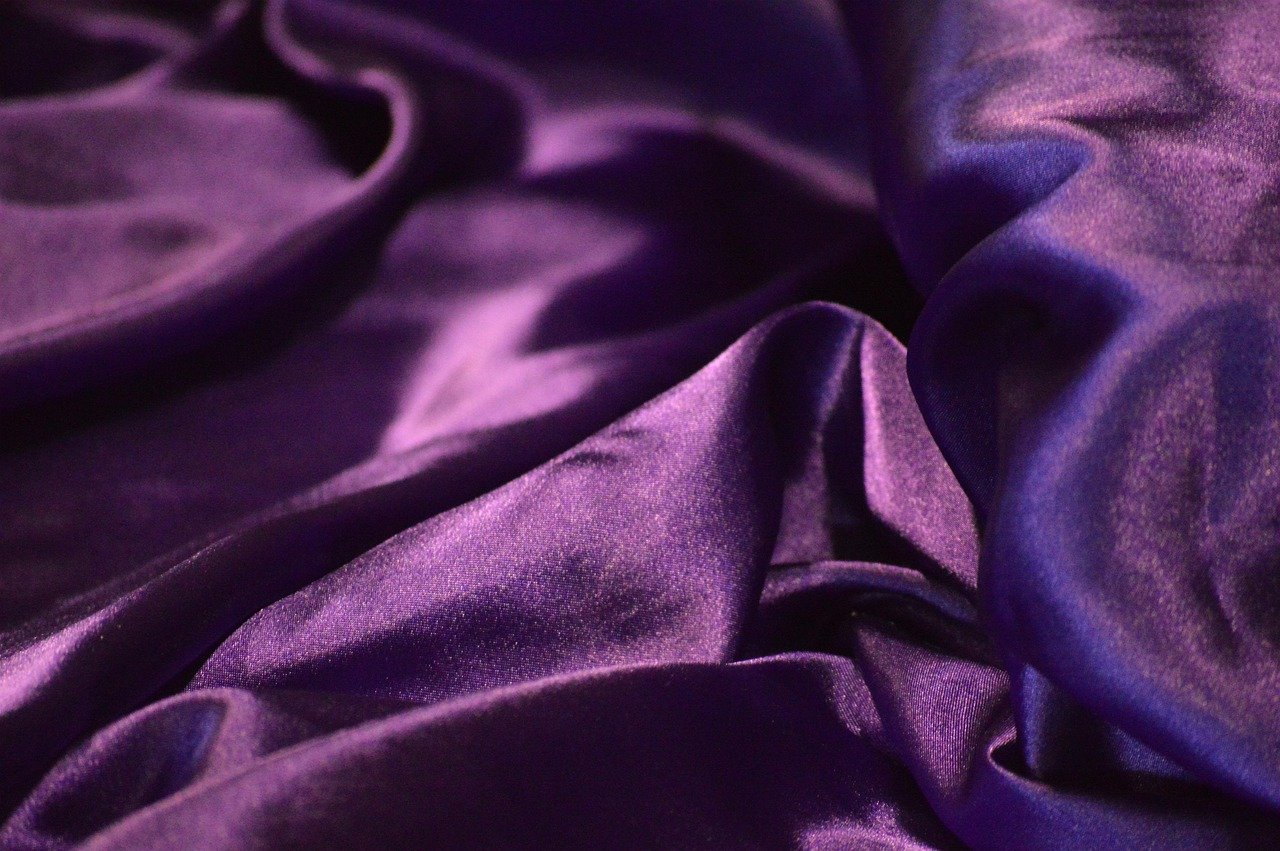
Velvet is stepping into that space. Designers point to a renewed focus on luxurious velvet, including new high-performance versions that combine a lavish look with everyday practicality. Velvet creates visual depth through the way it absorbs and reflects light, which makes rich colors more vivid and furniture look more polished. Unlike heavily textured bouclé, velvet feels smooth and soft, and it brings a timeless elegance to both modern and traditional rooms.
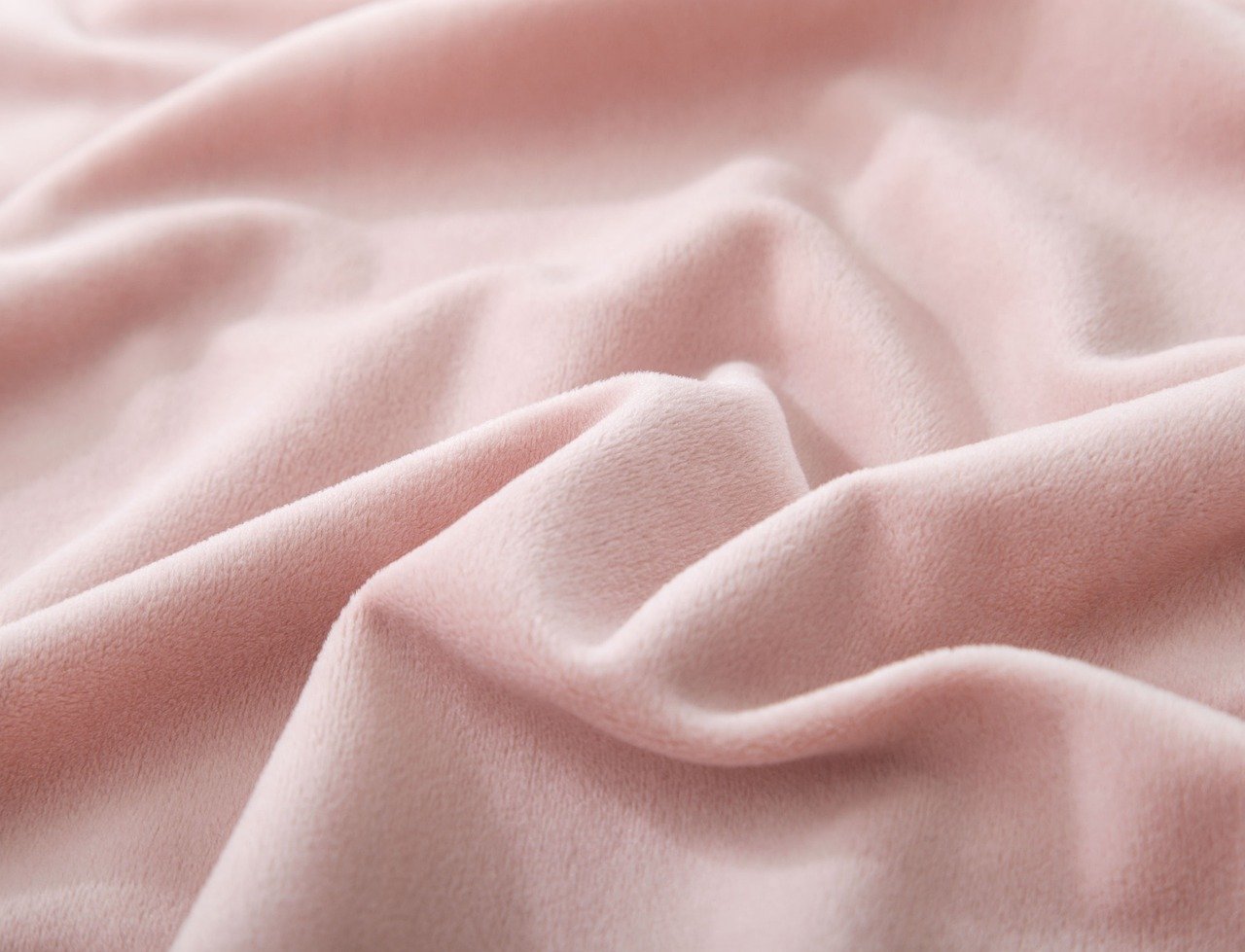
The palette tells the story too. Deep burgundy, chocolate brown, and soft blush tones are gaining attention, adding warmth and a distinct visual effect to furniture and decor. Designers are also pairing velvet with natural materials such as wood, stone, and linen to balance the fabric’s formality and keep a room comfortable. For smaller commitments, a single chair, a small sofa, or an ottoman offers a subtler way to use the material than a full-size sofa or a sculptural headboard.
That same logic applies to clothing. A velvet jacket or a velvet cushion is a low-risk way to test a fabric before committing to it across an entire room or wardrobe. The practical mistake people make is treating velvet as purely formal. Modern performance velvet handles daily use far better than its reputation suggests, but it still rewards gentle care and rotation.
What Milan and the Mills Are Actually Saying
Trade fairs run on a calendar that most shoppers never see. When Milano Unica opens at Fiera Milano Rho on 2, 3, and 4 February 2027, the buyers walking its halls will be choosing cloth for clothes that do not exist yet, for a season more than a year away. The lead time is not a guess. The February 2025 edition presented the Spring/Summer 2026 collections, and the January 2026 edition showed Spring/Summer 2027. In other words, the fabric for a summer collection is being selected roughly sixteen or seventeen months before it reaches a shop.
This is why fabric trends feel like they arrive fully formed. By the time anyone sketches the coat, the most important decision about it has already been made. The mills set the direction, and the runways confirm it.
The mill-level view also explains the emphasis on craft. Luxury fabric manufacturers describe their seasonal collections as a balance of creativity, craftsmanship, and technical excellence, with design and weaving brought together under one roof so that yarns, constructions, and colorways can be combined in endless variations. That capability is what allows a brand to tell a story through cloth rather than through a print.
There is a broader context, too. Executives across the textile supply chain have described a period shaped by war, high inflation, and shifting demand, with currency swings adding pressure to results. In that environment, innovation and focus become the strategy: reaffirming identity, narrowing collections, and investing carefully in new business. Precious yarns, deep innovation, and sustainable investment are the industry’s answer to an uncertain era.
If you follow design closely, the way material decisions cascade into finished products echoes other fields where craft and concept collide. The same instinct shows up in the wildest new superyacht concepts redefining luxury, where the choice of surface and finish determines whether a space feels genuinely premium or merely expensive.
A Practical Comparison of 2027’s Key Fabrics
| Fabric | What It Does Well | Watch Out For | Best Use |
|---|---|---|---|
| Linen and linen blends | Breathable, cool, relaxed texture | Wrinkles without blending | Warm-weather tailoring, shirts, trousers |
| Silk and silk blends | Luminous sheen, fluid drape, volume | Delicate; needs careful cleaning | Dresses, blouses, statement pieces |
| Sheer chiffon, lace, organza | Lightness, movement, layering | Snags easily; limited warmth | Eveningwear, overlays, romantic layers |
| Velvet and performance velvet | Depth of color, warmth, smooth hand | Can crush; needs rotation and care | Upholstery, jackets, accent pieces |
| High-gsm sculptural weaves | Holds shape, self-supporting volume | Heavier; less forgiving in heat | Coats, structured jackets |
| Jacquard wovens | Pattern built into the cloth, durability | Can feel stiff if poorly finished | Tailoring, statement garments |
Reading a label with this table in mind changes how you shop. A linen blend that resists wrinkling will outperform pure linen on a humid day. A silk with a touch of stretch will hold volume without sagging. A high-gsm weave will keep a sculptural coat looking sharp instead of collapsing at the shoulder.
Common Mistakes and What Actually Works
The biggest error is buying texture without asking what it is for. Bouclé became ubiquitous because it photographed beautifully, but its nubby surface traps debris and is notoriously tricky to keep clean, especially in white, cream, or beige. If a fabric is hard to maintain, it will spend more time being protected than enjoyed.
A second mistake is treating “natural” and “performance” as opposites. They are not. High-performance velvet exists precisely because the look people want and the durability they need can now be engineered into the same cloth. The same is true of stretch merino blends built for tailored suits.
A third mistake is ignoring scale. Large sofas and sculptural headboards in a rich fabric create strong visual impact, while single chairs and small sofas offer a more restrained approach. Matching the fabric commitment to the size of the piece keeps a room or a wardrobe from feeling overwhelmed.
Finally, resist the urge to buy everything in one season’s palette. Deep burgundy and chocolate brown are having a moment, but the fabrics that matter most are the ones that survive the trend cycle. Weightless sheers and well-made sculptural wools will still look right long after the color of the year has moved on.
The same principle governs how people think about lasting style in other categories. Just as certain 2018 clothes actually looked like they still matter years later, the test of any 2027 purchase is whether it holds up once the novelty fades. A good rule of thumb: if you cannot describe the fabric in one sentence, you probably do not understand the garment well enough to buy it. (Greta gerwigs hair bob bangs they matter)
How to Judge Luxury Fabric in Person
- Touch it against your skin, not just with your fingertips. Neck and wrist tell you more about comfort than a quick stroke.
- Hold it up to light. Sheer fabrics should show even construction; heavy fabrics should show no thin spots.
- Scrunch a corner and release it. How quickly it recovers tells you about resilience and wrinkle behavior.
- Check the seams and the reverse side. Fine fabric poorly finished is not a luxury purchase.
- Ask what it is blended with and why. A salesperson who can explain the blend is usually selling a better product.
- Think about your actual climate. A sculptural coat is wasted in a hot city; a sheer blouse is wasted in a cold one.
These steps take two minutes and save years of regret. They also make shopping faster, because you stop evaluating everything and start filtering by material.
Conclusion
Luxury fabric in 2027 is not about a single hero material. It is about a split personality: cloth that is either almost weightless or deeply tactile, with very little in between. Velvet is replacing bouclé in interiors, linen has escaped the vacation wardrobe, and silk is being engineered to hold volume while staying luminous. The mills decided much of this more than a year before the clothes reached a store, which is why the direction feels so consistent across runways and showrooms.
For anyone building a wardrobe or a home, the takeaway is simple. Learn to read cloth the way you read a label. Ask what the fiber does, how the weave behaves, and whether the finish will survive real life. Do that, and the question of why luxury fabrics matter answers itself.
Frequently Asked Questions
Why do luxury fabrics cost so much more than similar-looking ones?
The price gap usually comes down to fiber quality, weave construction, and finishing, not the label. A garment made from a fine yarn with careful finishing drapes better, wears longer, and holds its color. Two sweaters can look identical on a hanger and behave completely differently after a year of wear.
Is velvet actually practical for everyday use in 2027?
Yes, more than its reputation suggests. New high-performance velvets combine the luxurious look with everyday practicality, which is a big reason designers are using them for sofas and beds again. The key is care: rotate cushions, avoid prolonged crushing, and clean gently.
Why is bouclé falling out of favor?
Designers say bouclé became tied to one specific look, often a monochromatic modern palette, and now feels one-note as people crave warmth and personality. It is also tricky to keep clean because its nubby texture traps debris, especially in light colors.
What is the difference between weightless and textured fabric trends?
Weightless fabrics, such as sheer chiffon, lace, organza, and fine silk, are chosen for movement, light, and year-round wear. Textured fabrics, such as high-gsm weaves and sculptural jacquards, are chosen for volume and shape retention. The 2027 market is investing in both at once.
When do the fabrics for a spring collection actually get chosen?
Roughly sixteen or seventeen months before the clothes reach a shop. The February 2025 edition of Milano Unica presented Spring/Summer 2026 collections, and the January 2026 edition showed Spring/Summer 2027. By the time a garment is sketched, the cloth decision is already made.
How can I tell if a fabric is genuinely high quality in a store?
Touch it against your skin, hold it to the light, and scrunch a corner to see how quickly it recovers. Check the seams and the reverse side, and ask what the fiber is blended with and why. A salesperson who can explain the blend clearly is usually selling a better-made product.











