


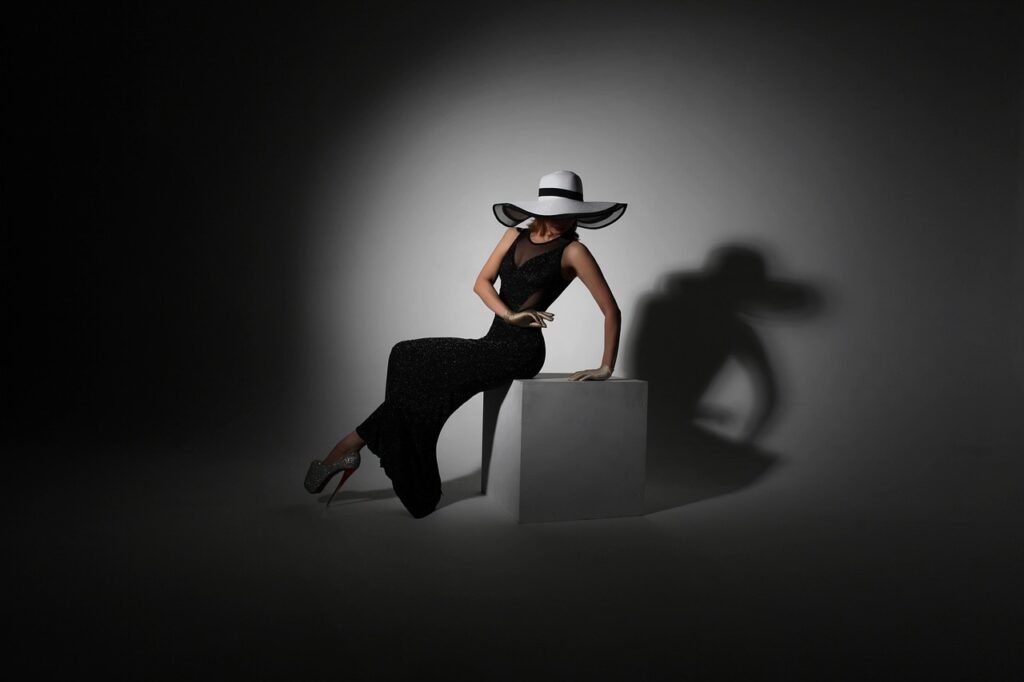
What makes a fashion photograph survive longer than the trend it was shot to sell? That question runs through nearly every conversation about style right now, and 2027 is shaping up to be the year the industry answers it in public. Exhibitions, calendars, fabric forecasts, and photographer workshops all return to the same idea: clothes fade, but a well-made image keeps its power.
This guide walks through what 2027 actually looks like for anyone planning a shoot, building a wardrobe, or simply hunting for style inspiration that won’t embarrass them in five years. It covers the images defining the moment, the outfits that photograph best, the practical mistakes that ruin otherwise good shoots, and how to borrow from subcultures without looking like a costume.
Why 2027 Is a Pivot Year for Fashion Photography
The clearest signal comes from the exhibition calendar. A major survey, The Photographers’ Pursuit of Fashion and Form, opens February 20 and runs through March 27, 2027, tracing how photographers turned fabric into architecture and a fleeting pose into an era-defining image. It features Horst P. Horst, George Hoyningen-Huene, William Klein, and Patrick Demarchelier, among others, and frames fashion photography as an art form in its own right rather than an accessory to the clothes.
That framing matters. When a museum treats fashion imagery as art, it changes what clients and editors ask for. The brief shifts from “show the dress clearly” to “make me feel something.” Photographers who understand that shift are the ones getting booked.
A second signal: the 2027 Pirelli Calendar, unveiled in New Delhi, is dedicated to India for the first time. Photographers Sølve Sundsbø and Avani Rai shot nine women, including Aditi Rao Hydari and Freida Pinto, exploring what the calendar’s own team described as a country that resists a singular portrait. The project leans on duality: everyday life next to elaborate adornment, intimacy next to spectacle. That tension is exactly what timeless images tend to hold.
And then there’s the quieter evidence from fabric houses. One mill’s 2027 stylebook builds its entire visual narrative around “magical realism,” describing golden, enveloping atmospheres and details sculpted with artisan care. When textile forecasters start talking about enchantment and eternity, the aesthetic direction for the year is already set.
The Images That Will Still Look Good in 2037

Timelessness is not the same as neutrality. A beige background and soft light do not automatically make an image last. What lasts is intent: a clear point of view, strong composition, and clothing that isn’t doing all the work alone.
Look at the reference points above. Horst and Hoyningen-Huene built images from geometry and shadow. Irving Penn, whose fashion work is the subject of a retrospective running from September 30, 2026, through January 17, 2027, worked with what curators describe as an aesthetic of elegant simplicity, the product of long reflection and sophisticated printing. None of those images depend on a trend cycle. They depend on decisions made before the shutter clicked.
For anyone planning a 2027 shoot, the takeaway is practical rather than philosophical. Ask what the image is about before asking what the model is wearing. If the answer is “the outfit,” the photo has a shelf life of roughly one season.
What the current crop of lookbooks gets right
Contemporary lookbooks have stopped functioning as catalogues of garments and started behaving like editorials, where the product is part of a narrative rather than the sole hero. Photographers working in this mode are abandoning sterile studio cycloramas in favor of natural light, outdoor locations, raw architecture, and interiors with unusual texture. Small, intimate productions are replacing bloated ones.
That is good news for anyone with a modest budget. A textured wall, a window, and one good coat will outperform a rented studio with a lighting setup nobody knows how to use.
Building a Wardrobe That Photographs Well
The single most common mistake in fashion photography is choosing clothes that look great on a hanger and terrible on camera. Texture, movement, and tonal contrast do the heavy lifting. Pattern and logos do not.
Elevated neutrals are leading wardrobe choices for the Class of 2027, according to photographers who shoot senior portraits, because soft, muted tones hold up in images far better than loud colors that date quickly. The same logic applies to editorial work. A camel coat, a cream knit, and a well-cut pair of trousers will still read as stylish long after a neon set has been retired.
| Element | Photographs well | Photographs poorly |
|---|---|---|
| Texture | Cable knits, leather sheen, raw silk | Flat synthetics, cheap jersey |
| Color | Elevated neutrals, tonal layers | Trend-driven brights, heavy logos |
| Movement | Open coats, flowing skirts, walking shots | Stiff structured pieces worn closed |
| Footwear | Boots for location changes | Heels on uneven ground |
| Detail | One strong focal point | Competing accessories |
Outerwear is the workhorse
A long coat is the most reliable single garment in fashion photography. City backdrops suit it best, since pavements, crossings, and building facades give it urban context. Wear it open over jeans or a dress for movement, or belted and closed for a sharper, more editorial silhouette. One coat, styled two ways, can carry an entire shoot.
Leather jackets do something similar for evening work. The slight sheen catches artificial light in a way matte fabrics cannot, adding depth to night shots. Pair leather with something soft underneath, such as a dress, a silk top, or a simple knit, so the outfit has contrast. Dark jeans or a skirt keep it cohesive, and boots rather than heels make moving between locations far easier.
Knit-on-knit combinations photograph with a softness that suits autumn light especially well. A cable-knit jumper with a matching knit skirt reads as considered rather than casual, and it holds shape in wind.
For those building a longer-term wardrobe, the principles behind the best minimalist fashion brands for timeless style are worth studying, since they overlap almost entirely with what photographs best.
Finding Style Inspiration Without Copying a Trend
Inspiration is easy. Direction is hard. The difference between a mood board that helps and one that paralyzes is whether it tells you what to do.
Start with silhouettes rather than outfits. A silhouette survives translation across budgets, body types, and seasons. An outfit does not. If a reference image grabs you, sketch the outline: where the volume sits, where the waist falls, how long the hem runs. That information transfers. The exact blouse does not.
Then look at how different style traditions solve the same problem. The French approach to dressing, which still sets rules for global style, is built on restraint and repetition rather than novelty, and it translates to photography because it produces fewer, stronger variables. Street-style movements offer the opposite lesson: they show how to build a look from personality rather than purchase. The Acubi fashion wave coming out of Korean subculture is a useful case study, since it rewrites street style through layering and proportion rather than expensive labels.
Subcultures reward research, not imitation
Borrowing from a subculture without understanding it is the fastest way to look dated. Harajuku street style, for instance, is often flattened into “colorful and chaotic” by outsiders, when the reality is highly coded and personal. Getting it right means knowing which rules you are bending.
The same applies to historical revivals. Steampunk fashion took Victorian engineering and turned it into a modern visual language, and the looks that work are the ones that commit to the logic of the reference rather than sprinkling gears on a blazer. Prince style, the Ouji aesthetic, works the same way: it succeeds when the tailoring is genuinely sharp, not when the costume is merely ornate.
If you want a broader frame, Japan’s fashion history, from kimono tradition to global street style, shows how a visual language stays alive by adapting rather than freezing.
Practical Tips That Actually Work on Set
Experience beats theory every time, and a few habits separate smooth shoots from chaotic ones.
- Test the outfit in the actual light. Photograph it on a phone at the location before the shoot day. Fabrics that look rich indoors can go flat outdoors and vice versa.
- Bring a second pair of shoes. Location shoots involve walking, and discomfort shows in the shoulders before it shows in the face.
- Limit the palette to three tones. More than that and the eye has nowhere to rest.
- Shoot movement early. Walking, laughing, hands in pockets, hair flips: candid motion reads as real, while stiff chin-on-fist posing reads as dated.
- Plan one prop with meaning. An instrument, a jacket, a dog, a piece of art. Personal objects give an image a reason to exist.
- Check the background before the model. A beautiful outfit against a cluttered wall is a wasted frame.
The most common mistake is over-planning the pose and under-planning the location. Photographers who scout light and texture first, then fit the wardrobe to the space, spend less time fixing problems in editing.
What to Skip
Not every 2027 trend deserves your time. Heavy trend-chasing dates fastest, and roughly half of any given year’s looks will feel off by the following season. Oversaturated color grading, aggressive filters, and outfit stacking for its own sake all fall into that bucket.
The safer bet is to invest in the categories that have already survived decades: tailoring, knitwear, leather, and good outerwear. Pair those with a photographer who understands composition, and the resulting images will not need an explanation in 2037.
Conclusion
Timeless fashion photography is not about avoiding trends. It is about building images solid enough to survive them. The 2027 landscape, from museum surveys of Horst and Penn to a Pirelli Calendar exploring duality in India, points toward the same conclusion: intent outlasts novelty. Choose clothes for texture and movement, scout locations before you style outfits, borrow from subcultures with respect for their rules, and give every shoot a reason beyond the garment. Do that, and the photographs will keep working long after the season they were made for has closed.
Frequently Asked Questions
What makes a fashion photograph timeless?
A timeless fashion photograph has a clear point of view, strong composition, and clothing chosen for texture and movement rather than trend value. Images by photographers like Irving Penn and Horst P. Horst endure because the decisions were made before the shutter clicked, not because the clothes were fashionable at the time.
Which outfits photograph best in 2027?
Elevated neutrals, long coats, leather jackets, and knit-on-knit combinations photograph best. Soft, muted tones hold up longer than loud colors, and garments with visible texture catch light in ways flat fabrics cannot. Boots rather than heels also make location shoots far easier.
Why is the 2027 Pirelli Calendar significant?
It is the first edition dedicated to India, shot by Sølve Sundsbø and Avani Rai and featuring nine women including Aditi Rao Hydari and Freida Pinto. The project explores the duality of a country that resists a single portrait, pairing everyday life with elaborate adornment.
How do I use subcultural style without looking like I’m in costume?
Learn the rules before bending them. Subcultures like Harajuku street style or the Ouji prince aesthetic are highly coded, and looks that work commit to the internal logic of the reference rather than copying surface details. Research the proportions and tailoring first.
Should I chase trends for a 2027 photoshoot?
Chase a few, carefully. Roughly half of any year’s trends look dated within a season. Invest instead in tailoring, knitwear, leather, and outerwear, which have already survived decades, and let one current detail carry the freshness.
What is the biggest mistake people make in fashion photography?
Over-planning the pose and under-planning the location. Scouting light, texture, and background before choosing the wardrobe solves most problems before they appear, and it costs nothing but time.











