

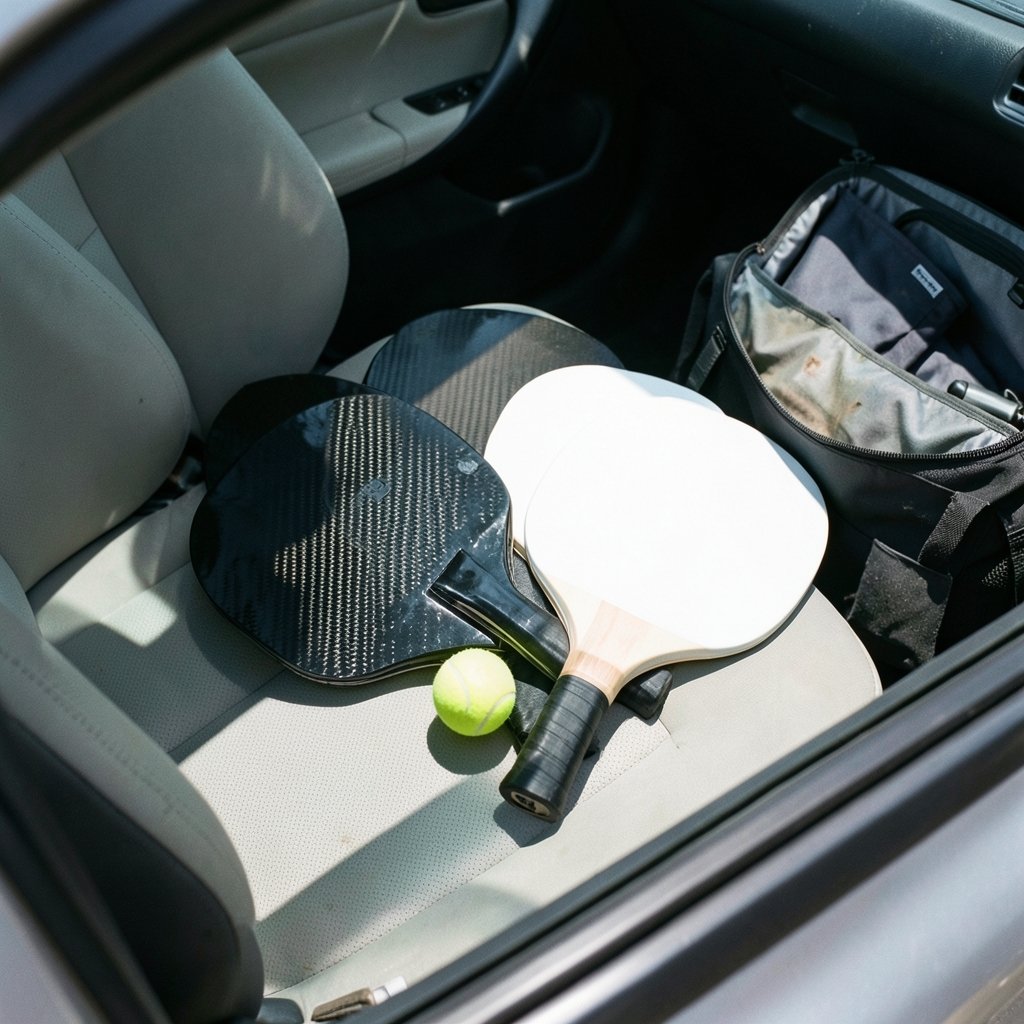
What if the biggest upgrade to your pickleball game isn’t a new serve or a better footwork drill, but the paddle already sitting in your bag? Walk onto any busy court and you will see the same scene: players swapping paddles mid-session, squinting at weight labels, and asking each other whether carbon fiber really feels different from fiberglass. The paddle is the only piece of equipment you touch on every single shot, yet most players pick one almost by accident. This guide cuts through the marketing noise and shows what actually matters when you are hunting for the best pickleball paddle for your game.
Why the Paddle Matters More Than Most Players Think
A paddle shapes three things at once: how much power you can generate, how precisely you place the ball, and how your arm and wrist feel after two hours of play. A heavy, head-weighted paddle can add punch to drives but tire out your shoulder. A light, soft paddle can make dinking feel effortless but leave your drives flat. Neither is “best” in a vacuum. The right paddle is the one that matches your swing speed, your grip strength, and the way you like to win points.
There is also a practical side. Paddles wear out. The surface texture that helps you put spin on the ball gradually smooths, and the core can soften or even crack after heavy use. Players who compete regularly often replace a paddle every year or two, which makes understanding construction worth the effort before you spend money.
The Rules That Shape Every Paddle You Can Buy

Before comparing models, it helps to know the boundaries. In sanctioned play, paddles generally must appear on an approved equipment list maintained by the sport’s governing body, USA Pickleball. That list exists because the organization publishes equipment standards covering dimensions, surface roughness, and how paddles are tested. The rulebook itself is revised periodically, so the exact figures for maximum length and length-plus-width should always be checked against the current edition rather than taken from a forum post. The same applies to surface roughness limits and the rules around delamination, which have been updated in recent years as manufacturers pushed the edges of what faces can do.
Why does this matter to a recreational buyer? Because a paddle that is not approved may still be fine for casual play, but it cannot be used in tournaments. If there is any chance you will enter a league or a sanctioned event, buying from the approved list saves you from a frustrating surprise at check-in. Check the date on the list you consult, since it changes frequently.
Core Materials: Honeycomb, Foam, and What They Do
Most paddles on the market use one of two core approaches. Honeycomb polymer cores are the classic choice, built from a polymer honeycomb structure that keeps the paddle stiff and light. They tend to produce a livelier, more powerful response. Foam cores are increasingly common in control-focused and “hybrid” designs, offering a softer, quieter feel and often a larger sweet spot.
The face material matters just as much:
| Face material | Feel | Strength | Trade-off |
|---|---|---|---|
| Fiberglass | Lively, poppy | Easy power for beginners | Wears faster, less spin grip over time |
| Carbon fiber | Crisp, controlled | Strong spin, durable texture | Higher price, demands cleaner technique |
| Graphite | Light and fast | Quick hands at the net | Can feel harsh on off-center hits |
None of these is universally superior. A fiberglass-faced paddle is a sensible, affordable starting point. Carbon fiber rewards players who already have consistent strokes and want more bite on serves and dinks.
Weight: The Single Most Personal Decision
Paddles are commonly sold in three rough weight bands, and these are market conventions rather than an official classification:
- Lightweight (roughly under 7.3 oz): fast at the net, less arm fatigue, but less mass behind the ball.
- Midweight (roughly 7.3 to 8.4 oz): the balanced middle ground most players settle into.
- Heavyweight (roughly 8.4 oz and up): more plow-through and stability, but slower hands and more strain over long sessions.
Here is a practical tip that saves a lot of returns: weigh the paddle yourself if you can, or buy from a seller who lists the actual measured weight of the specific unit. Manufacturer specs are often a range, and two paddles of the same model can differ by a noticeable amount. If you have elbow or wrist sensitivity, start lighter and add weight later with lead tape rather than starting heavy and hoping to adapt.
Grip Size and Why It Gets Ignored
Grip circumference is usually offered somewhere around 4 to 4.5 inches, and getting it wrong is one of the most common mistakes players make. Too small a grip encourages you to squeeze, which tightens the forearm and contributes to fatigue. Too large a grip slows your hand changes at the kitchen line. A quick rule of thumb many coaches use: the gap between your fingertips and the base of your palm should be about a finger’s width when you hold the handle comfortably. If you are between sizes, a thin overgrip can add a little circumference cheaply.
This same principle of matching equipment to your body shows up in plenty of other buying decisions, from a curly bob haircut that suits your natural curl pattern to picking guitar picks by thickness, material, and shape so your hand does not fight the tool. The pattern is always the same: fit the gear to the person, not the other way around.
Power vs. Control: A Useful But Subjective Split
Reviews constantly sort paddles into “power” and “control” categories. Thicker cores and stiffer faces generally lean toward power; thinner cores and softer faces lean toward control. It is worth being honest that this framing is largely reviewer language and brand positioning, not a measured standard. Two players can pick up the same paddle and disagree completely.
A better approach is to describe your own game in plain terms and match accordingly:
- If you win points with drives and put-aways, lean toward a midweight or heavier paddle with a stiffer face.
- If you win points with dinks, resets, and patience, favor a softer face and a lighter build for quick hands.
- If you are new, choose midweight and forgiving, and resist the urge to buy the most aggressive paddle on the shelf.
- If you play several times a week, prioritize comfort and grip size over headline power claims.
The same “match the tool to the actual job” logic applies to something like choosing a music streamer that genuinely sounds good rather than one that wins on spec sheets. Specs tell you part of the story; your own use case tells you the rest.
What to Look For in Practice
Beyond the spec sheet, a few details separate a paddle you will love from one that ends up in a closet.
Edge guard quality. The plastic edge guard takes a beating, especially on low digs and the occasional court scrape. A loose or poorly bonded guard is an early failure point.
Handle length. Players who use a two-handed backhand or want more reach on serves benefit from a longer handle. Players who choke up for quick exchanges often prefer shorter.
Surface texture that lasts. If spin is central to your game, ask how the face texture holds up. Roughness limits exist for sanctioned play, and a face that starts gritty but smooths within a few months is a poor investment.
Return policy. This is the most underrated factor. Paddles are personal, and no review can tell you how one feels in your hand. Buy where you can return or exchange after a session or two.
Demo programs. Many clubs and retailers run demo nights. One hour with four different paddles teaches you more than a week of reading comparisons.
Common Mistakes That Cost Players Money
Buying the paddle a pro uses is the classic error. Professionals have swing speeds and hand strength most recreational players do not, and their paddle setups are tuned for their games. Another frequent mistake is chasing spin with an aggressively textured face that may not be approved for tournament play, or that wears smooth quickly. A third is ignoring grip size entirely and then blaming the paddle for elbow discomfort.
Finally, players often upgrade before they need to. If your technique is still developing, a new paddle will not fix footwork or shot selection. Spend the money on court time first, then buy gear that supports the game you actually have.
How Much Should You Spend?
Entry-level paddles start cheap, and the quality gap between budget and mid-range has narrowed considerably. Mid-range models now offer decent cores and respectable faces. The premium tier buys you better materials, more consistent manufacturing, and often a more refined feel, but the returns diminish. A sensible approach is to set a budget that lets you buy two paddles if needed, one for you and one for a partner or a spare, rather than stretching for a single premium model you are afraid to scratch.
Matching Paddles to How You Play
If you like to think in profiles rather than products, this table maps playing styles to the specs that tend to suit them:
| Player profile | Weight | Face | Priority |
|---|---|---|---|
| Beginner learning basics | Midweight | Fiberglass | Forgiveness and price |
| Net-focused dinker | Light to midweight | Carbon fiber or soft composite | Touch and quick hands |
| Power server and driver | Midweight to heavy | Stiff carbon fiber | Plow-through and stability |
| Player with elbow sensitivity | Lightweight | Softer face | Comfort and low vibration |
| Tournament-bound player | Midweight | Approved textured face | Legality and consistency |
Treat these as starting points, not rules. The best way to confirm a match is to play a few games with a borrowed paddle before committing.
Care and Longevity
A few habits extend a paddle’s life. Store it out of a hot car, since heat can affect core materials and adhesives. Wipe the face with a damp cloth rather than harsh cleaners, which can strip texture. Avoid tapping the paddle against the ground or net post between points, a habit that quietly damages edge guards. And inspect the face periodically for smooth patches or visible wear, because a worn face quietly costs you spin without any obvious warning.
If you play other sports or hobbies with repetitive wrist and hand strain, the same principle of matching equipment to your body applies. Runners dealing with forefoot pain, for example, benefit from understanding what a Morton’s neuroma is and how footwear choices help, just as pickleball players benefit from getting grip and weight right.
Conclusion
The best pickleball paddle is not the one with the boldest marketing or the highest price. It is the one that matches your weight preference, grip size, playing style, and comfort needs, and that is approved if you plan to compete. Start with the approved equipment list if tournaments are on your radar, weigh and grip-test before you buy, and take advantage of demo programs and return policies. Get those fundamentals right and the paddle becomes what it should be: an extension of your hand rather than a puzzle you are trying to solve mid-game.
Frequently Asked Questions
What weight paddle should a beginner buy?
Most beginners do well with a midweight paddle in roughly the 7.3 to 8.4 ounce range. It offers a balance of stability and hand speed without demanding strong wrists. Lighter paddles suit players with arm sensitivity, while heavier ones reward players who already generate their own power.
Do I need an approved paddle to play?
Only if you plan to enter sanctioned tournaments or leagues that require it. Recreational play generally does not require approval. Since the approved list changes often, check the current version before buying if competition is a possibility.
Is carbon fiber worth the extra cost?
It depends on your level. Carbon fiber faces tend to offer better spin grip and a crisper feel, and they often hold texture longer. Beginners may not notice enough difference to justify the price, while intermediate and advanced players usually do.
How often should I replace my paddle?
There is no fixed schedule. Replace it when the face texture has smoothed noticeably, the core feels soft or dead, or you notice cracks and a rattling sound. Frequent players often replace a paddle every one to two years.
Does a heavier paddle cause elbow pain?
It can contribute, especially combined with a small grip that encourages squeezing. If you feel discomfort, try a lighter paddle, check your grip size, and consider a softer face. Persistent pain warrants a conversation with a healthcare professional.
Can I test a paddle before buying?
Yes, and you should. Many clubs and retailers run demo programs, and most reputable sellers offer a trial or return window. Playing a few games with a paddle tells you more than any spec sheet or review.














