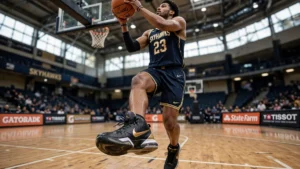
What good is a highlight-reel crossover if your foot is sliding around inside your shoe like a bar of soap in a wet sink? Ask any player who has blown a layup because of a bad grip or limped off with a rolled ankle, and they will tell you the same thing: the shoe matters. The search for the best basketball shoes is not about chasing the flashiest signature model. It is about matching cushioning, traction, support, and fit to how you actually play.
This guide breaks down what separates a great basketball shoe from a mediocre one, how to judge a shoe before you buy it, and which categories fit different players. No hype, no brand worship, just the factors that show up on the court night after night.
What “Best” Really Means in Basketball Shoes
There is no single best basketball shoe, and any list that claims otherwise is selling something. A shoe that feels perfect for a 6-foot-8 center posting up is often wrong for a 5-foot-9 guard who lives on quick cuts. Independent testers and sports labs generally judge basketball footwear on four core attributes: cushioning, traction, support, and fit. Everything else, from colorways to marketing, is secondary.
That means the best shoe for you depends on three questions:
- Where do you play? A polished indoor gym chews through soft rubber far more slowly than a rough outdoor blacktop.
- How do you play? Slashers need court feel and grip. Bigs need stability and impact protection.
- What is your foot like? Wide feet, high arches, and narrow heels all change which shoes feel comfortable.
Get those answers straight before you look at a single product page. It will save you money and ankle pain.
The Four Pillars of a Great Basketball Shoe

Cushioning: Comfort Without Losing the Floor
Cushioning absorbs the pounding of jumps, cuts, and hard landings. Modern shoes use foam midsoles, air units, and gel inserts to do this. The trick is balance. Too little cushioning and your knees and heels take a beating. Too much and the shoe feels mushy, slow, and unstable.
Guards often prefer a firmer, lower-profile setup that keeps them connected to the floor. Heavier players and big men usually benefit from thicker, more plush foam that spreads out impact. If you have had knee or heel issues, lean toward more cushioning and pair it with a supportive insole.
Traction: The Most Underrated Feature
Traction is the first thing that fails on a cheap shoe, and it is the hardest thing to fix after purchase. A shoe with great cushioning but slippery rubber is useless. Look for a herringbone or multidirectional tread pattern, which grips in every direction and sheds dust reasonably well.
Here is the practical mistake most players make: they buy an indoor shoe and wear it outdoors. Soft indoor rubber grips a clean gym floor beautifully but wears down fast on concrete and asphalt. If you mostly play outside, choose a shoe with a harder, thicker outsole made for outdoor courts. It will feel slightly less sticky indoors, but it will last far longer.
If you want a deeper look at how surface and gear choices affect performance, this breakdown of how to judge shoes and surfaces before you go is worth a read before you commit.
Support: Ankle Coverage and the High-Top Debate
Basketball shoe design splits into low, mid, and high cuts. High-tops cover more of the ankle, mids sit in between, and lows free up movement. The long-standing assumption is that high-tops prevent ankle sprains. The reality is more complicated. Research on footwear and ankle injuries is ongoing, and the evidence that high-top uppers alone prevent sprains is contested rather than settled.
What actually helps is a stable base, a secure heel lock, and strong lateral support so your foot does not roll over the edge of the sole during a hard cut. Ankle braces and strength training do more for injury prevention than upper height alone. Choose the cut that feels comfortable and lets you move naturally, and do not assume a high collar is a magic shield.
Fit: Where Most Buyers Go Wrong
Fit is the pillar people neglect most. A shoe that is half a size too small will cause blisters and black toenails no matter how good the tech is. A shoe that is too wide lets your foot slide sideways on cuts, which is a fast track to a rolled ankle.
Practical tips that actually work:
- Shop late in the day. Feet swell during activity, so a shoe that fits at 9 a.m. may feel tight by game time.
- Wear your playing socks. Thick basketball socks change the fit noticeably.
- Test the heel lock. Lace up and try to pull your heel out of the shoe. If it lifts easily, the fit is wrong.
- Check toe room. You want about a thumb’s width of space at the front.
- Try lateral movements in the store. Cut side to side rather than walking straight ahead.
Players with wide feet should look for shoes with a roomy toe box or wide sizing options. Those with narrow feet often do better in snug uppers with adjustable lacing.
Matching Shoes to Your Position and Playstyle
Different positions put different demands on footwear. The table below gives a rough guide, though individual preference always wins.
| Player type | Priority | What to look for |
|---|---|---|
| Quick guards | Court feel and grip | Low or mid cut, firm cushioning, aggressive traction |
| Slashing wings | Balance and support | Mid cut, responsive foam, secure heel lock |
| Bigs and post players | Stability and impact protection | High or mid cut, plush cushioning, wide stable base |
| Outdoor players | Durability | Hard rubber outsole, reinforced toe, thicker tread |
| Beginners | Value and comfort | Team or budget models with solid all-around traits |
One useful rule: do not buy a signature shoe just because a favorite player wears it. Signature lines are built around that athlete’s body, position, and preferences. A guard’s lightweight low-top may feel flimsy to a heavier player, and a big man’s max-cushion shoe may feel clunky to a quick guard.
Brand Overview: What to Expect
The basketball shoe market is dominated by a handful of brands. Nike, including Jordan Brand, leads the pack, alongside Adidas, Under Armour, Puma, and New Balance, with Anta and Li-Ning strong internationally. Market share shifts year to year, so treat any brand-ranking claim with skepticism unless it comes with a dated source.
Some history helps frame the tech you see today. Nike’s Air cushioning technology dates to 1979 and showed up in basketball with the Air Force 1 in 1982. The Air Jordan line launched with Michael Jordan’s rookie season, and the original Air Jordan I arrived in 1985. Those milestones shaped the modern signature-shoe model, where athletes get custom-tuned designs and everyone else buys the retail version.
Price tiers matter too. Signature models generally cost more than team and budget models. The extra money often buys lighter materials, more advanced cushioning, and better traction compounds, but not always. Plenty of mid-priced team shoes outperform expensive signatures for recreational players. If you are new to the game, spend modestly and upgrade once you know what you like.
How to Evaluate a Shoe Before You Buy
You cannot always test a shoe on a court before buying, but you can stack the odds in your favor.
- Read wear-test reviews in addition to spec sheets. Specs tell you what is inside the shoe. Wear testers tell you how it actually performs after a month.
- Check the outsole pattern and rubber type. Herringbone grips well. Hard rubber lasts outdoors.
- Look at the heel counter. A firm external heel counter helps lock the foot in place.
- Weigh the trade-offs. Lighter shoes feel fast but may offer less protection. Heavier shoes feel stable but can tire your legs.
- Consider your injury history. If you have rolled ankles before, prioritize lateral stability and consider an ankle brace.
A related point from other sports applies here: gear should match the demands of your activity, not the marketing. Just as runners weigh surfaces and shoe type carefully, basketball players should think about court conditions and movement patterns before buying. The same logic shows up in guides like what walkers need to know before buying a pair of golf shoes, where grip and surface matter as much as comfort.
Common Mistakes That Cost Players Money and Comfort
Even experienced players fall into predictable traps. Here are the ones that show up again and again.
Buying for looks over fit. A beautiful shoe that pinches your toes will sit in the closet. Fit first, colorway second.
Ignoring the court surface. Indoor shoes worn outdoors wear out in weeks. Match the outsole to where you play.
Skipping the break-in period. New shoes need a few light sessions before game intensity. Jumping straight into a full-speed game invites blisters.
Assuming price equals performance. Budget and team models frequently deliver 90 percent of the performance at half the cost.
Neglecting the rest of your gear. Shoes work as part of a system. Socks, insoles, and ankle support all affect how a shoe feels and performs.
Forgetting recovery. Foot and ankle care does not stop at the shoe. Players who spend hours in stiff footwear off the court often feel it later. If you want context on how footwear choices affect comfort over time, this piece on why high heels hurt and what you can do covers the broader principles of foot comfort that apply to any shoe.
Breaking In and Caring for Basketball Shoes
A new pair of basketball shoes is not game-ready the moment you unbox it. Give them two or three light sessions of shooting and drills before you play full speed. This lets the upper mold to your foot and softens stiff areas.
Keep the outsoles clean. Dust and grit reduce traction, so wipe the bottoms with a damp cloth before big games. Rotate between two pairs if you play often; foam and rubber recover between sessions, and each pair lasts longer. Store shoes in a dry place, and avoid leaving them in a hot car, which can degrade adhesives and foam.
If a shoe feels great everywhere except one pressure point, a thin insole swap can solve it. If it feels wrong in multiple places, return it. Do not try to “break in” a shoe that is genuinely the wrong size or shape.
Do You Need Signature Shoes?
Short answer: usually not. Signature shoes are tuned for elite athletes with specific needs. Recreational and amateur players often get better value from team models and mid-tier shoes that prioritize durability and all-around comfort.
That said, signature lines sometimes offer the best traction or cushioning on the market, and if a particular model fits your foot perfectly, the premium can be worth it. The key is to buy based on fit and performance, not the name on the box. Try on several pairs, compare how each feels during lateral cuts, and let your feet make the decision.
If you are curious about how basketball terminology and culture shape gear choices, a quick look at what common basketball abbreviations mean can help you read reviews and product descriptions with more confidence.
Conclusion
The best basketball shoes are not the most expensive or the most hyped. They are the pair that matches your position, your court surface, your foot shape, and your budget. Prioritize traction and fit, choose cushioning and support based on how you play, and match the outsole to where you actually step on the floor. Read wear-test reviews, try shoes on late in the day with your playing socks, and give new pairs a proper break-in period.
Get those fundamentals right, and you will play with more confidence, less discomfort, and fewer nagging injuries. Your feet will thank you, and so will your game.
Frequently Asked Questions
Are expensive basketball shoes worth it?
Sometimes, but not always. Higher-priced signature models often use lighter materials and better traction compounds, yet many mid-priced team shoes perform nearly as well for recreational players. Buy based on fit and performance for your position, not price alone.
Do high-top basketball shoes prevent ankle sprains?
The evidence is mixed and the debate is ongoing. High-tops offer more coverage, but research has not clearly shown that upper height alone prevents sprains. A stable base, secure heel lock, lateral support, and ankle strengthening matter more.
How often should I replace my basketball shoes?
It depends on how often you play and where. Players who log several sessions a week on outdoor courts may need new shoes every six to twelve months. Watch for worn-out tread, compressed cushioning, and loss of grip as signs it is time to replace them.
Can I wear indoor basketball shoes outside?
You can, but they will wear out fast. Indoor shoes use softer rubber that grips clean gym floors well but breaks down quickly on concrete and asphalt. If you mostly play outdoors, choose shoes with a harder, thicker outsole.
What is the best basketball shoe for wide feet?
Look for models with a roomy toe box or wide sizing options, and avoid uppers that feel tight across the forefoot. Try shoes on with your playing socks and test lateral movements. A secure midfoot and heel matter just as much as toe room.
Should beginners buy signature basketball shoes?
Usually not. Beginners benefit from comfortable, durable, well-fitting team or budget models while they figure out their playstyle and foot preferences. Once you know what works for you, upgrading to a premium model makes more sense.