

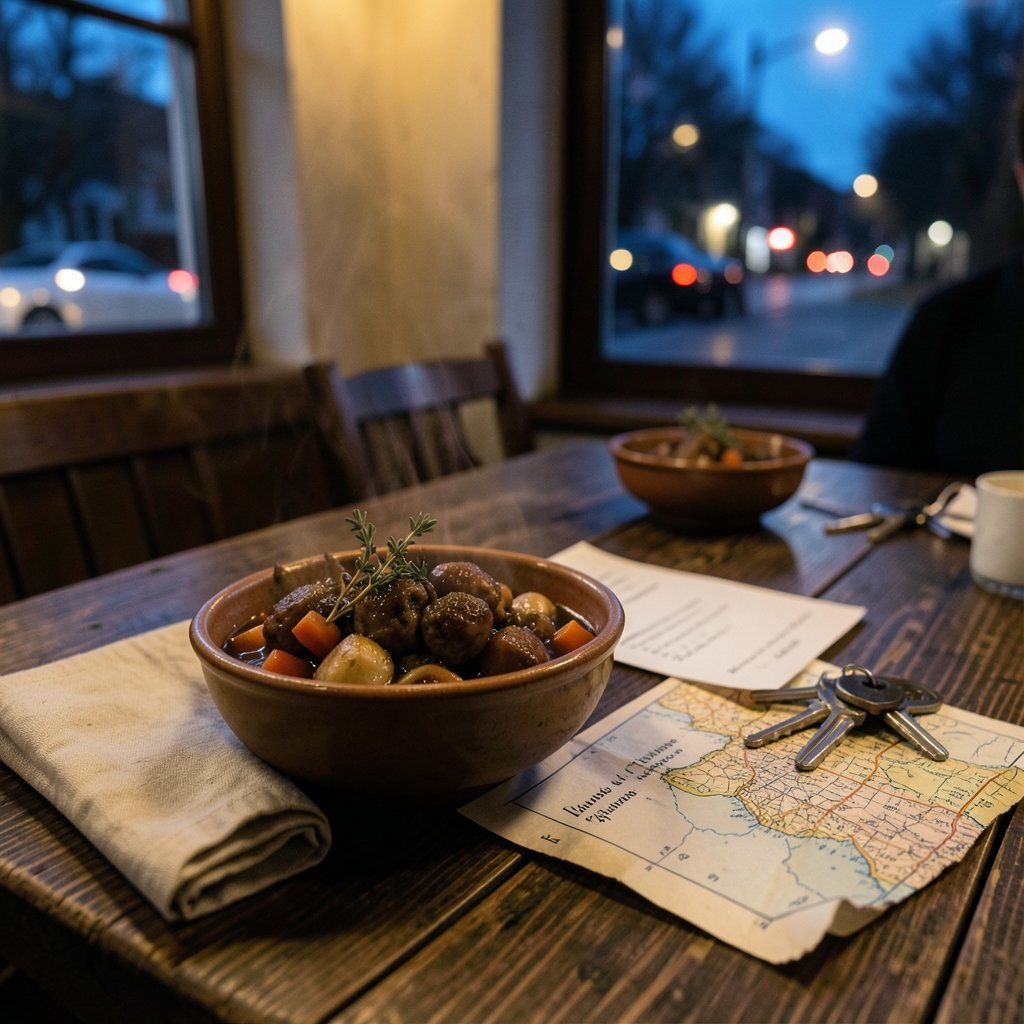
What if the best meal within driving distance of your house is one you have never thought to search for? Rabbit stew is one of those dishes that quietly anchors whole regional cuisines, yet it rarely appears on the average restaurant menu. That makes the search for the best rabbit stew near you a little more interesting than hunting down a burger. You are not just picking a restaurant. You are learning to read menus, understand regional styles, and ask the right questions before you commit to a table.
This guide walks through what rabbit stew actually is, how to judge a good one, where it tends to hide, and how to search smart so your map app stops showing you generic results. By the end, “near me” will mean something far more useful than a list of whatever happens to be closest.
What Makes a Rabbit Stew Worth Ordering
Rabbit is a lean, mild meat. Composition data generally places it around 20 percent protein with low fat compared with pork or lamb, though the numbers shift depending on the cut and whether the animal was wild or farmed. That leanness is both the appeal and the challenge. Rabbit dries out quickly, so a stew is arguably the most forgiving and most rewarding way to cook it. Slow braising keeps the meat tender and lets it soak up broth, wine, herbs, and aromatics.
A good rabbit stew usually shows a few telltale signs:
- Bones in the bowl. Traditional versions are often cooked and served bone-in, which keeps the meat moist and builds a richer sauce. Boneless versions exist but tend to taste flatter.
- A sauce with body. Look for a stew that coats the back of a spoon, not a thin broth. Wine, stock, tomato, or mustard bases all work, but they should taste layered.
- Acidity and brightness. Rabbit benefits from something sharp, whether that is mustard, vinegar, capers, lemon, or prunes. A bowl with no acid often tastes muddy.
- A side that soaks. Potatoes, polenta, crusty bread, or rice are not filler. They are part of the dish.
If a menu lists rabbit stew and then describes it in three words, that is a yellow flag. Good kitchens tend to be proud of this dish and say so.
The Regional Styles You Might Actually Find
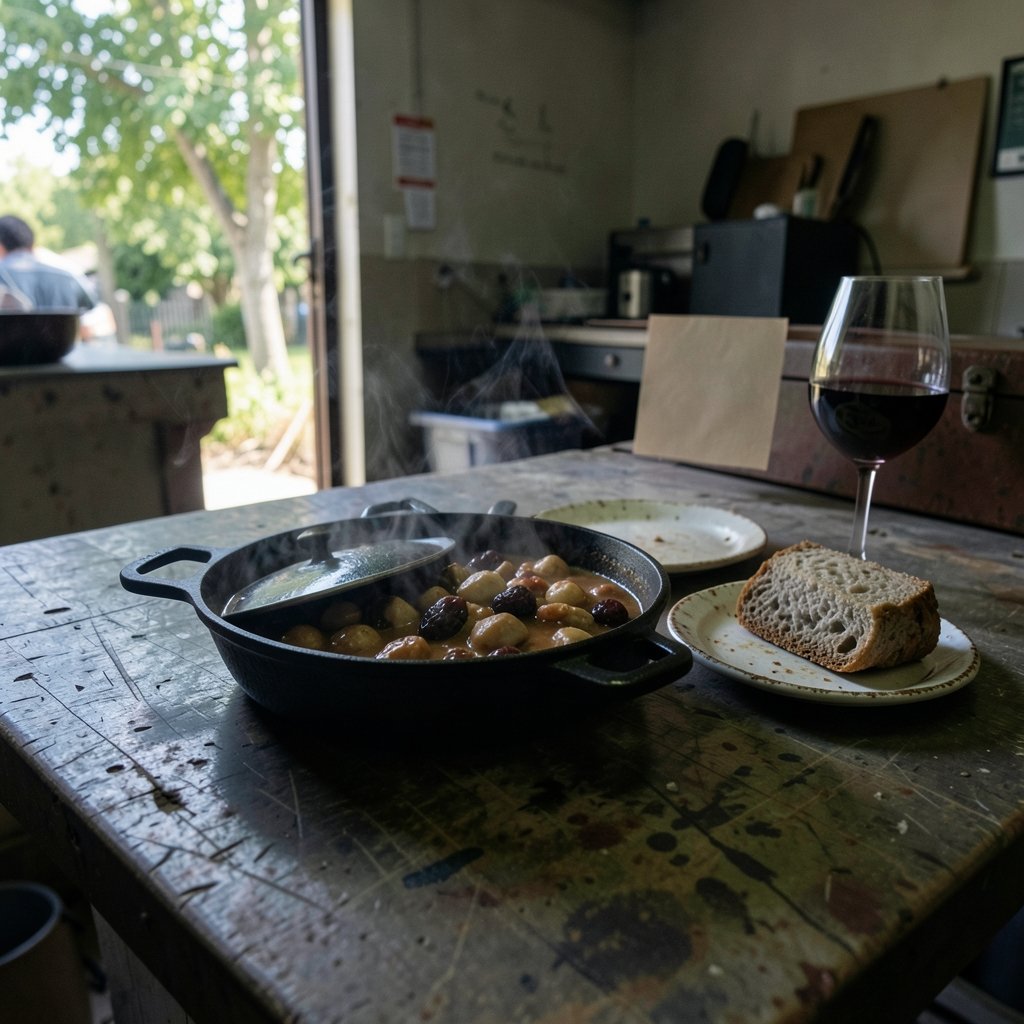
Rabbit stew is not one recipe. It changes dramatically by region, and knowing the names helps you spot it on a menu that is not in English. Stewed rabbit dishes are documented across classic European cookery, and the common variants differ enough that “best” depends entirely on which style you enjoy.
| Style | Typical base | Flavor profile | What to expect |
|---|---|---|---|
| French lapin à la moutarde | Dijon mustard, cream, white wine | Sharp, creamy, rich | Often served with potatoes or noodles |
| Rabbit with prunes | Dark stock, dried fruit, wine | Sweet-savory, deep | Common in French and Belgian cooking |
| Spanish conejo | Tomato, garlic, paprika, olive oil | Smoky, rustic | Frequently paired with rice or potatoes |
| Maltese fenkata | Garlic, wine, tomato | Hearty, garlicky | A social, communal dish, often with pasta |
| Hunter-style stew | Tomatoes, mushrooms, herbs, wine | Earthy, balanced | A catch-all name across many cuisines |
A practical tip: if you find a restaurant serving any of these as a house specialty, that is a stronger signal than a place offering rabbit stew as one item among sixty. Specialization usually means fresher ingredients and a cook who has made the dish hundreds of times.
Why “Near Me” Gives You Different Answers Than Your Neighbor
Search engines and map apps rank local results partly by the user’s device location. That means “best rabbit stew near me” returns different answers in different places, and there is no single universal answer. Someone two towns over may see a completely different list than you do.
This has real consequences for how you search. A few habits make the results far more useful:
- Search from where you actually are. Searching before you travel, from home, skews results toward your current location rather than your destination.
- Add the neighborhood or city name. “Rabbit stew [city] old town” beats a bare “near me” every time.
- Search in the local language. If you are traveling, the dish name in the local language will surface places that English queries miss entirely.
- Check the map, not just the list. Map results often reveal small specialty restaurants that never rank in the top ten text results.
- Look at photos before you go. A picture of the actual dish tells you more than a star rating. If the sauce looks thin or the plate looks mass-produced, keep looking.
If you want a broader framework for evaluating local searches, the same logic that applies to finding a clinic in laser hair removal near me applies here: location-based results reward specificity, and a vague query produces vague options. The more precise your search terms, the better the shortlist.
How to Judge a Restaurant Before You Book
Restaurant rankings are not neutral. Review aggregators and awards use different criteria, so “best” depends on the standard you choose. A place with a hundred five-star reviews may simply be popular and cheap, not excellent. A place with forty reviews and a devoted local following may be far better.
Here is a comparison that helps separate signal from noise:
| Signal | What it suggests | How much weight to give it |
|---|---|---|
| Dish is a named specialty | Cook has practiced it repeatedly | High |
| Photos of the actual stew | You can see sauce texture and portion | High |
| Reviews mention the specific dish | Real customers ordered it | High |
| High star count only | General popularity | Medium |
| Awards and guide listings | Consistent quality standards | Medium to high |
| Menu describes the dish in detail | Kitchen cares about it | Medium |
The single most useful move is to search reviews for the word “rabbit.” General praise tells you the restaurant is pleasant. Specific praise about the stew tells you the stew is worth ordering.
One common mistake people make is assuming an expensive restaurant will do this dish well. Rabbit stew is rustic food. It often shines in family-run places, countryside inns, and neighborhood spots with a short menu, not in polished venues where it is an afterthought. Another mistake is ordering it at a place that has never sold it before and treating one mediocre bowl as a verdict on the dish. Try two or three kitchens before you decide you do not like rabbit.
Handling, Freshness, and What to Ask
Rabbit is treated like other raw meat for food-safety purposes: keep it refrigerated, cook it thoroughly, and avoid cross-contamination. That matters to you as a diner in one specific way. Rabbit may be sold fresh, frozen, or only through specialty butchers depending on the country and local rules, which means availability at restaurants is seasonal and uneven.
So ask. A short, friendly question at booking saves a wasted trip:
- “Is the rabbit stew available this week?” Availability changes, especially outside autumn and winter.
- “Is it made with farmed or wild rabbit?” Both are legitimate, but the flavor and texture differ, and wild is often stronger and leaner.
- “Is it cooked to order or reheated?” Slow braises are often better on day two, so reheated is not automatically bad. But you want to know.
- “Is it bone-in?” This affects both flavor and how you eat it.
If a restaurant cannot answer these questions, that is information too. Kitchens that serve rabbit regularly know exactly where it comes from.
Building a Shortlist That Actually Works
The most reliable approach combines several sources rather than trusting one. Start with a map search using specific terms, then cross-check with local food forums, regional guidebooks, and the restaurant’s own menu. Menus change with the seasons, so a dish listed on a year-old review may not exist today.
A practical sequence:
- Search the dish name plus your city and the local-language name.
- Open the map and note every place within a reasonable drive.
- Check each menu directly for the dish and how it is described.
- Scan recent reviews for mentions of rabbit specifically.
- Call ahead to confirm availability.
- Go, order it, and note what you liked.
That last step matters more than people admit. Keeping a simple note of which kitchens do which styles well turns a one-off search into a reliable personal list. The same discipline pays off in other local searches, whether you are choosing a clinic as outlined in this guide to choosing a laser hair removal clinic or tracking down a specific cuisine in an unfamiliar city, as with these tips on finding a good Chinese restaurant fast. Specific queries, direct verification, and a little patience beat any single ranking.
When the Search Comes Up Empty
Sometimes there is genuinely no rabbit stew within an hour’s drive. That is common in regions where rabbit is not a mainstream meat. In that case, you have three decent options.
First, widen the net to restaurants serving broader regional cuisines where rabbit appears regularly, such as French, Spanish, Maltese, or Portuguese kitchens. Second, look for specialty butchers or farmers’ markets that sell rabbit, then cook it yourself. A stew is forgiving, and a mustard or prune version is a reasonable weekend project. Third, treat it as a destination dish. Plan a day trip around a restaurant known for it, the way people plan trips around a specific dish elsewhere.
The search itself has value. Learning which cuisines treat rabbit as everyday food changes how you read menus forever, and it makes you a sharper diner in general. Curiosity about one dish tends to spill into everything else you order.
Conclusion
Finding the best rabbit stew near you is less about luck and more about method. Understand the regional styles so you know what you are ordering. Search with specific terms and from the right location, because local results depend on where you are. Judge restaurants by whether the dish is a specialty, what the photos show, and whether real reviewers mention the stew by name. Then confirm availability before you make the drive.
Rabbit is lean, mild, and best when braised slowly with something sharp and something rich. The kitchens that do it well tend to be the ones that treat it as a point of pride rather than a menu filler. Ask questions, try more than one version, and keep notes. The best bowl near you is out there, and now you know how to find it.
Frequently Asked Questions
What does rabbit stew taste like?
Rabbit meat is mild and lean, closer to chicken thigh than to gamey red meat, though wild rabbit has a stronger flavor. In a stew, most of the taste comes from the braising liquid, whether that is wine, stock, tomato, mustard, or herbs. Expect a tender texture and a sauce-forward flavor rather than an intense meaty one.
Is rabbit stew healthy?
Rabbit is generally lean and high in protein, with less fat than pork or lamb, though exact values vary by cut and whether the animal is wild or farmed. How healthy the finished stew is depends heavily on the recipe. Dishes built on cream, butter, and cured pork will be richer than tomato- or wine-based versions.
Why can’t I find rabbit stew at restaurants near me?
Availability is seasonal and local. Rabbit may be sold fresh, frozen, or only through specialty butchers depending on your country and its regulations, so many restaurants simply do not stock it. Your best bets are French, Spanish, Maltese, and Portuguese restaurants, countryside inns, and places with short, regional menus.
How do I search for rabbit stew near me more effectively?
Add detail to the query. Use the dish name in the local language, include your city or neighborhood, and search from the location where you plan to eat. Then check menus directly and scan recent reviews for mentions of rabbit, rather than relying on star ratings alone.
Should I order bone-in or boneless rabbit stew?
Bone-in is usually the better choice. Cooking and serving the meat on the bone helps keep it moist and adds body to the sauce. Boneless versions can be good, but they dry out more easily and often taste less complex.
Is it rude to call a restaurant just to ask about one dish?
Not at all. Calling ahead to confirm availability is normal and helpful for both sides. Ask whether the stew is on this week, whether it is bone-in, and whether the rabbit is farmed or wild. Kitchens that serve it regularly will answer easily, and a vague answer tells you something useful.














