What if the best carpet cleaner in the world still leaves your rug looking dull, sticky, or worse than before? It happens more often than people admit. Someone buys a top-rated bottle, scrubs a wine stain, and ends up with a stiff, darker patch that seems to attract every speck of dust in the room. The product was fine. The match between cleaner, fiber, and method was wrong.
That mismatch is the whole story behind “best.” There is no single champion bottle. There is a best choice for wool, a best choice for pet accidents, a best choice for a whole-room deep clean with a rented machine, and a best choice for a two-minute spot fix before guests arrive. This guide sorts those cases out, explains what actually lifts dirt out of fibers, and flags the mistakes that quietly ruin carpets.
Why the best carpet cleaner is a match, not a brand
Carpet cleaning products split into two broad families. Detergents and shampoos are built for water-based soils: mud, food, drinks, general grime. Solvents and spot removers target oil-based stains like grease, makeup, and tar. Pick from the wrong family and you can push a stain deeper instead of lifting it.
Most liquid cleaners rely on surfactants, molecules that loosen soil from fibers so it can be extracted. That word “extracted” matters. Surfactants need to come back out. When residue stays behind, it acts like a magnet for new dirt, a phenomenon often called resoling. A carpet that looks clean for a week and grimy a month later was usually over-soaped and under-rinsed, not under-cleaned.
Independent testers have long found that application and extraction technique influence results as much as the formula itself. Rinsing thoroughly and drying fast matters enormously. So before comparing bottles, compare your habits.
Match the cleaner to the fiber first
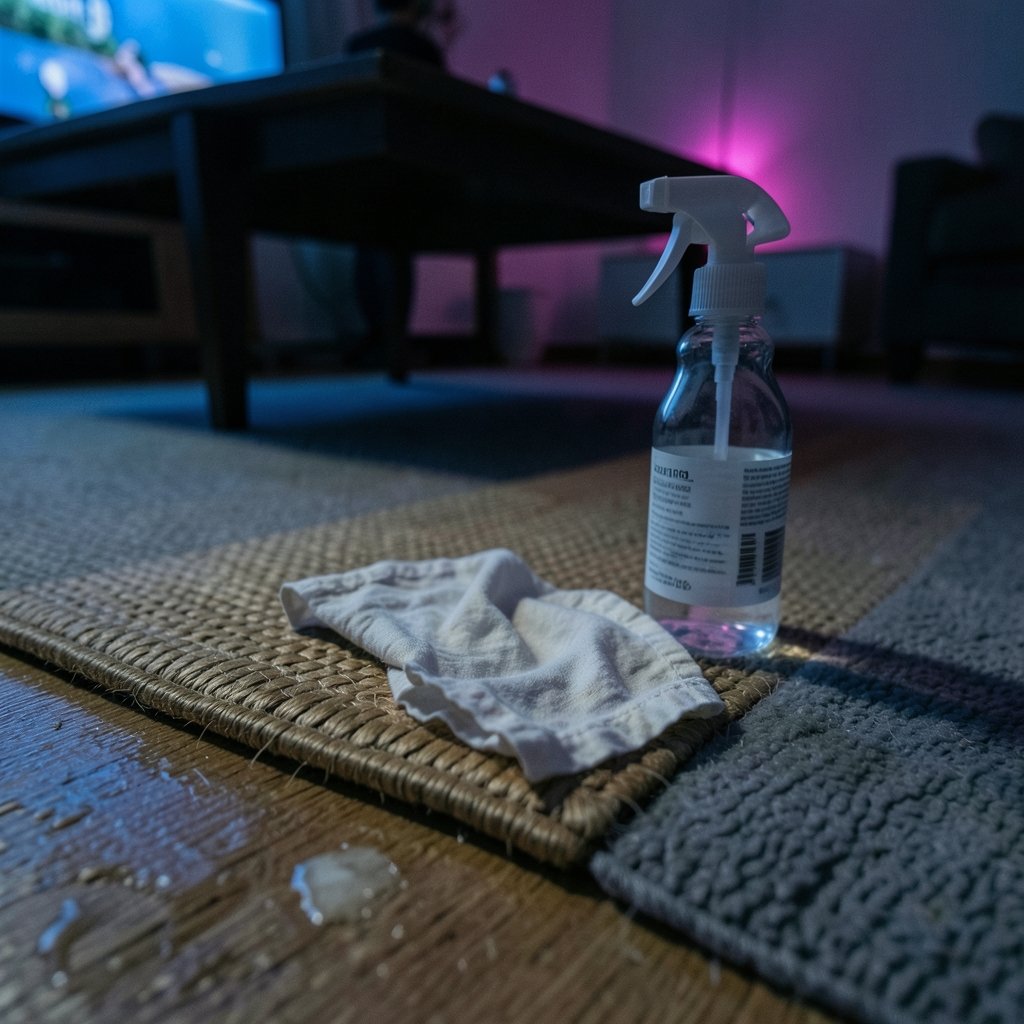
Fiber type is the single biggest filter. A product that transforms a synthetic rug can wreck a natural one.
| Fiber type | What works well | What to avoid | Practical note |
|---|---|---|---|
| Nylon and polyester | Most water-based detergents, foam cleaners, machine extraction | Over-wetting, harsh bleaching agents | Tough and forgiving; rinse well to prevent resoiling |
| Wool | pH-neutral or wool-safe formulas, low-moisture methods | High-alkaline cleaners, hot water, aggressive scrubbing | Alkaline products can dull and damage wool over time |
| Sisal, jute, coir | Dry methods, minimal moisture, professional help for spills | Wet shampooing, soaking | Plant fibers can shrink, brown, or bleed |
| Cotton and blends | Mild detergent, quick extraction | Long soaking | Watch for color bleed on dyed yarns |
Wool deserves special caution. Wool-care guidance from standards bodies consistently points to pH-neutral products, because wool fibers are sensitive to high alkalinity. If you own a wool living room carpet, treat “gentle and neutral” as a hard rule, not a suggestion.
Natural plant fibers are their own trap. Many people buy a beautiful sisal rug and then attack a spill with a wet shampoo. The result is a water ring or a shrunken corner. A good rule of thumb: if the fiber came from a plant, keep moisture to a minimum. There is a useful breakdown of sisal carpet, where it works and who should avoid it that covers this in more depth before you commit to a wet method.
What “best” looks like for different jobs
For everyday spots and spills
Speed wins. Blot liquid with a white cloth, work from the outside of the stain inward, and use the mildest product that does the job. A pH-neutral detergent diluted per the label handles most food and drink spills. For grease, a solvent-based spot remover is the right tool. Test any product on a hidden patch first, especially on wool and dark colors.
For whole-room deep cleaning
Machine extraction does the main work here. Hot-water extraction machines (often called “steam cleaners,” though they use hot water, not pure steam) spray cleaning liquid into the pile and vacuum it back out. The rinse step is not optional. Run a plain-water pass after the detergent pass to pull residue out, then ventilate and dry the room fast.
Renting a machine? Buy or rent a machine-compatible cleaning liquid rather than improvising with dish soap. Dish soap foams heavily, and foam is hard to extract. Excess suds can leave sticky residue that traps dirt for months.
For pet accidents
Pet urine is a distinct problem, not a generic stain. It soaks through the pile into backing and padding, and odor returns when humidity rises. Enzyme-based cleaners are the standard recommendation because enzymes break down the uric acid compounds that cause smell. Surface spraying alone rarely fixes old accidents. You often need to saturate, dwell, and extract, sometimes repeatedly. Veterinary and extension-service guidance is the place to check specifics for your situation.
For allergen and asthma concerns
Thorough cleaning and thorough drying reduce moisture and allergen retention in carpets. That is the practical takeaway from public-health indoor air quality guidance. The drying part gets skipped constantly. A carpet left damp for two days is a moisture problem wearing a clean-looking disguise. Fans, open windows, and dehumidifiers are part of the cleaning job, not an afterthought.
How to judge a cleaner before you buy
Labels are full of marketing. A few signals cut through it.
- Third-party certification. The Carpet and Rug Institute runs a Seal of Approval program that tests cleaning products and equipment against defined protocols. A product listed there has been evaluated on something more than a slogan. The U.S. EPA’s Safer Choice program publishes criteria for safer carpet cleaner formulations, which is a neutral way to weigh indoor chemistry.
- Low-VOC, low-toxicity claims. Indoor air quality matters, especially in small rooms with poor ventilation. Safer-chemistry labeling is a reasonable proxy for gentler formulations.
- Clear dosage instructions. A product that tells you exactly how much to dilute is easier to rinse out properly. “Use liberally” is a resoiling risk.
- Fiber compatibility notes. Good products say what they should not touch. If the label is silent on wool or natural fibers, assume it is not for them.
One more signal: match the product to your machine. Solutions formulated for extraction machines are designed to rinse clean. Hand-spot cleaners are concentrated for small areas. Using one as the other wastes money and often underperforms.
The mistakes that make any cleaner look bad
A great product cannot rescue a bad method. These are the errors that show up again and again.
- Over-applying detergent. More soap does not mean more clean. It means more residue. Follow the dilution ratio.
- Skipping the rinse. Always run a clean-water pass after a detergent pass with an extraction machine.
- Scrubbing instead of blotting. Friction pushes soil deeper and can fuzz the pile. Blot, press, lift.
- Letting the carpet stay damp. Aim for fast, thorough drying. Damp backing invites odor and mildew.
- Testing nothing. Colorfastness varies wildly. Test in a closet or corner first.
- Using the wrong chemistry on wool. High-alkaline products can dull and damage wool fibers. Go neutral.
- Treating old pet stains like fresh spills. Surface cleaning will not reach the pad. Enzymes plus deep extraction are usually needed.
If you are choosing carpet for a room and thinking ahead about cleaning, the style you pick shapes the effort. High-pile and plush carpet styles hold soil and moisture differently than low-loop constructions, and a quick look at living room carpet styles can save you years of frustrating cleaning.
Machine versus manual: what actually works in practice
Here is the honest practical picture, based on how these tools behave in real homes.
Extraction machines deliver the deepest clean on synthetic wall-to-wall carpet. They win on whole-room jobs and pet accidents. They lose points on setup time, drying time, and risk of over-wetting if you rush.
Portable spot cleaners are the sweet spot for apartments and quick fixes. They handle small areas well and dry fast. They struggle with large rooms and old, set-in stains.
Sprays and foams are fast and convenient for fresh spots. They are the weakest option for deep soil because there is no extraction step, so residue stays in the pile.
Powder cleaners work by absorbing soil and getting vacuumed away. They are a decent low-moisture option for wool and delicate fibers. They are not a substitute for a deep clean.
Professional cleaning remains the right call for delicate natural fibers, valuable rugs, and anything with a warranty condition attached. Some carpet warranties require periodic professional cleaning to stay valid, so check the terms before you DIY a whole room.
The pattern is consistent: the more water and chemistry you introduce, the more extraction and drying discipline you owe the carpet. That single principle explains most “the cleaner ruined my carpet” stories.
A simple decision path
Start with the fiber. If it is wool or a plant fiber, choose a pH-neutral or low-moisture method and test first. If it is synthetic, you have room to use standard detergents and extraction.
Then match the job. Fresh spot: mild detergent or a targeted spotter. Grease or oil: solvent-based remover. Pet accident: enzyme cleaner plus deep extraction. Whole room: extraction machine with a proper rinse pass.
Then match the product to a standard. A certification listing from an industry testing program or a safer-chemistry label is a better guide than a five-star average. And always plan the drying step before you start, not after.
Conclusion
The best carpet cleaner is not a bottle. It is a decision: fiber, stain type, method, and rinse discipline, in that order. Get the match right and even a modest product performs well. Get it wrong and the most expensive formula on the shelf will still leave you with a sticky patch and a lesson.
Pick your fiber first, respect wool and natural materials, rinse what you apply, and dry fast. Do those four things and you will spend less, clean better, and stop wondering why the carpet looks tired a month after washing. The product on the label matters. The method in your hands matters more.
Frequently Asked Questions
What is the best carpet cleaner for wool carpets?
A pH-neutral or wool-safe formula applied with minimal moisture. Wool fibers are sensitive to high alkalinity, so strong detergents can dull and damage them over time. Test on a hidden area, blot rather than scrub, and dry quickly with good airflow.
Are enzyme cleaners really better for pet stains?
For urine, yes, generally. Enzymes break down the uric acid compounds that cause lingering odor, which ordinary detergents do not neutralize. Fresh surface spills may respond to a standard spotter, but old accidents usually need saturation, dwell time, and extraction, sometimes more than once.
Why does my carpet get dirty again so fast after cleaning?
Residue. Soap left in the pile attracts new dirt, a problem known as resoiling. It usually means too much detergent, no rinse pass, or slow drying. Run a clean-water extraction pass after the detergent pass and ventilate the room.
Can I use dish soap as carpet cleaner?
It is better avoided for anything beyond a tiny emergency spot. Dish soap foams heavily, and foam is difficult to extract from carpet. Leftover suds become sticky residue that traps dirt. A diluted carpet-specific detergent rinses out far more predictably.
Do I need a machine, or is a spray enough?
It depends on the job. Sprays and foams are fine for fresh, small spots. Whole-room deep cleaning and pet accidents need extraction to pull out soil and cleaning liquid. Without extraction, residue stays behind and performance drops.
How long should a carpet take to dry after cleaning?
Aim for several hours, not days. Good airflow, open windows, and a dehumidifier speed things up. Carpet left damp for a day or more invites odor and mildew in the backing and pad, so plan drying before you start cleaning.