What if the pump that works best for one parent is a terrible fit for another? That sounds obvious, yet most “best breast pump” lists ignore it. A pump that shines for a parent working twelve-hour shifts may frustrate someone who pumps twice a day at home. The real question isn’t which model wins a ranking. It’s which pump matches how often you pump, where you pump, what your insurance covers, and how your body responds.
This guide breaks that down. It covers pump types, what insurance actually pays for, flange fit, cleaning, and the mistakes that trip up first-time pumpers.
Why There Is No Single Best Breast Pump

Clinical guidance and consumer resources tend to frame pump choice around use case rather than crowning one universal winner. That’s not a dodge. It reflects how differently pumps get used.
Someone pumping occasionally to relieve engorgement needs something different from a parent exclusively pumping eight times a day. A commuter needs battery life and a quiet motor. A parent with a NICU baby may need a multi-user rental pump. Matching the tool to the job matters more than brand loyalty.
There’s also a practical reality: your body gets a vote. Some parents respond well to any decent pump. Others need strong suction, specific cycle patterns, or a particular flange shape before milk flows well. A pump with glowing reviews can still underperform for you.
The Main Types of Breast Pumps
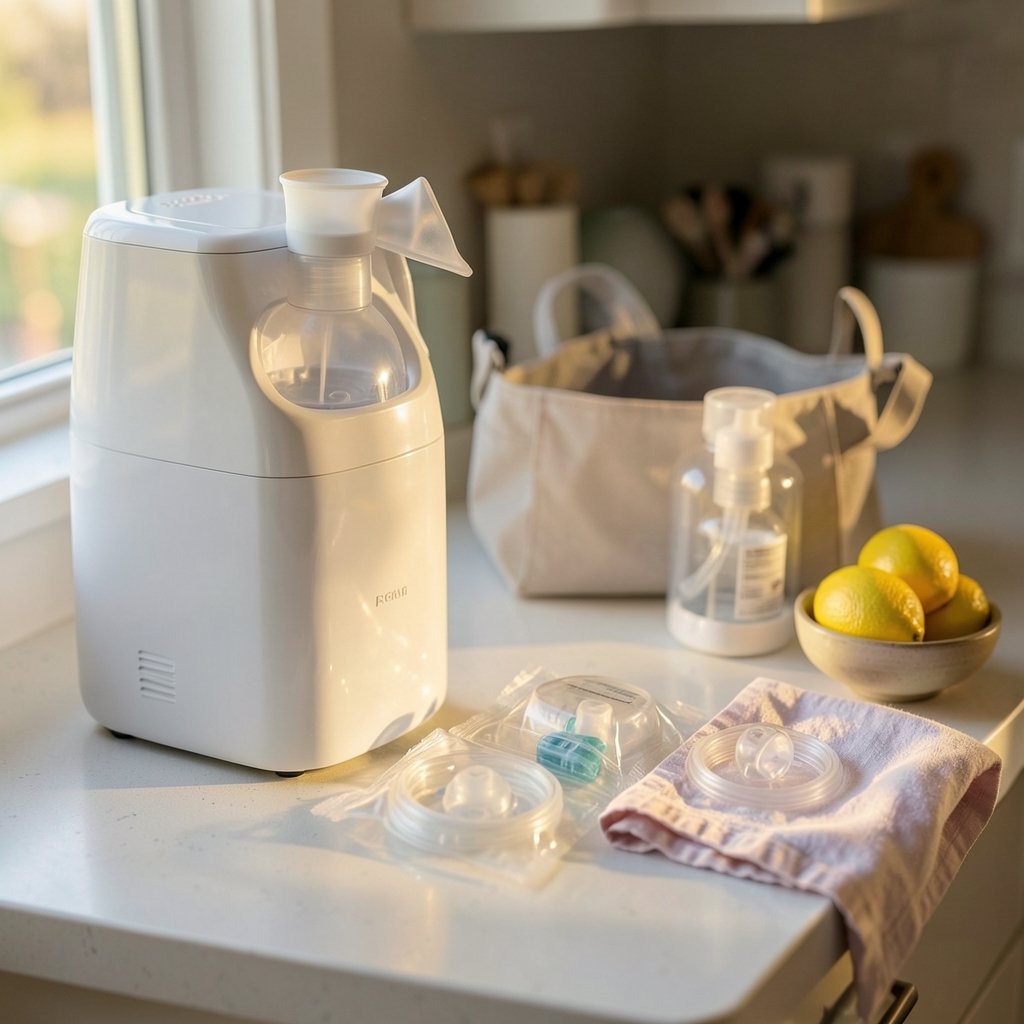
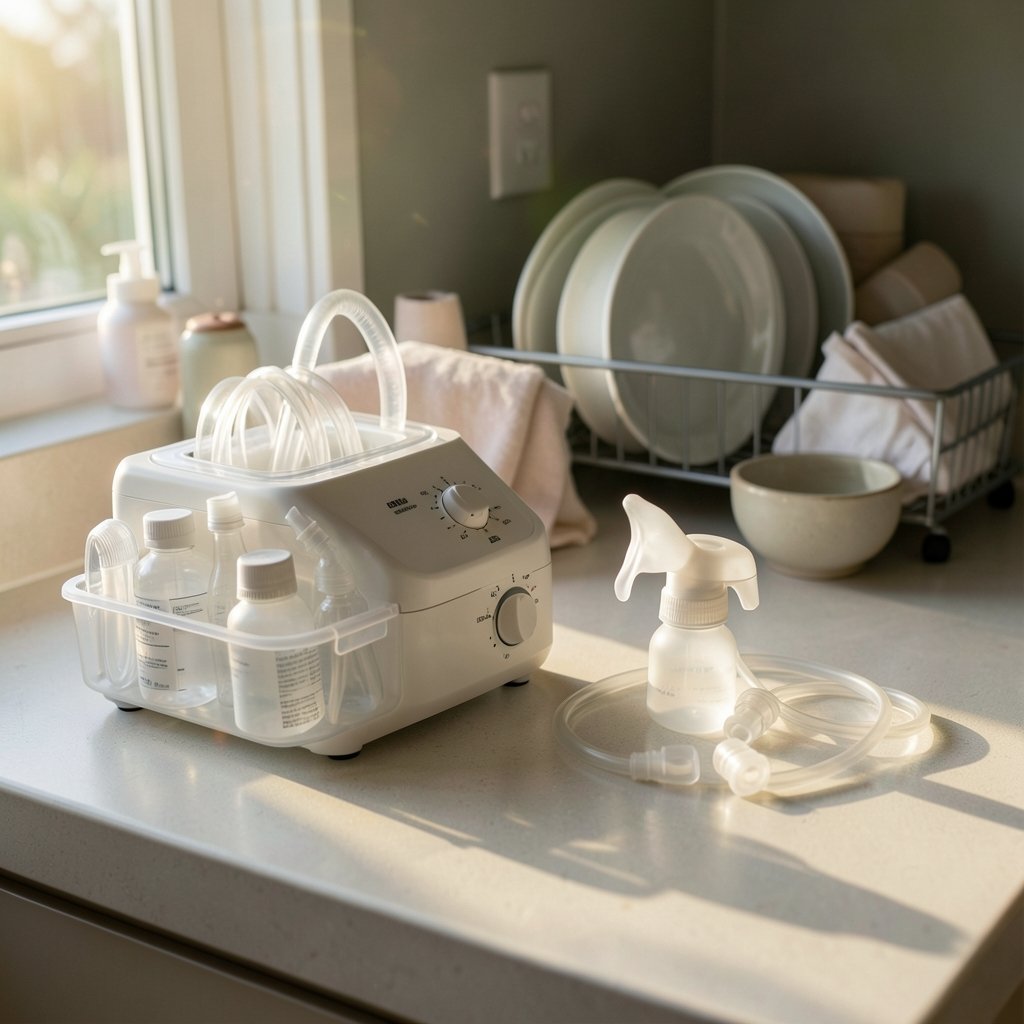
Knowing the categories helps you filter fast. Here’s how they compare.
| Pump type | Best for | Strengths | Trade-offs |
|---|---|---|---|
| Manual (hand) pump | Occasional use, travel, backup | Cheap, quiet, no power needed, good control | Tiring hands, one side at a time, slow for frequent pumping |
| Single electric | Light daily use | Affordable, simple | Slower; pumping both sides at once is more efficient |
| Double electric (personal use) | Regular or daily pumping, work | Efficient, hands-free options, portable models | Costs more; not meant to be shared |
| Wearable / in-bra pump | Discreet pumping on the move | Cordless, fits in a bra, quiet | Weaker suction on some models, smaller cups, pricier |
| Multi-user (hospital-grade) rental | Establishing supply, NICU, exclusive pumping | High suction, durable, designed for multiple users with separate kits | Heavy, expensive to rent long term, not portable |
A key distinction: multi-user pumps are built for more than one person, provided each user has her own collection kit. Personal-use pumps are generally not intended to be shared, even between friends or family. That’s a safety point worth taking seriously.
What Insurance Actually Covers
In the United States, most private health plans must cover breastfeeding support and supplies, including breast pumps, without cost sharing. This comes from the Affordable Care Act’s preventive-services provision, which applies to plan years beginning on or after September 23, 2010. The details are where things get messy.
Coverage varies by plan. Some cover a double electric pump; others cover a manual pump or a rental. Some require you to order through a specific supplier. Timing rules differ too, often tied to late pregnancy or delivery.
Practical tip: Call your insurer before your third trimester and ask three questions. Which pump models are covered? Which supplier must I use? When can I order? Get the answers in writing if you can. Parents who wait until the hospital discharge often end up paying out of pocket or settling for whatever is in stock.
The WIC program also provides breast pumps through many state agencies, though eligibility and equipment vary by state. If you qualify for WIC, ask your local office early.
Matching the Pump to Your Pumping Life
Before comparing specs, sketch out your actual routine. Honest answers here save money and frustration.
If you pump a few times a week
A manual pump or a basic single electric is often enough. It’s cheap, portable, and easy to stash in a bag. You don’t need to spend hundreds on a wearable you’ll use twice.
If you pump daily for work
Look for a double electric with good battery life, a quiet motor, and parts that are easy to clean. Consider a pump that fits standard bottles and has replacement parts you can buy locally. Portability matters more than raw power here.
If you’re exclusively pumping
This is the heavy-duty scenario. You may want a strong double electric at home plus a wearable or manual for backup. A multi-user rental pump can help if supply is still being established. Expect to replace valves and membranes regularly, since worn parts quietly reduce suction.
If you need discretion on the go
Wearable pumps have improved a lot, but most trade suction strength for portability. They work well for maintenance pumping. They can struggle if you’re trying to build supply from scratch. Many parents keep one for errands and a full-size pump for home.
If you’re also thinking about fitness while breastfeeding, it helps to know how different pump styles compare to exercise gear. The mechanics of a frog pumps glute bridge variation that trains hips without straining your back are a world away from a breast pump, but both reward correct positioning. And if you’ve ever wondered why a body pump results before after changes when question dominates fitness forums, it’s the same lesson: consistency and fit beat brand hype.
Flange Fit: The Most Overlooked Detail
Ask experienced pumpers what they’d change about their early pumping days, and flange size tops many lists. The flange (also called a breast shield) is the funnel your nipple sits in. If it’s too small, pumping hurts and milk comes slowly. Too large, and you get friction, leakage, and poor suction.
Sizing guidance varies by source, and there’s no single universal standard. A common starting point is measuring nipple diameter and adding a few millimeters, but comfort and output are the real tests. Signs of a bad fit include pinching, rubbing, areola pulled deep into the tunnel, or milk that sprays unevenly.
Many pumps ship with one or two flange sizes. If yours doesn’t fit, buy the right size separately. It’s one of the cheapest upgrades you can make, and it often changes output more than switching pumps would.
Cleaning and Safety Basics
Breast pumps are regulated as medical devices in the United States, which reflects that milk contact and hygiene matter. Cleaning guidance has been updated over time, so check current public-health recommendations rather than relying on a manual from an older pump.
The everyday routine is straightforward. Wash pump parts that touch milk in hot soapy water after each use, rinse well, and air dry on a clean towel. Some families sanitize daily, especially with premature or immunocompromised infants. Follow the guidance for your situation.
Two common mistakes: soaking parts in the sink without scrubbing, and letting milk sit in valves and membranes. Small parts hide residue. A small dedicated brush helps.
Pumping at Work: Know Your Rights
US federal law expanded workplace pumping protections through the PUMP Act, enacted December 29, 2022. It covers many employees, though scope and exemptions are detailed. In broad terms, it supports break time and a private space for pumping.
In practice, the law is only as good as the conversation. Ask about a pumping space before you return from leave. Confirm it’s private, has an outlet, and isn’t a bathroom. Store milk properly and label it. Parents who plan ahead report far less stress than those who improvise.
Common Mistakes First-Time Pumpers Make
A few patterns show up again and again.
- Buying before checking insurance. Order through the covered supplier first, then buy extras.
- Ignoring flange size. Use the included flanges as a starting point, not a final answer.
- Skipping replacement parts. Valves and membranes wear out. Swap them on schedule.
- Choosing a pump for looks over output. A pretty wearable that removes little milk won’t help your supply.
- Pumping on the highest suction. More suction isn’t better. Comfortable suction that triggers letdown removes more milk.
- Not measuring output realistically. Output varies by time of day and stress. Track trends, not single sessions.
When a Rental Pump Makes Sense
Multi-user rental pumps are the workhorses of lactation support. They have strong suction, are durable, and are designed for multiple users with separate collection kits. They’re often recommended when a parent needs to establish supply, pump exclusively for a preterm baby, or troubleshoot low output with a clinician.
The trade-offs are real. Rentals are heavy, not portable, and monthly fees add up. Many parents rent for a few weeks, then transition to a personal pump once supply stabilizes. If you’re weighing equipment decisions more broadly, the same logic applies to home systems like a submersible well pumps they work size one right choice: capacity and duty cycle matter more than the label on the box.
Support Matters More Than the Machine
Pumps are tools, not guarantees. Reviews of breastfeeding support find that help from peers and professionals can increase how long and how exclusively parents breastfeed. A lactation consultant can check latch, flange fit, and pump technique in one visit. Peer support groups offer practical tips no manual covers.
If supply worries you, get help early. Small adjustments, like a better flange, a hands-on pumping session, or a schedule tweak, often do more than a new pump.
Conclusion
The best breast pump is the one that fits your routine, your body, and your budget. Start with your insurance coverage, then match the pump type to how often and where you’ll pump. Get the flange size right, keep parts clean and replaced, and plan your workplace setup before leave ends. If output or comfort problems persist, bring in a lactation professional rather than buying another device. A pump is equipment. The plan around it is what makes it work.
Frequently Asked Questions
Is a hospital-grade pump better than a personal pump?
Not automatically. Multi-user rental pumps have strong suction and are durable, which helps when establishing supply or pumping exclusively. But they’re heavy and costly to rent. Many parents use one short term, then switch to a personal double electric that fits daily life better.
Can I share a breast pump with a friend or family member?
Personal-use pumps are generally not intended to be shared, even with a separate kit, because milk can enter the motor housing. Multi-user pumps are the exception; they’re designed for multiple users as long as each person has her own collection kit.
How do I know if my flange is the wrong size?
Watch for pinching, rubbing, or pain while pumping, areola pulled deep into the tunnel, or milk that doesn’t flow well. Comfort and output are the best tests. Many pumps include one or two sizes, but buying the correct size separately is cheap and often improves results.
Does insurance really cover a breast pump?
Most private plans must cover breastfeeding support and supplies, including pumps, without cost sharing, under the Affordable Care Act’s preventive-services provision. Details vary by plan, including which models and suppliers are covered and when you can order. Call your insurer before your third trimester and confirm the rules.
How often should I replace pump parts?
Valves and membranes wear out fastest and are usually the first to go. Replace them on the schedule your pump maker recommends, or sooner if suction drops. Flanges and tubing last longer but should be checked for cracks, cloudiness, or residue.
What should I ask about pumping at work?
Ask where the private pumping space is, whether it has an outlet and a door that locks, and how break time works. Federal law expanded protections for many employees, but the details depend on your employer and role. Sorting this out before you return from leave prevents a lot of stress.