


Quick Answer: What are the best tasting menus in Seattle?
The strongest tasting menus in Seattle reward diners who book around a chef’s strength rather than a restaurant’s reputation. The practical answer is to pick a menu by style, season, and budget, then confirm the details directly with the restaurant before booking. Seattle’s scene splits into seafood-driven menus, Pacific Northwest produce showcases, and small, chef-led counters.
Some options lean into multi-hour, high-ticket experiences, while others offer shorter, more affordable set menus that still feel special. Neighborhood matters too, since Capitol Hill, Belltown, and Ballard hold many of the city’s destination kitchens. Before committing, compare price per person, course count, beverage pairing cost, dietary accommodations, cancellation policy, and reservation lead time.
Why Seattle Is a Genuinely Great Tasting Menu City
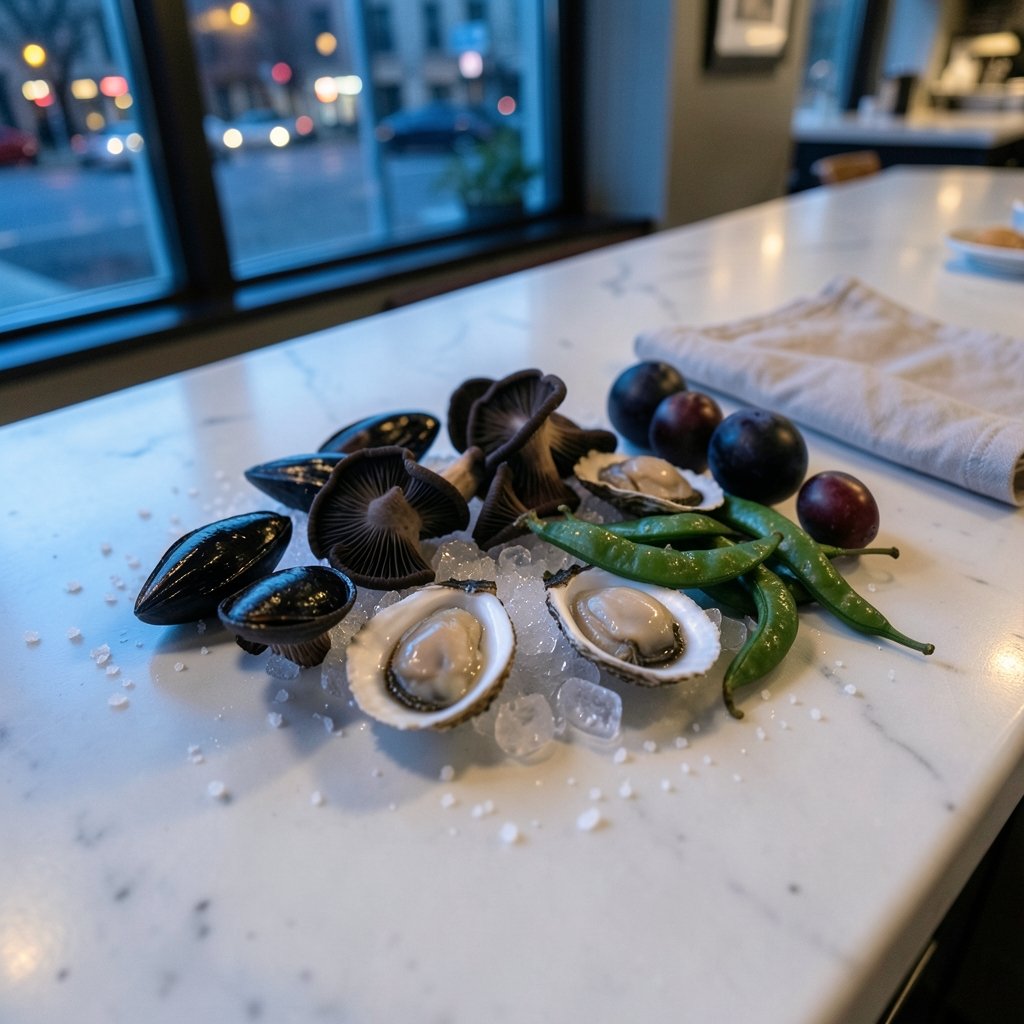
Can a city built on salmon, rain, and stubbornly independent chefs actually compete with the fine-dining capitals? In Seattle’s case, yes, and the reasons are more practical than glamorous.
The Pacific Northwest sits in one of the most productive food sheds on the continent. Chefs here work with shellfish from cold water, foraged mushrooms, orchard fruit, and greens that stay in season longer than most cooks expect. That abundance pushes tasting menus toward produce and seafood rather than heavy protein centerpieces, which gives the format a lighter, more seasonal personality than you find in many cities.
Seattle also has a strong culture of small, chef-owned rooms. Many of the most interesting set menus come from kitchens with a few dozen seats, where the person cooking is often the person plating your course. That intimacy is the real draw. You are not buying luxury for its own sake; you are buying a front-row seat to somebody’s specific point of view. (Home cinema seat sizes)
There is a catch worth naming early. Seattle’s restaurant scene changes fast. Chefs move, concepts pivot, and a menu that wowed people last year may look completely different now. Treat any list, including this one, as a starting point for your own homework rather than a final verdict.
How to Judge a Tasting Menu Before You Book
Most disappointment at a tasting menu traces back to mismatched expectations, not bad cooking. A diner expecting a leisurely four-hour event who books a quick ninety-minute set menu will feel rushed. Someone hoping for adventure who lands in a conservative room will feel bored.
Here is a simple comparison of what the main formats actually deliver.
| Format | Typical length | Best for | Watch out for |
|---|---|---|---|
| Chef’s counter, small room | 2 to 3.5 hours | Adventurous eaters, special occasions | Limited seating, long booking windows |
| Seafood-led menu | 2 to 3 hours | Pescatarians, visitors wanting local flavor | Fewer options for meat-focused guests |
| Seasonal produce menu | 1.5 to 2.5 hours | Vegetarians, repeat diners | Menus shift often, so favorites vanish |
| Short set menu | 60 to 90 minutes | Weeknight splurges, tighter budgets | Less pacing, fewer courses |
Beyond format, check a few practical details that trip people up. First, confirm whether the price includes service charges or gratuity, since Seattle’s wage rules mean some rooms build service into the bill and others do not. Second, ask how dietary restrictions are handled and how far in advance they need notice. Third, look at the cancellation policy before you commit, because tasting menus often require a deposit.
A useful habit: read the current menu on the restaurant’s own site, not a review from three years ago. If the menu is not posted, that is your signal to call.
What Actually Works When You Dine
Experience matters more than theory here, so a few field-tested habits help. Book the earliest or latest seating if you want a calmer room; the middle of service is when kitchens run hottest and loudest. Arrive hungry but not starving, since multi-course menus build slowly. Tell your server your pace early. If you want a breather between courses, say so at the start rather than fuming at course four.
Skip the instinct to photograph every plate. It sounds preachy, but diners who stay present tend to enjoy the arc of the meal more, and the food is designed to be eaten hot.
Pairing decisions matter too. A full beverage pairing can double your bill, so ask whether half-pours are available. Many rooms offer them, and they let you taste the chef’s intended matches without committing to a long, boozy evening. If you are driving, or simply want to taste the food clearly, a single glass chosen by the sommelier is often the smarter move.
One more practical point: tip and service-charge confusion is common in Seattle. Read the check carefully, and if something is unclear, ask before you pay rather than after. Nobody minds the question, and it prevents an awkward end to a great night.
The Seafood-Forward Menus
If you want a tasting menu that could only exist here, start with the seafood-led rooms. These menus lean on local shellfish, finfish, and seaweed, and they tend to be the most distinctly Northwestern experience on offer.
What should you look for? Freshness signals are easy to read once you know them. Menus that change with the tide and the season suggest a kitchen buying carefully. Menus that list the same six seafood courses year-round suggest a kitchen buying on contract. Neither is automatically bad, but the first usually delivers more surprise.
Seafood menus also tend to be gentler on the palate over many courses. Rich butter and cream appear, but so do bright citrus, vinegar, and herb finishes that keep the meal from feeling heavy. That makes them a strong choice for diners who worry a long menu will leave them overstuffed.
The trade-off is dietary flexibility. If someone in your party does not eat shellfish, call ahead rather than assume substitutions are easy. Good kitchens will accommodate, but the best results come from a heads-up, not a surprise at the table.
The Produce-Driven and Vegetarian Menus
Seattle’s vegetable cooking deserves more attention than it gets. Several kitchens build entire menus around what is growing within a short drive, and the results can be revelatory for anyone who thinks a vegetarian tasting menu means a plate of roasted roots.
The best produce-led menus use technique to create depth: charring, fermenting, curing, and layering textures so each course feels complete. When it works, you do not notice the absence of meat. When it does not, you get a parade of pleasant but forgettable vegetables.
How do you tell the difference before booking? Look at how the menu describes its dishes. Specificity is a good sign. A course described by farm, variety, or technique suggests a kitchen that cares about the ingredient. Vague descriptions like “seasonal vegetables” suggest a menu built around whatever arrived that morning, which can be charming or lazy depending on the kitchen.
Vegetarians should also ask whether the menu is fully plant-based or merely adaptable. Some rooms offer a parallel vegetarian menu; others improvise. The first is usually the safer bet for a special occasion.
Budgeting for a Seattle Tasting Menu
Tasting menus are expensive, and Seattle is not a cheap city. The honest advice is to budget for more than the menu price. Between service charges, beverages, tax, and a possible deposit, the final bill can land well above what the menu headline suggests.
A simple planning approach helps. Decide your total budget per person first, then work backward. If the menu alone consumes most of it, plan for a single glass of wine rather than a pairing. If you have room, the pairing is often where the kitchen shows its personality.
Weeknights are usually easier to book and sometimes cheaper. Many rooms offer shorter menus or slightly lower prices earlier in the week, which makes a Tuesday splurge surprisingly achievable. Lunch, where offered, is another underrated route into a kitchen’s cooking at a lower price point.
Finally, consider what you are actually paying for. A tasting menu is partly food and partly theater: the pacing, the service, the room. If you value the whole experience, the price feels fair. If you mainly want excellent ingredients, a la carte at a great neighborhood restaurant may serve you better. There is no shame in either choice.
Common Mistakes That Ruin a Good Menu
The single most common mistake is booking based on a review rather than a current menu. Restaurant coverage ages quickly, and a rave from a few years back may describe a kitchen that has since changed hands or direction. Always verify on the restaurant’s own site or by phone.
The second mistake is ignoring timing. Tasting menus are paced experiences, and arriving late throws off the kitchen and your own enjoyment. Build in buffer time for parking and transit, especially in dense neighborhoods where street parking is a gamble.
The third is treating dietary needs as an afterthought. Mention restrictions when you book, confirm again a day ahead, and remind your server on arrival. Redundancy feels excessive until it saves your evening.
The fourth is overordering on drinks. A pairing plus cocktails plus a nightcap adds up fast. Decide your beverage plan before you sit down, not after the second glass.
The fifth, and maybe the most human, is chasing hype. The hottest reservation is not always the best meal for you. A quieter room that matches your tastes will usually beat a celebrated one that does not.
If you are also thinking about how you will get home afterward, the same care you put into booking applies to the ride. Even a short trip deserves attention to basics; the principles in this guide to seat belt safety are a reminder that the end of a great night still needs a safe plan.
How to Build Your Own Shortlist
Rather than chase a single definitive ranking, build a shortlist that fits your priorities. Start with the style you want: seafood, produce, or a chef’s counter. Then filter by neighborhood and budget. Then check current menus and availability.
A practical shortlist usually holds three to five candidates. That gives you flexibility when your first choice is booked, which happens often at small rooms. Sign up for reservation alerts where offered, and be willing to take an early or late seating to get in.
It also helps to think seasonally. Late summer and early fall are generous months for local produce, while winter menus lean on storage crops, citrus, and preserved ingredients. Neither is better, but knowing what to expect keeps you from feeling let down by a menu that is simply reflecting the calendar.
If you are planning a dinner at home around the same themes, the same judgment about quality and fit applies to everyday purchases. A practical buying guide for tough, graphic seating covers how to choose gear that lasts, which is the same logic you apply to picking a restaurant worth your money.
And if you are hosting rather than dining out, small details shape the experience. Knowing how to tell a sting from a problem when a product burns your skin is the kind of practical knowledge that keeps a gathering comfortable.
Conclusion
The best tasting menu in Seattle is not a fixed name on a list. It is the one that matches your budget, your appetite for adventure, and the kind of evening you actually want. Seattle’s strength is variety: seafood-led rooms that taste like the region, produce-driven kitchens that surprise vegetarians, and small chef’s counters where the cooking feels personal.
Do the homework that matters. Read current menus, call about dietary needs, understand the service charge, and book with buffer time. Then show up hungry, curious, and willing to let the kitchen lead. That combination, more than any ranking, is what turns a pricey dinner into a memory worth keeping.











