

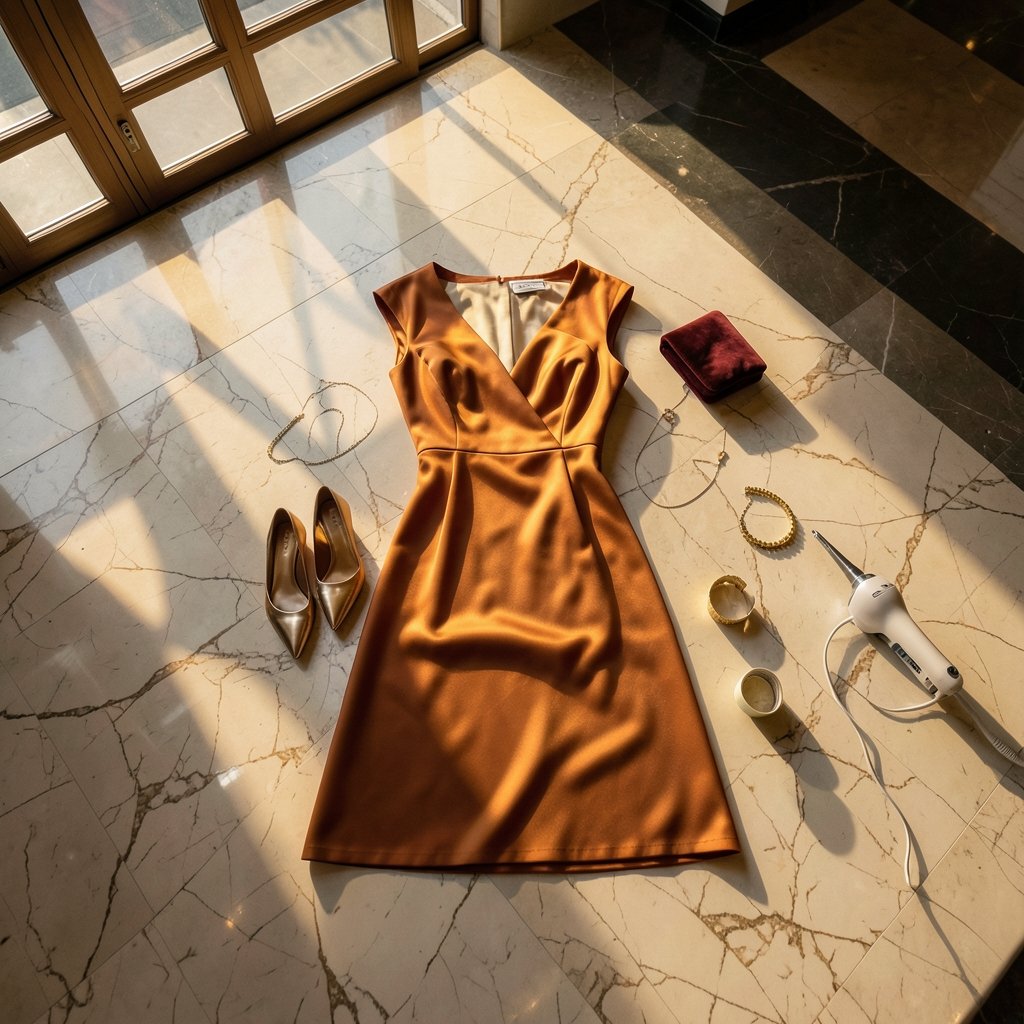
Quick Answer: How Celebrity Stylists Build Iconic Looks — and How to Copy Them?
Celebrity stylists build iconic looks by treating an outfit as a story rather than a shopping list. They start with a clear identity, choose one anchor piece, then build every other choice around it so the whole look reads as one idea. Readers can copy the same process at home by defining a style story, testing pieces in a fitting, and editing ruthlessly before an event. (Braids celebrity most copied looks actually tell us)
The method works for a red carpet, a press tour, or a Tuesday. Some stylists lean on drama and volume, while others strip things back to polish and fit. The difference is in the editing, not the budget.
Before starting, compare your occasion, the message you want to send, your existing wardrobe, the fit across shoulders and waist, your comfort level, and how much time you can give to alterations.
Why Iconic Looks Feel Different

Ever notice that some outfits look expensive even when nothing about them is loud? That is not luck. It is a decision made early and defended all the way to the door.
Law Roach, the stylist behind Zendaya’s Met Gala moments, Anya Taylor-Joy’s Golden Globes looks, and Lewis Hamilton’s streetwear, has spent years turning outfits into what the fashion world calls moments. His book, How to Build a Fashion Icon, lays out that philosophy as a confidence manifesto rather than a shopping guide. The core idea: the person comes first, the clothes second. (Dark academia fashion build look without costume energy)
That flips the usual approach. Most people start with a dress and hope it works. Stylists start with a person, a mood, and a story, then go looking for the piece that serves it.
What You Need Before You Start
Copying a stylist’s process is easier when you gather a few things first. None of them cost money.
- A one-sentence style story. Write down who you are in that outfit and where you are going. “Quiet and sharp for a work dinner” is enough.
- A photo of yourself from the last time you felt great. This is your reference point, not a celebrity photo.
- Two or three anchor pieces you already own. Stylists build around what exists before they pull anything new.
- A mirror you can step back from. Full length, good light. You need to see the whole silhouette, including the lower half.
- Time for one fitting. Even a ten-minute try-on with shoes on changes what you notice.
Step 1: Define the Style Story Before Touching Clothes
The first job is naming the idea. Roach’s approach, as summarized in coverage of his book, treats image as something you architect, not something you stumble into.
In practice, that means answering three questions in writing: What do I want people to feel when they see me? What do I want to feel wearing it? What is the one thing I want them to remember?
The expected result is a filter. Once the story is set, half the wardrobe eliminates itself. That saves time and prevents the classic mistake of buying something beautiful that belongs to a different person’s story.
Step 2: Choose One Anchor Piece and Build Outward
Every memorable look has a center of gravity. It might be a color, a silhouette, a single dramatic sleeve, or a piece of jewelry. The rest of the outfit plays a supporting role.
This is where method dressing gets interesting. For a press tour built around a film franchise, a stylist might pull a dramatic gown and then spend days deciding whether the moment is right for it. In one widely reported case, a wedding-style dress was held back until the schedule offered an event big enough to carry it.
At home, the anchor is usually simpler. Pick the piece you love most and ask what it needs. A structured blazer wants a plain base. A voluminous skirt wants a fitted top. The rule: one star, everything else in chorus.
Step 3: Fit the Body, Not the Hanger
Fitting is where amateur looks and styled looks split apart. A stylist tries a piece on, pins it, and sends it back for alterations. Nothing walks out the door exactly as it arrived.
The practical version for most people is a tailor. Taking in a waist, shortening a hem, or adjusting a shoulder seam costs far less than a new outfit and changes more. Common mistakes include ignoring shoulder fit because it seems hard to fix, buying for the size on the label instead of the mirror, and skipping the try-on with the actual shoes.
The expected result after alterations is a garment that looks made for you. That single change does more for presence than any logo.
Step 4: Control Texture, Color, and Proportion
Stylists rarely rely on pattern alone. They balance three dials: texture, color, and proportion.
| Dial | What It Does | Easy Way to Copy It |
|---|---|---|
| Texture | Adds depth without print | Mix matte with one shine, or knit with leather |
| Color | Sets the mood and focus | Keep two neutrals, add one strong tone |
| Proportion | Controls the silhouette | Pair volume on top with a slim bottom, or the reverse |
The expected result is an outfit that reads clearly from across a room. If two elements compete for attention, remove one. That editing instinct is the whole skill in miniature.
Step 5: Finish With Hair, Grooming, and Details
The last ten percent carries a surprising amount of weight. A polished low ponytail, for instance, turns a basic outfit into something more sophisticated, and stylists note that a well-smoothed base and even texture do the heavy lifting rather than complicated technique.
The same logic applies to grooming. Healthy gums and a clean smile finish a look the way a hem finishes a dress. Details like nails, shoes, and the state of a bag are the quiet signals people register without naming.
The expected result is coherence. Nothing on the body should look like an afterthought.
Step 6: Test It in Real Conditions
Before the event, wear the full look at home for twenty minutes. Sit down. Walk up stairs. Raise your arms. Eat something.
This is the step most people skip, and it is where problems surface: a strap that slips, a shoe that bites, a jacket that rides up. Stylists do this work in fittings so nothing surprises the client on the night.
The expected result is confidence under real conditions, not solely in front of a mirror.
Common Mistakes and How to Fix Them
Copying the outfit instead of the logic. A celebrity look is built for their body, event, and lighting. Copy the structure, not the exact garment. If you love a braided updo or a specific haircut, borrow the shape and adapt it to your own hair rather than chasing an identical result.
Over-accessorizing. If the anchor is strong, everything else should be quiet. Remove one item before leaving the house and see if it looks better. It usually does.
Ignoring the occasion. A dramatic piece needs the right room. Wearing it to the wrong event makes it feel like a costume, which is the same trap that makes dark academia outfits look like fancy dress when the styling is too literal.
Skipping alterations. Off-the-rack fit is a starting point. Budget for a tailor the way you budget for the garment.
Buying new instead of editing. Most wardrobes already contain a workable look. The problem is usually arrangement, not inventory.
Forgetting comfort. A look you cannot move in reads as tension. Comfort is part of the design, not a compromise.
How to Adapt the Method to Your Own Wardrobe
The stylist method scales down neatly. Instead of a full team, use a phone camera and a spare hour.
Photograph five outfits built around one anchor piece. Compare them side by side and note which one makes you stand taller. That is your template. Repeat the structure with different anchors across the week, and you will notice a personal formula emerging.
It also helps to borrow from adjacent style worlds rather than copying them outright. A look built on mood and intellect, for example, works best when the wearer understands how to build that look without costume energy. The same is true of beauty details: knowing what healthy gums look like and keeping them that way supports the polish that finishes an outfit. (Fancyai skills they build them)
And when you find a cut that suits your face, keep the reference. Medium-length cuts that work on celebrities are worth copying precisely because they have already been tested under harsh light and constant photographs.
Why Confidence Is the Actual Ingredient
Roach’s book is subtitled notes on confidence, and that framing matters. The clothes are the visible layer. The confidence is the structure underneath.
This is why two people can wear the same dress and only one looks iconic. The person who has decided the outfit is theirs carries it differently. Stylists build that decision into the process through repetition: fitting, adjusting, rehearsing, then letting go.
For anyone copying the method, the takeaway is simple. Spend as much time deciding who you are in the outfit as you spend choosing the outfit. The rest follows.
Conclusion
Iconic looks are not accidents, and they are not reserved for people with stylists on speed dial. They come from a repeatable process: name the story, pick one anchor, fit it properly, balance texture and proportion, finish the details, then test it in real life.
The next time a red carpet look stops you mid-scroll, look past the dress. Ask what the story was, what the anchor piece did, and how everything else stayed quiet. Then run the same questions on your own wardrobe. You will not get a Met Gala moment tomorrow, but you will get something better: an outfit that looks like it was built on purpose, because it was.
Frequently Asked Questions
Do you need a big budget to copy celebrity styling?
No. The method is about decisions, not spending. A tailor, a full-length mirror, and an honest edit of what you already own will get most people further than a new purchase. Stylists work with fittings and structure first, and the budget only changes the materials.
What is an anchor piece and why does it matter?
An anchor piece is the one element a look is built around, such as a strong jacket, a dramatic skirt, or a signature color. It matters because it gives the eye somewhere to land. Everything else supports it, which is why styled outfits look calm instead of busy.
How long does it take to put a styled look together?
For a single event, plan on one planning session, one fitting, and one alteration appointment. That is usually enough. Rushed looks fail at the details, so build in time for the tailor and a final try-on with shoes and accessories.
Can this method work for everyday outfits as well as events?
It works better for everyday wear, because repetition builds skill. Try the same three-step routine each morning: pick the anchor, balance one dial, and remove one item. After a couple of weeks the process becomes fast and automatic.
What should you do if a piece fits everywhere except one spot?
Take it to a tailor. Waist, hem, and sleeve length are routine fixes, and shoulder adjustments are possible but more involved. If the shoulders are badly off, return the piece instead of fighting it, since that is the hardest area to rebuild.
How do you avoid looking like you are wearing a costume?
Keep one element dramatic and the rest grounded. Use real fabrics, proper fit, and details that suit the actual occasion. If the whole outfit is loud, the wearer disappears behind it, and that is the line between a styled look and fancy dress.











