


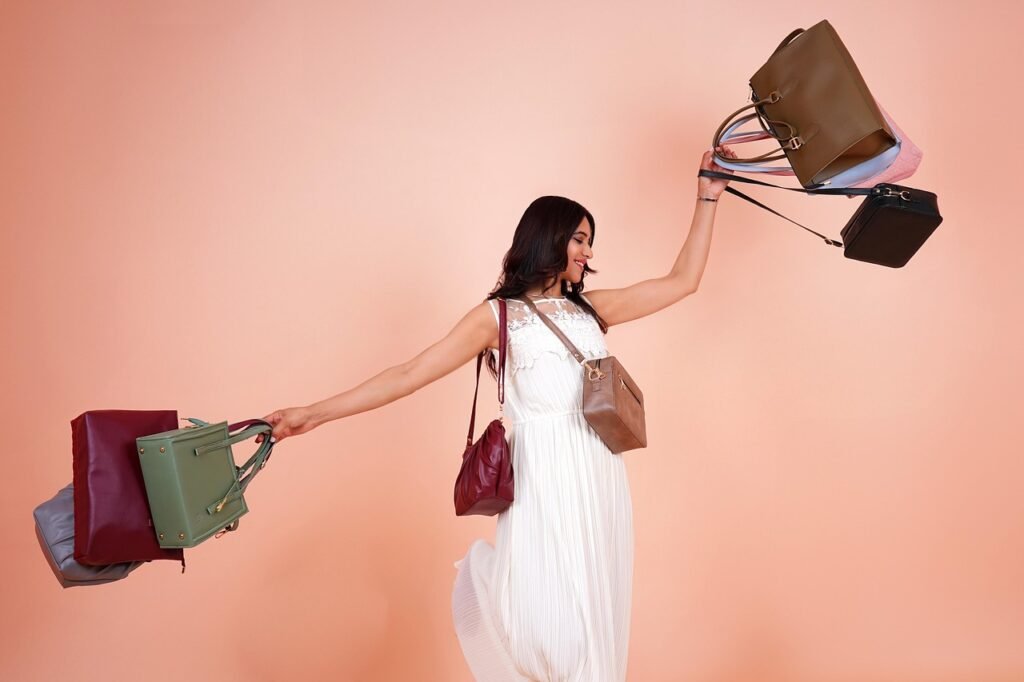
Quick Answer: Why Investing in One Great Bag Beats Ten Cheap Ones?
Buying one well-made bag beats buying ten cheap ones because the single bag delivers more total use, fewer failures, and less money lost to constant replacement. The practical path is to set a realistic budget, research materials and construction, and buy from a seller with a clear return policy.
A cheap bag is not really a cheaper bag; it is a shorter-lasting bag, and usually several of them in a row. The distinction matters because the money saved up front tends to reappear later as repairs, replacements, and time spent shopping again.
Before committing, compare total cost per year of use, material quality, stitching and hardware, warranty terms, resale value, and how the bag fits your actual daily routine.
The Real Math Behind Cheap Versus Great

Here is the question that changes how people shop: would you rather spend $60 four times or $200 once? Most shoppers instinctively pick the first option because each individual purchase feels smaller. But the arithmetic tells a different story.
A cheap bag that lasts a year and gets replaced three times costs $240 over three years, and that figure ignores the hours spent hunting for replacements, the annoyance of a strap failing mid-trip, and the landfill waste. A well-built bag at $200 that lasts five years costs $40 per year. The math only works if the expensive bag genuinely lasts, which is why the research phase matters so much.
| Factor | Ten cheap bags | One great bag |
|---|---|---|
| Upfront cost | Low per unit | High once |
| Cost per year of use | Often higher | Usually lower |
| Replacement frequency | Every few months | Every few years |
| Repair options | Rarely worth it | Often available |
| Resale value | Near zero | Meaningful |
| Decision fatigue | Constant re-shopping | One decision, done |
The pattern shows up in investing too. Concentrated positions in a few well-understood businesses tend to outperform scattered bets on dozens of mediocre ones, not because concentration is magic but because it forces real research. The same discipline applies to a purchase: one considered choice beats ten impulsive ones.
Why Cheap Bags Fail Faster
Cheap bags usually fail at predictable points. Zippers are the first casualty, because a low-grade coil or a poorly cast slider wears out within months of daily use. Stitching comes next, especially at stress points like handle attachments and strap anchors. Then lining fabric tears, hardware plating flakes, and the shape collapses.
None of these failures are random. They are the direct result of cost-cutting at the manufacturing stage: thinner thread, fewer stitches per inch, bonded leather instead of full-grain, plastic hardware instead of metal. A buyer who understands where a bag is likely to fail can inspect those exact spots before paying.
The practical tip here is simple and it works: turn the bag inside out. Look at the stitching density at the handle roots. Pull the zipper slowly and feel for drag. Squeeze the hardware. If a bag feels flimsy in the store, it will feel worse after a year of real use.
What Actually Makes a Bag “Great”
Greatness in a bag is not about the logo. It comes down to a short list of concrete attributes that a shopper can verify without expert knowledge.
Materials. Full-grain leather develops a patina and resists cracking. Heavy canvas with reinforced backing holds shape. Ripstop nylon resists tears. Bonded or “genuine” leather, despite the reassuring name, is often a sliced-and-glued composite that peels.
Construction. Look for double stitching at stress points, metal hardware rather than plated plastic, and lining that is sewn in rather than glued. A bag that can stand upright on its own base usually has better internal structure.
Repairability. The best bags are designed to be fixed. Replaceable straps, accessible zippers, and a maker who offers repairs extend a bag’s life by years.
Fit for purpose. A gorgeous tote is a poor choice for a commute that involves rain and a laptop. Matching the bag to the actual routine matters more than matching it to a fantasy version of the routine.
That last point deserves emphasis because it is the most common mistake. People buy for the life they imagine, not the life they live. A practical buyer lists what the bag must carry, how often, and in what weather, then filters candidates against that list.
The Research Habit That Separates Good Buys From Bad Ones
Serious buyers do a small amount of homework before spending. They read construction details rather than marketing copy. They check whether the maker publishes material specifications. They look for repair policies and warranty length. They search for long-term reviews rather than unboxing videos.
This is the same discipline that separates careful investors from impulsive ones. Analysts who study a business for years before buying tend to hold through volatility, while buyers who chase a hot tip sell at the first dip. A well-researched purchase is easier to live with because the buyer already knows what they own and why.
The research habit also transfers across categories. Someone who learns to evaluate a bag by stitching and hardware can apply the same scrutiny to a jacket, a pair of boots, or a kitchen knife. The skill compounds.
Where Cheap Bags Still Make Sense
Balance matters here, because the argument for one great bag is not absolute. Cheap bags have legitimate uses. A packable tote for groceries, a beach bag that will get covered in sand, a gym bag that lives in a locker, or a travel bag for a trip where loss or theft is a real risk, all of these are reasonable places to spend little.
The distinction is between disposable use cases and daily-use items. The bag that goes everywhere with you, holds your work, and gets handled dozens of times a day deserves investment. The bag that appears twice a year does not.
A useful rule of thumb: if you would be upset to lose the item, and you use it more than once a week, buy quality. If neither condition holds, buy cheap and don’t overthink it.
Common Mistakes That Undo the Strategy
Even buyers who accept the logic of buying once often stumble in practice. A few mistakes show up again and again.
Buying the expensive bag too early. Someone decides to invest, then purchases before understanding what they need. Six months later the bag is wrong for their routine and sits in a closet. The fix is to spend a month noting what a bag must carry before shopping.
Confusing price with quality. A high price tag does not guarantee good construction. Plenty of expensive bags use the same bonded leather and plastic hardware as budget ones, with a markup for branding. Price is a signal, not a proof.
Ignoring the return window. A bag can feel right in a store and wrong after a week of real use. Buying from a seller with a generous return policy removes most of the risk from the decision.
Skipping maintenance. Leather needs occasional conditioning. Canvas needs cleaning. Zippers need lubrication. A great bag neglected will fail faster than a cheap bag that is cared for.
Overcorrecting into one bag for everything. The strategy is about quality over quantity, not about owning exactly one item. Two or three well-chosen bags for different purposes is still a quality-first approach.
How This Same Logic Shows Up in Food and Investing
The principle of concentrating resources on fewer, better choices appears in surprising places. A diner who seeks out one excellent version of a dish rather than sampling ten mediocre ones gets more satisfaction per dollar, whether the target is a well-made cachapa near me worth the trip or a properly assembled empanada de jamon y queso. The search takes a little more effort, but the payoff is consistent.
Investors make the same trade-off. A portfolio of dozens of half-understood stocks produces average results at best, while a handful of thoroughly researched positions can compound meaningfully. The discipline is identical: fewer choices, deeper knowledge, longer holding periods.
Food hunters apply it too. Someone who wants a great picada colombiana learns which kitchens do it properly instead of ordering it everywhere and hoping. The pattern holds across categories because the underlying principle is the same: quality compounds, quantity does not.
Building a Buying Framework You Can Reuse
A reusable framework turns a vague intention into a repeatable decision. Before any significant purchase, a buyer can run through five questions.
- How often will I use this, realistically?
- What is the total cost per year of use, not the sticker price?
- Can I verify the construction, materials, or ingredients rather than trusting marketing?
- What happens if it fails, is there a warranty, repair option, or return window?
- Would I still want this in three years?
If the answers point toward frequent use, verifiable quality, and a real safety net, the purchase is probably worth doing properly. If they point toward occasional use and unclear quality, buying cheap is the rational move.
This framework also protects against the opposite error: spending lavishly on things that do not matter. The goal is not to buy expensive things. The goal is to stop wasting money on things that break.
Conclusion
The case for one great bag over ten cheap ones rests on arithmetic, not snobbery. A well-made item used daily delivers a lower cost per year, fewer failures, less decision fatigue, and often a resale value that cheap alternatives never have. The strategy only works when the buyer does the homework: matching the item to real use, verifying construction, checking the return policy, and maintaining what they own.
Cheap bags still have a place for occasional, disposable tasks. But for the items that carry your day, the concentrated approach wins. Fewer, better, longer, that is the whole idea, and it applies well beyond the bag aisle.
Frequently Asked Questions
How much should someone spend on a “great” bag?
There is no universal number, but a useful benchmark is cost per year of expected use. If a bag costs $200 and lasts five years, that is $40 annually. Compare that against the annual cost of replacing a $50 bag every year. The right budget is the one that keeps cost per year low without straining finances.
Does a higher price always mean better quality?
No. Price reflects branding, marketing, and retail markup as much as materials. Two bags at very different prices can share the same bonded leather and plastic hardware. Buyers should inspect stitching, hardware, and lining directly rather than assuming the price tag guarantees construction quality.
How can a buyer tell if a bag will actually last?
Look at stress points: handle attachments, strap anchors, and zipper ends. Dense double stitching, metal hardware, and a sewn-in lining are strong signals. A bag that stands upright on its own base usually has better internal structure. Reading long-term reviews rather than unboxing videos also helps.
Is it ever smarter to buy several cheap bags instead of one expensive one?
Yes, for occasional or high-risk use. A beach bag, a grocery tote, or a travel bag exposed to loss and theft are reasonable places to spend little. The quality-first rule applies to items used more than once a week that would be genuinely upsetting to lose.
What maintenance keeps a great bag from failing early?
Leather benefits from occasional conditioning to prevent cracking. Canvas should be cleaned before dirt grinds into the weave. Zippers last longer with light lubrication and gentle use. Storing a bag stuffed and upright preserves its shape. Most failures come from neglect rather than manufacturing defects.
How does this buying logic connect to investing?
Both reward concentration and research over scattering resources. A portfolio of dozens of half-understood positions produces average results, while a few thoroughly researched holdings can compound. The shared discipline is fewer choices, deeper knowledge, and longer holding periods before deciding to move on.











