

What if the biggest upgrade to your makeup routine had nothing to do with a new foundation or a viral lipstick? Ask anyone who has spent years fighting streaky blush and patchy eyeshadow, and they will often tell you the same thing: the tools were the problem all along. A pricey palette applied with a scratchy, floppy brush looks like a pricey palette applied badly. A mid-range product buffed in with a well-made brush looks like a professional did it.
That gap between “the product is fine” and “the finish is beautiful” is where luxury brushes live. But not every expensive brush deserves a spot on your vanity. Some are genuine lifework tools built to last a decade. Others are pretty handles attached to average bristles. This guide separates the two, explains what you are actually paying for, and shows where a splurge pays off and where it quietly does not.
What separates a luxury brush from a good drugstore brush?
The honest answer is that the gap is smaller than it used to be, but it still exists in specific, testable places. A luxury brush earns its price through four things: the density and softness of the fibers, the shape and cut of the brush head, the balance of the handle, and the quality control that keeps one brush consistent with the next.
Beauty writers who test brushes for a living keep landing on the same details. In a roundup of the best makeup brush sets, testers described luxury handles as having a “premium weighted feel” and bristles that were “silky and gentle on the skin.” That weight matters more than it sounds. A balanced handle gives you control at the wrist, which is why a well-made blush brush places color exactly where you aim it instead of scattering it across your cheek.
There is also craftsmanship to consider. Some houses hand-assemble brushes in specialist workshops. One luxury brand notes that its brushes are handcrafted by artisans in Japan, with custom shorter handles for extra control and soft, cruelty-free bristles designed to pick up and blend product cleanly. That is not marketing fluff. Shorter handles and dense, well-shaped heads genuinely change how a brush behaves in the hand.
The fibers: natural versus synthetic
Both can be excellent, and the “natural is always better” rule is outdated. Natural hair tends to hold powder and diffuse it softly, which suits bronzer and finishing powders. Synthetic fibers are more uniform, work beautifully with cream and liquid formulas, and are easier to clean. Some modern brushes go further, infusing bristles with silver ions to help reduce bacteria buildup between washes.
The practical takeaway: match the fiber to the formula. A fluffy natural-bristle powder brush is a joy for setting powder. A dense synthetic buffer is the right tool for cream blush and liquid foundation. Buying a luxury brush in the wrong fiber for your products is one of the most common expensive mistakes.
Which luxury brushes are genuinely worth buying?

The brushes that earn their keep tend to be the ones you use every single day, in the steps where application quality shows most: base, blush, powder, and eyeshadow blending. A luxury brow comb is lovely, but it will not change your face. A luxury foundation or powder brush used 300 times a year will.
Here is a realistic way to think about the categories:
| Brush type | Worth splurging? | Why |
|---|---|---|
| Powder or finishing brush | Yes | Soft, dense fibers diffuse powder evenly and prevent a cakey finish |
| Blush brush | Yes | Shape and density control placement and color payoff |
| Foundation or buffer brush | Often | Dense synthetics blend liquid and cream smoothly, but good mid-range options exist |
| Eyeshadow blending brush | Yes | Softness and shape do most of the blending work |
| Eyeliner and detail brushes | Sometimes | Precision matters, but affordable synthetics perform well |
| Brow comb, spoolie, lip brush | Rarely | Simple tools where price adds little to function |
A cult-favorite powder brush is a good example of category one. Reviewers describe it as soft enough to sweep finishing powder across the face without disturbing the makeup underneath, which is exactly the job. Similarly, a well-shaped angled concealer brush that slots neatly under the eye does more for a daily routine than three decorative extras.
The case for buying slowly
One experienced beauty writer described her approach plainly: rather than replacing everything at once, she gradually invested in a few brushes from Hourglass and NARS, and they became the staples she reaches for most. That is the smartest path for most people. Buy one brush, use it for a month, and see whether it changes your results. If it does, buy the next one.
This slow approach also protects you from the trap of the matching set. A nine-piece luxury set looks magnificent, and some are genuinely well curated, covering every step without superfluous stragglers. But if you only wear powder, blush, and mascara, you have paid for six brushes that will sit in a drawer. Buy the set only when you will use most of it.
Do luxury makeup tools beyond brushes deserve a place in your kit?
Brushes get the attention, but the tool category has widened considerably. The business of beauty coverage has noted a surge in adjacent categories, including softer “body treatment brushes” used for lotion and tanning gel, and a striking rise in luxury hair brushes. French brand La Bonne Brosse sells acetate hair brushes at around $115 and opened its first Paris boutique, while established names like Mason Pearson and newer prestige entrants compete in the same space. Even fashion houses have entered, with one designer offering a $490 acetate hair brush.
Whether these are worth it depends entirely on use. A beautiful hair brush you use daily and keep for fifteen years is a reasonable cost per use. A $490 brush bought as an ornament is not an investment; it is decor. The same logic applies to makeup tools: calculate cost per use, not sticker price.
Travel sets are another category worth a look. Compact luxury travel brush sets have improved dramatically, with some offering six pieces covering complexion and eyeshadow, anti-bacterial bristle technology, and a waterproof travel case. For frequent travelers, a well-designed set can replace a messy bag of full-size brushes. Just check the fiber type and care instructions first, because some treated bristles should not be washed in hot water or fully submerged.
What do you actually pay for at the top of the market?
At the very top, you are paying for design as much as function. Consider the artisan angle: one French maison’s travel brush set includes six brushes assembled by hand by a French brushmaker founded in 1793, with lacquered wooden handles in a tricolor finish designed by a creative director, blending natural and synthetic fibers for softness and precision. These are described as objects as much as tools, and at that level, the buyer is paying for the pleasure of ownership alongside performance.
That is not a criticism. If a beautifully made object makes you enjoy the five minutes you spend on your face each morning, that has value. But it should be a conscious choice, not a belief that the most expensive brush applies makeup best. The gap in performance between a very good $60 brush and a $200 collector’s piece is usually much smaller than the gap between a $60 brush and a $12 brush.
The same principle shows up across luxury categories. People comparing a luxury interior designer or weighing what a luxury hotel in Las Vegas costs per night are asking the same question: where does the premium buy real quality, and where is it buying a name? The answer always comes from use, not from the label.
How should you care for luxury brushes so they last?
A luxury brush treated badly performs worse than a cheap brush treated well. The good news is that care is simple, and it is where most people make avoidable errors.
- Wash with a gentle soap or brush cleanser in lukewarm water, never hot.
- Keep water off the ferrule, the metal band that holds the bristles, since moisture there loosens the glue over time.
- Reshape the head with your fingers and dry it flat or angled downward, never standing upright.
- Wash dense foundation brushes weekly and powder brushes every two to four weeks.
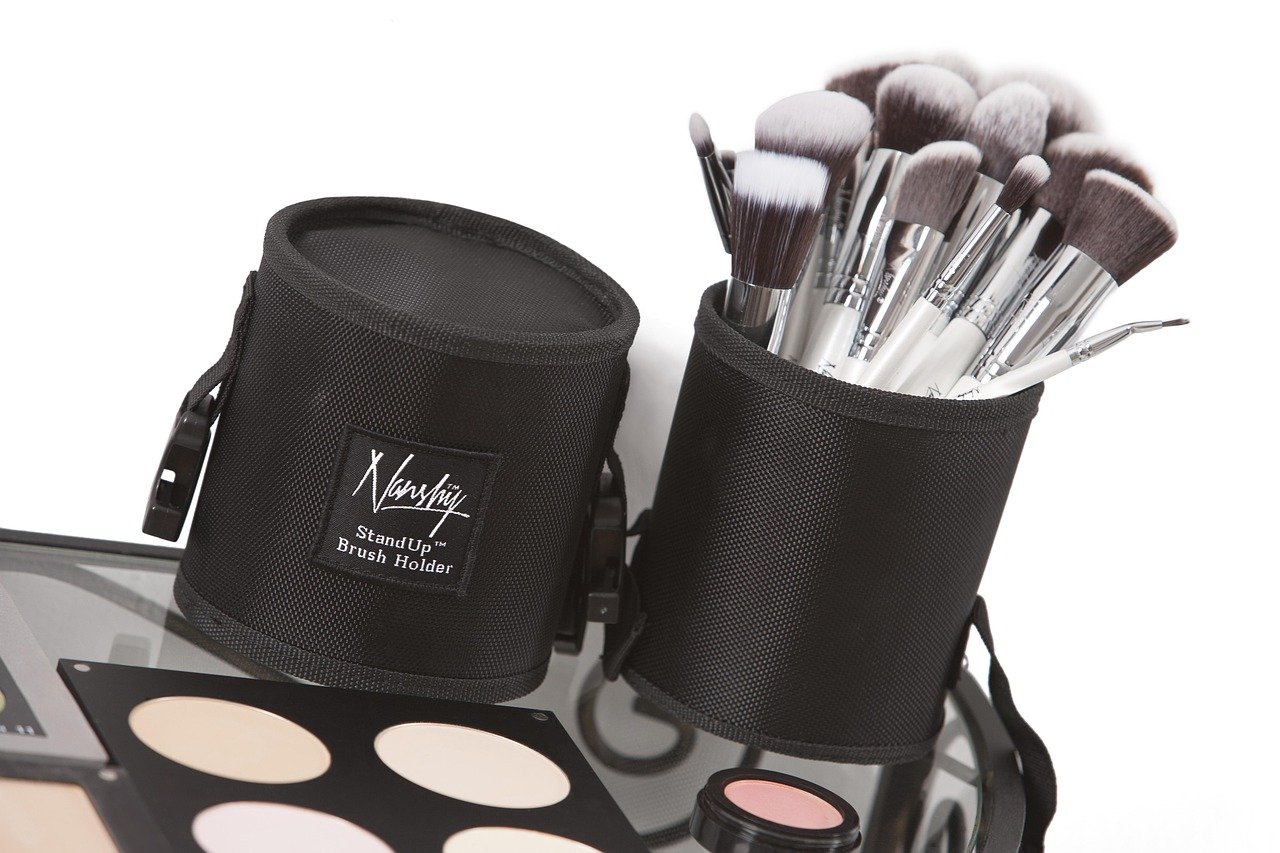
- Store brushes in a case or holder so bristles keep their shape.
One clever tip from a luxury brush collection: a sturdy presentation case can double as a drying stand, holding brushes at the right angle while they air dry. If you have the case, use it.
The most common mistake is over-washing with hot water and harsh soap, which strips natural oils from hair bristles and frays synthetic fibers. The second most common is drying brushes upright, which lets water seep into the ferrule. Both habits shorten a brush’s life dramatically. A well-cared-for luxury brush can last a decade or more, which is what makes the cost per use math work.
Where should you spend first, and where should you save?
Start with the brush you touch most. For most people, that is a powder or blush brush, followed by an eyeshadow blender. These are the tools where softness, shape, and density visibly change the result. Save on tools where function is simple: spoolies, brow combs, lip brushes, and basic eyeliner brushes perform well at low prices.
There is also a cross-category lesson worth borrowing. Just as Italian luxury fashion rewards buyers who focus on construction over logos, brush buying rewards attention to how a tool is built rather than how it looks on a shelf. The same holds for a luxury home gym: the equipment that earns its price is the equipment you use constantly and that holds up. If you are weighing a broader home upgrade and want to know where premium materials genuinely pay off, the logic from luxury remodeling services applies too: quality you touch every day justifies more spend than quality you admire from across the room. (Much luxury hotel las vegas costs per night 2026)
One more comparison worth noting: the beauty world’s luxury brushes now sit alongside other prestige beauty lines, from Byredo’s makeup range to heritage fashion houses. That competition has pushed quality up across the board, which is good news for buyers. It also means you can be pickier. (Byredo makeup luxury beauty line actually offers)
Conclusion
Luxury makeup brushes are worth the investment when they are the right brushes, used often, and cared for properly. The powder brush, the blush brush, and the eyeshadow blender are where the money buys a visible difference in finish. The brow comb and the decorative extras are where it buys very little. Buy slowly, match the fiber to your formulas, wash gently, and dry flat, and a small collection of well-chosen brushes will outperform a drawer full of cheap ones for years. The best tool is not the most expensive one. It is the one that makes your hand steadier and your finish smoother, every single morning.
FAQ
Are luxury makeup brushes really better than drugstore brushes?
They can be, in specific ways: softer and denser fibers, better-balanced handles, and more consistent quality control. Testers have described luxury handles as having a weighted, premium feel and bristles as silky against the skin. But the gap is not uniform. A good mid-range synthetic brush can match a luxury one for eyeliner or detail work, so spend where performance actually differs.
How much should I spend on my first luxury brush?
Start with one brush in the category you use daily, usually powder or blush, and treat it as a test. If it visibly improves your finish and feels good in your hand, buy the next one. Buying a single brush and living with it for a month tells you more than any review, and it protects you from spending on a full set you may not need.
How often should I wash luxury makeup brushes?
Dense foundation and concealer brushes should be washed about once a week. Powder, blush, and eyeshadow brushes can go two to four weeks. Always use lukewarm water, keep water off the metal ferrule, reshape the bristles, and dry the brush flat or angled downward. Hot water and upright drying are the two habits that shorten a brush’s life fastest.
Are natural hair brushes better than synthetic ones?
Neither is universally better. Natural hair holds and diffuses powder softly, which suits bronzer and finishing powders. Synthetic fibers are more uniform, work well with cream and liquid formulas, and are easier to clean. Some modern synthetics are even infused with silver ions to help reduce bacteria buildup between washes. Match the fiber to the products you actually use.
Are luxury travel brush sets worth packing?
They can be, if the set covers complexion and eyeshadow and comes with a proper case. Some compact sets offer six pieces, anti-bacterial bristles, and a waterproof travel bag. Check the care instructions before buying, because treated bristles sometimes should not be washed in hot water or fully submerged.
Is a $490 hair brush a reasonable purchase?
Only if you use it daily and keep it for years. At that price, you are paying largely for design and craftsmanship, and the cost per use only makes sense over a long horizon. The same cost-per-use math applies to makeup brushes: divide the price by the number of times you will realistically use the tool, not by how good it looks on the shelf.











