


Quick Answer: Why the Classic Flap Bag Still Reigns in 2027?
The Classic Flap still reigns in 2027 because it is one of the few handbags that works as fashion, status symbol and store of value at the same time. Buyers can chase it through boutiques, pre-owned marketplaces and auction houses, and each route offers a different balance of price and risk.
The wider family matters too. Double Flaps in Small, Medium, Jumbo and Maxi sizes sit alongside single-flap Minis, and newer oversized, slouchy interpretations have pushed the silhouette back into the spotlight. None of these replaces the original design; they extend it.
Before committing, compare size and flap configuration, leather type, hardware, condition grade, authentication paperwork, resale history and the total cost of ownership. Those seven factors separate a sound purchase from an expensive lesson.
A Bag That Refuses to Leave the Conversation
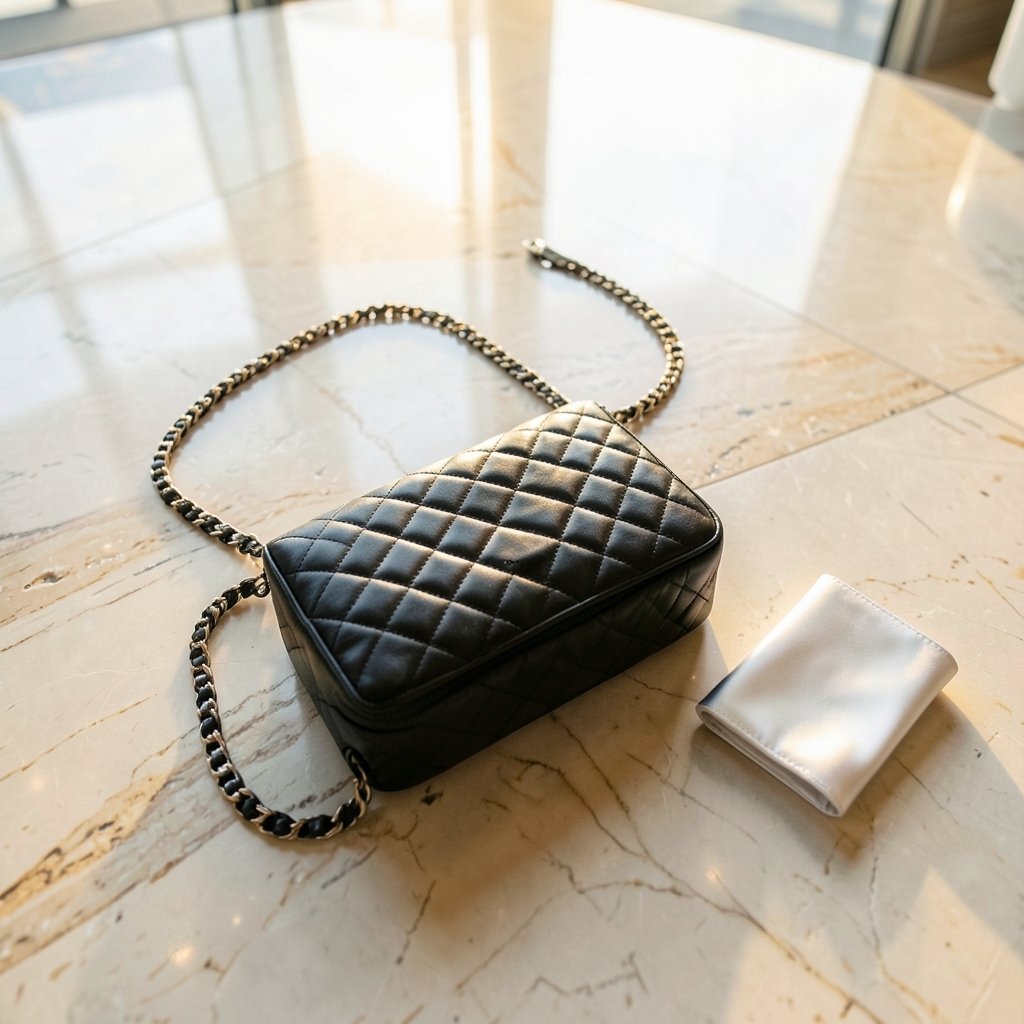
What does it take for a handbag to stay relevant for seven decades while trend cycles spin faster every season? Apparently, a quilted flap, a chain strap and a logo that needs no caption. The Chanel Classic Flap has never really left the conversation, and 2027 is no exception. Search interest, waiting lists and resale chatter all point the same way: this is still the bag people picture when they hear the word Chanel.
Part of that is design. Part of it is money. The Flap has climbed in price for years without stopping, which turned a luxury accessory into something collectors talk about the way they talk about art or watches. And part of it is cultural: a design that survived multiple creative directors, countless price increases and a parade of passing It Bags has already proven the only thing a classic needs to prove.
Below is a roundup of the specific versions and buying routes worth knowing in 2027, followed by a short guide to choosing between them.
The Contenders at a Glance
| Option | Best for | Standout strength | Main limitation |
|---|---|---|---|
| Classic Flap, Medium Double Flap | One-and-done buyers | The definitive silhouette | Highest boutique price tier |
| Classic Flap, Jumbo | Daily carry with volume | Fits more without losing structure | Heavy once loaded |
| Mini Rectangular and Mini Square | Evening and light travel | Same codes in a small footprint | Single flap, less capacity |
| Maxi Flap | Statement dressing | Maximum presence | Bulky for smaller frames |
| Oversized slouchy Flap | Trend-forward wardrobes | Relaxed, modern attitude | Less formal versatility |
| Pre-owned Classic Flap | Value-focused collectors | Lower entry price, older leathers | Authentication homework required |
1. The Medium Double Flap: The Default Answer
If someone buys only one Chanel, this is the version most often pointed to. Karl Lagerfeld redesigned the original 2.55 in 1983 with the interlocking CC turn-lock and a chain strap interwoven with leather, and the result became the most recognizable handbag silhouette in the world. The Medium Double Flap carries that DNA in the most balanced proportion.
Who it suits: anyone who wants a single bag that moves from denim and a white tee to evening wear without a costume change.
What it does well: the second interior flap keeps the silhouette crisp, which is exactly why the Small, Medium, Jumbo and Maxi are known as Double Flaps. Structure is the whole point.
The limitation: it is the least forgiving purchase financially. The price has climbed for years, and black remains the most wanted colorway, so availability in boutiques can be tight.
Practical note: when trying one on, load it first. A structured double flap behaves differently empty than it does with a phone, cardholder and keys inside.
2. The Jumbo: Capacity Without Compromise
The Jumbo takes the same architecture and scales it up. For people who actually carry things, it solves the one complaint that follows the Medium everywhere.
Who it suits: commuters, parents and anyone whose daily kit exceeds a phone and a lipstick.
What it does well: it keeps the diamond quilting, CC turn-lock and chain-and-leather strap intact while adding real volume. The silhouette still reads as Chanel from across a room.
The limitation: weight. A larger bag invites more contents, and chain straps do not distribute load generously. A common mistake is buying the Jumbo as a first Flap and discovering it feels like luggage by mid-afternoon.
3. The Minis: Small Footprint, Same Codes
The Mini Square and Mini Rectangular are single-flap styles in the same family, carrying the same diamond quilting, CC turn-lock and chain-and-leather strap in a smaller package. They are not scaled-down Double Flaps; the construction genuinely differs.
Who it suits: evening dressers, travellers and collectors adding a second or third piece.
What it does well: it delivers the full visual signature at the lowest size and, typically, the lowest price point within the family. It also photographs beautifully, which explains its social media staying power.
The limitation: the single flap means less organization and less room. Anyone who expects Medium-level capacity will be disappointed.
4. The Maxi: Presence as a Feature
The Maxi is the largest of the double-flap quartet and the least subtle. That is the appeal.
Who it suits: taller frames, statement dressers and people who treat a bag as the outfit’s anchor.
What it does well: it makes an entrance. The quilting reads at a distance, and the chain has real visual weight.
The limitation: proportion. On smaller frames it can overwhelm, and it is the least practical choice for long days on foot. Try before buying; this is the size where fit matters most.
5. The Oversized Slouchy Flap: The 2027 Wildcard
Here is where the story gets current. After Matthieu Blazy’s first collection for spring/summer 2026 landed in Chanel boutiques, queues formed outside the doors, and bags sold briskly, especially one type: the classic flap bag, given a minimalist makeover and an XXL size. Since then, more designers have followed, and the fashion scene has become fixated on oversized flap bags.
Who it suits: wardrobes that lean relaxed and contemporary rather than formal.
What it does well: thrown casually over a shoulder, a slouchy flap does the styling work for you. The softness of the leather is the entire pitch.
The limitation: it is a trend expression, not a substitute for the structured classic. Buyers who want one bag for a decade of formal events should look elsewhere. It also sits outside the traditional Double Flap naming, so resale expectations differ.
6. Pre-Owned: The Value Route
The pre-owned market is where most first-time buyers actually enter. Buying pre-owned cuts the entry price without cutting the quality, and every classic on a serious collector’s list has already survived multiple style cycles, which is the only proof a classic needs.
Who it suits: value-focused buyers, vintage-leather enthusiasts and collectors hunting discontinued colorways.
What it does well: it opens access to older leathers and hardware finishes no longer produced, often at a meaningful discount to boutique pricing.
The limitation: authentication and condition. A common mistake is treating a listing photo as a condition report. Ask for interior, corner, strap and hardware close-ups, confirm what documentation accompanies the bag, and check whether the seller’s return policy covers authentication disputes.
How to Choose Between Them
Start with use, not price. The bag that fits your actual week will outlast the one that fits your mood on a Tuesday afternoon.
- Map your daily carry. Phone, wallet, keys only? Mini or Medium. Laptop-adjacent life? Jumbo or Maxi.
- Decide structured versus slouchy. Structured Double Flaps hold their shape for years. Slouchy oversized styles photograph well but age differently.
- Pick your leather deliberately. Smooth and lambskin finishes feel luxurious and show wear faster; textured grains hide scuffs. If you are hard on bags, let durability lead.
- Choose your channel. Boutique means full price and current stock. Pre-owned means homework and potential savings.
- Set a condition floor. Decide in advance what flaws you will accept, then do not negotiate with yourself in the moment.
- Budget for care. Storage, conditioning and occasional hardware checks are part of ownership, not an afterthought.
What actually works in practice is slower than most people expect. Try the size on with your own belongings, buy the color you will carry rather than the one that photographs best, and treat authentication paperwork as part of the product. Collectors who regret purchases usually skipped one of those three steps.
If you enjoy tracing how specific objects earn decades of staying power, the same logic explains why monkey bars remain a playground classic and why indigo dye still defines modern color. Design that solves a real problem tends to endure.
Why the Flap Outlasts Its Rivals
The Flap’s advantage is not that it never changes. It is that every change returns to the same foundation. Each season brings fresh iterations, from bold colorways to playful embellishments and updated hardware, yet the signature diamond quilting, chain strap and elegant silhouette have never fallen out of favor. That combination of novelty on the surface and stability underneath is rare.
The origin story matters too. When the quilted bag was introduced in 1955, women’s handbags had not yet been made with a shoulder strap. That was a deliberate choice by Coco Chanel to free both hands, and it is why the design still feels functional rather than decorative.
Then there is the money question. The Classic Flap is widely treated as an investment piece, and it has earned that reputation more convincingly than most. Its price has climbed for years without stopping, and the design has outlived creative directors, price increases and plenty of passing It Bags. That track record is why it keeps appearing on lists of timeless designer bags worth the investment, alongside the Hermès Kelly and Lady Dior.
The flip side deserves honesty. Price growth is not a guarantee, condition and material affect resale heavily, and a bag bought purely as an asset is a bag bought without joy. Treat appreciation as a bonus, not a plan. Similar dynamics shape other style legacies, from the way Princess Diana’s fashion still shapes what we wear to how 1980s fashion’s big shoulders and bold color still rule the runway.
Common Mistakes to Avoid
The most frequent error is buying size by reputation instead of by body and routine. The Medium is famous; the Jumbo might be right. The second is ignoring flap configuration: Double Flaps hold structure, Minis trade it for compactness, and buyers who do not know the difference end up surprised.
The third is skipping the try-on with real contents. The fourth is buying a bold color as a first Flap and then discovering it clashes with half the wardrobe; a neutral carries an entire closet, while a bold shade becomes the outfit. The fifth is treating a pre-owned listing’s headline price as the true cost, forgetting authentication checks, shipping, duties and any restoration work.
Conclusion
The Classic Flap reigns in 2027 for unglamorous reasons: it solves a real problem, it has been refined rather than reinvented, and it holds value well enough that buyers treat it as a considered purchase rather than an impulse. The oversized slouchy versions prove the silhouette can still generate queues, while the Medium Double Flap remains the safest single choice for most people. Pick the size that matches your week, buy the color you will actually carry, and do the authentication homework if you go pre-owned. Do that, and the bag will likely outlast the trend cycle that brought you to it.
Frequently Asked Questions
What is the difference between the Classic Flap and the 2.55?
The 2.55 is the original 1955 design. The Classic Flap is Karl Lagerfeld’s 1983 reinterpretation, which introduced the interlocking CC turn-lock and the chain strap interwoven with leather. They share a lineage but are distinct models with different hardware and closures.
Which Classic Flap size is best for a first purchase?
For most people, the Medium Double Flap is the safest starting point because it balances capacity, structure and versatility. If you routinely carry more than a phone, wallet and keys, the Jumbo makes more sense despite its weight.
Are Mini Flaps built like the larger Double Flaps?
No. The Mini Square and Mini Rectangular are single-flap styles. They share the diamond quilting, CC turn-lock and chain-and-leather strap, but they lack the second interior flap that keeps the larger sizes crisp.
Is a pre-owned Classic Flap a smart buy?
It can be, because buying pre-owned lowers the entry price without lowering quality, and the design has already survived multiple style cycles. The trade-off is that authentication, condition grading and return policies become your responsibility to verify before paying.
Why did oversized slouchy Flap bags become so popular?
After Matthieu Blazy’s first Chanel collection for spring/summer 2026 arrived in boutiques, demand was strong and queues formed, particularly for the classic flap in a minimalist, XXL interpretation. Other designers followed, and slouchy flap bags became a fixture of street style.
Does the Classic Flap hold its value?
It has a strong record: prices have climbed for years without stopping, and the design has outlived multiple creative directors. Still, resale outcomes depend on material, color, condition and rarity, so appreciation should be treated as a bonus rather than a guarantee.











