Best Fashion for Women in Their 30s 2027
Fashion in your 30s is not about dressing older, and it is not about holding on to your 20s. It is about the decade when most women finally know what suits them, what they will actually wear, and what is worth paying more for. The impulse buys slow down, the wardrobe gets smaller, and the clothes get better.
The shift is practical as much as it is stylistic. Your 30s usually bring a busier life: a career that asks for polish, a social life that mixes weddings with weekends, and less time to stand in front of a wardrobe wondering what works. The clothes that survive that decade are the ones that do more than one job — a blazer that works for a meeting and a dinner, jeans that fit properly and last for years, a dress that needs no ironing and no fuss.
Below are the nine wardrobe pillars that earn their place in 2027, from a tailored blazer to versatile heels. Each one is described by what it does well, what to watch for, and who it suits, so you can build a wardrobe that works for the life you actually have, not the one you imagine on a shopping app.
Key takeaways
- Fashion in your 30s is about fewer, better pieces that do more than one job, not about dressing older or following a new set of rules.
- Fit and fabric matter more than labels: a well-cut blazer in good wool beats a designer logo in cheap cloth every time.
- Build around nine pillars — blazer, denim, silk blouse, midi dress, trench, leather jacket, white shirt, knitwear and versatile heels.
- Buy the best version of the piece you wear most, and spend less on the pieces you wear twice a year.
- There is no age rule in fashion, and a wardrobe built on fear of looking young or old will not flatter anyone.
What actually changes in your 30s
The first change is that you stop buying for a fantasy. In your 20s, the wardrobe is full of clothes for a life you might have — the dress for a party you never attend, the heels for a job you do not have. In your 30s, the clothes that stay are the ones that fit the week you actually live: work, weekends, travel, weddings, and the occasional evening that needs something smarter.
The second change is that quality becomes visible. Cheap fabric shows itself after five washes, in a way it never did when the wardrobe turned over every season. A shirt that pills, a blazer that loses its shape, a pair of jeans that bag at the knees — these are the things you notice now, and they are the reason spending more on fewer pieces starts to make sense.
The third change is the most useful: you know your shape. You know which neckline suits you, which trouser length works, and which colours make you look rested. That knowledge is worth more than any trend forecast, because it turns shopping from guesswork into a short list.
How to build the wardrobe and what to look for
Start with the pieces you wear three times a week, not the ones you wear three times a year. For most women in their 30s, that means the blazer, the jeans and the white shirt come first, because they are the backbone of both work and weekend outfits. Buy those three well, and the rest of the wardrobe is easy to add around them.
Look next at the fabric. Wool with a little stretch holds a blazer shape, cotton with elastane keeps jeans comfortable without bagging, and silk or a good silk blend drapes better than polyester in a blouse. Check the seams, the lining and the weight of the cloth before you check the label, because those are the things that decide whether a piece still looks good in a year.
Finally, think in outfits, not items. Every new piece should work with at least three things you already own, or it is not earning its place. A midi dress that only works with one pair of shoes is a worse buy than a blazer that works with jeans, trousers and a dress. Our guide to the best blazers for women is a good place to start, because the blazer is the single piece that does the most work across a 30s wardrobe.
The 9 wardrobe pillars for your 30s
The tailored blazer
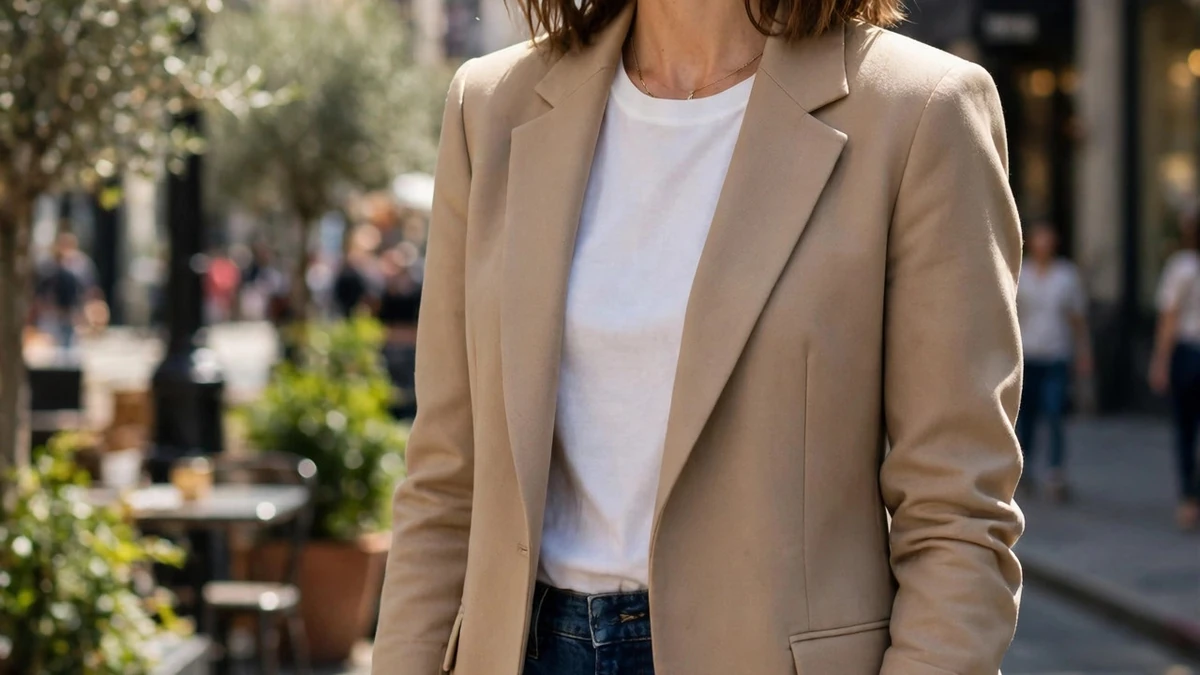
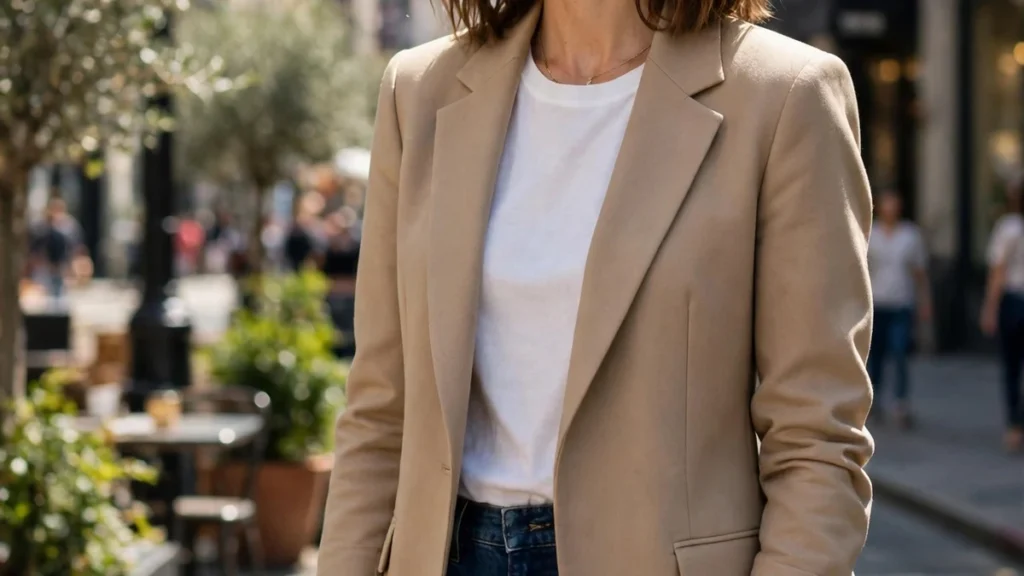
What we like: The hardest-working piece in the wardrobe. A well-cut blazer sharpens jeans, finishes a dress and makes a work outfit look deliberate. What to consider: The shoulders are the test: they should sit at your natural shoulder line, not beyond it, and the blazer should close without pulling. Best for: Work, interviews, dinners, travel. Fabric: Wool with a little stretch, or a wool-blend crepe. Price range: £80 to £250 for a good high-street or mid-range blazer. Standout feature: The shoulder line.
Choose black or navy first, then add a second colour only if you wear the first one weekly.
Quality denim
What we like: Good jeans are the most-worn item in most 30s wardrobes, and the difference between cheap and good denim shows in the fit after a full day. What to consider: Look for denim with a little stretch but not too much — around 2 percent elastane — and a rise that sits comfortably at your waist. Best for: Every day, weekends, casual workdays. Fabric: Cotton denim with 1 to 2 percent elastane. Price range: £60 to £150 for a well-made pair. Standout feature: The fit after eight hours of wear.
Buy one dark straight-leg pair and one lighter wide-leg pair, and stop there. Two great pairs beat five mediocre ones.
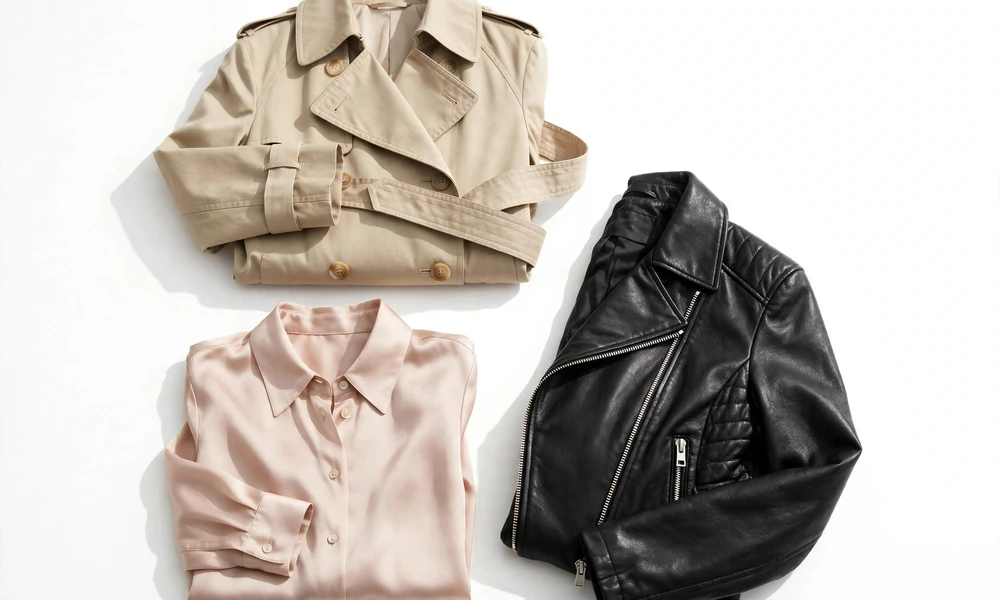
The silk blouse
What we like: Silk lifts everything it is worn with. A silk blouse under a blazer looks polished, and the same blouse with jeans looks effortless. What to consider: Real silk needs care — dry cleaning or a gentle hand wash — and it shows water marks, so keep it away from rain and perfume. Best for: Work, weddings, evenings, days you want to look put together. Fabric: Silk or a silk blend with a smooth drape. Price range: £60 to £180. Standout feature: The drape.
Start with ivory or a soft neutral, which works with every bottom you own. A bold print is a second purchase, not a first.
The midi dress
What we like: A midi dress is a complete outfit in one piece, which is exactly what a busy week needs. It works with trainers, boots and heels, and it needs no matching decisions. What to consider: The length matters: it should hit at the slimmest part of your calf, not at the widest, and the waist should sit at your natural waist. Best for: Weddings, work, holidays, days with no time to think. Fabric: Crepe, jersey or a fluid viscose. Price range: £50 to £200. Standout feature: The one-piece outfit.
Choose a solid colour or a small print first. A midi dress in a versatile colour will be worn ten times as often as a dramatic one.
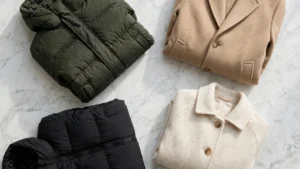
The trench coat
What we like: The trench is the outerwear equivalent of the blazer: it makes everything underneath look more considered, and it works in spring, autumn and mild winter. What to consider: The length should hit just below the knee for most heights, and the belt should sit at your waist, not your hips. Best for: Spring and autumn, travel, rainy days that still need polish. Fabric: Cotton gabardine, ideally water-resistant. Price range: £100 to £350. Standout feature: The belted waist.
Classic camel is the safest first choice, and it goes with every colour in the wardrobe.
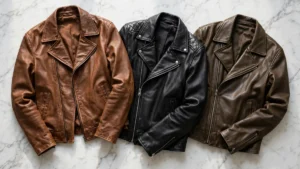
The leather jacket
What we like: A leather jacket adds edge to soft outfits and softens sharp ones. It is the piece that stops a silk dress from looking too sweet and a blazer outfit from looking too corporate. What to consider: Real leather lasts for decades but needs care, while good faux leather is lighter and cheaper but can peel after a few years. Best for: Evenings, weekends, travel, transitional weather. Fabric: Real leather or high-quality faux leather. Price range: £80 to £400. Standout feature: The way it ages.
Fit is everything: the shoulders should sit cleanly, the sleeves should end at your wrist, and the jacket should close over a thin jumper.
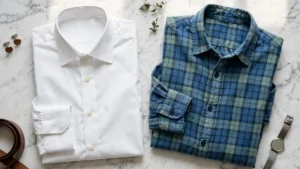
The white shirt
What we like: The cheapest pillar and the most versatile. A good white shirt works under a blazer, over jeans, tucked into a skirt, and open as a light layer. What to consider: The fabric must be opaque, the buttons must be secure, and the collar must hold its shape after washing. Best for: Work, weekends, layering, everything. Fabric: Cotton poplin or cotton with a little stretch. Price range: £30 to £100. Standout feature: The collar.
Own two: one crisp and one relaxed. The crisp one is for work and smart occasions, the relaxed one is for weekends and layering.
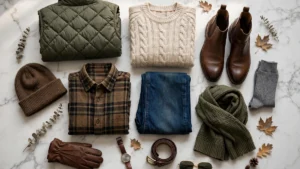
Quality knitwear
What we like: Good knitwear is the difference between looking warm and looking cosy. A fine-gauge cashmere or merino jumper layers under a blazer, over a shirt and under a coat without bulk. What to consider: Cheap knitwear pills within weeks, so check the fibre content: look for cashmere, merino or a high wool content, and avoid acrylic-heavy blends. Best for: Autumn and winter, layering, travel. Fabric: Cashmere, merino wool or a wool blend. Price range: £60 to £200. Standout feature: The hand feel.
Start with a crew neck in a neutral — navy, charcoal or camel — then add a V-neck for layering over shirts.
Versatile heels
What we like: One pair of heels that works with trousers, dresses and jeans is worth more than a shelf of occasion shoes. A mid-height block heel or a pointed kitten heel does the most work. What to consider: Comfort is not negotiable at this stage: a heel you cannot walk in for two hours is a heel you will not wear. Best for: Work, weddings, evenings, any day that needs a lift. Fabric: Leather, ideally with a cushioned insole. Price range: £70 to £200. Standout feature: The heel height you can actually walk in.
Choose black leather first, in a heel height you can walk in for a full evening.
Where the money should go
The honest rule is simple: spend the most on the pieces you wear the most. The blazer, the jeans and the shoes are the items that carry the wardrobe, and they are the ones where better fabric and better construction show. A £200 blazer worn a hundred times costs £2 a wear; a £40 blazer worn twice costs £20 a wear and looks worse both times.
The pieces to spend less on are the ones that change fastest: trend-led tops, printed dresses and seasonal colours. Those are the items to buy at a lower price, enjoy for a season, and let go of without regret. The best luxury fashion brands are a useful quality benchmark here: the construction, fabric and fit you see at that level are what to look for at every price point, and the pillars above are the pieces that should still be in the wardrobe in five years.
It is also worth remembering that the best wardrobes in this decade are not the biggest ones. A wardrobe of forty good pieces that all work together beats a wardrobe of two hundred that do not, and it takes less time to get dressed in the morning.
The caveats that matter
The biggest mistake in 30s fashion is following rules that were written for someone else. There is no age at which you must stop wearing jeans, start wearing beige, or give up on a trend you like. The only rules that matter are fit, fabric and whether the outfit suits the life you live. A wardrobe built on fear — of looking too young, too old, too much or too little — will not flatter anyone.
| Detail | What is known |
|---|---|
| The nine pillars | Blazer, quality denim, silk blouse, midi dress, trench, leather jacket, white shirt, knitwear, versatile heels |
| Buy first | The pieces you wear three times a week: blazer, jeans, white shirt |
| Spend most on | The pieces you wear most, where fabric and construction show |
| Spend less on | Trend-led tops, prints and seasonal colours that change fast |
| The fit test | Shoulders at your shoulder line, waist at your waist, shoes you can walk in |
| The outfit test | Every new piece should work with at least three things you already own |
| What to avoid | Age rules, fear-based buying, and novelty pieces that only work for one season |
| What it is not | Dressing older, giving up trends, or buying a whole new wardrobe at 30 |
The second mistake is buying for a size you wish you were. Clothes that fit the body you have today always look better than clothes bought for a body you might have in six months.
Checklist: building a 30s wardrobe honestly
Use these checks before you buy, and again when you clear out the wardrobe.
- Start with the pieces you wear three times a week: blazer, jeans, white shirt.
- Check the fabric first: wool, cotton, silk and leather age better than cheap synthetics.
- Check the fit on your body today, not the size on the label or the body you wish you had.
- Make every new piece pass the three-outfit test: it must work with at least three things you own.
- Spend most on the pieces you wear most, and less on trends that will change next season.
- Remove one thing for every new thing you buy, so the wardrobe stays useful instead of crowded.
Frequently asked questions
What should a woman in her 30s wear?
Whatever fits well, suits her life and makes her feel confident. The nine pillars in this guide — blazer, quality denim, silk blouse, midi dress, trench, leather jacket, white shirt, knitwear and versatile heels — are a starting point, not a uniform, and they work because they are versatile rather than because they are age-specific.
How many clothes do I need in my 30s?
Fewer than you think. A wardrobe of around forty good pieces that all work together covers work, weekends, travel and occasions for most women, and it takes less time to get dressed than a wardrobe of two hundred pieces that do not coordinate.
Should I stop wearing trends in my 30s?
No. Trends are worth trying when they suit you and fit your life, and worth skipping when they do not. The difference in your 30s is that you choose trends on purpose rather than by default, and you buy the version you will actually wear.
How much should I spend on a blazer?
Enough to get good fabric and construction: usually £80 to £250 for a high-street or mid-range blazer. The test is cost per wear — a blazer worn a hundred times is cheaper per wear than a cheap one worn twice, and it looks better every time.
What is the best first investment piece?
The tailored blazer, because it does the most work across the most outfits. It sharpens jeans, finishes a dress, and makes a work outfit look deliberate, which is why it is the first pillar in this guide. A holiday capsule wardrobe built around the same pieces shows how far a few good items travel, literally and figuratively.
Can I wear jeans every day in my 30s?
Yes, if they fit well and the fabric is good. A dark straight-leg pair with a blazer and loafers is a polished outfit, and the same jeans with trainers and a knit is a weekend outfit. The jeans are not the problem; the fit and the fabric are what decide whether they look smart.
The bottom line
Fashion in your 30s is not a new set of rules. It is the decade when you finally know what suits you, and the wardrobe catches up with that knowledge. Fewer pieces, better fabric, a fit that works for the body you have — that is the whole formula, and it is why the best-dressed women in their 30s rarely look like they are trying very hard.
Start with the blazer, the jeans and the white shirt, buy the best versions you can afford, and make every new piece pass the three-outfit test. Build slowly, remove what you do not wear, and let the wardrobe grow around the life you actually live.