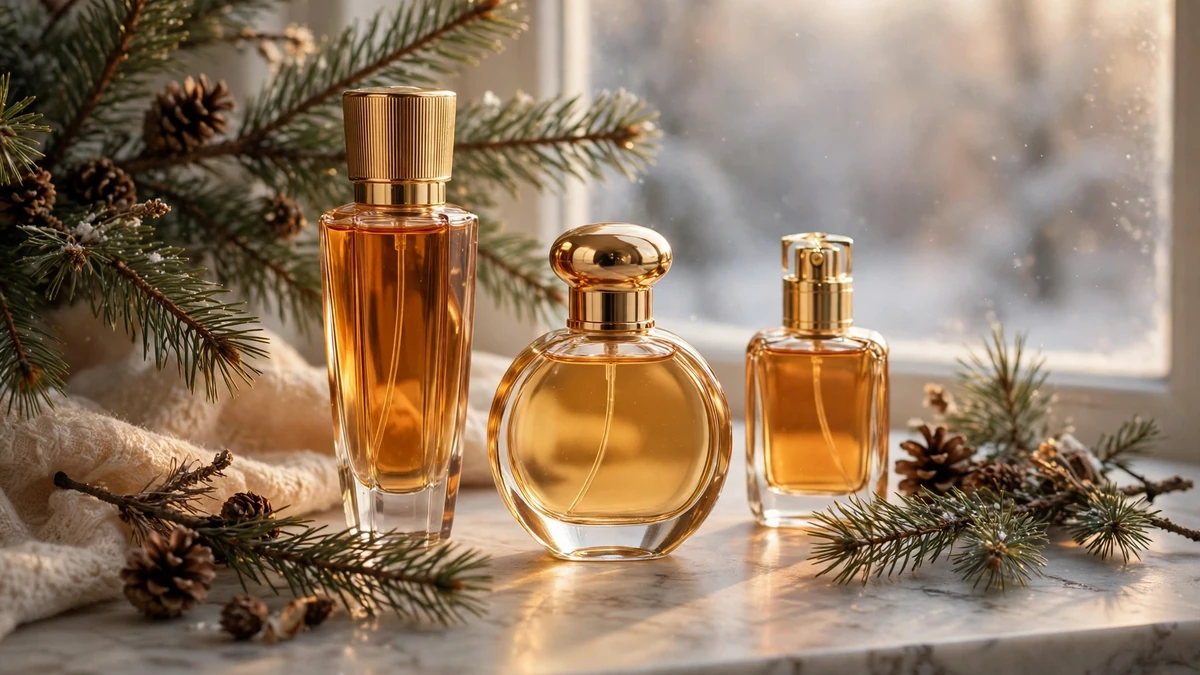
Winter changes the way a perfume behaves, and it changes what we want from one. Cold air holds scent close to the skin, so the bright, airy fragrances that feel effortless in summer can disappear within an hour on a frosty morning. At the same time, the season itself asks for something warmer: a scent that feels like a soft coat or a fireside, rather than a splash of cold citrus.
The best winter perfumes understand that balance. They are built on warm, long-lasting notes such as vanilla, amber, sandalwood, tonka bean, spice and dark florals, and they have enough depth to carry through cold air, wool scarves and long evenings indoors. They do not need to be heavy to work in winter; they need to be warm, well-made and present enough that you can still smell them hours after you sprayed them.
Below are nine perfumes worth considering for winter 2027, from a beloved vanilla floral to a rich cherry and cognac scent made for cold nights. Each one is described by what it does well, what to watch for, and who it suits best, so you can choose a winter scent for the way you actually live.
Key takeaways
- Winter perfumes work best on warm, long-lasting notes such as vanilla, amber, sandalwood, tonka bean, spice and dark florals, which carry well in cold air.
- Apply perfume to warm skin, such as the wrists, neck and behind the ears, and moisturise first so the scent has something to hold on to.
- Two or three sprays are usually enough in winter; the cold keeps scent close, so over-spraying is more noticeable indoors than outdoors.
- Amber, vanilla and woody scents suit cold evenings and formal occasions, while softer florals and gourmand scents suit daytime, work and weekends.
- No perfume lasts all day on every skin type, and a scent that smells rich in the bottle can turn sharp, sweet or flat on your skin, so always try it on skin before buying a full bottle.
What a winter perfume actually does
A winter perfume is not a separate category of fragrance, but a way of choosing. In cold weather, the top notes of a perfume — the bright, fresh notes you smell first, such as bergamot or lemon — fade faster, because cold air slows how scent lifts from the skin. What remains is the heart and the base: the florals, spices, woods, resins and musks that give a perfume its warmth and staying power.
That is why winter favourites share a family resemblance. Vanilla and tonka bean add sweetness and warmth without feeling sugary. Amber and benzoin add a golden, resinous glow. Sandalwood, cedarwood and patchouli add depth and a soft, woody dry-down. Spices such as cinnamon, cardamom and clove add sparkle and heat, while dark florals such as tuberose and jasmine add richness rather than freshness.
Winter also changes how perfume is worn. Scarves, coats and high collars trap scent close to the body, which is a gift if you have sprayed lightly and a problem if you have sprayed heavily. Perfume applied to the wrists and neck will warm up indoors and bloom again when you come in from the cold.
How we chose these winter perfumes and what to look for
Look first at the base notes, because they are what you will smell for most of the day. A perfume that opens with bright citrus but dries down to vanilla, amber or sandalwood is a better winter choice than one that stays fresh and green from start to finish. If the lasting notes are warm, woody, spicy or gourmand, the perfume is likely to suit the season.
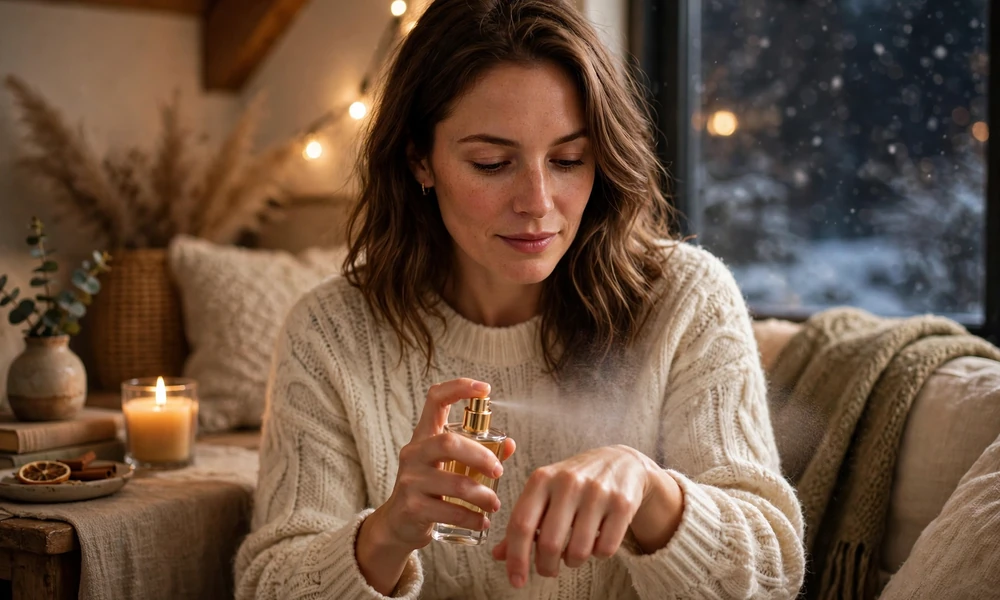
Look next at concentration and longevity. Eau de parfum generally lasts longer and projects more warmly than eau de toilette, which matters in winter, when cold air mutes scent. Test a perfume on skin, not just on a paper strip, and check it again after four hours, because the dry-down is the part you will actually live with.
Finally, think about when and where you will wear it. A rich, sweet or smoky perfume can feel wonderful on a winter evening and too much in a small office. A softer scent is often the better daytime choice, with the richer bottle saved for evenings. The same principle applies to the rest of a cold-weather routine, and our guide to the best moisturisers for dry skin explains why moisturised skin holds scent longer, just as it holds hydration longer in winter.
Lancôme La Vie Est Belle
What we like: A joyful, warm floral gourmand built on iris, jasmine and orange blossom over praline, vanilla and tonka bean, with a sweet, radiant dry-down that lasts well through a winter day.
What to consider: It is sweet, so if you prefer dry, woody or smoky scents, it may feel too sugary, and it is widely worn. Key notes: Iris, jasmine, orange blossom, praline, vanilla, tonka bean. Best for: Daytime, work, weekends. Concentration: Eau de parfum.
A winter perfume for people who like their warmth with light in it: sweet and floral, but the iris keeps it from feeling cloying.
Yves Saint Laurent Black Opium
What we like: A bold blend of coffee, vanilla, white flowers and patchouli that feels made for winter evenings, with strong longevity and a warm, slightly smoky sweetness that stands out in cold air.
What to consider: It is intense and sweet, so two sprays are usually enough, and it may feel too much for a small office. Key notes: Coffee, vanilla, orange blossom, jasmine, patchouli. Best for: Evenings, nights out, special occasions. Concentration: Eau de parfum.
The coffee note gives it an edge that stops the vanilla from feeling ordinary, and it carries from a cold street into a warm room without disappearing.
Giorgio Armani Sì Eau de Parfum Intense
What we like: A rich, elegant chypre floral with blackcurrant, rose, davana and vanilla over benzoin and patchouli, warm and sophisticated, with a smooth, long-lasting dry-down.
What to consider: It is a grown-up, polished scent, so it may feel too formal for very casual days. Key notes: Blackcurrant, rose, davana, vanilla, benzoin, patchouli. Best for: Formal occasions, evenings, work. Concentration: Eau de parfum intense.
The most elegant perfume on this list: structured, warm and quietly luxurious, and the one to reach for when a winter evening calls for something polished.
Maison Francis Kurkdjian Baccarat Rouge 540
What we like: A luminous blend of saffron, jasmine, amberwood and cedarwood that smells warm, airy and unmistakable, with remarkable longevity and a trail that lingers beautifully in cold air.
What to consider: It is a luxury price, and the saffron-amber character can smell medicinal to some people on first wear. Key notes: Saffron, jasmine, amberwood, cedarwood, fir balsam. Best for: Evenings, occasions, cold days. Concentration: Eau de parfum.
Warm without being sweet, with a mineral, almost sparkling quality that keeps it from feeling heavy in cold air and low light.
Tom Ford Lost Cherry
What we like: A rich gourmand built on black cherry, bitter almond, rose, jasmine and tonka bean, with a dark, syrupy warmth that feels festive and indulgent, and a dry-down that stays sweet and woody for hours.
What to consider: It is sweet and distinctive, so it is not an everyday office scent for everyone, and it is a luxury price. Key notes: Black cherry, bitter almond, rose, jasmine, tonka bean. Best for: Evenings, festive occasions, dates. Concentration: Eau de parfum.
The cherry is dark and ripe rather than bright, the almond adds a marzipan warmth, and together they make a scent that feels like winter indulgence.
Dior Hypnotic Poison
What we like: A warm, enveloping oriental vanilla with almond, jasmine, tuberose, vanilla and musk, soft and powdery rather than sharp, with a comforting, skin-like warmth.
What to consider: It sits close to the skin rather than projecting loudly, so if you like bright or woody scents, it may feel too gentle. Key notes: Almond, jasmine, tuberose, vanilla, musk. Best for: Daytime, cosy evenings, close wear. Concentration: Eau de toilette.
The quiet winter perfume: it warms up close to the skin and stays there, lovely for days when you want to smell wonderful for yourself.
Viktor & Rolf Flowerbomb
What we like: A warm, generous floral built on jasmine, orchid, freesia, rose and patchouli, with a sweet, powdery dry-down that feels celebratory and long-lasting.
What to consider: It is sweet and floral, so it may feel too much for people who prefer dry or woody scents, and it is generous indoors, so spray lightly. Key notes: Jasmine, orchid, freesia, rose, patchouli. Best for: Daytime, parties, celebrations. Concentration: Eau de parfum.
The winter party perfume: floral, but the patchouli and sweetness give it a warmth that carries through cold air.
Parfums de Marly Delina Exclusif
What we like: A rich, velvety rose with lychee, bergamot, oud and amber, warmer and deeper than the original Delina, with a creamy, luxurious dry-down made for cold weather.
What to consider: It is a luxury price, and the oud adds a woody depth that some people find strong, so try it on skin first. Key notes: Rose, lychee, bergamot, oud, amber, vanilla. Best for: Special occasions, evenings, cold days. Concentration: Eau de parfum.
The rose perfume for people who think rose perfumes are too light for winter: the oud and amber give the rose a warmth and weight it does not usually have.
Kilian Angels’ Share
What we like: A warm, boozy gourmand built on cognac, cinnamon, tonka bean, praline, vanilla and sandalwood, with a rich, amber dry-down that feels like a fireside drink and lasts for many hours.
What to consider: It is rich, sweet and boozy, so it is very much an evening and cold-weather scent, and it is a luxury price. Key notes: Cognac, cinnamon, tonka bean, praline, vanilla, sandalwood. Best for: Evenings, festive nights, very cold days. Concentration: Eau de parfum.
The warmest perfume on this list: the cognac and cinnamon give it a spiced, golden heat, and the sandalwood gives it a long, smooth finish.
Which winter perfume is right for you
For daytime and work, choose a softer, rounder scent that will not overwhelm a small room. La Vie Est Belle, Hypnotic Poison and Flowerbomb all work well here, because they are warm without being loud. Spray two or three times on moisturised skin, on the wrists and neck, and let the perfume warm up rather than rubbing your wrists together, which can crush the top notes.
For evenings, dates and festive occasions, choose a richer scent with more depth. Black Opium, Lost Cherry, Baccarat Rouge 540 and Angels’ Share all suit the evening, because their sweetness, spice or warmth has room to breathe when you are out, and cold night air carries them beautifully. Spray these more sparingly, because a rich scent in a warm room can quickly become too much.
For formal occasions, choose something polished and elegant. Sì Intense and Delina Exclusif both suit formal winter events, because they are structured, warm and long-lasting without being playful. Layering helps too: a plain, unscented moisturiser under perfume gives the scent something to hold on to, and our guide to the best face oils covers the same idea for the face, where well-moisturised skin holds everything better in winter.
The caveats that matter
Perfume is personal in a way that few beauty products are. A scent that smells warm and wonderful on one person can smell sharp, overly sweet or almost absent on another, because skin chemistry and warmth change how a perfume develops. That is why buying a full bottle without trying it on skin is the most common mistake in perfume shopping, and why samples and small sizes are worth the extra step, especially at luxury prices.
| Detail | What is known |
|---|---|
| Best base notes for winter | Vanilla, amber, sandalwood, tonka bean, patchouli, benzoin and warm spices |
| How many sprays | Two or three for daytime, two for rich evening scents, and less indoors than outdoors |
| Where to apply | Warm skin: wrists, neck, behind the ears, and lightly on a scarf or coat lining |
| What helps longevity | Moisturised skin, eau de parfum concentration, and not rubbing wrists together |
| Who should avoid strong scents | People with fragrance sensitivity, and anyone in a small, shared or scent-free space |
| Day versus night | Softer, rounder florals and gourmands by day; richer, spicier or sweeter scents at night |
| How to test before buying | Try it on skin, check it again after four hours, and wear it on a normal day before buying |
| When to skip a perfume | If it smells sharp, overly sweet or flat on your skin, or gives you a headache |
Fragrance sensitivity is real, and it deserves respect. If a perfume gives you a headache, makes you sneeze, or irritates your skin, stop wearing it, even if it is a much-loved classic. The same courtesy applies to other people: in offices and small rooms, a lighter hand is kinder. If your skin is dry or reactive in winter, a fragrance-free moisturiser underneath can help, and a simple, nourishing oil can support the skin barrier, as our guide to the best squalane products explains.
Checklist: choosing a winter perfume honestly
Use these checks before you buy, and again after a week of wearing a new scent.
- Check the base notes: vanilla, amber, sandalwood, tonka bean or spice usually mean a perfume will suit winter.
- Check the concentration: eau de parfum generally lasts longer in cold air than eau de toilette.
- Try it on skin: spray on your wrist, wait, and check the dry-down after four hours before deciding.
- Spray lightly: two or three sprays are usually enough, and rich scents need even fewer indoors.
- Moisturise first: perfume lasts longer on moisturised skin, so apply an unscented cream before you spray.
- Wear it on a normal day: a perfume should suit your work, your coat and your evenings, not just the shop where you tried it.
Frequently asked questions
What makes a perfume good for winter?
Warm, long-lasting base notes such as vanilla, amber, sandalwood, tonka bean and spice, which carry well in cold air and develop slowly on warm skin. Bright, fresh or aquatic perfumes tend to fade quickly in winter, while warm florals, gourmands and woody scents last longer.
How many sprays of perfume should I use in winter?
Two or three sprays are usually enough for daytime, and two are often enough for a rich evening perfume. Cold air keeps scent close outdoors, but it blooms again in warm rooms, so start light and add one more spray rather than over-spraying.
Where should I apply perfume in winter?
On warm skin, such as the wrists, the neck and behind the ears, and very lightly on a scarf or coat lining if you want it to last. Do not rub your wrists together after spraying, because that can crush the top notes and shorten the life of the fragrance.
Why does my perfume not last in winter?
Usually because cold air mutes scent and dry winter skin holds it poorly. Moisturise with an unscented cream before you spray, choose an eau de parfum rather than an eau de toilette, and apply it to warm skin. If a perfume still disappears within an hour, it may simply be too light for the season.
Can I wear the same perfume all year round?
Yes, if you love it, but many people find that a scent they love in summer feels thin in winter, and a scent they love in winter feels heavy in summer.
Should I buy a full bottle without trying a perfume first?
It is better not to, especially for a luxury perfume. Try a sample or discovery set, wear it on skin on a normal day, and check the dry-down after several hours. A perfume that smells wonderful in the bottle can smell very different on your skin, and a small test first saves an expensive mistake.
The bottom line
The best winter perfume in 2027 is not the most expensive or the most famous. It is the one with warm, lasting base notes that suits your skin, your days and your evenings, and that you still enjoy smelling hours after you sprayed it. For daytime, a soft, warm floral or gourmand is usually the right choice. For evenings, a richer, spicier or sweeter scent earns its place.
Try before you buy, moisturise first, spray lightly, and give a new perfume a full day on your skin before you decide. That is the honest way to find a winter scent you will reach for all season, without spending more than you need to.
Note: This guide is general beauty information, not medical advice. Patch-test new fragrances on a small area of skin first, and stop using a perfume if it irritates your skin, gives you a headache, or causes sneezing or breathing difficulty. If you have asthma, eczema or a fragrance sensitivity, speak to a clinician before trying new scented products.