A diamond ring should feel like a decision you are glad you made, not a test you are afraid of failing. Yet for many buyers, that is exactly what it becomes: too many settings, too many unfamiliar terms, and too much pressure to get it right the first time, especially when the ring marks an engagement, an anniversary, or a long-awaited milestone. Spend too little and you worry the ring looks it; spend too much and you wonder whether you paid for sparkle or for salesmanship.
Choosing well is simpler than the jewellery counter makes it seem. A beautiful ring comes down to four choices: the shape of the stone, the setting that holds it, the metal that frames it, and how the ring will be worn day after day. Get those right and the rest is detail; get them wrong and even a large stone can look awkward or need repairs within a year.
This guide covers nine diamond ring styles worth considering in 2027, from the classic solitaire to the modern bezel, each with an honest account of what it does well and what to watch for. It also explains how to choose a stone, the background behind the styles, and the practical caveats that matter more than any sales pitch.
Key takeaways
- Cut quality matters more than carat weight: a well-cut smaller stone often outshines a larger, poorly cut one.
- Choose the setting for the wearer’s daily life first, and the look second — delicate pavé suits careful wearers, while bezels and low profiles suit active hands.
- Match the metal to skin tone and existing jewellery: warm yellow gold flatters warm tones, while platinum and white gold suit cooler tones.
- Always ask for certification from a recognised laboratory, and check the ring against the certificate before you pay.
- No guide can replace seeing a ring on the hand: sizes, proportions and comfort vary, so treat every recommendation here as a starting point, not a guarantee.
What Diamond Rings Beyond Engagement Rings Actually Cover
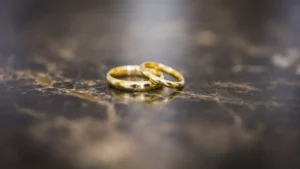
Diamond rings are often treated as if they only mean one thing, but the category is much wider than engagement rings. Promise rings mark a commitment before an engagement; anniversary rings celebrate years together, often with a stone added for each milestone. Eternity bands, set with a continuous line of diamonds, are a classic gift for a significant anniversary or the birth of a child. Right-hand rings are bought simply because the wearer loves them, with no occasion attached at all.
There are also stacking rings, worn in groups and mixed with plain bands, and fashion rings, where the diamond is a design detail rather than the centrepiece. The same rules of quality apply to all of them: a well-cut stone, a secure setting, and a metal that will last. What changes is the emphasis. An engagement ring is worn every day, so durability and timelessness matter most, while a fashion ring can afford to be bolder, because it is worn by choice rather than by habit.
How to Choose a Diamond Ring: What to Look For
Start with the four Cs — cut, colour, clarity and carat — but give them the right weight. Cut matters most, because it decides how much light the stone returns. Colour is best judged in the metal you will use: a near-colourless stone looks whiter in platinum, while a slightly warmer stone looks at home in yellow gold. Clarity matters only until flaws are invisible to the naked eye; beyond that, you pay for a difference only a loupe can see. Carat is the hardest to judge, because two stones of the same weight can look very different. Our diamond buying guide for 2027 explains the four Cs, certification and budgeting in plain language, and is worth reading before you visit a jeweller.
Next, think about the hand that will wear the ring. Long fingers suit wider bands and elongated stones; shorter fingers look longer with a slim band and a single stone. An active lifestyle points towards a low profile and a protected setting, and skin tone helps with metal: warm gold suits warm undertones, cool white metals suit cooler ones. Set a budget before you fall in love with a stone, and decide what you will not compromise on — for most people, cut and a secure setting.
1. The Classic Round Solitaire
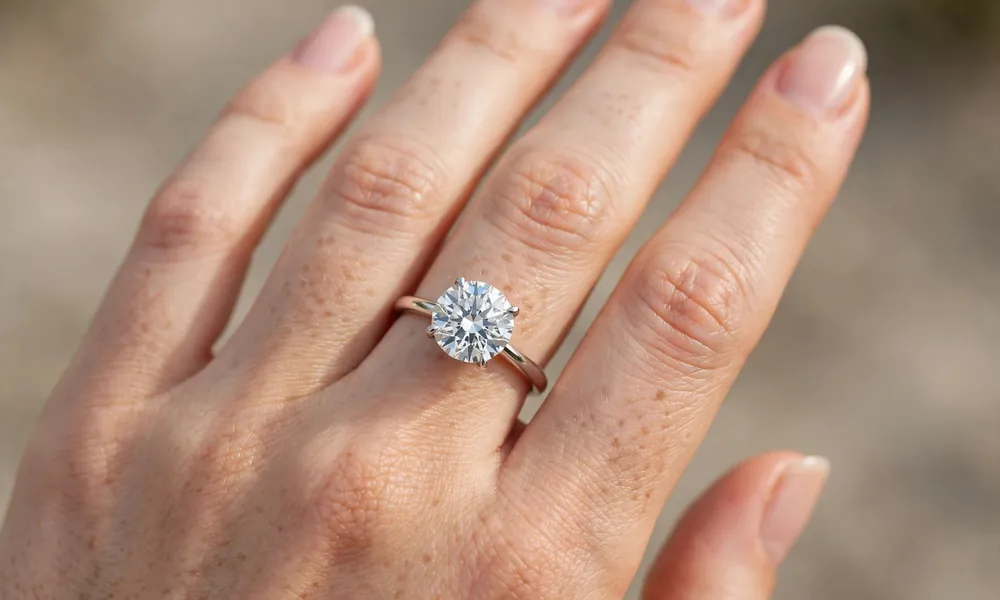
The round solitaire is the ring most people picture when they think of a diamond ring: a single round brilliant stone held by prongs on a plain band. It has been the default choice for decades, and for good reason. The round brilliant is the best-performing cut for sparkle, returning more light than any other shape. It suits almost every hand and never looks dated.
What We Like: Unmatched brilliance, timeless design, and easy matching with a wedding band, which sits flush against the plain shank. It is also the easiest style to resize.
What to Consider: The centre stone carries the whole look, so cut quality matters more here than anywhere. A high-set solitaire can catch on clothing, and the prongs need checking once a year, as a worn prong is the most common reason a stone is lost.
2. The Halo Ring
A halo ring surrounds the centre stone with a ring of small pavé diamonds, making the main stone look larger and adding sparkle from every angle. It is a generous, romantic style for wearers who love visible glamour.
What We Like: The centre stone looks up to half a carat larger than it is, and the extra diamonds catch light from every angle. It is a strong choice when the budget favours impact over a single large stone.
What to Consider: Small halo stones are harder to clean and easier to lose than a single stone, so the ring needs gentle handling and regular checks. A halo also suits a slimmer band, which can feel slight on a larger hand.
3. The Three-Stone Ring
The three-stone ring sets a centre diamond between two smaller side stones, traditionally said to represent the past, present and future of a relationship. It is one of the most meaningful and flattering styles: the side stones widen the ring across the finger and balance a larger centre stone.
What We Like: A balanced, symmetrical look with real symbolism, and side stones that add sparkle without the delicacy of a halo. It is an excellent anniversary choice too.
What to Consider: The three stones must be well matched in colour, or the difference will show. The setting is wider than a solitaire, so it can feel bulky beside a very slim wedding band.
4. The Pavé Band Ring
In a pavé ring, the band itself is set with a line of tiny diamonds, held by small beads of metal, so the whole ring glitters rather than just the centre stone. It is an elegant, feminine style that turns even a modest centre stone into something eye-catching.
What We Like: Continuous sparkle from every angle, a slim and graceful profile, and a band that looks complete on its own.
What to Consider: Pavé stones are the most vulnerable to loss, especially on a ring worn daily, and the band cannot always be resized without disturbing the setting. It needs professional cleaning to keep the small stones bright.
5. The Vintage-Inspired Ring
Vintage-inspired rings borrow from the past: milgrain edges, filigree metalwork, and Art Deco geometry. They suit wearers who love detail and character, and who want a ring that looks like it has a story rather than one fresh off a production line.
What We Like: Distinctive, romantic detailing that no plain modern ring can match. It is a strong choice for anyone who loves period design.
What to Consider: Fine filigree and milgrain are delicate and can wear smooth over time. The detailed setting also traps dirt more easily, and repairs need a jeweller experienced with vintage work.
6. The Bezel-Set Ring
A bezel setting wraps a rim of metal around the edge of the diamond, holding it securely instead of using prongs. It is a clean, modern look that suits active wearers, and it is the safest setting for a stone that will be knocked about.
What We Like: The most secure and practical setting available, with a smooth profile that never catches on clothing. It is ideal for busy hands.
What to Consider: The metal rim covers the edge of the stone, so slightly less light enters and the diamond can look a touch smaller than in prongs. A bezel also shows fingerprints on the metal more readily.
7. The Eternity Band
An eternity band is set with a continuous circle of diamonds around the whole ring, so the sparkle never stops. Half-eternity bands set stones across the top half only, which makes resizing possible.
What We Like: Unbroken sparkle, a luxurious feel, and a design that needs no centre stone to impress. A half-eternity band is also one of the most comfortable rings to wear daily.
What to Consider: A full eternity band cannot be resized, so the size must be exactly right before you buy. The stones on the underside wear faster, and the ring is best removed for heavy manual work.
8. The Cluster Ring
A cluster ring groups several small diamonds together to form the shape of one larger stone, often a flower or a cushion. It is a clever and charming style: the combined sparkle of many small stones can rival a single large diamond at a fraction of the price. It suits wearers who want presence without a single-stone price tag.
What We Like: Big visual impact for the budget, a distinctive design that stands out from standard solitaires, and a style that works beautifully in coloured metal.
What to Consider: The individual stones are small, so the ring relies on the setting for its effect, and a damaged cluster is harder to repair. The design can also date faster than a classic solitaire.
9. The Emerald-Cut Solitaire
The emerald-cut solitaire is the quiet sophisticate of the group: a rectangular stone with long, clean facets that flash in broad planes of light rather than a round brilliant’s busy sparkle. It has an understated, architectural elegance that suits long fingers and minimal styling,.
What We Like: A refined, elegant look that stands apart, with a large face-up appearance that makes the stone look bigger than its weight. The long lines also make fingers look slimmer.
What to Consider: The open facets show inclusions more readily than a round brilliant, so clarity matters more here, and the corners are vulnerable to chipping, which calls for protective prongs or a bezel.
A Short History of the Diamond Ring
The diamond ring as a symbol of commitment is older than most people realise, but the solitaire as we know it is modern. Diamonds were first set in rings in Europe in the fifteenth century, but for centuries they were a luxury for the wealthy. The turning point came in the late 1800s, when new mines made diamonds more available and jewellers began designing rings around a single stone. The round brilliant cut, developed in the early twentieth century, gave the solitaire its famous sparkle and made it the standard it remains today.
The twentieth century added the styles we now take for granted: Art Deco geometry, pavé and halo designs, and the eternity band as an anniversary gift. Today, lab-grown diamonds offer the same stone at a lower price, while vintage and coloured stones give buyers more ways to make a ring personal. Many buyers now choose a matching set: our guide to the best diamond earrings for 2027 covers studs, hoops and drops by budget, and pairs naturally with any ring on this list.
The Caveats That Matter
No diamond ring is a perfect purchase, and the honest caveats are the ones that save you money and regret. Certification, sizing, and the choice between natural and lab-grown stones all deserve a clear head, not a rushed decision at the counter.
| Detail | What is known |
|---|---|
| Certification | Ask for a certificate from a recognised laboratory and check the stone against it. |
| Cut quality | Cut affects sparkle more than carat weight; prioritise an excellent cut. |
| Ring size | Fingers change size during the day; measure in the afternoon and confirm the resizing policy. |
| Natural vs lab-grown | Lab-grown diamonds are identical but usually resell for less; decide which matters to you. |
| Metal allergies | Nickel in some white gold can irritate sensitive skin; platinum is a safer choice. |
| Insurance | Insure the ring promptly and check your home policy covers loss outside the house. |
| Daily wear | Remove rings for heavy lifting, gardening and swimming; chlorine and knocks cause most damage. |
| Resale value | Most rings resell below retail price; buy for wearing, not as an investment. |
Checklist: Before You Buy a Diamond Ring
- Know the wearer’s ring size, metal preference and daily routine before shopping.
- Set a firm budget and decide what you will not compromise on, usually cut and setting security.
- Compare stones of the same grade side by side, in daylight, in your chosen metal.
- Ask for the certificate and confirm the stone matches the paperwork.
- Check resizing, cleaning and warranty terms, and how often prongs should be inspected.
- Try the ring on for a few minutes and make sure it sits comfortably and does not spin.
Frequently Asked Questions
How much should I spend on a diamond ring?
There is no rule that fits everyone, and the old “two months’ salary” idea was a marketing slogan, not a tradition. Spend what you can afford without debt, and put the money where it shows: cut first, then size. A smaller, beautifully cut stone in a well-made ring will always look better than a larger stone in a poor setting.
Are lab-grown diamonds real diamonds?
Yes. Lab-grown diamonds are chemically, physically and optically identical to mined diamonds; only their origin differs. They usually cost considerably less for the same size and quality. The main difference is resale value, which is generally lower, so decide whether that matters to you.
Which diamond shape sparkles the most?
The round brilliant sparkles the most, because its fifty-eight facets return light to the eye. Fancy shapes such as emerald, oval and pear trade some brilliance for elegance or size. If maximum sparkle is the priority, a well-cut round stone is the safest choice.
Can a diamond ring be resized?
Most plain and solitaire rings can be resized by one or two sizes, but pavé and full eternity bands often cannot, because the setting runs all the way around. Confirm the resizing policy before you buy, and have the size checked professionally rather than guessing.
How do I clean a diamond ring at home?
Soak it in warm water with a drop of mild washing-up liquid, brush gently with a soft toothbrush, and rinse and dry with a lint-free cloth. Avoid harsh chemicals and ultrasonic cleaners unless a jeweller has checked the setting, as loose stones can be shaken out. A professional clean once a year keeps the ring at its brightest.
What metal is best for a diamond ring?
Platinum is the most durable and hypoallergenic, but also the most expensive, and it develops a soft patina over time. White gold looks similar for less money but needs re-plating every few years. Yellow and rose gold are warm, classic and easy to maintain. Choose the metal that suits the wearer’s skin tone, lifestyle and existing jewellery.
The Bottom Line
The best diamond ring is not the biggest or the most expensive one; it is the one that suits the hand, the life and the taste of the person wearing it. A classic solitaire will never look wrong, a bezel will survive the busiest life, and a halo or cluster gives presence without a single-stone price. Whatever you choose, spend on cut and craftsmanship, insist on certification, and try the ring on before you commit. A ring is also part of a wider look: our guide to the best blazers for women in 2027 shows how a polished jacket frames a ring perfectly, from the office to an evening out.
If you are still deciding, use the simplest test: which ring would you want to look at every day for the next twenty years? That is the one worth buying, whether it is a quiet emerald cut or a sparkling halo. Choose calmly, check the details, and enjoy wearing it.
Note: Diamond prices, availability and grading standards change over time. Check the certificate, the returns and resizing policy, and current pricing before you buy, and insure the ring promptly.
Meet Our Experts
Our jewellery coverage is written by BrassSmile’s fashion and jewellery editors, who research current collections and grading standards and review each piece against the needs of real wearers.
Why Trust BrassSmile
BrassSmile covers jewellery the way we cover fashion: comparing designs, materials and value side by side, checking specifications against recognised standards, and favouring pieces that will still look good years from now. We do not accept payment for placement.