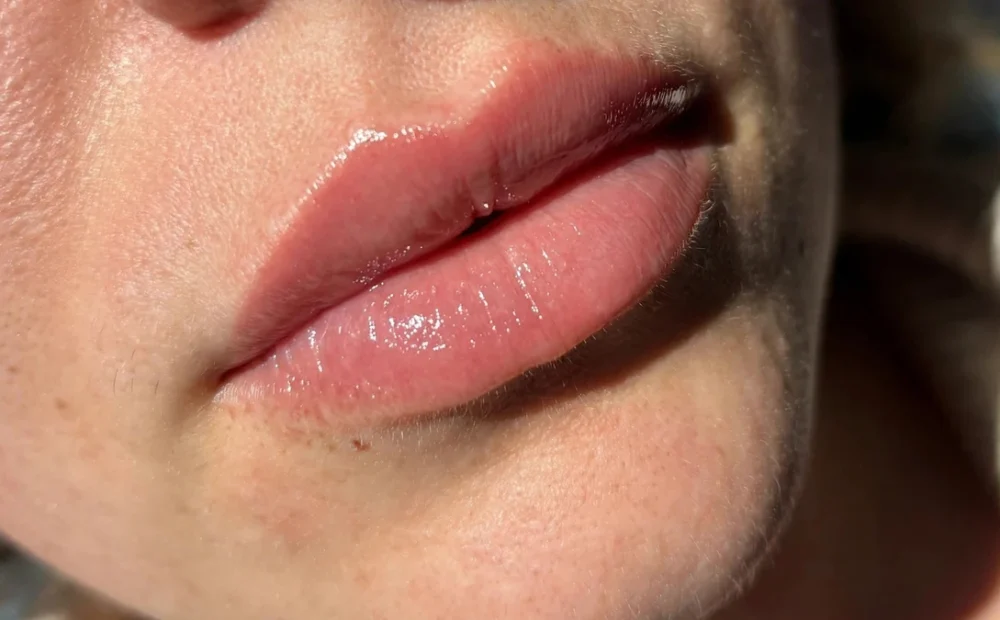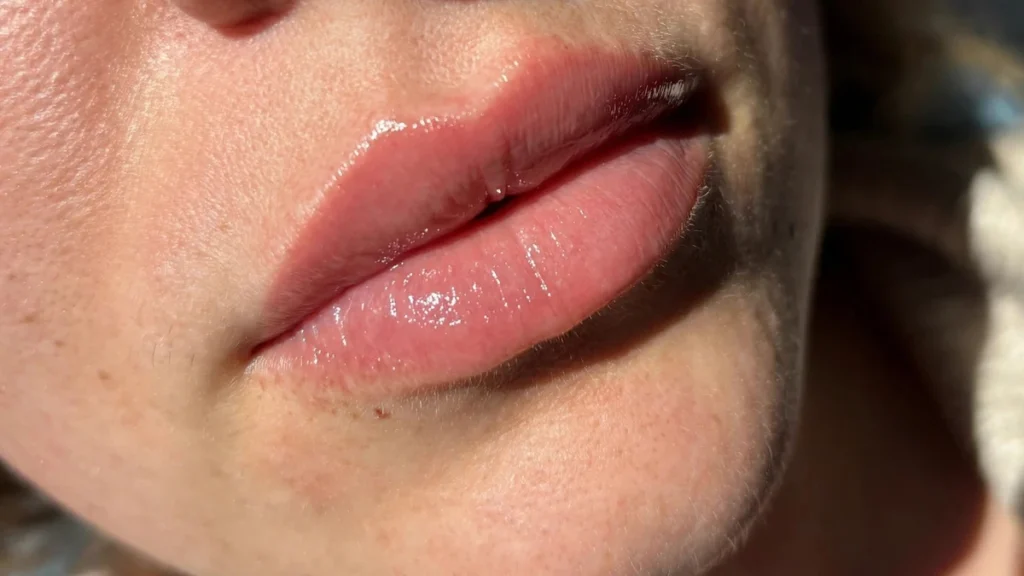
A lip oil is one of the easiest products to use, and one of the easiest to waste. Used well, it keeps dry lips soft, adds a healthy shine, and makes lipstick look better. Used badly, it slides off in twenty minutes, smears your lipstick, or sits on top of flakes without helping the skin underneath. The difference is not the product. It is the order of the steps, the amount you use, and the minute you give it to sink in.
Most people apply a lip oil the way they apply a balm: a quick swipe, straight onto whatever is already on the lips, and then they wonder why it does not last. A lip oil works best on clean, gently exfoliated lips, in a thin layer, with a short wait before anything goes on top. Those three small habits are what turn a pretty gloss into a treatment that actually helps dry lips.
This guide walks through the nine steps that matter, from preparing the lips to using the oil overnight. Each step explains what to do, what to avoid, and how long it takes, so you can fit it into a real morning routine, not an ideal one.
Key takeaways
- A lip oil works best on clean, gently exfoliated lips, applied in a thin layer and left to sink in for a minute.
- Exfoliate once or twice a week, never daily, and stop if the lips sting or bleed.
- Layer oil over lipstick for shine, or under lipstick for care, but blot the excess first so the colour stays put.
- Reapply when the shine fades, not when the lips already feel tight, and keep the tube within reach through the day.
- No technique fixes deeply cracked or bleeding lips on its own, and a formula that stings or increases flaking should be stopped.
Why the order of the steps matters
The lips have no oil glands of their own, which is why they dry out faster than the rest of the face. They rely on what you put on them, and on the barrier that product creates. A lip oil works by sealing in the moisture that is already in the lips and by softening the surface with conditioning oils. If the surface is covered in flakes, the oil cannot reach the skin underneath, so it sits on top and slides off. If the lips are wet or greasy, the oil cannot grip, so it disappears just as fast.
That is why preparation comes first. A gentle exfoliation removes the loose flakes, a clean, dry surface gives the oil something to hold onto, and a thin layer spreads evenly instead of pooling at the edges. Each step is small on its own, but together they decide whether the oil lasts for an hour or for ten minutes. People who say lip oils do not work for them are usually skipping the preparation, not using a bad product.
The amount matters just as much. A lip oil is not a balm, and more is not better. A thin, even layer covers the lips, seals in moisture, and looks glossy without feeling heavy. A thick flood of oil feathers past the lip line, collects at the corners, and makes lipstick slide. If the oil is running, you have used too much. Wipe the excess away and start again with half as much.
What you need before you start
You need very little: a lip oil you like, a soft toothbrush or a gentle sugar scrub for exfoliation, a damp cloth, and a tissue for blotting. If your lips are sore or cracked, choose a fragrance-free oil, because fragrance and flavour are the most common irritants in lip products, and a sore lip has no barrier left to protect it. A clear oil is the most forgiving choice while you are learning the technique, because a tinted oil shows every mistake.
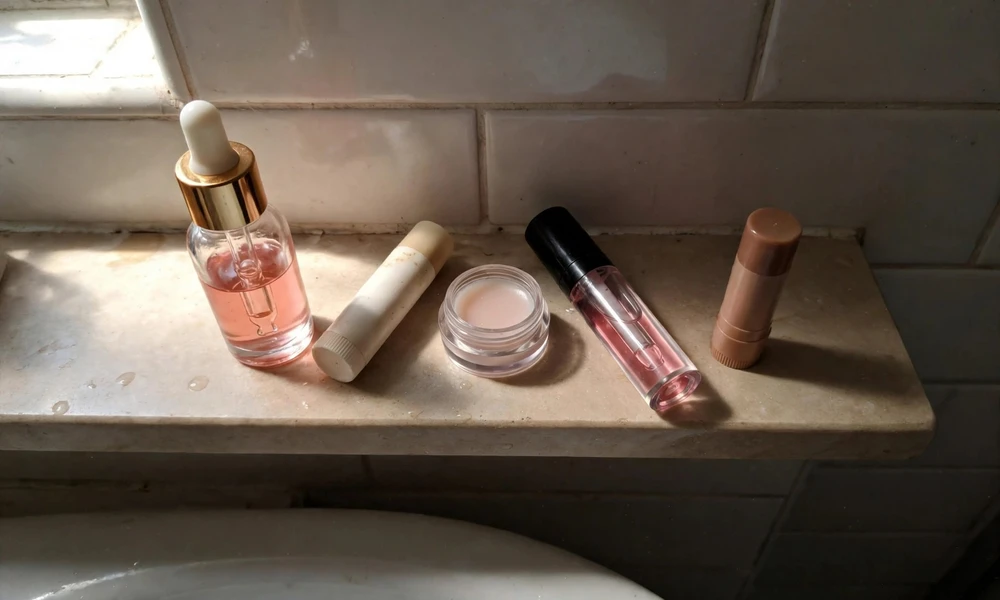
Keep the tube somewhere you will actually use it: a coat pocket, a handbag, or the bathroom shelf next to your toothbrush. A lip oil that lives in a drawer does not help anyone. If you wear lipstick most days, keep the oil next to it, so the two steps happen together. Our lip oil roundup can help you pick a formula, because a thick, cushiony oil behaves differently from a light one, and the technique changes slightly to match.
Finally, give yourself a minute. The whole routine takes less than three minutes, but it does need that minute of waiting after the oil goes on. Apply the oil first, then do the rest of your makeup, and the waiting takes care of itself. Rushing the wait is the most common reason the oil ends up on a coffee cup instead of on the lips.
The 9 steps to using a lip oil properly
Exfoliate gently first
What to do: Buff the lips very lightly with a soft toothbrush or a sugar scrub, using small circles for ten seconds, then wipe away the flakes with a damp cloth. What to avoid: Do not scrub hard, use a rough exfoliant, or pick at flakes, because that tears the skin and makes the lips sorer.
Best for: flaky lips before any lip product. Time needed: 1 minute. Standout tip: exfoliate once or twice a week, never every day, so the lips have time to recover.
Start with clean, dry lips
What to do: Wipe away any old balm, lipstick or food, and pat the lips dry, so the oil can reach the skin instead of sliding over a greasy layer. What to avoid: Do not apply oil over a thick balm or a wet lip, because the oil will not absorb and the shine will slide off within minutes.
Best for: every application, morning and night. Time needed: 30 seconds. Standout tip: a quick wipe with a damp cloth is enough; you do not need a cleanser on the lips.
Warm the oil before you apply it
What to do: Roll the tube between your palms for a few seconds, or press the applicator to your lower lip for a moment, so the oil flows smoothly and spreads evenly. What to avoid: Do not heat the tube with hot water or leave it in the sun, because heat breaks down the oils and shortens the life of the product.
Best for: thick, cushiony oils in cold weather. Time needed: 10 seconds. Standout tip: a warmed oil spreads in one pass, so you use less product.
Apply one thin, even layer
What to do: Glide the applicator across the lower lip, then press the lips together to spread the oil, and add a touch more to the centre of the lower lip where dryness shows first. What to avoid: Do not flood the lips with oil, because it will feather past the lip line and feel sticky, and more product does not mean more moisture.
Best for: daytime wear and layering under lipstick. Time needed: 20 seconds. Standout tip: press, do not rub, because pressing spreads the oil without wiping it away.
Let it sink in for a minute
What to do: Wait sixty seconds before eating, drinking or applying lipstick, so the conditioning oils have time to soften the surface of the lips. What to avoid: Do not talk, sip or blot straight away, because the oil needs a moment to settle, and wiping it off early wastes the product.
Best for: mornings, when you are building a routine. Time needed: 1 minute. Standout tip: apply the oil first, then do the rest of your makeup, and the waiting takes care of itself.
Layer it over lipstick for shine
What to do: After lipstick has set, dab a small amount of clear or matching oil on the centre of the lips only, and press the lips together once. What to avoid: Do not drag the applicator across fresh lipstick, because it will pull the colour off and smear it past the lip line.
Best for: matte lipstick that looks dry or flat. Time needed: 20 seconds. Standout tip: centre-only shine looks modern and keeps the colour in place at the edges.
Layer it under lipstick for care
What to do: Apply a thin layer of oil, wait two minutes, blot the excess very gently with a tissue, then apply lipstick as normal. What to avoid: Do not skip the blotting step, because lipstick will not grip a slippery surface and will slide off within the hour.
Best for: dry lips that still want to wear lipstick. Time needed: 2 minutes. Standout tip: a tinted oil under a matching lipstick deepens the colour without drying the lips.
Reapply through the day
What to do: Top up the oil after meals, after drinking, and whenever the shine fades, because the gloss fading is the signal that the protective layer is wearing thin. What to avoid: Do not wait until the lips feel tight or cracked again, because by then the moisture has already escaped and the oil has more work to do.
Best for: cold weather, air-conditioned offices and long days out. Time needed: 20 seconds. Standout tip: keep the tube in your pocket or bag, not in a hot car, so it is always within reach.
Use it as an overnight treatment
What to do: Before bed, exfoliate gently if needed, then apply a generous layer of oil, thicker than you would wear in the day, and leave it on overnight. What to avoid: Do not use a strongly fragranced or plumping oil overnight, because it can irritate the lips while you sleep and you will not notice.
Best for: lips that wake up dry and flaky every morning. Time needed: 1 minute. Standout tip: a thick layer at night does more than a thin layer in the day, because it has eight hours to work.
Which way of using it suits you
If your lips are dry but not sore, the simplest routine is enough: exfoliate twice a week, apply a thin layer in the morning, let it sink in, and reapply after meals. A light oil with squalane or jojoba is comfortable for this, and it layers well under lipstick. You do not need a thick, heavy formula unless your lips are very dry, and a light oil is easier to wear all day without thinking about it.
If your lips are very dry or flaky, use the full routine: exfoliate, apply a thick oil generously at night, and use a medium-weight oil in the day. The overnight layer is the step that makes the biggest difference, because it has eight hours to soften the lips while you sleep. A hydrating lip balm roundup is a useful comparison here, because some people prefer a balm overnight and an oil in the day, and the two products can be used together rather than as rivals.
If you wear lipstick every day, learn the two layering methods and use them both. Oil under lipstick, blotted first, keeps the lips comfortable all day. Oil over lipstick, dabbed on the centre only, adds shine without disturbing the colour. The mistake is to use a thick layer of oil and then apply lipstick straight on top, because the colour will slide. Blotting is the step that makes layering work, and it takes five seconds.
The caveats that matter
A lip oil is a helpful product, but it cannot fix lips that are damaged for another reason. If your lips are bleeding, blistered, or cracked at the corners for more than a few weeks, the cause may be dehydration, a reaction to a product, a vitamin deficiency, or a habit such as licking your lips. An oil can protect while the lips heal, but it cannot replace water, rest, and time, and it cannot fix a reaction to an ingredient you are still using every day.
| Detail | What is known |
|---|---|
| Best surface to apply on | Clean, dry, gently exfoliated lips |
| How much to use | One thin, even layer; a flood of oil feathers and slides |
| How long to wait | Sixty seconds before eating, drinking or lipstick |
| How often to exfoliate | Once or twice a week, gently, never daily |
| How to layer with lipstick | Oil under lipstick, blot first; oil over lipstick, centre only |
| How often to reapply | When the shine fades, after meals, and before bed |
| When to stop a formula | If it stings, increases flaking, or makes the lips feel tighter |
| What it does not do | It does not heal bleeding or blistered lips alone, or replace water and rest |
Licking your lips is the habit that undoes all of this. Saliva evaporates and takes moisture with it, leaving the lips drier than before, and the enzymes in saliva can irritate sore skin. If you catch yourself licking your lips, reach for the oil instead. It is a small swap, but it is often the difference between lips that heal and lips that stay chapped all winter. Our guide to applying matte lipstick is worth reading alongside this one, because matte formulas are the hardest on dry lips, and the same preparation steps make them look far better.
Checklist: using a lip oil the right way
Use these checks before you apply, and again after a week of using the routine.
- Exfoliate gently once or twice a week, never daily, and never on sore or bleeding lips.
- Start with clean, dry lips, so the oil can reach the skin instead of sliding over a greasy layer.
- Apply one thin, even layer, and press the lips together once instead of rubbing.
- Wait sixty seconds before eating, drinking or applying lipstick.
- Reapply when the shine fades, and always before bed, so the lips heal overnight.
- Stop the habit: do not lick your lips, because saliva dries them out faster than any oil can repair them.
Frequently asked questions
Should I apply lip oil before or after lipstick?
Both, in different ways. Apply a thin layer under lipstick for care, blot the excess, then apply the lipstick. Or dab a little oil over lipstick for shine, on the centre of the lips only. Do not apply a thick layer of oil and then lipstick straight on top, because the colour will slide.
How many times a day should I use a lip oil?
Two to three times a day is enough for most people, plus a layer before bed. Reapply after meals and when the shine fades. If you need to apply it every hour, your lips may need a thicker formula, or a gentler exfoliation first.
Can I use a lip oil every day?
Yes. A lip oil is gentle enough for daily use, and most people benefit from using it every morning and every night. If your lips become irritated, stop and check the ingredient list for fragrance or flavour, which are the most common irritants.
Does lip oil replace lip balm?
For daytime wear, often yes, because an oil adds shine as well as moisture. Overnight, some people still prefer a thick balm, because it forms a heavier barrier. You can use both: oil in the day, balm at night, or oil first and balm on top when the lips are very dry.
Why does my lip oil disappear so quickly?
Usually because the lips were not clean or exfoliated, so the oil had nothing to hold onto, or because you applied too much and it slid off. Try a gentle exfoliation, a thin layer on clean, dry lips, and a minute of waiting before eating or drinking.
Can I use a lip oil if my lips are cracked and bleeding?
Use a plain, fragrance-free oil gently, and avoid any formula with fragrance, flavour or plumping ingredients, which will sting. Do not exfoliate cracked or bleeding lips. If they do not improve in a few days, speak to a pharmacist or a dermatologist.
The bottom line
Using a lip oil well is not complicated, but it is specific. Clean, gently exfoliated lips, one thin layer, a minute to sink in, and a reapplication when the shine fades. Those four habits are what separate an oil that actually helps dry lips from one that disappears in twenty minutes and leaves the lips exactly as dry as before.
Pick one oil, follow the steps for a week, and judge it on how your lips feel an hour later, not just on how they look in the first minute. That is the honest way to find out whether a lip oil is working for you, and whether it deserves a permanent place in your routine.