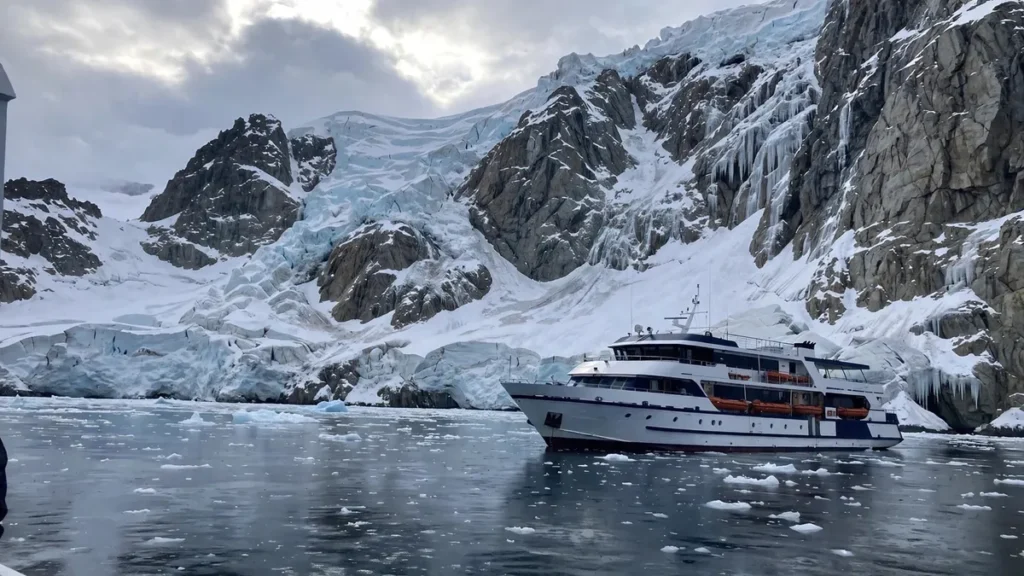
An expedition cruise is not a floating hotel that happens to visit interesting places. It is a small ship built to reach places large cruise ships cannot, with zodiacs for shore landings, a team of naturalists and guides on board, and an itinerary that can change with the weather, the ice, or a whale sighting. The luxury part is not gold taps and grand staircases. It is space, quiet, good food, warm cabins, and the feeling that the journey itself is the point.
That combination is why expedition cruising has grown so quickly. Travellers who once booked a safari or a remote lodge are now booking a ship to Antarctica, the Arctic, the Galapagos, or the Kimberley coast, because a ship carries its hotel with it and wakes up somewhere new each morning. The problem is that the word expedition is used very loosely. Some ships are true ice-class expedition vessels with a full team of experts. Others are ordinary cruise ships with a few zodiac boats and an expedition label.
Below are nine luxury expedition cruises worth considering in 2027. Each one is described by what it does well, what to watch for, and who it suits best, so you can choose a voyage that matches how you actually like to travel, not just a brochure photograph.
Key takeaways
- A true luxury expedition cruise pairs a small, capable ship with zodiac landings and an expert guide team, not just a scenic route.
- Ship size matters more than star ratings: under 200 guests usually means faster landings, quieter decks, and a more personal trip.
- All-inclusive fares often cover excursions, drinks, gratuities and flights, so compare the total cost, not the headline price.
- Antarctica and the Arctic are seasonal by nature, so the month you sail shapes what you will see, from penguin chicks to the northern lights.
- No expedition is guaranteed: ice, weather and wildlife can change an itinerary at short notice, and that flexibility is part of the deal.
What a luxury expedition cruise actually is
An expedition cruise is defined by how it travels, not by how grand it looks. The ship is small, usually between 100 and 250 guests, and built to operate far from ports, with a reinforced hull for ice, stabilisers for rough seas, and a fleet of inflatable zodiac boats for getting ashore where there is no dock.
The luxury element sits on top of that practical base. Cabins are larger than on a standard cruise ship, often with balconies and generous storage. Dining is closer to a good restaurant than a buffet hall, with regional menus and wines included. There is usually a spa, a sauna, and a library, because polar days are long and cold, and the hours between landings need somewhere warm to recover.
The guide team is the part that separates a real expedition from a scenic cruise. Look for naturalists, glaciologists, historians, and photographers who lead the landings and give talks most evenings. Small groups ashore make the difference between watching wildlife quietly and crowding around it. If a sailing lists only one or two guides for 200 guests, the expedition label is doing a lot of work.
How we chose these cruises and what to look for
Look first at the ship and its expedition credentials. An ice-class hull, a Polar Code rating, and a proven record in the region you want to visit matter more than the size of the spa. A ship that has spent several seasons in Antarctica or the Arctic will have a crew that knows the landing sites, the weather patterns, and when to change the plan.

Look next at what is included. Luxury expedition fares are usually close to all-inclusive, covering excursions, zodiac landings, drinks, gratuities, and sometimes charter flights to the embarkation port. That matters because the extras on a standard cruise can add up quickly, and on a remote sailing there is nowhere else to buy them. Ask what is not included too, especially kayaking, submersible dives, and single supplements, which can be expensive.
Finally, look at the daily rhythm. A good expedition cruise balances active landings with rest, and gives you time to watch the landscape rather than rushing from one activity to the next. Our guide to the best luxury cruises in the Mediterranean covers a gentler style of sailing for comparison, because the pace of a warm-water cruise and a polar expedition are very different, and knowing which pace suits you is half the decision.
The 9 best luxury expedition cruises of 2027
Seabourn Venture
What we like: A purpose-built polar expedition ship with two submarines, kayaks, and a full team of naturalists, plus Seabourn’s polished dining and service. What to consider: Submarine dives cost extra and depend on conditions, and polar sailings book out early. Best for: Travellers who want a true polar expedition with the comfort of a luxury ship. Style: Polar expedition, small ship. Price range: High, with most polar sailings in five figures per person. Standout feature: Two onboard submarines for underwater exploration.
Seabourn Venture is one of the most capable expedition ships sailing in 2027, with an ice-strengthened hull, a large expedition team, and service that makes a cold morning ashore feel like a small adventure.
Silversea Silver Endeavour
What we like: One of the most spacious expedition ships afloat, with large suites, butler service, and a strong expedition team. What to consider: The ship is larger than some expedition vessels, so landings are organised in more groups. Best for: Travellers who want generous suites and fine dining on a polar voyage. Style: Polar expedition, large suites. Price range: High, with suites commanding a premium. Standout feature: Some of the largest suites in expedition cruising.
Silver Endeavour suits travellers drawn to the poles who do not want to give up space, quiet, and excellent food.
Ponant Le Commandant Charcot
What we like: A hybrid-electric polar icebreaker that reaches the geographic North Pole, with a French dining sensibility and a science laboratory on board. What to consider: North Pole sailings are limited and expensive, and the ship’s French character may not suit everyone. Best for: Travellers chasing the far north and serious polar exploration. Style: Polar icebreaker, French luxury. Price range: Very high, especially for North Pole voyages. Standout feature: The only luxury ship sailing guests to the geographic North Pole.
Le Commandant Charcot can break through ice that stops other vessels, and its North Pole voyages are among the most extraordinary journeys a cruise can offer.
Lindblad Expeditions National Geographic Endurance
What we like: A dedicated expedition ship with a strong naturalist team, National Geographic photographers on board, and an excellent record in Antarctica and the Arctic. What to consider: Cabins are comfortable rather than grand, and the focus is squarely on the expedition. Best for: Travellers who value learning, photography, and expert guiding above all. Style: Polar expedition, learning-led. Price range: High, with a strong expedition focus. Standout feature: National Geographic photographers and naturalists on every sailing.
National Geographic Endurance is the ship for travellers who want to come home understanding what they saw, with strong lectures, photo guidance, and naturalists.
Hurtigruten MS Roald Amundsen
What we like: A hybrid-powered expedition ship with a science centre, a large expedition team, and a long Norwegian heritage in polar waters. What to consider: The atmosphere is more Scandinavian and practical than overtly luxurious. Best for: Travellers who want a serious expedition with a lighter environmental footprint. Style: Polar expedition, Scandinavian. Price range: Upper-mid to high for expedition cruising. Standout feature: Hybrid battery power and an onboard science centre.
Roald Amundsen suits travellers who care about how they travel as much as where they go, with a science centre and citizen-science projects that give the voyage purpose beyond sightseeing.
Atlas Ocean Voyages World Navigator
What we like: A small, yacht-like expedition ship with fewer than 200 guests, an intimate atmosphere, and a good balance of polar and warm-water itineraries. What to consider: A newer and smaller line, so the range of departure dates is narrower. Best for: Travellers who want a yacht feel with genuine expedition capability. Style: Expedition yacht, intimate. Price range: Upper-mid to high. Standout feature: A yacht-like atmosphere on a true expedition ship.
World Navigator is a good middle ground between a large luxury ship and a rugged expedition vessel, with a personal feel, strong dining, and quick landings.
Scenic Eclipse II
What we like: A discovery yacht with a submarine, a helicopter, a spa, and some of the most generous suites at sea, sailing both polar and warm-water routes. What to consider: The helicopter and submarine carry extra costs and need calm conditions, and the ship is larger than a pure expedition vessel. Best for: Travellers who want maximum choice, from polar ice to tropical reefs. Style: Discovery yacht, all-inclusive. Price range: High, with a near all-inclusive fare. Standout feature: An onboard helicopter and submarine.
Scenic Eclipse II is the most versatile ship here, sailing Antarctica in one season and the Mediterranean in another, with a spa and dining that make the days between landings feel like a holiday in their own right. Our guide to the best luxury wellness cruises covers a similar spirit of slow, restorative travel for comparison.
Aurora Expeditions Sylvia Earle
What we like: A purpose-built expedition ship with an Australian character, a strong expedition team, and a focus on Antarctica and the Arctic. What to consider: The atmosphere is adventurous and relaxed rather than formal. Best for: Travellers who want a proper polar expedition with a friendly, informal feel. Style: Polar expedition, relaxed. Price range: Upper-mid to high. Standout feature: A purpose-built ship named for the oceanographer Sylvia Earle.
Sylvia Earle is a working expedition ship first and a luxury ship second, which is exactly the right order for a polar voyage, with an experienced team, smooth zodiac operations, and a warm, unpretentious atmosphere.
Hapag-Lloyd Cruises Hanseatic Nature
What we like: A German expedition ship with a quiet, refined atmosphere, excellent lectures, and a strong record in the Arctic and Antarctica. What to consider: English is well supported but the ship’s character is German, and the style is understated. Best for: Travellers who prefer quiet, thoughtful expedition cruising. Style: Polar expedition, understated. Price range: High. Standout feature: A calm, lecture-led expedition style with a small guest count.
Hanseatic Nature suits travellers who like serious expeditions and quiet evenings, with excellent lectures, well-organised landings, and a ship that never feels crowded.
Which expedition cruise suits your travel style
If your dream is Antarctica, choose a ship built for ice and a sailing in the southern summer, from November to March. Early season brings pristine snow and courting penguins, mid-season brings chicks and long days, and late season brings whales. If your dream is the Arctic, the season is shorter, roughly June to September, and the choice is between Svalbard, Greenland, and the Northwest Passage, each with a different character.
If you prefer warm water, look at discovery yachts and small expedition ships sailing the Galapagos, the Kimberley, or the Indonesian islands. These voyages are less about cold and ice and more about reefs, wildlife, and remote cultures, and they suit travellers who want adventure without heavy clothing. A stay at one of the best luxury island hotels before or after a warm-water expedition is a good way to recover.
If you travel with children or teenagers, check the minimum age and the family facilities carefully. Some expedition lines welcome older children and run young-explorer programmes, while others are adults-only in practice. If you are travelling solo, ask about single supplements and shared-cabin options, because these vary widely and can change the cost of a voyage by a third or more.
The caveats that matter
Expedition cruising is a wonderful way to travel, but it is not a guaranteed product in the way a hotel stay is. Weather, ice, and wildlife set the schedule, and a landing can be cancelled at the last minute for safety. That is not a failure of the cruise. It is the nature of travelling in remote places, and the best lines are honest about it.
| Detail | What is known |
|---|---|
| Best ship size | Under 200 guests for fast landings and a personal feel |
| What to check first | Ice class, expedition team size, and zodiac operations |
| Antarctica season | November to March, with different wildlife each month |
| Arctic season | June to September, with Svalbard and Greenland the most popular |
| What fares usually include | Excursions, landings, drinks, gratuities, and sometimes flights |
| What often costs extra | Kayaking, submarine dives, helicopter flights, and single supplements |
| Who should think twice | Travellers who need a fixed schedule, or who dislike cold, wet landings |
| What is not guaranteed | Specific wildlife sightings, landings, or a fixed daily itinerary |
Health and fitness matter more than on a standard cruise: zodiac landings mean stepping from a moving boat onto a rocky shore, often in wind and spray, and hikes can be steep and uneven. You do not need to be an athlete, but you should be comfortable on rough ground in cold weather, and evacuation from Antarctica or the high Arctic is complicated and expensive, so check medical requirements and travel insurance carefully.
Checklist: choosing a luxury expedition cruise honestly
Use these checks before you book, and again before you pay the final balance.
- Check the ship: ice class, guest numbers, and how many expedition staff sail with you.
- Check the season: match the month to the wildlife and weather you most want to see.
- Check the inclusions: excursions, drinks, gratuities, flights, and what costs extra.
- Check the landing plan: how many landings a day, and how the ship handles bad weather.
- Check the cabin: storage space, heating, and whether a balcony is worth the premium in polar regions.
- Check the insurance: medical evacuation cover and cancellation terms for remote sailings.
Frequently asked questions
What is the best time to visit Antarctica?
November to March is the Antarctic summer. November brings fresh snow and penguin courtship, December and January bring chicks and long daylight, and February and March bring whales and fewer crowds. There is no single best month, only the month that matches what you most want to see.
Do I need to be fit for an expedition cruise?
Reasonably fit, rather than athletic. You should be comfortable stepping into a zodiac, walking on uneven ground, and standing outside in cold weather. Most landings offer easier and harder options, and the expedition team will help you choose the right group.
Are expedition cruises suitable for children?
Some are, for older children and teenagers, especially lines with young-explorer programmes. Check the minimum age, the cabin options, and whether the pace suits your family. Very young children are usually better suited to a warm-water cruise than a polar one.
What should I pack for a polar expedition?
Warm, waterproof layers, sturdy boots, gloves, and a good hat. Most luxury lines provide a complimentary expedition parka and lend waterproof boots, so check what is supplied before you buy anything. Layers matter more than one heavy coat.
How rough is the sea on the way to Antarctica?
The Drake Passage can be rough, and it can also be calm. Modern expedition ships have stabilisers that reduce the motion, and the crew will help with seasickness. If you are worried, choose a sailing with a longer crossing in mind and bring medication as a precaution.
Is a luxury expedition cruise worth the price?
For most travellers, yes, if the destination is the point. The fare covers the ship, the guides, the landings, the food, and the logistics of travelling somewhere remote safely. Compare the total cost with a land-based trip to the same region and the value becomes clearer.
The bottom line
The best luxury expedition cruise in 2027 is not the grandest ship or the most expensive suite. It is the voyage that takes you to the place you most want to see, on a ship small enough to land there properly, with a team that helps you understand what you are looking at. For the poles, that means an ice-class ship, a strong expedition team, and a season that matches your hopes. For warm water, it means a small ship, a flexible itinerary, and time to enjoy the sea.
Choose the destination first, the ship second, and the cabin third. Read the inclusions carefully, pack for the weather, and go with an open mind about the itinerary. An expedition cruise rewards travellers who are curious and flexible, and the places it reaches are worth every cold morning and every changed plan.