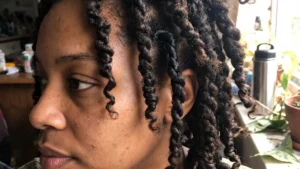
Bantu knots are small, tight coils of hair wound into knots and pinned close to the scalp. They are a protective style with a long history, and they ask a lot of the hair they hold. Each knot pulls the hair into a tight curl, tucks the ends away, and leaves the scalp more exposed than a loose style does. That combination is exactly why oil matters here. The right oil keeps the hair inside the knot from drying out, keeps the scalp comfortable under tension, and gives the finished knots a soft, healthy shine.
The wrong oil, or too much of it, causes its own problems. A heavy oil can weigh knots down, make them slip, and leave a greasy film on the scalp that attracts dust. The trick is to match the oil to the job: a light sealing oil for the lengths, a soothing oil for the scalp, and a small amount applied with intention rather than poured on and hoped for the best.
Below are nine hair oils worth considering for bantu knots in 2027, from a scalp-focused rosemary blend to a rich castor oil for thick, coily hair. Each one is described by what it does well, what to watch for, and who it suits best.
Key takeaways
- Bantu knots protect the ends of the hair, but the tight coil and exposed scalp mean the hair needs sealing moisture and the scalp needs gentle care.
- Light oils such as jojoba and grapeseed seal the lengths without weighing knots down, while richer oils such as castor oil suit thick, coily hair that drinks up moisture.
- Apply oil to damp hair and along the parts before knotting, then use a drop or two to smooth each knot once it is formed.
- Less is more: a few drops per section is enough, and too much oil makes knots slip, look greasy, and collect dust.
- Oil seals in moisture, it does not add water, repair split ends, or regrow hair, and a knot that hurts or pulls should be loosened, not oiled over.
What bantu knots ask of a hair oil
A bantu knot is made by twisting a section of hair and winding it around itself until it coils into a small knot. The ends are tucked into the centre, which protects them from rubbing, snagging, and drying out. The trade-off is tension. The hair is held in a tight curl for days, the scalp is pulled in many small directions at once, and the parts between the knots are fully exposed to air, sun, and dry indoor heating.
Oil has two jobs in this setting. On the lengths, it seals in the water from your leave-in conditioner or damp hair, so the coiled hair stays soft instead of drying stiff inside the knot. On the scalp, it keeps the exposed skin from feeling tight and flaky, and it makes the parts look neat and cared for rather than dry and ashy. An oil that does both without sitting heavy is ideal, and that is a narrower brief than it sounds.
Texture matters more than brand. Fine hair needs a light oil that absorbs quickly, because a heavy oil will flatten the knots and make them look greasy by the second day. Thick, coily hair can take a richer oil, because it absorbs more and the knots hold their shape better with a little weight. Porosity matters too. High-porosity hair benefits from a slightly heavier seal, while low-porosity hair needs a thin oil applied sparingly.
How we chose these oils and what to look for
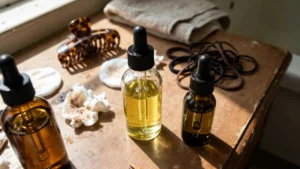
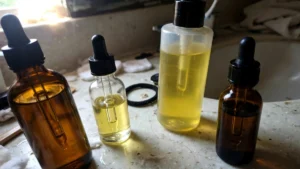
Look first at the base oil, not the fragrance. Jojoba oil is close to the scalp’s own sebum, so it absorbs well and rarely feels heavy. Grapeseed oil is light and dries to a soft finish, which suits fine hair and neat, small knots. Jamaican black castor oil is thick and rich, and it suits thick, coily hair that needs a strong seal and extra hold.

Look next at the applicator and the texture. A dropper gives you control, which matters when a few drops too many can make a knot slip. A bottle with a narrow nozzle works well too. Avoid oils that are very thick unless your hair is thick and coily, and avoid oils with heavy added fragrance if your scalp is sensitive, because the parts are exposed and the scent sits close to your skin all day.
Finally, check the price against how much you will actually use. Bantu knots need very little oil per wear, a few drops per section, so even a small bottle lasts a long time. Our guide to hair oils for twists uses the same logic, because twists and knots share the same problem: coiled hair that dries out from the inside if it is not sealed properly.
The 9 best hair oils for bantu knots of 2027
Mielle Organics Rosemary Mint Scalp & Hair Strengthening Oil
What we like: A light, rosemary and mint blend with biotin that feels cooling on the scalp, absorbs quickly, and works well along the parts between knots. What to consider: The mint tingle can feel strong on a sensitive scalp, so use a little less at first. Best for: Scalp care and neat parts. Material: Rosemary and mint oil blend with biotin. Price range: Around $10 to $12. Standout feature: Cooling scalp feel with a precise dropper.
Camille Rose Cocoa Nibs & Honey Ultimate Growth Serum
What we like: A rich, honey-scented serum that softens coily hair and adds shine, with cocoa and honey notes that make the routine feel like a treat. What to consider: It is thicker than a plain oil, so use sparingly on fine hair. Best for: Thick, coily hair that needs softness and shine. Material: Cocoa nibs, honey, and botanical oils. Price range: Around $14 to $18. Standout feature: Softening shine that lasts between wash days.
Sunny Isle Jamaican Black Castor Oil
What we like: A thick, pure castor oil that seals moisture firmly and gives knots extra grip and hold, with a long history of use on coily hair. What to consider: It is heavy, so a little goes a long way, and it can feel sticky if you use too much. Best for: Thick, high-porosity hair and long-lasting knots. Material: Pure Jamaican black castor oil. Price range: Around $10 to $14. Standout feature: Strong seal and hold for thick hair.
Warm a few drops between your palms and smooth them over each section before knotting. The weight helps the coil stay put, and the seal keeps the hair inside the knot from drying out over several days.
SheaMoisture Jamaican Black Castor Oil Strengthen & Restore Treatment
What we like: A castor oil treatment blended with shea butter and peppermint that strengthens the feel of the hair and soothes the scalp at the same time. What to consider: The peppermint can tingle, and the texture is rich, so it suits thicker hair best. Best for: Damaged or fragile hair worn in knots. Material: Jamaican black castor oil, shea butter, peppermint. Price range: Around $11 to $15. Standout feature: Strengthening treatment with a soothing, cooling finish.
Briogeo Don’t Despair, Repair! Strengthening Treatment Oil
What we like: A lightweight treatment oil with rosehip, algae, and ceramides that smooths the hair without heaviness and adds a clean, soft shine. What to consider: Premium price for the size, and the scent is noticeable, so try it first if you are sensitive to fragrance. Best for: Fine to medium hair that needs smoothing without weight. Material: Rosehip oil, algae extract, ceramides. Price range: Around $30 to $36. Standout feature: Feather-light smoothing with a polished finish.
If your knots tend to look dull or frizzy by day two, a drop of this smoothed over each knot refreshes the shine without making the hair look oily. It is one of the lightest options here, which makes it a safe pick for fine hair.
Kérastase Elixir Ultime L’Huile Originale
What we like: A refined, multi-oil blend with camellia, marula, and argan oils that leaves hair glossy and soft, with a light, elegant scent. What to consider: Luxury price, and the shine can look too much if you apply more than a drop or two per knot. Best for: Special occasions and a polished, glossy finish. Material: Camellia, marula, and argan oil blend. Price range: Around $55 to $65. Standout feature: High-shine, salon-style gloss.
Pattern Jojoba Oil Blend
What we like: A simple jojoba-based blend that absorbs fast, never feels greasy, and works on the scalp and the lengths alike. What to consider: It is so light that very dry, high-porosity hair may need a richer oil layered over it. Best for: Everyday use and low-porosity hair. Material: Jojoba oil blend. Price range: Around $20 to $25. Standout feature: Fast-absorbing, no-grease finish.
Bread Beauty Supply Hair-Oil Everyday Gloss
What we like: A light, glossy oil designed for textured hair, with a soft scent and a finish that makes knots look healthy rather than coated. What to consider: The gloss finish can look too shiny on very fine hair if you use more than a drop. Best for: Adding shine to finished knots. Material: Lightweight botanical oil blend. Price range: Around $24 to $28. Standout feature: Everyday gloss that flatters textured hair.
Carol’s Daughter Goddess Strength 7 Oil Blend
What we like: A blend of seven oils, including castor and black cumin seed, that feels nourishing without being heavy, with a warm, gentle scent. What to consider: The blend is richer than a single light oil, so start with a small amount on fine hair. Best for: Fragile hair that needs gentle, all-round care. Material: Seven-oil blend with castor and black cumin seed oils. Price range: Around $13 to $16. Standout feature: Seven-oil nourishment at a friendly price.
Which oil suits your hair and your knot style
Fine hair and small, neat knots need the lightest oils on this list. Jojoba, grapeseed, and the Briogeo treatment oil absorb quickly and will not flatten the knots or make them slip. Apply them to damp hair, use a drop at a time, and let the hair absorb the oil before you wind the knot.
Thick, coily hair can take the richer oils, and usually needs them. Jamaican black castor oil, the Camille Rose serum, and the Carol’s Daughter blend seal moisture into hair that dries fast, and their weight helps large knots hold their shape. Apply them section by section, working the oil through the length before you twist, and the coil will form more smoothly and stay put for longer.
Knot size changes the maths too. Small knots expose more scalp and need more scalp care, so a rosemary or jojoba oil along the parts matters most. Large knots hold more hair in each coil, so the lengths need more sealing, and a richer oil earns its place. Our guide to hair oils for cornrows makes the same point for a different style.
The caveats that matter
Oil is a sealant, not a moisturiser. It locks in the water that is already in your hair, which is why it works best on damp hair or over a leave-in conditioner. Oil on dry hair can make it look shiny for an hour, but it does not add moisture, and if you keep adding oil to dry hair day after day, you will get build-up instead of softness. Wash day matters more than any single oil, because clean hair absorbs products properly and coated hair does not.
| Detail | What is known |
|---|---|
| Best time to apply oil | On damp hair, before knotting, and a drop to finish each knot |
| How much to use | A few drops per section; less for fine hair, a little more for thick, coily hair |
| Best light oils | Jojoba, grapeseed, and light treatment oils that absorb fast |
| Best rich oils | Jamaican black castor oil and rich blends for thick, high-porosity hair |
| Scalp care | A drop along each part, massaged gently; do not flood the scalp |
| What oil does not do | It does not add water, repair split ends, or regrow hair |
| When to loosen a knot | If it hurts, pulls, or leaves the scalp sore, take it down and redo it looser |
| Build-up warning | Daily oiling without washing leads to a coated, dull feel; wash on schedule |
Tension is the other caveat that oil cannot fix. Bantu knots should feel snug, not painful. If a knot pulls at the hairline, if your scalp aches after a few hours, or if you can see small bumps along the parts, the knot is too tight. A painful knot is a knot that needs redoing, and wearing it for a week can damage the hairline.
Checklist: choosing a hair oil for bantu knots honestly
Use these checks before you buy, and again after your first week of wearing knots with a new oil.
- Check your hair type: fine hair needs a light oil, thick coily hair can take a richer one.
- Check the base oil: jojoba and grapeseed for lightness, castor for a strong seal on thick hair.
- Check the applicator: a dropper or narrow nozzle gives you control, which matters when a little goes a long way.
- Apply on damp hair: oil seals in water, so use it over a leave-in conditioner or on freshly washed, damp hair.
- Use a few drops per section: start small, add more only if the hair still feels dry after an hour.
- Watch for pain: a knot that hurts is too tight, and no oil will fix it, so redo it looser.
Frequently asked questions
Should I oil my hair before or after making bantu knots?
Before, and a little after. Apply oil to damp hair along with your leave-in conditioner, work it through each section, and then wind the knot. Once the knots are in place, smooth a single drop over the surface of each knot for shine.
How much oil do bantu knots need?
Very little. A few drops per section is enough for most hair, and fine hair needs even less. If your knots look greasy by the end of the first day, or if they start to slip, you have used too much.
Can I use castor oil on fine hair in bantu knots?
You can, but use it sparingly. Castor oil is thick and heavy, so on fine hair it can weigh knots down and make them look greasy. Try a single drop warmed between your palms and smoothed over the lengths, or mix it with a lighter oil such as jojoba.
How do I keep my scalp from getting dry between the knots?
Apply a drop of a light, soothing oil along each part every two to three days, and massage it in gently with your fingertips. Do not flood the scalp, and do not scratch the parts with your nails. Our guide to hair oils for braid-outs uses the same approach for exposed parts.
Will oil make my bantu knots last longer?
It can help, in a modest way. Oil keeps the hair inside the knot soft and flexible, which stops it drying stiff and frizzing out, and a richer oil adds a little grip that helps the coil hold.
Can I leave bantu knots in for a week with oil?
Yes, if the knots were not too tight and the scalp stays comfortable. Refresh the scalp with a drop of oil every two to three days, protect the knots at night, and take them down if the scalp feels sore, itchy, or tender.
The bottom line
The best hair oil for bantu knots in 2027 is the one that matches your hair, not the most expensive bottle on the shelf. Fine hair does best with a light oil such as jojoba or a light treatment oil, applied sparingly to damp hair. Thick, coily hair does best with a richer oil such as Jamaican black castor oil or a nourishing blend, which seals moisture in and helps the coils hold their shape.
Use a few drops per section, oil the scalp along the parts every two to three days, and protect the knots at night. Choose one oil, use it lightly, and judge it on how your hair feels on day three, not on how shiny it looks on day one.