A chamomile perfume is a perfume that uses chamomile as a named note, usually in the heart, to add a soft, herbal warmth that smells like a cup of tea. It is not a single scent, and it is not a single style.
That range is what makes chamomile confusing to shop for. A rose perfume is recognisably a rose perfume, and a vanilla perfume is recognisably a vanilla perfume, but a chamomile perfume can smell herbal, fruity, powdery, bitter or creamy depending on what sits around it.
This guide explains what chamomile is in perfumery, how to recognise it on skin, and how to choose a version that suits you. It covers the two plants behind the word, why the note fades fast, which pairings work and which do not, and what a chamomile perfume can and cannot do for your mood.
Key takeaways
- A chamomile perfume uses chamomile as a named note, usually in the heart, to add a soft, herbal warmth like a cup of tea.
- It smells like apple, hay and honey with a slightly bitter herbal edge, and it is rarely the loudest note in the bottle.
- Two plants hide behind the word: Roman chamomile is sweet and apple-like, while German chamomile is greener and more bitter.
- Chamomile fades faster than most florals, so it usually needs a fixative base of vanilla, musk, tonka or frankincense to last.
- A chamomile perfume will not calm your nerves or help you sleep, and anyone with a daisy-family allergy should patch-test first.
What a chamomile perfume actually is
In perfumery, chamomile is a herbal floral note drawn from a small daisy-like flower. It is one of the few flowers with a real essential oil, and that oil is what gives the note its character: a soft, apple-like fruitiness, a dried-hay warmth, a honeyed sweetness, and a slightly bitter herbal edge underneath.
Chamomile is best known as a tea, and that association shapes how people expect it to smell. The perfume version is close to the tea version, but it is not identical. With lavender and citrus it smells fresh and clean. With vanilla and tonka it turns creamy and warm. With oakmoss and aldehydes it turns bitter and formal, almost medicinal. The flower is the same in each case, but the perfume is not.
It also helps to know that chamomile is a quiet note, not a loud one. It does not project across a room the way a big white floral or a heavy amber does, and it does not last as long on its own. A chamomile perfume is a perfume for the wearer first and for everyone else second. That quiet quality is also why it is a good first perfume for someone who has never worn fragrance regularly, because it never overwhelms the room or the wearer.
How to recognise chamomile in a perfume
Start by smelling it on skin, not on a paper strip, and give it twenty minutes. Chamomile is a heart note, so it rarely shows itself in the first spray. The opening is usually citrus, lavender or an aldehyde lift, and the chamomile appears as the opening settles, a soft, apple-like herbal warmth in the middle of the scent. Keep the strip as well, because comparing the two tells you how much of the scent comes from the note and how much comes from your skin.

Look for three clues. The first is an apple-like fruitiness that is not quite fruit, closer to apple skin than apple juice. The second is a dried-hay warmth, a sun-dried, slightly dusty quality that sits underneath the floral notes. The third is a faint bitterness, a herbal edge that keeps the sweetness from turning cloying. If a perfume has all three, chamomile is probably doing the work, even if the bottle talks more about rose or tea. Our guide to what a floral perfume is explains the same idea in general terms, because most floral notes hide inside a larger composition, and learning to hear one note at a time is the skill that makes perfume shopping enjoyable.
Finally, compare it with its neighbours. Chamomile sits between them: warmer than green tea, fruitier than lavender, and more herbal than apple blossom.
9 facts about chamomile perfume
Chamomile is one of the few flowers with a real essential oil
What it shows: Chamomile is different. Roman chamomile oil and German chamomile oil are both real, distilled from the flowers, and both are used in perfumery, which is why a chamomile note can smell genuinely like the flower.
What to consider: The oil is expensive and the yield is low, so most perfumes use it in small amounts, supported by other materials. Best For: Anyone who wants a note that smells like the real flower. Material: Roman and German chamomile essential oil. Price Range: Perfumes using real chamomile oil usually sit in the mid to niche range. Standout Feature: A genuine floral oil, not a reconstruction.
Two different plants hide behind the word chamomile
What it shows: Roman chamomile is sweet, apple-like and warm, and it is the type most often used in perfumery. German chamomile, also called blue chamomile, is greener, more bitter and more herbal, and it appears in herbal chypres and tea accords.
What to consider: If a chamomile perfume smells too green or bitter for you, it may be the German type, and a Roman chamomile version will suit you better. Best For: Shoppers who have tried one chamomile perfume and disliked it. Material: Roman chamomile, German chamomile. Price Range: Both types appear across all price ranges. Standout Feature: One word, two very different smells.
It smells like apple, hay and honey, not like a flower
What it shows: Chamomile does not smell like a rose or a jasmine. Its scent is a green-apple fruitiness, a dried-hay warmth and a honeyed sweetness, with a slightly bitter herbal edge.
What to consider: If you dislike herbal or tea scents, you may not enjoy chamomile, even though it is sold as a floral. Best For: Lovers of tea scents and herbal perfumes. Material: Chamomile, with apple and hay facets. Price Range: The note appears from around $27 to around $300. Standout Feature: A floral that smells like a cup of tea.
It is a heart note, not a top or a base
What it shows: Chamomile usually sits in the heart of a perfume, appearing after the bright opening and before the warm dry-down. That is why it rarely shows itself in the first spray, and why a paper strip will not tell you much about it.
What to consider: A perfume that smells entirely of chamomile in the first minute is probably using a different note, or a very high dose, and it may not smell the same an hour later. Best For: Patient wearers who test on skin. Material: Chamomile in the heart, with citrus or lavender above it. Price Range: Heart-note chamomile appears at every price. Standout Feature: A note that arrives in the middle, not at the start.
It fades faster than most florals
What it shows: Chamomile is a light, low-impact note, and on its own it fades within a few hours. That help usually comes from a fixative base: vanilla, tonka bean, musk or frankincense.
What to consider: If a chamomile perfume disappears quickly on you, the problem is the note, not your skin, and a version with a stronger base will last longer. Best For: Anyone who reapplies happily, or who prefers a soft scent. Material: Chamomile with vanilla, musk or tonka as a fixative. Price Range: Longer-lasting versions are usually eau de parfum, and priced accordingly. Standout Feature: A note that needs a base to stay.
It pairs best with lavender, citrus and soft woods
What it shows: Chamomile is a team player. With lavender and clary sage it smells fresh and clean. With citrus and basil it turns bright and green. With rose and jasmine it softens into a gentle floral. With vanilla, tonka and sandalwood it turns warm and creamy.
What to consider: Chamomile struggles beside very sweet or very heavy notes, where its subtlety gets lost, so avoid pairing it with a heavy gourmand or a loud amber. Best For: Anyone building a small perfume wardrobe around herbal scents. Material: Chamomile, lavender, citrus, sandalwood. Price Range: Pairings appear at every price. Standout Feature: A note that improves whatever sits next to it.
Concentration changes it more than most notes
What it shows: At a light dose, chamomile smells soft, sweet and apple-like. At a full dose, the pure oil is much stronger, greener and more bitter, almost medicinal.
What to consider: If a chamomile perfume feels too herbal, try a lighter concentration rather than giving up on the note. Best For: Shoppers choosing between an eau de toilette and an eau de parfum. Material: Chamomile oil at different concentrations. Price Range: Higher concentrations usually cost more. Standout Feature: A note that changes with its dose.
The same name can smell very different across brands
What it shows: There is no standard recipe for a chamomile perfume, so two bottles with the same idea can smell nothing alike. One brand may build a tea accord around Roman chamomile and mate, another may bury it in a chypre with oakmoss, and a third may pair it with vanilla and call the result a chamomile perfume.
What to consider: Do not buy a chamomile perfume on the name alone. Smell it on skin, and check the note pyramid before you commit to a full bottle. Best For: Careful shoppers who test before they buy. Material: Chamomile, in different compositions. Price Range: From around $27 for a single-note cologne to around $300 for a niche eau de parfum. Standout Feature: One name, many different perfumes.
It is often confused with green tea and apple blossom
What it shows: Chamomile shares an apple-like fruitiness with apple blossom and a light, watery freshness with green tea, so it is often mistaken for both.
What to consider: If you love green tea perfumes but find them too thin, chamomile may be the warmer version you are looking for. Best For: Green tea and apple blossom lovers. Material: Chamomile, with hay and honey facets. Price Range: Similar to green tea and apple blossom perfumes. Standout Feature: The warm cousin of green tea.
Which chamomile perfume is right for you
If you want the purest version, a single-note cologne is the place to start. Demeter Chamomile Tea costs very little, smells exactly like a cup of tea, and will teach you more about the note in one afternoon than any description can.
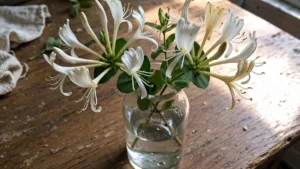
If you want a complete perfume, choose by the pairing. Creamy and warm means Dries Van Noten Camomille Satin, with vanilla and musk behind the chamomile. Fresh and green means Guerlain Aqua Allegoria Mandarine Basilic, where citrus and basil frame it. Dry and serious means Aesop Ouranon, with hay and frankincense. Our roundup of honeysuckle perfumes is a useful next read, because honeysuckle is another soft, honeyed floral that behaves in a similar way, and the two lists together cover the gentler end of the floral family.
Season matters as well. Fresh, citrus-led chamomile perfumes suit spring and summer, when a light scent feels right. Creamy, vanilla-led and incense-led versions suit autumn and winter, when a warmer scent carries better in cold air.
The caveats that matter
Chamomile is a gentle note, but it is not a gentle ingredient for everyone. It belongs to the daisy family, and people with allergies to ragweed, chrysanthemums, marigolds or daisies can react to it, even in a perfume. Patch-test on your inner arm before wearing a new chamomile perfume on your neck or chest, and stop using it if you notice itching, redness or a rash.
| Detail | What is known |
|---|---|
| What it is | A perfume using chamomile as a named note, usually in the heart |
| What it smells like | Apple, hay and honey, with a slightly bitter herbal edge |
| Two types | Roman chamomile is sweet and apple-like; German chamomile is greener and more bitter |
| Where it sits | Usually in the heart, after the opening and before the dry-down |
| How long it lasts | About two to three hours alone; longer with a vanilla, musk or tonka base |
| Best pairings | Lavender, clary sage, citrus, rose, vanilla, tonka bean and sandalwood |
| Who should patch-test | Anyone with a daisy-family allergy, including ragweed, chrysanthemum and marigold |
| What it does not do | It does not calm nerves or aid sleep just because it is in a perfume |
It is also worth being honest about what a chamomile perfume cannot do. Chamomile tea is associated with calm and sleep, and some brands lean on that association, but a perfume is not a medicine. There is no good evidence that wearing a chamomile perfume relaxes you or helps you sleep, Buy it because you like how it smells, and let the tea stay in the cup.
Checklist: understanding a chamomile perfume honestly
Use these checks before you buy, and again after a week of wearing.
- Smell it on skin, not just on a paper strip, and give it twenty minutes before you judge it.
- Check where the chamomile sits: a heart note means it appears after the opening, not in the first spray.
- Check what sits around it: lavender and citrus mean fresh, vanilla and tonka mean creamy, oakmoss means bitter and formal.
- Check the concentration: an eau de parfum lasts longer than an eau de toilette, and a cologne will need reapplying.
- Patch-test first if you have a daisy-family allergy, and stop if you notice itching or redness.
- Judge it on how it smells on you, not on what the box promises about calm or sleep.
Frequently asked questions
What is a chamomile perfume?
A perfume that uses chamomile as a named note, usually in the heart, to add a soft, herbal warmth like a cup of tea.
What does chamomile smell like in perfume?
Like a cup of chamomile tea: soft hay, a honeyed sweetness, a green-apple fruitiness and a slightly bitter herbal edge.
Is chamomile a top, heart or base note?
Usually a heart note. It appears after the bright opening and before the warm dry-down, which is why it rarely shows itself in the first spray and needs twenty minutes on skin to be judged fairly.
How long does a chamomile perfume last?
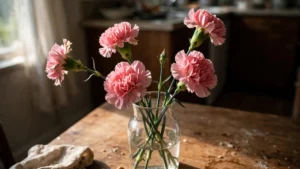
It depends on the concentration and the base. A single-note cologne lasts about two to three hours, an eau de toilette lasts around four to six, and a structured eau de parfum with a vanilla or musk base can last six to eight. Our roundup of carnation perfumes shows the same pattern in another floral family, because a soft note always needs a base to stay.
Can I wear chamomile perfume if I am allergic to ragweed?
Be careful. Chamomile belongs to the daisy family, and people with ragweed, chrysanthemum, marigold or daisy allergies can react to it. Patch-test on your inner arm first, and stop using it if you notice itching, redness or a rash.
Does a chamomile perfume help you sleep?
There is no good evidence for that. Chamomile tea is associated with calm, but a perfume is not a medicine, and any calm you feel is more likely to come from enjoying a pleasant smell. Buy a chamomile perfume because you like how it smells, not because of a sleep claim.
The bottom line
A chamomile perfume is a perfume that uses a soft, herbal note to add warmth without weight. It smells like apple, hay and honey, it sits in the heart of the composition, and it changes with its companions: fresh with citrus, creamy with vanilla, bitter with oakmoss, dry with frankincense. Once you have smelled it in two or three of those styles, you will recognise it anywhere, and you will know which version belongs in your own rotation.
Start with a single-note cologne if you want the truth about the note, or with a structured eau de parfum if you want a complete perfume. Give it twenty minutes, give it a week, and judge it on how it smells on you.