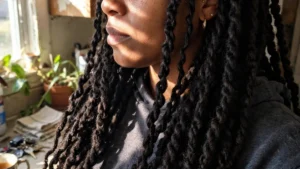

Flat twists are a quiet favourite among protective styles: two strands twisted flat against the scalp, giving a neat, low-profile finish that sits comfortably under hats and scarves and lasts well between wash days. The trade-off is that the scalp between the parts is more exposed than under loose hair, and the twists can turn dry and dull after a few days, especially at the ends.
Hair oil helps in both places, but only when it is used with a light hand. A few drops worked into the parts keeps the scalp comfortable and stops the flaking that makes a fresh set of twists look tired. A thin layer smoothed down each twist adds shine without weighing the style down. Too much oil does the opposite: it sits on the scalp, traps lint in the twists, and shortens the life of the style.
Below are nine hair oils worth considering for flat twists in 2027, from a scalp treatment for the parts to a budget hot-oil treatment for wash day. Each pick below notes its strengths, its limits, and the hair it suits best.
Key takeaways
- Hair oil keeps the scalp comfortable under flat twists and adds shine to the twists, but it does not make hair grow faster or repair damage.
- Lightweight oils suit daily use on the scalp, while thicker oils and hot-oil treatments are better used sparingly, before a wash or on the ends.
- Apply oil to the scalp along the parts with a dropper or your fingertips, rather than pouring it over the whole head.
- Too much oil causes build-up, itching, and lint in the twists, so a few drops per section is usually enough.
- No oil can fix flat twists that were installed too tightly, and a sore, bumpy, or tender scalp needs a break from the style, not more product.
What hair oil actually does for flat twists
Oil reaches two different surfaces on flat twists: the skin showing between the parts, and the twisted hair itself. The skin dries out because it is uncovered, so it feels tight and flakes. The twists dry out because the hair inside them gets no moisture for days, so the surface turns dull and the edges lift.
A light oil on the scalp forms a thin seal that slows that drying. It does not add moisture on its own, which is why a water-based leave-in has to come first when the hair is genuinely dry; oil only locks in what is already there. Used that way, it keeps the parts comfortable for days instead of hours.
On the twists, oil works as a surface treatment. A trace smoothed down each twist catches the light again and settles the lifted edges, without wetting the style. The mistake is treating oil as a deep treatment: it cannot repair a split end, and piling it on only makes the twists heavy and attracts lint.
How we chose these oils and what to look for
Start with how heavy the oil feels. Flat twists sit close to the scalp, so a heavy oil has nowhere to go except onto the parts, where it builds up fast. A lightweight oil, or a treatment you wash out, is usually the safer daily choice, while thicker oils belong on the ends or as a pre-wash treatment.
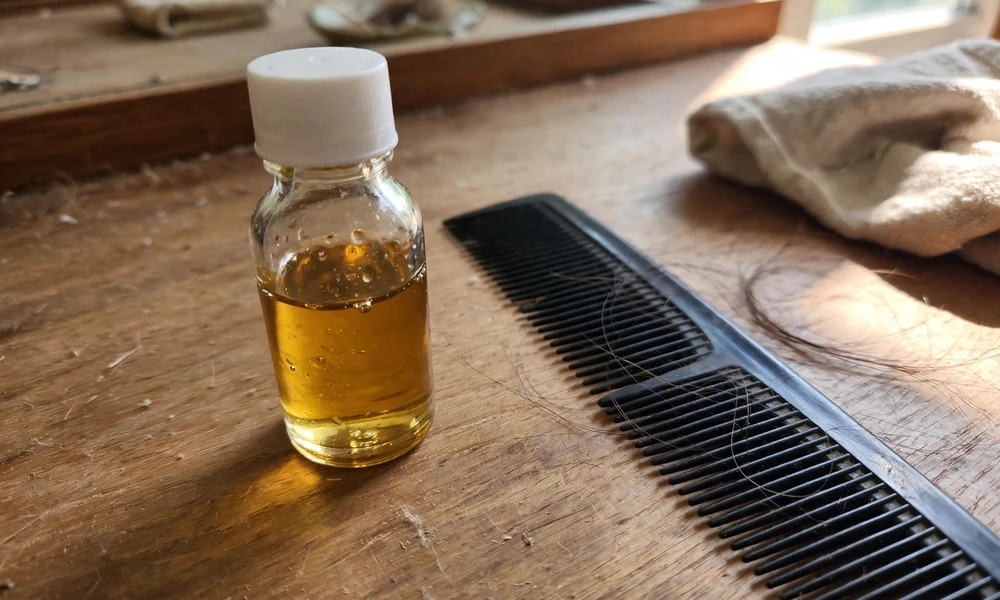
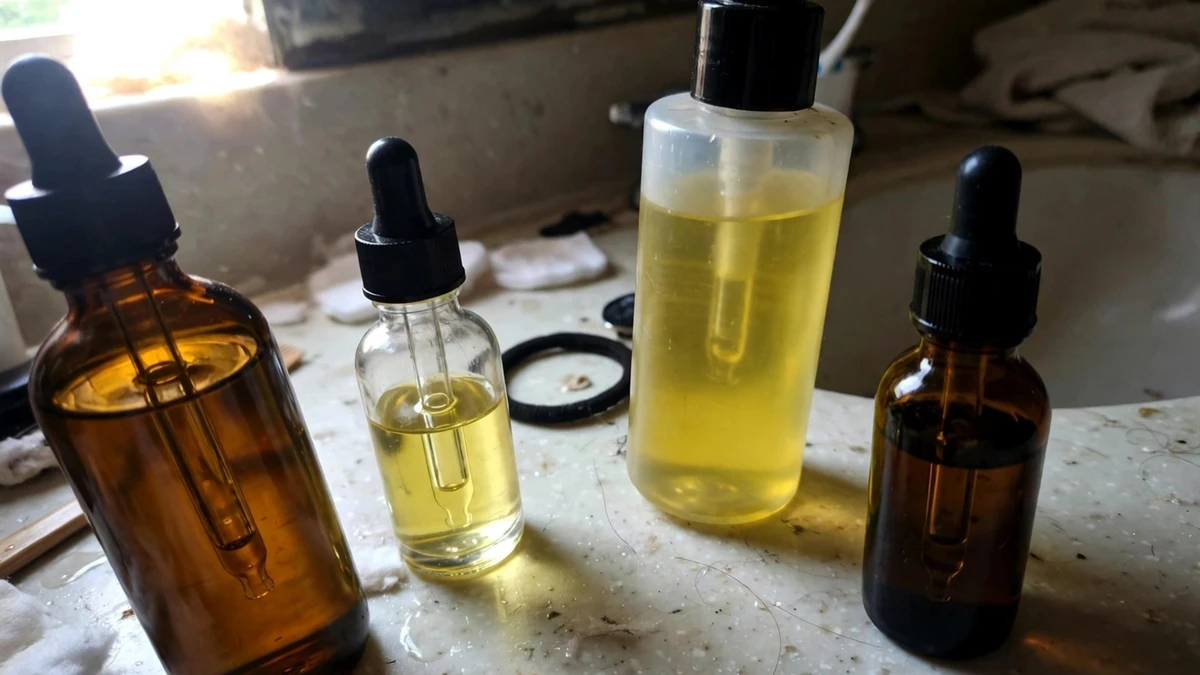
Look next at the applicator. A dropper or a narrow nozzle lets you place oil exactly along a part, which matters when the twists are already in. A wide-mouth jar makes precision harder, and precision is what keeps flat twists looking neat for two weeks instead of one.
Finally, look at what the oil is for. A scalp treatment suits an itchy scalp between wash days, a shine oil suits the lengths when the twists start to look dull, and a hot-oil treatment suits wash day, when the twists are coming out. One bottle rarely does all three well, which is why this list mixes scalp treatments, daily oils, and wash-day treatments. Our roundup of hair oils for Bantu knots uses the same split, because the same logic applies whenever the scalp is divided into sections.
The 9 best hair oils for flat twists of 2027
Mielle Organics Mongongo Oil Exfoliating Scalp Treatment
What we like: A mongongo oil treatment with a gentle exfoliating feel, designed for the scalp rather than the lengths, with a nozzle that places product exactly along a part.
What to consider: It is a treatment, not a daily shine oil, so use it before a wash or on a rest day, not every morning. Key ingredients: Mongongo oil, peppermint. Hair type: All, especially dry or flaky scalps. Size: 2 oz. Cruelty-free: Yes. Best for: Itchy, flaky parts between wash days. Price range: ~$12–$15.
This treatment is the one in the list made for that exact problem: it soothes the parts and lifts the dryness that makes a twist style look tired.
Briogeo Farewell Frizz Rosehip, Argan & Coconut Oil
What we like: A lightweight blend of rosehip, argan, and coconut oils that smooths frizz without leaving a heavy film, with a dropper that makes small doses easy.
What to consider: Premium price for the size, and two drops really are enough; more will sit on the twists. Key ingredients: Rosehip oil, argan oil, coconut oil. Hair type: All, especially frizz-prone. Size: 1 oz. Cruelty-free: Yes. Best for: Smoothing frizz on the twist surface. Price range: ~$30–$34.
By day five, flat twists often start to frizz at the edges, and a drop of this smoothed down each twist brings the surface back to neat without wetting the style.
SheaMoisture Raw Shea Butter Reconstructive Elixir
What we like: A shea-based elixir that feels rich but spreads thin, good for the ends of twists and for hair that feels rough after a week in the style.
What to consider: Richer than a daily scalp oil, so keep it off the parts and use it mainly on the lengths and ends. Key ingredients: Shea butter, argan oil, sea kelp. Hair type: Dry, damaged, coarse. Size: 4 oz. Cruelty-free: Yes. Best for: Dry ends and rough-feeling twists. Price range: ~$11–$14.
The ends of flat twists are the oldest hair in the style, and a little of this elixir pressed into them keeps them soft while the twists are in.
Marc Anthony Grow Long Anti-Breakage Hair Oil
What we like: An affordable, lightweight oil that adds shine and slip, with a pump that gives a small, controlled dose.
What to consider: It is a shine and slip oil, not a scalp treatment, so it will not help an itchy scalp on its own. Key ingredients: Avocado oil, vitamin E. Hair type: All, especially dull or tangled hair. Size: ~8.4 oz. Cruelty-free: Yes. Best for: Adding shine and slip to the twists. Price range: ~$7–$9.
This is the budget pick that behaves like a more expensive oil: one pump smoothed over the twists gives an even shine, and the slip keeps them from catching on each other.
Bondi Boost Rapid Repair Hair Oil
What we like: An Australian salon oil with argan and rosemary that absorbs quickly and leaves the twists soft rather than slick.
What to consider: The scent is herbal and noticeable, and it is priced above drugstore oils. Key ingredients: Argan oil, rosemary, aloe. Hair type: Dry, damaged, or colour-treated hair. Size: 100 ml. Cruelty-free: Yes. Best for: Softening twists that feel stiff or dry. Price range: ~$26–$30.
This one sinks in rather than sitting on top, so the style keeps its shape and the twists do not feel coated.
Queen Helene Cholesterol Hot Oil Treatment
What we like: A classic hot-oil treatment that conditions deeply on wash day, for very little money, in single-use tubes that stop you from using too much.
What to consider: It is a wash-day treatment, not a leave-in; it must be rinsed out, and it is too heavy to use on twists that are staying in. Key ingredients: Cholesterol, lanolin. Hair type: Dry, damaged, coarse. Size: 3 x 1 oz tubes. Cruelty-free: Not stated. Best for: Deep conditioning on wash day. Price range: ~$4–$6.
When flat twists come out, the hair underneath often needs a proper condition, and this treatment, warmed and applied before shampooing, makes detangling after takedown much easier.
Silk Elements MegaSilk Olive Oil
What we like: A simple olive-oil-based formula with silk protein that adds shine and softness, at a price that makes daily use easy to justify.
What to consider: Olive oil is heavier than a silicone-free shine serum, so use a small amount and keep it off the scalp. Key ingredients: Olive oil, silk protein. Hair type: All, especially coarse or thick hair. Size: 8 oz. Cruelty-free: Not stated. Best for: Everyday shine on thick twists. Price range: ~$6–$8.
Thick hair swallows lightweight oils without showing any shine, and this olive-oil formula is heavy enough to register on coarse twists.
Hawaiian Silky 14-in-1 Miracle Worker
What we like: A multi-use treatment with argan oil and silk protein that works as a leave-in, a shine oil, and a detangler in one bottle.
What to consider: It is a treatment rather than a pure oil, so a little goes a long way and too much will weigh twists down. Key ingredients: Argan oil, silk protein. Hair type: All, especially dry or tangled hair. Size: 8 oz. Cruelty-free: Not stated. Best for: Takedown day, when twists need slip. Price range: ~$5–$7.
Takedown day is when flat twists are most likely to tangle, and worked through the twists before you unravel them, it gives enough slip to separate the strands without pulling.
Sofn’Free GroHealthy Milk Protein & Olive Oil
What we like: A milk-protein and olive-oil formula that moisturises and strengthens at the same time, with a light texture that suits fine hair.
What to consider: It is lighter than a pure oil, so very coarse hair may need a second product for the ends. Key ingredients: Milk protein, olive oil. Hair type: Fine to medium, dry. Size: 8 oz. Cruelty-free: Not stated. Best for: Fine hair that needs light moisture. Price range: ~$5–$7.
Fine hair and heavy oil are a bad match, and this lightest option gives flat twists a soft finish without flattening the style or making the roots look oily.
Which oil suits your hair and your twists
Fine hair needs the lightest touch: a milk-protein oil or a single drop of a lightweight blend is enough, and anything heavier will make the twists look limp by the second day. Coarse hair can take a richer oil on the ends, but the scalp still wants a light hand, because heavy oil on the parts builds up on every hair type.
Dry, flaky scalps do best with a scalp treatment rather than a shine oil, and a weekly hot-oil treatment on wash day helps too. Oily scalps need the least oil of all: a drop smoothed over the twists for shine, and nothing on the parts unless they feel tight.
New twists and older twists want different things. In the first few days a light scalp oil is enough. After a week the surface starts to frizz and the ends dry out, which is when a shine oil and an ends treatment earn their place. Our roundup of hair oils for finger coils follows the same timing, because coils and flat twists age in a similar way.
The caveats that matter
Oil is useful, but it is not a cure for a bad install. Flat twists that were twisted too tightly will pull at the hairline no matter what you put on them, and the answer is to take them out and redo them looser, not to oil the sore spots. The same caution applies to other twist styles: our roundup of hair oils for twist-outs makes the same point about tight installs and sore scalps. The same goes for a bumpy or tender scalp: oil on broken skin can sting, so leave it alone until it calms down.
| Detail | What is known |
|---|---|
| Best daily amount | Two to three drops per part, warmed between the palms first |
| Where to apply it | Along the parts for the scalp, smoothed down the twists for shine |
| Where not to apply it | Do not pour oil over the whole head or onto a sore or broken scalp |
| Best time to oil | Evening, so the oil can settle overnight before the twists are styled |
| When to use a heavy oil | On the ends, or as a pre-wash treatment before shampooing |
| When to wash it out | When the parts look shiny, feel sticky, or start to itch |
| Who should be careful | Fine hair, oily scalps, and anyone with a sensitive or flaky scalp |
| What oil does not do | It does not grow hair faster, repair split ends, or fix twists that are too tight |
If you have a scalp condition such as eczema, psoriasis, or seborrheic dermatitis, check with a dermatologist before adding a new oil, especially one with essential oils or menthol. A product that soothes a healthy scalp can irritate a scalp that is already inflamed.
Checklist: choosing a hair oil for flat twists honestly
Use these checks before you buy, and again after a week of use.
- Check the weight: choose a lightweight oil for daily scalp use and save heavy oils for the ends or wash day.
- Check the applicator: a dropper or narrow nozzle lets you place oil along a part without flooding the twists.
- Check the purpose: scalp treatments for itchy parts, shine oils for dull twists, hot-oil treatments for wash day.
- Start with two to three drops per part, and only add more if the scalp still feels tight after a few minutes.
- Watch for build-up: shiny, sticky parts or lint in the twists mean you are using too much, too often.
- Stop and rest the scalp if it turns sore, bumpy, or tender, instead of adding more oil.
Frequently asked questions
Which hair oil works best on flat twists?
There is no single best oil, because scalp and twists need different things. A lightweight scalp oil suits the parts, while a light shine oil suits the twists themselves. Start with one oil for the scalp and one for the lengths, and keep both doses small.
Is castor oil a good choice for flat twists?
Yes, but sparingly. Castor oil is thick, so it suits the ends and pre-wash treatments far better than daily scalp use. A drop mixed with a lighter oil works on the parts, but pure castor oil along every part builds up quickly.
How much oil is right for one flat-twist session?
Two to three drops per part is a good starting point. Warm the oil between your palms first, then press it along the part with your fingertips. If the parts still feel tight after a few minutes, add one more drop, not a palmful.
Can hair oil leave flat twists looking greasy?
It will if you use too much or choose too heavy an oil. Lightweight oils in small doses absorb and add shine, while heavy oils and large doses sit on the surface and attract lint. If the twists look wet an hour after oiling, you used too much.
Is one oil enough for both scalp and twists?
You can, but it is rarely the best choice. Scalp oils are usually lighter and often have a soothing or exfoliating feel, while twist oils are chosen for shine and slip. Using one light oil for both is fine if your hair is fine, but coarse or dry hair usually benefits from two different products.
What clears oil build-up out of flat twists?
Wash with a gentle clarifying shampoo, working the lather into the parts with your fingertips rather than scrubbing the twists. Rinse well, then re-twist or restyle. If build-up keeps returning, cut the dose and the frequency before you change the product.
The bottom line
The best hair oil for flat twists in 2027 is not the most expensive or the most famous. It is the one that suits your scalp and your hair weight, that you can apply precisely along the parts, and that you use in small doses. For itchy parts, a scalp treatment is the right tool; for dull twists, a light shine oil is enough; for wash day, a hot-oil treatment does the deeper work.
Choose one oil for the scalp and one for the twists, use two to three drops at a time, and judge the result after a week, not on how shiny it looks on day one.