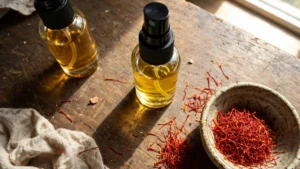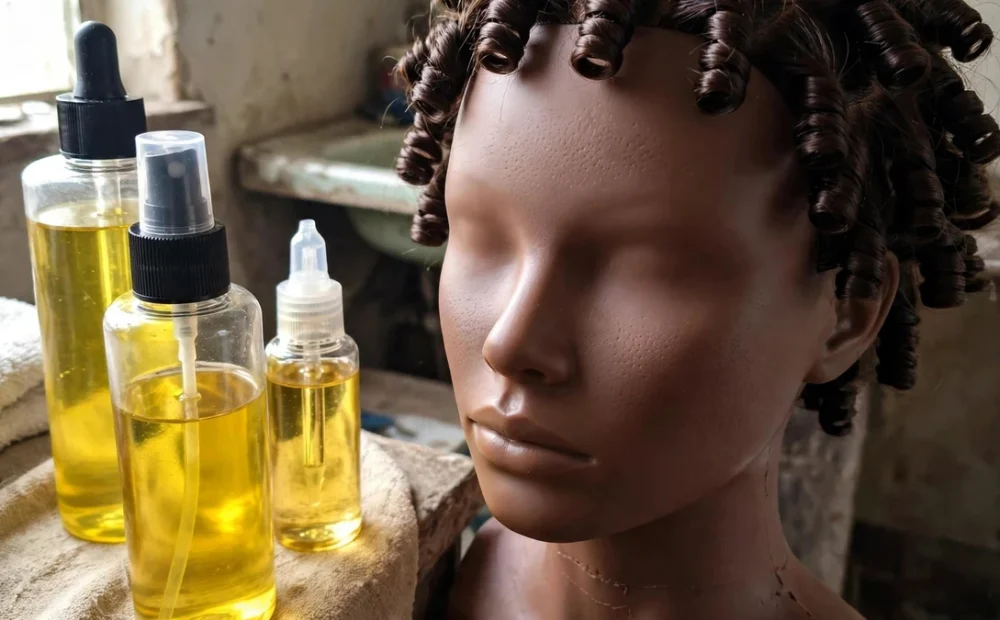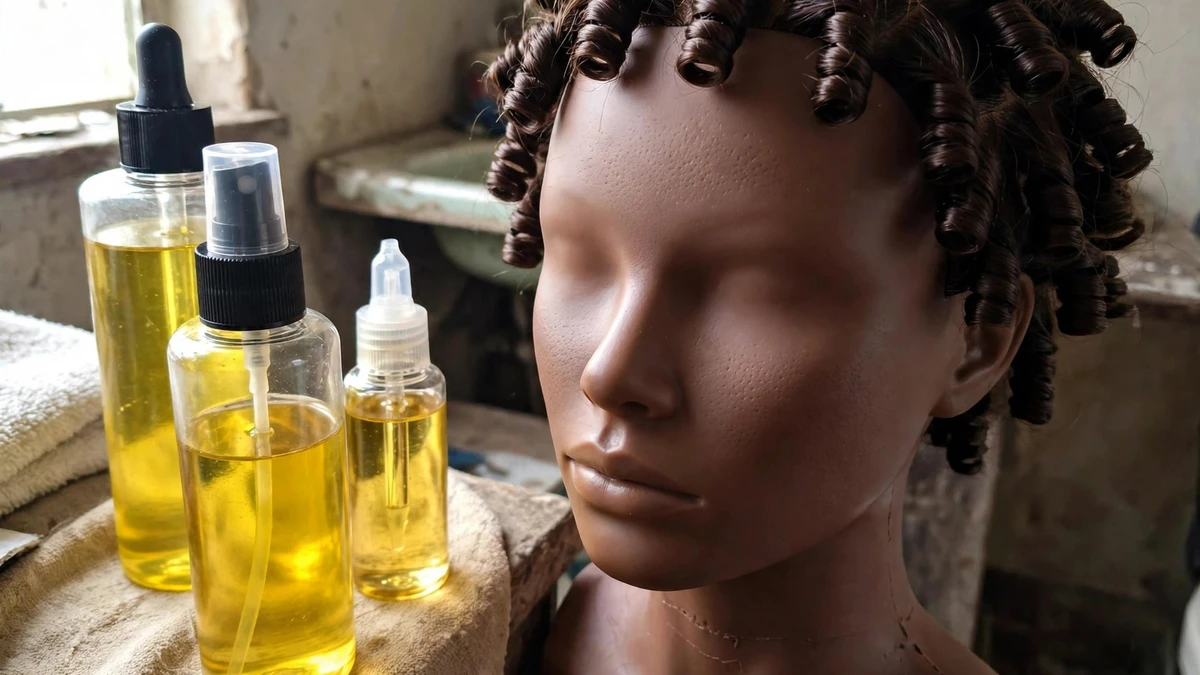

Finger coils are one of the most defined curl styles you can wear. Each coil is formed by wrapping a small section of hair around one finger, which creates tight, springy spirals that hold their shape for days when they are set well. The style suits coily and curly hair best, from 3C through 4C, and it works on short and medium lengths where the coil can form cleanly from root to tip.
The oil you use decides whether those coils stay defined or fall apart. Too heavy an oil flattens the coil and leaves a greasy film on the surface. Too light an oil disappears within hours, and the coils dry out, frizz, and lose their spring. The right oil seals in the water from your leave-in conditioner, adds shine without weight, and keeps each coil separate instead of clumping into a puff.
Below are nine hair oils worth considering for finger coils in 2027, from affordable castor oils to lightweight blends made for curls.
Key takeaways
- Finger coils need a light to medium oil that seals moisture without weighing the coil down or leaving a greasy film.
- Apply oil to damp hair after a leave-in conditioner, a few drops per section, so the oil locks in water rather than sitting on dry hair.
- Castor, jojoba, and argan oils are reliable starting points, because they are widely available and suit most coily hair types.
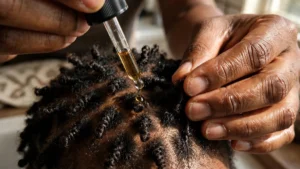
- Warm the oil between your palms first, and smooth it down the length of each section before you coil it.
- Oil seals moisture in but does not add water, repair split ends, or make hair grow faster, and too much oil will flatten a coil instead of defining it.
What finger coils need from a hair oil
A finger coil is a small, controlled shape. The hair is wrapped in a tight spiral, and the coil holds because the hair is damp, coated, and then left to dry without being disturbed. It coats the hair shaft, slows down water loss while the coil dries, and leaves a smooth surface that catches the light.
The weight of the oil matters more than the brand. A thick oil like pure castor oil can be useful on very coarse, dense hair, but on fine or low-density hair it drags the coil down and makes it look limp. Most people do best with a medium-weight oil, or a blend that combines a heavier sealing oil with a lighter carrier oil.
Scent and finish matter too, because finger coils sit close to the face. A strongly perfumed oil can be tiring to wear all day, and an oil that leaves a sticky residue will transfer to pillows, scarves, and collars. Look for an oil that absorbs within a few minutes, leaves a soft shine rather than a wet look, and has a scent you are happy to live with. Our guide to hair oils for twists covers similar ground, because twists and coils share the same need for a sealing oil that does not weigh the style down.
How we chose these oils and what to look for
Look first at the main oil in the formula, not the marketing on the front of the bottle. Castor oil is thick and sealing, good for coarse hair and for the scalp. Jojoba oil is close to the scalp’s own sebum, so it absorbs well and rarely feels heavy. Argan oil is light and adds shine without grease.
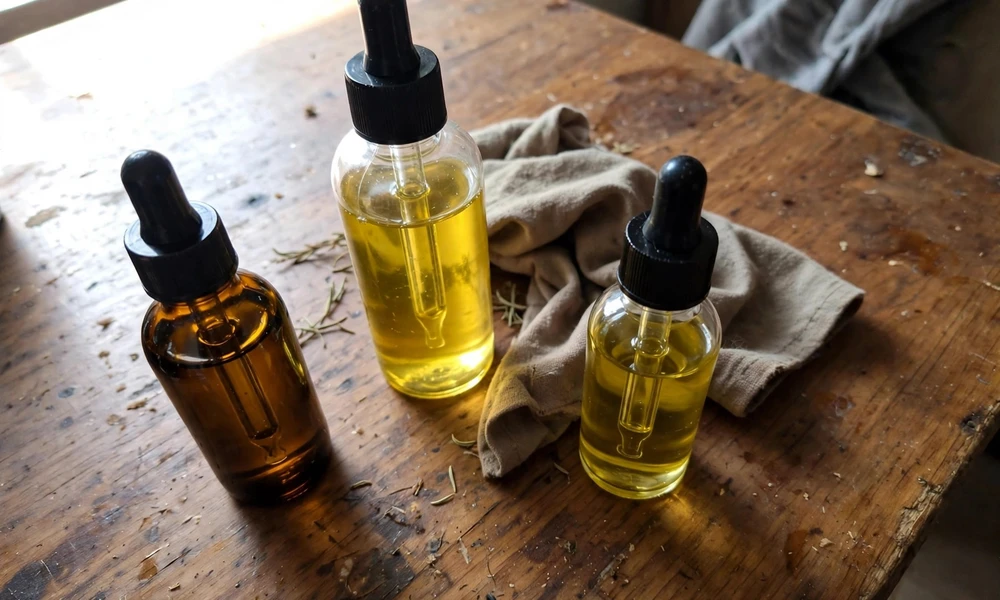
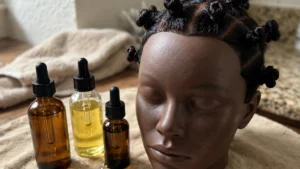
Look next at the applicator and the size. A dropper gives you control over how much oil you use, which matters when a few drops too many can flatten a coil. A pour bottle is fine for a scalp oil, but harder to dose for styling. A small bottle is also sensible, because a little oil goes a long way on finger coils, and a large bottle of a heavy oil may sit unused for months. Price is a poor guide on its own. Some of the most reliable oils for coils cost under fifteen pounds, and some of the most expensive are no better for this style than a simple, well-chosen blend.
The 9 best hair oils for finger coils of 2027
Mielle Organics Rosemary Mint Scalp & Hair Strengthening Oil
What we like: A lightweight blend of rosemary, mint, and biotin that smells fresh, absorbs quickly, and works well on the scalp and the lengths. The dropper makes dosing easy, and the price is low for the size. What to consider: The mint scent is strong, and it can tingle on a sensitive scalp. Best for: Coily hair that needs a light daily oil. Material: Rosemary oil, mint oil, biotin. Price range: Around £10. Standout feature: A fresh, light feel that does not weigh coils down.
This is a good first oil for finger coils, light enough for damp hair and for the scalp between wash days.
Camille Rose Cocoa Nibs & Honey Ultimate Growth Serum
What we like: A rich serum with cocoa, honey, and castor oil that leaves coils soft and shiny, with a warm, sweet scent. It spreads well and a little goes a long way. What to consider: It is thicker than a plain oil, so it suits medium to coarse hair better than fine hair. Best for: Thick, coily hair that needs softness and shine. Material: Cocoa seed butter, honey, castor oil. Price range: Around £13. Standout feature: A soft, glossy finish that lasts for days.
Sunny Isle Jamaican Black Castor Oil
What we like: A pure, thick castor oil that seals moisture well and is widely used on coily hair. It is affordable, easy to find, and a small amount covers a whole head. What to consider: It is very thick and sticky, so it must be used sparingly on finger coils or it will flatten them. Best for: Coarse, dense hair and scalp sealing. Material: Pure Jamaican black castor oil. Price range: Around £9. Standout feature: Strong sealing power for hair that dries out fast.
Warm two or three drops between your palms and smooth them over the outside of each coil once it is formed, avoiding the roots, so you get the seal without the weight.
SheaMoisture Jamaican Black Castor Oil Strengthen & Restore Treatment
What we like: A castor oil blend with shea butter and peppermint that feels richer than a plain oil but spreads more easily. It leaves coils soft and helps the style hold. What to consider: The shea butter makes it heavier, so it is best on medium to coarse hair. Best for: Dry, damaged-feeling coils that need extra care. Material: Castor oil, shea butter, peppermint oil. Price range: Around £10. Standout feature: A creamy texture that is easier to spread than pure castor oil.
Briogeo Don’t Despair, Repair! Strengthening Treatment Oil
What we like: A blend of rosehip, argan, and almond oils that absorbs fast, adds shine, and leaves no sticky residue. It is a good choice for people who dislike heavy oils. What to consider: It is premium-priced for the size, and the bottle is small. Best for: Fine to medium coils that need shine without weight. Material: Rosehip oil, argan oil, sweet almond oil. Price range: Around £30. Standout feature: A fast-absorbing finish with no greasy feel.
Kérastase Elixir Ultime L’Huile Originale
What we like: A light, versatile oil with argan, camellia, and marula that adds shine and softness to coils and works on most hair types. The pump dispenses a small, controlled amount. What to consider: It is one of the most expensive oils here, and the scent is strong. Best for: A polished, glossy coil finish. Material: Argan oil, camellia oil, marula oil. Price range: Around £47. Standout feature: A smooth, glossy finish that suits special occasions.
Pattern Jojoba Oil Blend
What we like: A jojoba-based blend made for curly and coily hair, light enough for daily use and gentle on the scalp. It absorbs well and does not build up quickly. What to consider: It is light, so very dry hair may need a heavier oil on top of it. Best for: Daily use on coils and the scalp. Material: Jojoba oil, safflower oil, rosehip oil. Price range: Around £25. Standout feature: A scalp-friendly formula that suits daily use.
Bread Beauty Supply Hair-Oil Everyday Gloss
What we like: A lightweight gloss oil with a soft scent that adds shine and tames frizz on coils without making them greasy. The bottle is designed for easy, small doses. What to consider: It is a gloss, not a deep sealing oil, so it works best as a finishing step. Best for: Refreshing coils on day two and three. Material: Safflower oil, plum oil, kakadu plum. Price range: Around £30. Standout feature: A light gloss that revives coils without re-wetting them.
Carol’s Daughter Goddess Strength 7 Oil Blend
What we like: A blend of castor, black cumin, and ginger oils that feels nourishing and helps coils stay soft and defined. It is affordable and easy to find. What to consider: The scent is warm and spicy, which not everyone likes, and it is medium-weight. Best for: Coils that feel dry or brittle. Material: Castor oil, black cumin seed oil, ginger oil. Price range: Around £12. Standout feature: A warm, nourishing blend that suits dry coils.
Which oil is right for your hair
Fine, low-density hair does best with a light oil. Jojoba, grapeseed, and argan are good starting points, because they absorb fast and do not drag the coil down. Use a few drops per section, and add more only if the hair still feels dry after the coil has set. If your coils go limp within a day, the oil is probably too heavy, not too light.
Medium to coarse hair can handle a heavier oil, and often needs one. Castor oil, shea butter blends, and cocoa-based serums seal moisture well on hair that dries out quickly. The trick is to apply the oil to damp hair, not dry hair, so it locks in the water already there. Dry hair with oil on top stays dry underneath, no matter how much you use. For a similar comparison of weight and finish, our guide to hair oils for bantu knots is useful, because bantu knots need the same balance of hold and moisture.
High-porosity hair, which absorbs water fast and loses it just as fast, needs the most sealing. A castor oil or a castor blend, used sparingly, helps here. Low-porosity hair, which resists water and product, needs the least oil, and a light oil applied to warm, damp hair works best. If you are not sure of your porosity, try a light oil first. It is easier to add more than to remove too much.
The caveats that matter
Oil does not moisturise hair on its own. It seals in the water that is already there, which is why it must go on after a leave-in conditioner or on damp hair. Used on dry hair, it can make the hair look shiny while the inside stays dry, and it can attract dust and lint to the style. It also does not repair split ends or make hair grow faster, whatever the label claims. What it does well is protect the coil, reduce friction, and keep the style looking fresh for longer.
| Detail | What is known |
|---|---|
| Best weight for most coils | Light to medium oil; heavy oils only on coarse, dense hair, used sparingly |
| When to apply it | On damp hair after a leave-in conditioner, a few drops per section |
| How much to use | A few drops per section; warm it between your palms first |
| Who should start gently | Fine or low-porosity hair; start with a light oil and add more only if needed |
| What to avoid | Loading heavy oil onto dry hair, or using too much on the roots |
| Refreshing the style | A light gloss oil on dry coils, smoothed over the outside only |
| Scalp care | Massage a light oil into the scalp between wash days; avoid heavy oils on an oily scalp |
| What oil does not do | It does not add water, repair split ends, or make hair grow faster |
If your scalp is irritated, broken, or very sensitive, patch-test a new oil on a small area first and wait a day before using it on your whole head. A mint or peppermint oil can tingle, which is normal in small amounts, but burning, itching, or redness is a sign to stop. If you use prescription scalp treatments, check with your clinician before adding a new oil. For more on choosing by style, see our guide to hair oils for cornrows, which covers the same sealing principles for a different protective style.
Checklist: choosing a hair oil for finger coils honestly
Use these checks before you buy, and again after two weeks of use.
- Check the weight: light to medium for most coils, heavy only for coarse, dense hair.
- Check the first ingredient: it should be a real oil, not a silicone or a fragrance.
- Check the applicator: a dropper or pump gives you control over how much you use.
- Patch-test first: apply to a small area of scalp for a day before full use.
- Start with a few drops per section on damp hair, after a leave-in conditioner.
- Judge it after a week: coils should stay defined and soft, not limp or greasy.
Frequently asked questions
Can I use hair oil on finger coils every day?
Yes, if the oil is light and you use only a few drops. A light oil on the scalp and over the outside of the coils can keep them fresh between wash days. A heavy oil used daily will build up and flatten the style, so save heavy oils for wash day.
Should I apply oil before or after I coil my hair?
Apply it before you coil, on damp hair after a leave-in conditioner. Smooth a few drops down each section, then wrap the section around your finger. You can add a light gloss oil after the coils are dry, but the main sealing oil belongs underneath the style.
Will hair oil make my finger coils last longer?
It can help, because it slows down moisture loss and reduces friction while you sleep. Coils set with oil on damp hair usually hold their shape for a day or two longer than coils set without it. Wearing a satin scarf or bonnet at night matters just as much.
What is the best oil for 4C finger coils?
Most 4C hair does well with a medium to heavy oil, such as a castor blend or a cocoa-based serum, because it dries out quickly. Start with a few drops per section on damp hair, and use a light gloss oil to refresh the style on later days.
Can hair oil cause build-up on finger coils?
Yes, if you use too much or use a heavy oil every day. Build-up makes coils look dull and feel coated, and it can clog the scalp. Use a clarifying wash every few weeks if you oil often, and keep heavy oils to wash day only.
Is castor oil too heavy for finger coils?
Pure castor oil is too heavy for most finger coils if it is used generously, but it works well in small amounts. Warm two or three drops between your palms and smooth them over the outside of the coil, or choose a castor blend that is already thinned with a lighter oil.
The bottom line
The best hair oil for finger coils in 2027 is not the most expensive or the most popular. It is the one that matches your hair’s weight and porosity, that you can dose in a few drops per section, and that leaves your coils defined, soft, and shiny without grease. For most people, a light to medium oil on damp hair, after a leave-in, is the right starting point.
Choose one oil, use it the same way for two weeks, and judge it on how your coils look on day two and day three, not just on wash day. That is the honest way to find the oil that works for your hair, without the build-up and flat coils that come from using too much of the wrong one.