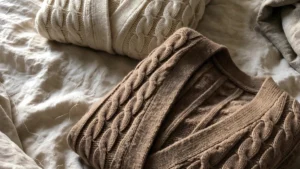
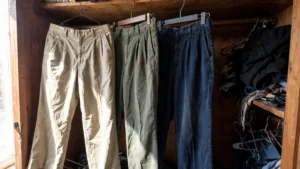
A high-rise jean sits where your body actually bends. The waistband rests on your natural waist, a couple of inches above the hip bones, instead of sliding down to the top of your thighs. That one change alters everything about how a pair of jeans looks and feels: the leg reads longer, the shirt tucks in cleanly, and the waistband stops creeping down every time you sit.
That has shifted. Heritage denim brands never dropped the high rise, and in 2027 more mainstream labels are cutting men’s jeans with a longer front rise again, from budget workwear to Japanese selvedge.
Below are nine high-rise jeans for men worth considering in 2027, from a thirty-dollar workhorse to a heavyweight selvedge pair that costs ten times as much. Each one is described by what it does well, what to watch for, and who it suits best, so you can pick a rise that works with your build instead of fighting it.
Key takeaways
- A high rise means a front rise of roughly 11 inches or more, with the waistband sitting on the natural waist rather than the hips.
- The biggest benefit is proportion: a high waist makes the leg look longer and gives a tucked-in shirt a clean line to sit against.
- Buy by the rise measurement, not the waist size on the label — the same 32-inch waist can sit two inches higher or lower depending on the cut.
- Heavier denim holds a high waist in place better than thin stretch denim, which tends to slide down over the day.
- A high rise is not a fix for every body: on a very short torso it can crowd the chest, and a rise that is too long will bunch at the crotch.
What a high rise actually is for men
The rise of a jean is the distance from the crotch seam to the top of the waistband, measured up the front. On a men’s jean, a mid-rise usually measures nine to ten inches, and the waistband settles on the hips. A high rise measures eleven inches or more, and the waistband settles on the natural waist — the narrowest point of the torso, roughly at the level of the belly button.
The high waist spent a long time out of men’s fashion. The low rise owned the 2000s, and the skinny era that followed kept waistbands low and legs tight. In the last few years the look has spread back into the mainstream, helped by the return of tucked-in shirts and by a wider interest in workwear shapes.
A high rise suits more men than the old reputation suggests. It helps taller men, because the longer rise balances a long torso. It helps men with a stomach, because the waistband sits above the widest point instead of cutting across it. And it helps anyone who tucks a shirt in, because the shirt has a proper waistband to sit against. If the high waist still feels like too much of a change, our roundup of the best slim jeans for men is the safer middle ground — the same clean leg, with a waistband that sits a little lower.
How we chose these high-rise jeans and what to look for
Every pair below is a genuine high rise, not a mid-rise with a generous label. We checked the front rise where the brand publishes it, and where it does not, we checked how the cut is described and where it sits on the body.
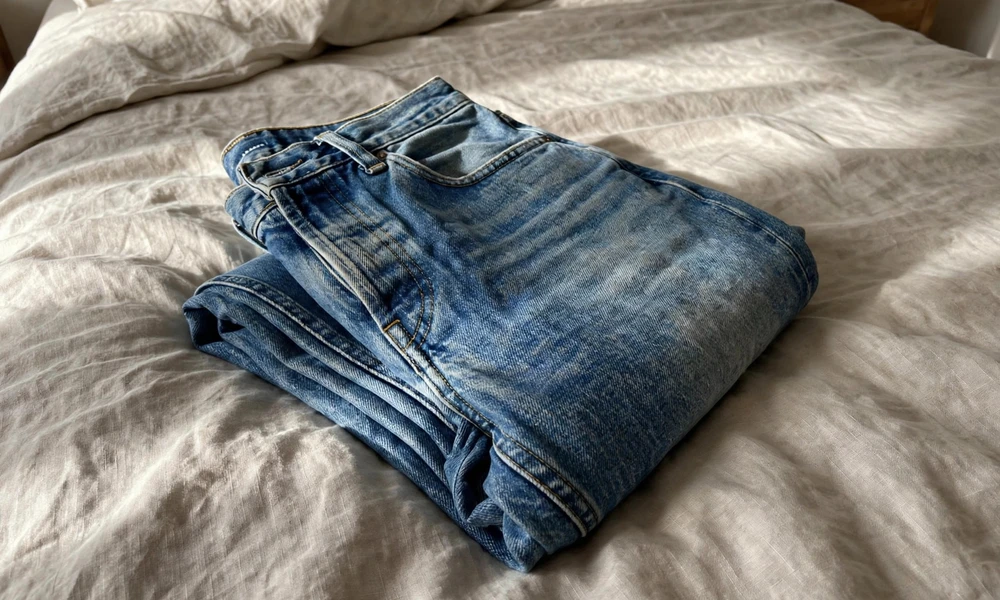
Look at the denim weight first. A high waist needs fabric with enough body to hold its shape, and denim of thirteen ounces or more does that job far better than thin stretch denim, which tends to slide down as the day goes on. A tapered leg keeps the high waist from reading wide, and the best tapered jeans for men show the shape that pairs best with a high rise.
Finally, look at the waistband itself. A curved waistband follows the shape of the body and stays comfortable when you sit, while a straight waistband can gap at the back. Neither is better in itself — the test that matters is the sit-down test, done in the shop, before you pay.
The 9 best high-rise jeans for men 2027
Wrangler Cowboy Cut Slim Fit Jeans
What we like: The cheapest genuine high rise on this list. The Cowboy Cut was designed to sit at the natural waist, so the high rise here is the cut itself, not a fashion choice, and the slim leg keeps it looking current rather than vintage. What to consider: The fabric is rigid at first and needs a few weeks to soften, the slim leg is snug through the thigh on bigger builds, and the wash fades faster than premium denim. Best For: a budget high-rise that sits at the natural waist. Material: 100% cotton denim. Price Range: $30–$50. Standout Feature: a true cowboy-cut high waist at a workwear price.
Carhartt Double-Front Logger Dungaree
What we like: A work jean built to be worn hard. The double-front panels add a second layer of denim down the leg, the waistband sits high by design, and the whole pair is made to take abuse that would shred a fashion jean. What to consider: The double front adds bulk at the thigh, the fabric is heavy and stiff when new, and the choice of washes is narrow. Best For: hard-wearing work denim that sits high on the waist. Material: 100% cotton denim with double-front panels. Price Range: $95–$115. Standout Feature: double-front reinforcement on a high waist.
Buck Mason Ford Standard Jean
What we like: A clean American straight leg made with Japanese selvedge denim, cut with a higher waist than most straight fits. The leg is straight without being wide, the selvedge edge shows when you turn the hem up, and the make is solid for the price. What to consider: The straight leg can read boxy on slim builds, there is no stretch in the fabric, and the price climbs with the darker washes. Best For: a clean American straight leg with a higher waist. Material: Japanese selvedge cotton denim. Price Range: $130–$150. Standout Feature: USA-made selvedge at a mid-range price.
Taylor Stitch The Democratic Jean
What we like: Organic cotton, a straight fit, and a waistband that sits at the waist rather than the hips. The fabric has a broken-in feel from the first wear, the cut works with boots and trainers alike, and the make is American. What to consider: The wash fades with wear, the straight leg needs the right shoe to avoid looking plain, and there is no stretch for men who like give in the fabric. Best For: an organic-cotton straight fit that pairs with boots. Material: organic cotton denim. Price Range: $155–$175. Standout Feature: organic cotton with a broken-in feel from day one.
Nudie Jeans Gritty Jackson
What we like: A regular fit that sits at the waist, made from organic cotton, with free repairs for life through Nudie’s own shops. The dry denim version fades beautifully with wear, and the regular leg is roomy enough for bigger thighs. What to consider: The dry version is stiff for the first few weeks, the regular fit is roomy through the seat, and the price is high for a plain-looking jean. Best For: a regular high-rise in organic cotton with free repairs. Material: organic cotton denim. Price Range: $180–$205. Standout Feature: free repairs for life through Nudie’s repair shops.
Raleigh Denim Alexander
What we like: A genuine high-rise cut, sewn in North Carolina, with a curved waistband shaped to the natural waist. What to consider: The price is premium, stockists are limited, and the high rise feels unfamiliar for the first few days. Best For: a true high-rise cut sewn in the USA. Material: USA-milled cotton denim. Price Range: $210–$230. Standout Feature: a curved waistband shaped to the natural waist.
This is the pair to buy when you already know a high rise suits you and you want the cut done properly. The curved waistband is the detail that makes the difference when you sit down.
Imogene + Willie Barton Slim
What we like: A slim leg with a higher waist, made in the USA, with white oak selvedge options for men who want the selvedge edge. The Barton is slim without being tight, and the high waist keeps the shirt tuck clean. What to consider: The slim leg plus high waist can feel restrictive when sitting, the price climbs with the selvedge options, and popular sizes sell out quickly. Best For: a slim high-rise made for tucking in. Material: USA cotton denim, selvedge options. Price Range: $235–$255. Standout Feature: a slim leg that still sits at the natural waist.
The Barton is the smartest pick on this list. It gives you the slim silhouette most men already wear, with the waistband moved to where it actually belongs.
Tellason Ladbroke Grove
What we like: Cone Mills selvedge denim, a slim tapered leg, and a high waist, made in San Francisco. The Ladbroke Grove is Tellason’s slim tapered fit, and the taper keeps the high waist from looking wide. What to consider: The taper is aggressive at the ankle, the rigid denim needs weeks to soften, and there is no stretch in the fabric. Best For: selvedge denim with a high waist and a slim taper. Material: Cone Mills selvedge denim. Price Range: $260–$280. Standout Feature: Cone Mills selvedge with a San Francisco make.
Buy the Ladbroke Grove if you like selvedge and you like a taper. The high waist and the slim ankle balance each other, and the denim ages into a pair that looks like nobody else’s.
Iron Heart 634S Straight Cut
What we like: Twenty-one ounce Japanese selvedge denim, a straight cut, and a high rise, built to last for years rather than seasons. What to consider: The weight is genuinely heavy, the break-in takes months rather than weeks, and the price is the highest on this list. Best For: a heavyweight high-rise that breaks in over years. Material: 21 oz Japanese selvedge denim. Price Range: $340–$375. Standout Feature: 21 oz denim that moulds to the wearer over time.
This is the pair for a man who already wears heavy denim and wants the best version of it. It is not a casual purchase, but it is the pair on this list most likely to still be in your wardrobe in five years.
Who a high rise suits best
Taller men get the most obvious benefit. A longer front rise balances a long torso, and the higher waistband makes the leg look longer still, which is the opposite of what a low rise does on the same build. Men with a stomach get a quieter benefit: the waistband sits above the widest point of the belly instead of cutting across it, so there is no pinch at the front and no gap at the back.
Shorter men can wear a high rise too, and the longer leg line usually helps them. The limit is the torso: on a very short torso, a rise above twelve and a half inches starts to crowd the chest, and the shirt has nowhere to go.
Athletic builds suit the cut well, because the high waistband holds in place when the thighs are bigger, and the waistband does not slide down when you move. The one combination to avoid is a high rise with a skinny leg: the tight leg pulls the waistband down, which undoes the whole point of the cut. A high rise works best with a straight or tapered leg, and if a skinny leg is what you actually want, the best skinny jeans for men are cut for that job instead.
The caveats that matter
Not every label that says high-rise means it. Some brands call a ten-inch rise high, and some call a mid-rise high because the fashion cycle moved on. The number is the only honest check: measure the front rise in inches, or ask the shop to measure it, before you trust the label.
| Detail | What is known |
|---|---|
| Front rise that counts as high | 11 inches or more on a men’s jean |
| Where the waistband should sit | On the natural waist, above the hip bones |
| Best leg shape with a high rise | Straight or tapered; a skinny leg fights the waist |
| Denim weight that holds best | 13 oz and above; thin stretch slides down |
| Who should try first | Men who tuck shirts in, taller men, men with a stomach |
| Who should be careful | Very short torsos; a rise above 12.5 inches can crowd the chest |
| What to check in the fitting room | Sit down; the waistband should stay put and not dig in |
| What it does not do | It does not slim the waist on its own; the fit still has to be right |
If the waistband digs in when you sit, the rise is too long for your torso, not the wrong size. Go down a rise, not up a waist size, and the problem usually disappears.
Checklist: buying high-rise jeans honestly
Use these checks before you buy, and again after a day of wearing the pair at home.
- Measure the front rise in inches before you buy — 11 or more is genuinely high.
- Sit down in the fitting room and check the waistband stays put.
- Tuck a shirt in and look at the line from waist to shoe.
- Check the denim weight — 13 oz or above holds a high waist better.
- Pick a straight or tapered leg, not a skinny one, for your first high-rise pair.
- Wear the pair at home for a day before you commit to keeping it.
Frequently asked questions
At what measurement does a men’s rise turn high?
Eleven inches or more, measured from the crotch seam to the top of the waistband up the front. A mid-rise usually measures nine to ten inches, and a low rise measures around eight.
Is a high rise the opposite of a low rise?
Roughly, yes. A low rise sits below the hips, a mid-rise sits on the hips, and a high rise sits on the natural waist, above the hip bones. The three cuts change where the waistband lands, and that changes the whole proportion of the outfit, from the shirt tuck to the leg line.
Is a high rise kinder to a bigger middle than a low rise?
Usually, yes. The waistband sits above the widest point of the stomach instead of cutting across it, so there is less pinching at the front and less gaping at the back.
What footwear finishes a high-rise outfit?
Boots with a slim shaft are the simplest match, because the leg falls cleanly onto the boot. Clean trainers work too, as long as they are not bulky.
Is a high rise better than a mid-rise for a taller man?
Often, yes. A longer front rise balances a long torso, and the higher waistband makes the leg look longer. A mid-rise can leave a tall man’s shirt looking short and his legs looking shorter than they are, which is the opposite of what the cut is for.
Does a high rise help or hurt a shorter man?
It usually helps the leg line, because the waistband starts higher and the leg reads longer. The limit is the torso: on a very short torso, a rise above twelve and a half inches can crowd the chest. Stick to around eleven inches and the proportion stays balanced.
The bottom line
The best high-rise jean for men in 2027 is not the most expensive one. It is the pair whose front rise matches your torso, whose leg shape suits your build, and whose denim is heavy enough to hold the waist in place all day. For most men that means a straight or tapered leg, a rise of eleven to twelve inches, and a fabric with little or no stretch.
Start with one pair, wear it tucked in for a week, and judge it on whether the waistband stays where you put it. If it does, the high rise is doing its job — and the rest of the outfit gets easier from there.