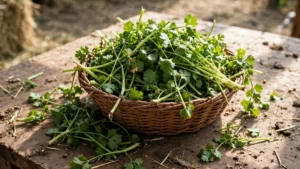
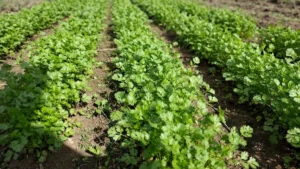
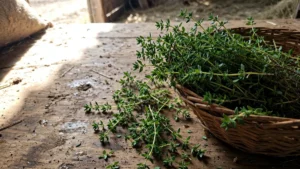
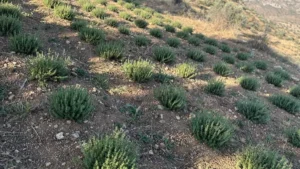
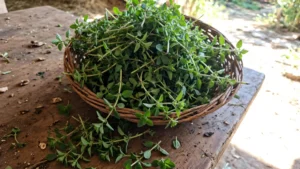
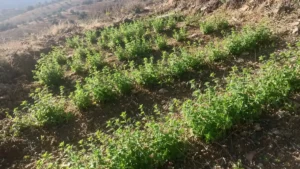
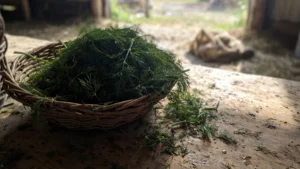
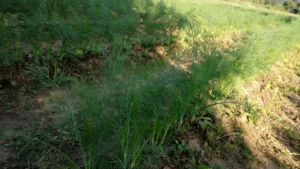
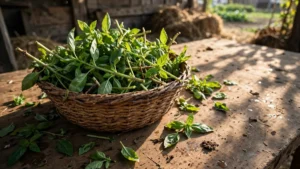
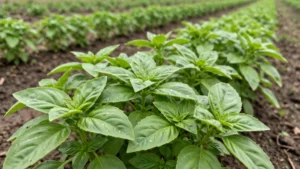
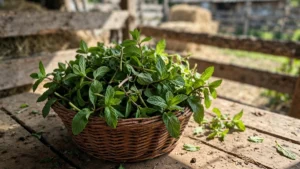
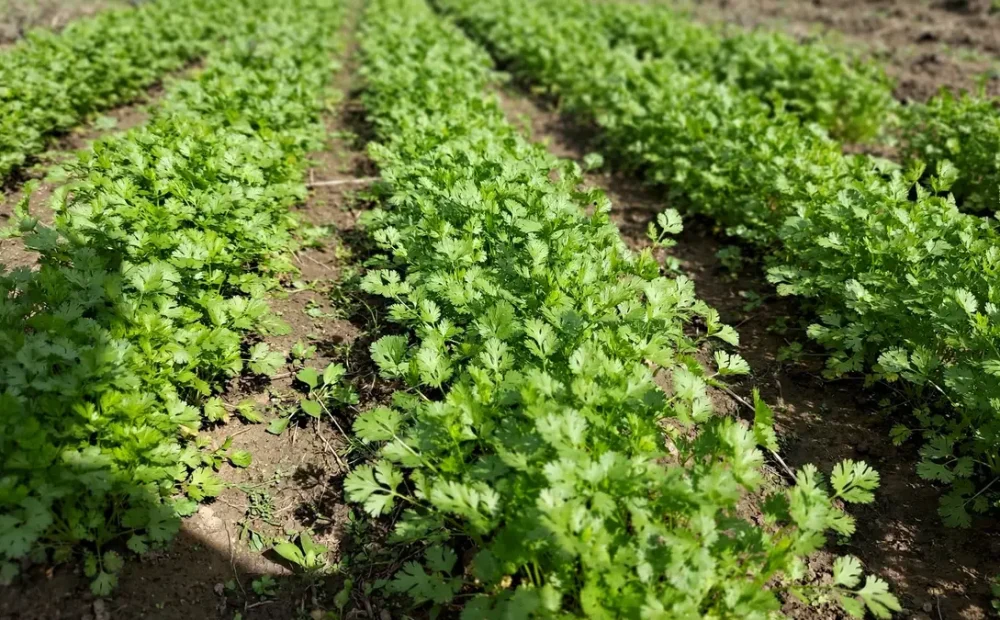
Coriander is the herb with two harvests on one plant. Cut young, the leaves are cilantro, bright and green, the bunch every market stall sells by the armful. Left to stand, the same plant flowers in white umbels, the seed heads turn brown, and the round seed is cut, dried and threshed — warm, citrusy coriander, the spice that seasons curries and pickles across half the world.
A coriander farm retreat is a few nights on a working farm in the seed weeks, when the umbels have browned and the threshing floor is busy. You sleep in a farmhouse room, eat leaves chopped into salsas at lunch, seed ground into curries at supper, walk the rows while the seed still stands, and watch the plants cut, dried and threshed. The farms run from the seed yards of Rajasthan to the Black Sea coast of Bulgaria, the round seed tying them together.
Here are nine coriander farm retreats to weigh for 2027, from the cheapest Kota stay to the dearest Isfahan farm, covering leaf and seed harvests, so the choice turns on how you travel, not where you go.
Key takeaways
- Coriander is one plant with two harvests: cilantro leaves are cut young, before the plant flowers, while coriander seed ripens after flowering and is dried in the umbel before threshing.
- Seed must dry fully on the plant and again on the threshing floor before storage, or it moulds in the jar within weeks.
- Coriander bolts fast in heat, so the leaf weeks are short and the farm names its cutting days, not a month, so book the days before the flights.
- Some guests taste soap in fresh cilantro — a real quirk of how their senses read the leaf — so the seed dishes suit them better than the salads.
- Coriander carries no gluten, but the bread and pastry beside it are usually wheat, so settle the kitchen and the calendar before you pay.
What a coriander farm retreat actually is
A coriander farm retreat means three to five nights on a working coriander farm, with the seed weeks as the reason for the trip. Guests sleep in a farmhouse room or a converted barn, eat what the farm kitchen cooks, and join the harvest — leaves cut in the cool morning, seed heads watched as they brown, plants cut and laid in the sun, then threshed on the floor.
Coriander has grown in warm country for thousands of years, and the great coriander regions took shape around the dishes and markets they served. Rajasthan turned its seed into the trading yards of Kota, the Malwa plateau kept its seed for the spice mills of central India, and the Black Sea coast carried the crop to Bulgaria. The crop wants sun, light soil and a dry finish, so the farms sit in warm plains and hills, where the ground drains fast and the air dries the seed.
The day runs on the crop’s clock, not a hotel’s: supper lands on one long table, and anyone who asks is handed work.
How we picked these stays, and what to ask first
We began with where coriander truly grows, not where it sells. A genuine coriander farm offers rows to walk through, leaves to cut at dawn, seed heads browning in the sun, a threshing floor with seed in the sieve, and a kitchen working with its own crop. A farm that buys its seed in is no coriander farm, whatever the website says.
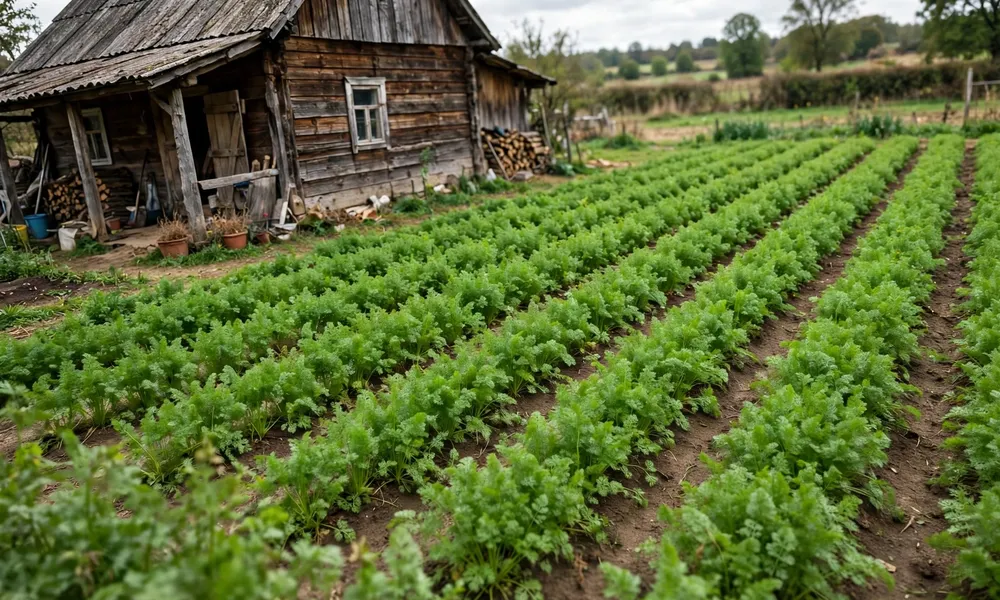
The best farms keep numbers small, so the harvest stays real work, not a show for visitors. A good farm spells out in its first email what the nightly rate takes in — supper, the drive in, walks among the rows — instead of billing them on arrival. Straight talk about leaves, seed and threshing usually means the farm looks after guests well too.
The 9 best luxury coriander farm retreats of 2027
Kota, Rajasthan, India — Coriander Seed in the Hadoti Hills
What we like: Coriander in Kota grows on the warm plains of Rajasthan, and the town is the trading heart of India’s seed world, with sacks of round seed piled in the market yards. The farm outside town grows its own crop, and the kitchen serves seed ground into curries and pickles, with leaves over rice and raita.
What to consider: Market dust hangs in the air at threshing time, and the farm rooms are plain, so expect a fan, a hard bed and an early start.
Style: Rajasthani trading-town farm stay. Best for: Travellers who want coriander where India buys and sells its seed. Price range: $65–$95 per night. Standout feature: Round seed threshed on the farm floor that morning.
Mandsaur, Madhya Pradesh, India — Coriander on the Malwa Plateau
What we like: Coriander in Mandsaur grows on the black soil of the Malwa plateau, where the seed runs large and round and the spice mills of the district buy it by the sack. The plots are open, the farmers work by hand, and the kitchen serves seed in poha and chutney, with fresh leaves over every plate.
What to consider: Plateau sun is fierce at midday, the roads are rough, and the rooms are simple, so travel light and expect an early night.
Style: Malwa plateau farm stay. Best for: Travellers who want big round seed from the spice mills’ home ground. Price range: $100–$130 per night. Standout feature: Large round seed from black-soil plots, threshed in the yard.
Taza, Morocco — Coriander in the Middle Atlas Foothills
What we like: Coriander in Taza grows in the foothills below the Middle Atlas, planted beside mint and parsley on the same terraces. The valleys are green, the markets loud, and the kitchen serves leaf in salads and tagines, seed in ras el hanout, with bread from the farm oven.
What to consider: Foothill paths are steep at cutting time, and few at the farm speak English, so bring patience and a phrasebook.
Style: Moroccan foothill farm stay. Best for: Travellers who want leaf and seed together in one kitchen. Price range: $135–$165 per night. Standout feature: Coriander leaf and seed in the same day’s tagine.
Konya, Turkey — Coriander on the Anatolian Steppe
What we like: Coriander in Konya grows on the wide Anatolian steppe, where the seed is sown in spring and cut when the umbels brown under a hard sun. The steppe is open, the farmhouse stands alone, and the kitchen serves seed in breads and pickles, with leaves over yoghurt and salads.
What to consider: Steppe wind blows hard at harvest time, and the farm sits far from town, so use the farm’s own driver and pack a warm layer.
Style: Anatolian steppe farm stay. Best for: Travellers who want seed grown under a big open sky. Price range: $170–$200 per night. Standout feature: Seed bread baked in the farm oven from that week’s threshing.
Burgas, Bulgaria — Coriander Seed on the Black Sea Coast
What we like: Coriander in Burgas grows on small farms near the Black Sea coast, where the seed ripens in the sea breeze and dries fast in the coastal sun. The coast is warm, the salt marshes lie close behind the rows, and the kitchen serves seed in sausages and pickles, with leaves over shopska salad.
What to consider: Coastal wind rattles the farmhouse at night, and the farm is a drive from the city, so travel in the morning and pack for a breeze.
Style: Bulgarian coastal farm stay. Best for: Travellers who want seed dried in sea air. Price range: $205–$235 per night. Standout feature: Seed dried on mats in the coastal sun.
Shandong, China — Coriander in the North China Plain
What we like: Coriander in Shandong grows on the flat North China Plain, where the leaf is cut young for the markets and the seed is left to ripen for the spice jars. The plain is wide, the villages close together, and the kitchen serves leaf in dumplings, seed in braises and pickles.
What to consider: Plain dust hangs in the air at threshing time, and few at the farm speak English, so bring patience and a phrasebook.
Style: North China Plain farm stay. Best for: Travellers who want leaf for the dumpling table and seed for the braise. Price range: $240–$270 per night. Standout feature: Leaf cut at dawn for the dumpling table.
Andalusia, Spain — Coriander in the Guadalquivir Valley
What we like: Coriander in Andalusia grows in the Guadalquivir Valley, where the leaf is cut for gazpacho and salads and the seed goes into pickles and breads. The valley is warm, the white villages stand on the hills, and the kitchen serves leaf in salmorejo, seed in olives and pickles, with village bread.
What to consider: Valley heat is heavy at midday, and the farm books early, so arrange the dates well ahead and rest in the afternoon.
Style: Andalusian valley farm stay. Best for: Travellers who want coriander with gazpacho and village bread. Price range: $275–$305 per night. Standout feature: Leaf chopped into gazpacho from the morning’s cutting.
Punjab, Pakistan — Coriander in the Punjab Fields
What we like: Coriander in Punjab grows in the wide fields between the rivers, where the seed is sown in winter and cut when the umbels brown under the spring sun. The fields are flat, the farmhouse stands among mango trees, and the kitchen serves seed in curries and pickles, leaves over dal and rice, with lassi at noon.
What to consider: Field heat builds fast by late morning, and the farm sits far from the main roads, so check the current travel guidance and use the farm’s own driver.
Style: Punjabi field farm stay. Best for: Travellers who want winter-sown seed from river country. Price range: $310–$340 per night. Standout feature: Winter seed threshed under the mango trees.
Isfahan, Iran — Coriander Seed on the Central Plateau
What we like: Coriander in Isfahan grows on the dry Central Plateau, where the seed ripens under a hard sun and dries fast in the desert air. The plateau is open, the old city stands a drive away, and the kitchen serves seed in stews and pickles, leaves over yoghurt and rice, with saffron beside it.
What to consider: The farm is the dearest stay here, and plateau sun is fierce at harvest time, so plan a year ahead and pack for heat.
Style: Iranian plateau farm stay. Best for: Travellers who want seed dried fast in desert air. Price range: $345–$380 per night. Standout feature: Seed dried in a day on the desert threshing floor.
Which coriander region fits your trip
If you want coriander where the trade happens, start with Kota or Mandsaur, where seed is cut, dried and threshed the same week it ripens. Either suits a first visit, with short walks and long suppers at the shared table.
For scenery with your coriander, Isfahan puts the rows on a dry plateau, Burgas on a warm coast, Taza in green foothills.
For the crop that grows beside the coriander, our guide to the ginger farm retreats covers the other warm rhizome, with teas and pickles instead of seed breads and leaf salads, and the tomato farm retreats offer a summer fruit for the same kitchen, with sauces instead of ground seed and chutneys.
The caveats that matter
Coriander farming answers to the weather: farms give a best guess, never a promise, and a trip pinned to one cutting day gambles on rain. The warning that counts is the leaf itself — some guests taste soap in fresh cilantro, and no farm can change that.
| Detail | What is known |
|---|---|
| Best time to visit | Leaf weeks run six to eight weeks after sowing, seed weeks about three months after, when the umbels turn brown; the season shifts by region |
| What the work involves | Walking the rows, cutting leaves at dawn, watching the seed heads brown, then the plants cut, dried and threshed |
| How long a stay runs | Three to five nights, set around the cutting and seed weeks |
| Who should take care | Guests who taste soap in fresh cilantro, and anyone unused to fierce sun, rain or steep paths |
| What the kitchen serves | Leaf in salads and dumplings, seed ground into curries and pickles, with bread and farm butter beside the plate |
| Gluten note | Coriander carries no gluten, but the bread and pastry beside it are usually wheat, so ask the kitchen what it can safely serve |
| What to pack | Closed walking shoes, a broad sun hat, a rain layer, and clothes you do not mind dusting |
| What it does not do | No promised cutting day, no fixed menu, and no hotel-style service on a working farm |
Anyone on a strict gluten-free diet should ring the farm before booking. One question about the kitchen and the coriander can save you a difficult stay, and a farm that answers honestly is usually worth the visit. The same warning sits in our asparagus farm retreats, where the loaves on those tables are wheat too.
Checklist: booking a coriander farm stay honestly
Work through this list before you pay, and again in the week before you travel.
- Get the cutting window in writing, and ask what happens if the seed heads are still green.
- Confirm the nightly rate takes in supper, the drive in and the walks.
- Ask whether the cutting, drying and threshing happen on the farm, and whether the kitchen can serve a meal with no cilantro.
- Before you pay, look at the room yourself — run the taps, sit on the bed, switch the heater on — because farm rooms are plain.
- Pack for sun and seed dust: sturdy shoes, a hat, a rain layer, clothes you can wash in a basin.
- Leave a day open for the nearest town, so a cutting week that slips still leaves you a good trip.
Frequently asked questions
Leaf or seed — which coriander will I actually taste?
Both, on most farms. Cilantro leaf is cut young and chopped the same day, bright and green; coriander seed is dried in the umbel, threshed and ground, warm and citrusy. Leaf goes into the salads, seed into the curries, and farms that show you both know their crop.
When do the farms cut their coriander?
Leaf is cut six to eight weeks after sowing, before the plant flowers, and seed is cut about three months after, when the umbels turn brown; the precise week shifts with heat and rain, so ask the farm for its cutting window instead of a single date, and hold off booking flights until that window is fixed.
Is cilantro the same plant as coriander?
Yes. Cilantro is the leaf of the coriander plant, cut young before flowering, while coriander is the seed of the same plant, ripened after flowering. One plant gives you the bright green leaf for salads and the warm round seed for the spice jar, and the root seasons Thai cooking too.
Can guests help with the cutting and the threshing?
Most farms let guests walk the rows, join the leaf cutting and sit at the kitchen table, and some invite you to spread seed heads on the drying mats and work the threshing sieve. Cutting is steady work, so ask what guests may do before you book, and expect seed dust on your hands either way.
Which coriander region suits a first trip?
Kota is the easiest first trip: the coriander rows are widest there, the farms are used to guests, and the trading yards best show what the crop means. If you want hills with the plate, Taza is where leaf and seed share one kitchen.
Can a gluten-free guest eat well on a coriander farm?
Mostly. The fields, the cutting and the harvest are worth the trip alone, and coriander carries no gluten, but the bread and pastry served beside it are usually wheat. Ask the farm what it can cook without wheat for a gluten-free guest, and settle the cutting week before the kitchen bakes its bread.
The bottom line
A coriander farm retreat suits travellers who prefer round seed and farm kitchens over a hotel. Fresh leaf comes bright and green, dried seed grinds into curries and breads, and the finest stays feed you from their own ground.
Nail down the cutting week before you book travel, and leave one spare day at the end. When the coriander cuts on time you will eat leaves chopped that morning; when it does not, the hills and old towns will still carry the trip.