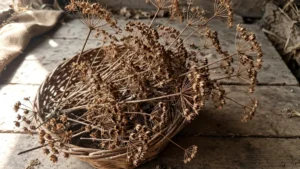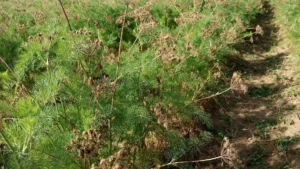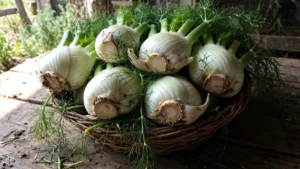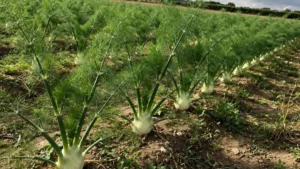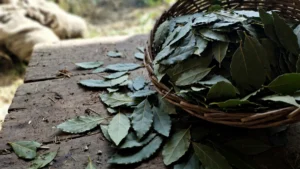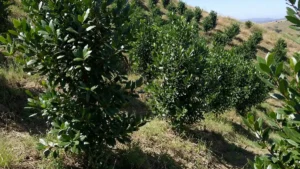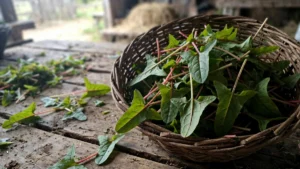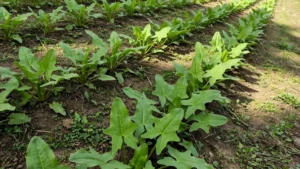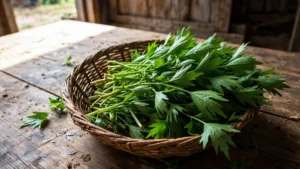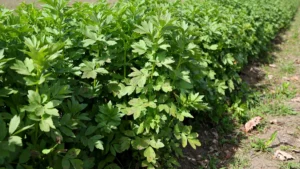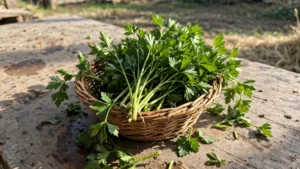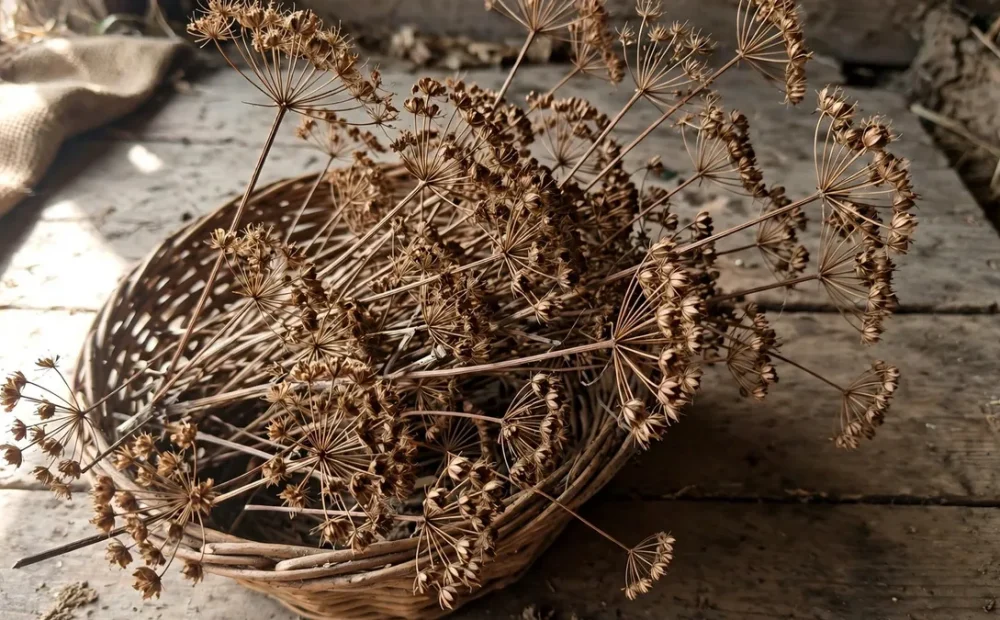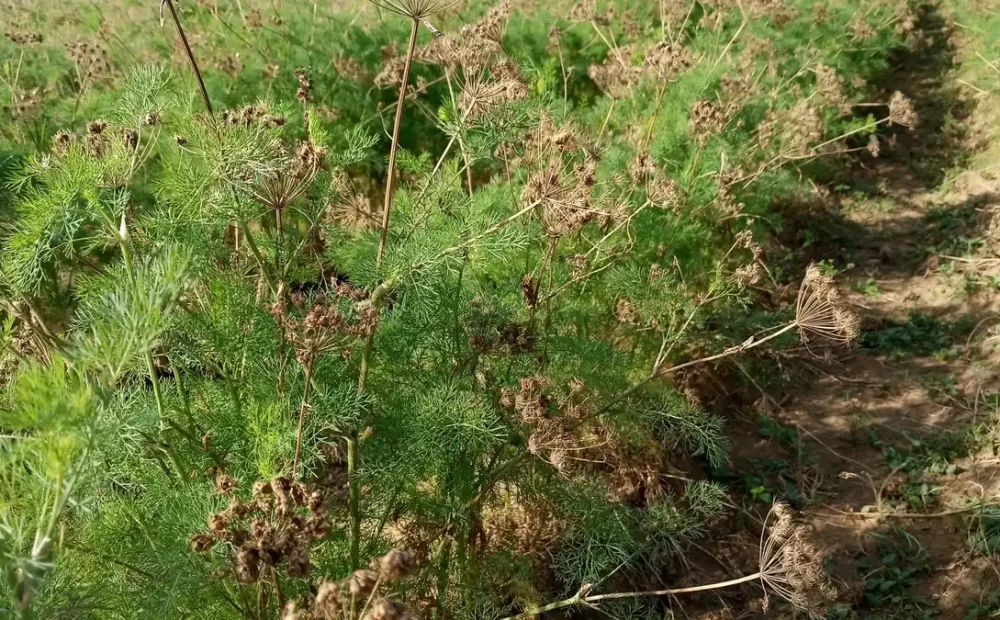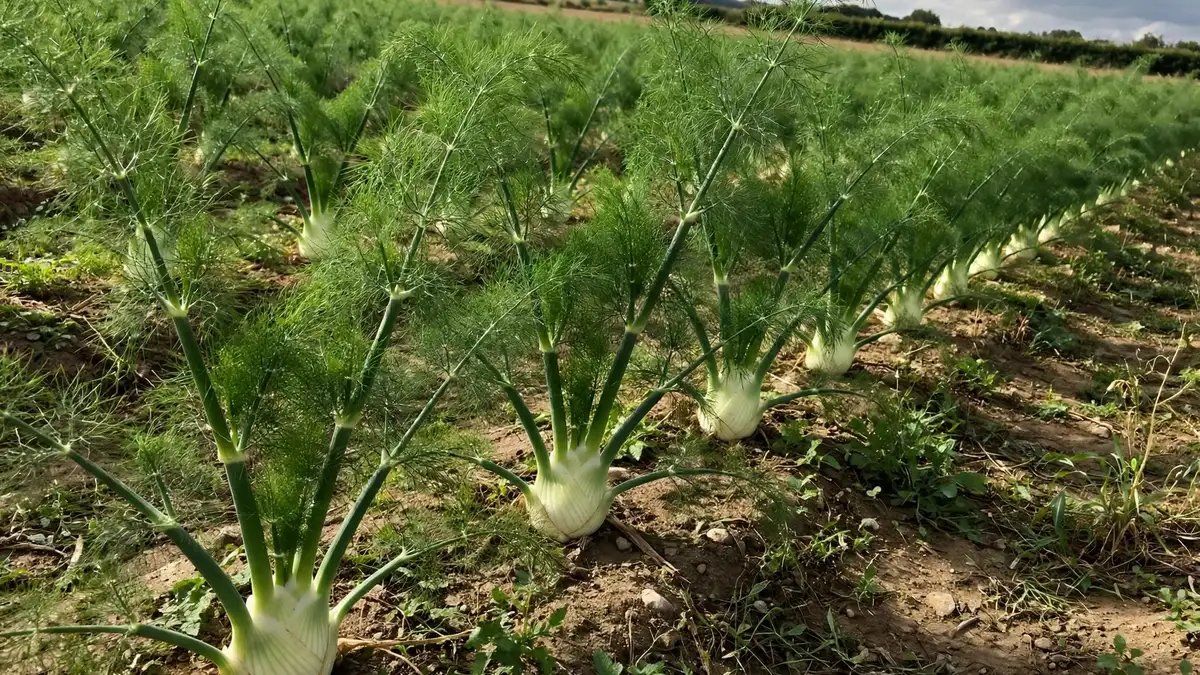

A fennel farm retreat is a stay built around a plant that is two crops at once. Florence fennel grows a crisp white bulb at the base, sweet and anise-scented, while common fennel grows tall for its seed, which dries in the umbel and flavours bread, sausage, and tea. Guests arrive while the bulbs are swelling or the seed heads are turning, and learn to tell the two apart in the row.
These stays are small and working: a family place with a handful of guest rooms, a kitchen that cooks with the fennel it grows, and a host who knows which bed was earthed up last week and which is ready to lift.
Below are nine fennel farm retreats for 2027, from the Camargue at $65 to $95 a night to the Barossa Valley at $345 to $380. Every one of them is a farm that happens to take guests, not a hotel with a fennel patch by the pool.
Key takeaways
- Fennel farm retreats are working stays built around lifting bulbs, cutting fronds, and threshing seed.
- Florence fennel is grown for its bulb; common fennel is grown for its seed, the same species grown for a different crop.
- Lift bulbs before they bolt, and cut seed heads once they turn from green to pale gold.
- Fennel and dill look alike in the row, feathery fronds and yellow umbels, so learn the difference before you cut.
- Fennel is a dry-country plant, so harvest dates move with heat and rain, not the calendar.
What a fennel farm retreat actually is
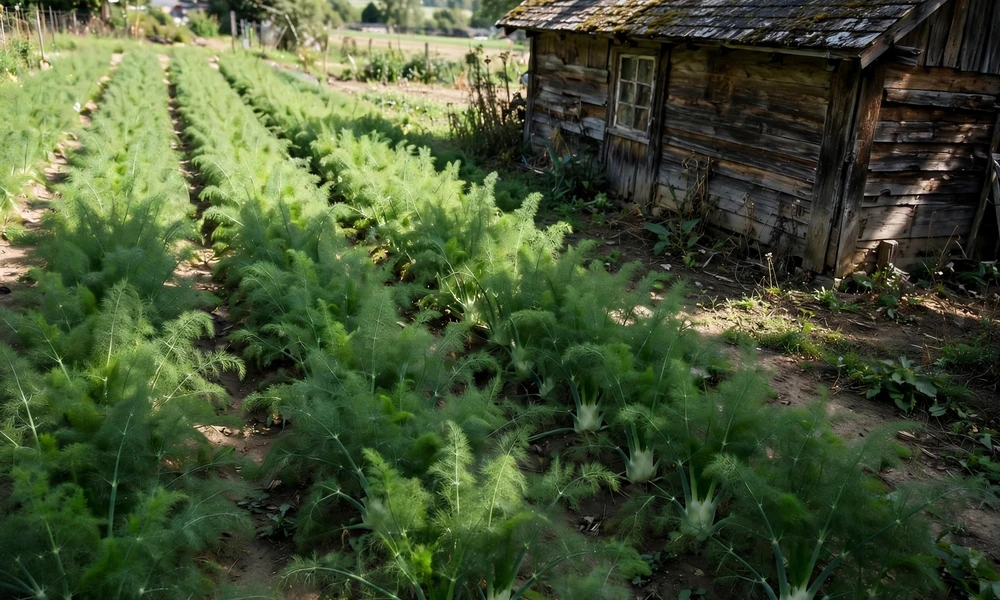
A fennel farm retreat is a working herb and vegetable farm that takes a small number of paying guests for a few nights. The farm grows fennel as a crop, not as a garnish, and the stay follows the bulb and seed calendar. Mornings are spent in the rows with baskets and knives, afternoons threshing seed heads or trimming bulbs, and evenings at a table where fennel seasons fish, pork, and bread.
What sets fennel apart from the leafy herbs is how much of the plant you use. The bulb is sliced raw into salads or roasted whole, the fronds are chopped like dill, the stems go into stock, and the seed is dried for tea and baking. A good fennel farm wastes nothing, and the kitchen shows you how each part is used.
The stays are modest: a farmhouse room with a window over the rows, a kitchen that smells of anise, and a host who can tell Florence fennel from common fennel by the thickness of the stem and the shape of the base.
How we picked these stays, and what to ask first
We picked farms that grow fennel as a real crop, take small groups, and put the lifting and threshing at the centre. Every farm below grows a culinary fennel at field scale, offers a guided session in the rows, and cooks at least one meal a day with its own bulb or seed.
Before you book, ask three questions. First, which fennel grows in the rows, Florence bulb or common seed, and when is its harvest week. Second, how many guests stay at once: a small party can lift together, but a crowd cannot. Third, what is included: some farms include every meal and the threshing lesson, while others charge for the cooking class on top.
Also ask about the kitchen. Fennel is gluten-free, but a farm kitchen bakes bread in the same room and serves pasta and stuffing most nights. If you cannot eat gluten, mention it in your first message to the farm, before you arrive. The dill farm retreats we have covered work on the same pattern.
The 9 best luxury fennel farm retreats of 2027
The Camargue, France — Fennel in the Salt Marshes
On the flat salt marshes of the Camargue, a small farm grows wild fennel along the dykes and Florence fennel in the sheltered beds behind the house.
What we like: The wildest fennel on this list, from the marsh edge where the plant has grown for centuries. What to consider: The wind off the sea is strong, the mosquitoes are serious in summer, and the rooms are simple. Best for: A first fennel trip close to the plant’s wild home. Style: Whitewashed farmhouse rooms on a marsh farm. Price range: $65 to $95 a night. Standout feature: Wild fennel cut from the dykes, where the plant grows untended.
The Romagna, Italy — Fennel on the Low Adriatic Plain
On the low plain of Romagna, between the Apennines and the Adriatic, a family farm grows Florence fennel in deep, sandy soil, earthing the bulbs up as they swell.
What we like: The sweetest Florence bulbs on this list, from the plain where the bulb variety was first bred. What to consider: The plain is flat and the summer is hot, and the farm is a drive from the coast. Best for: Travellers who want to learn the bulb properly, from earthing to lifting. Style: Brick farmhouse rooms on a flat vegetable farm. Price range: $100 to $130 a night. Standout feature: Florence fennel earthed up by hand, lifted the morning you arrive.
The Po Valley, Italy — Fennel on the Flat Farmland
In the wide Po Valley, where the fog sits over the fields in the morning, a farm grows Florence fennel in long straight beds, watered from the canals that cross the plain.
What we like: Big, crisp bulbs from the richest soil on this list, plus a kitchen that roasts them whole. What to consider: The fog is thick in autumn, the plain is quiet, and the farm is not a lively place at night. Best for: A quiet week learning the bulb from seed to table. Style: Farmhouse rooms on a flat valley farm. Price range: $135 to $165 a night. Standout feature: Fennel bulbs grown in the deep black soil of the Po plain.
Tenerife, Spain — Fennel on the Volcanic Slopes
On the volcanic slopes of Tenerife, above the banana terraces, a farm grows wild fennel in the black soil, where the plant self-seeds between the stones and the sea wind keeps it small and scented.
What we like: Volcanic fennel with a sharp anise edge, plus an island where the season runs long. What to consider: The slopes are steep, the sun is strong, and the farm is a drive up from the coast. Best for: Travellers who want fennel, sun, and a volcanic landscape in one trip. Style: Stone rooms on a terraced hillside farm. Price range: $170 to $200 a night. Standout feature: Wild fennel from black volcanic soil, dried for the farm’s own tea.
The Trás-os-Montes, Portugal — Fennel in the High North
In the high, dry north-east of Portugal, where the summers are hot and the winters bite, a farm grows common fennel for seed on terraces above the Douro, where the umbels are cut once they turn pale gold.
What we like: The best seed fennel on this list, from the dry hills where the umbels ripen slowly. What to consider: The region is remote, the roads are narrow, and the evenings are cool even in summer. Best for: Travellers who want to learn the seed, from umbel to threshing. Style: Granite farmhouse rooms on high terraces. Price range: $205 to $235 a night. Standout feature: Fennel seed threshed by hand on terraces above the Douro.
The Costa Brava, Spain — Fennel by the Sea Cliffs
On the rugged Costa Brava, where the pine woods run down to the sea cliffs, a farm grows Florence fennel in the sheltered gardens behind the house, where the sea breeze keeps the bulbs cool and the fronds tender. The coriander farm retreats we covered are built the same way.
What we like: Tender bulbs from a mild coastal climate, with fish on the table nightly. What to consider: The coast fills up in summer and the closest beach is a drive away. Best for: Travellers who want fennel, sea air, and a gentle first trip. Style: Stone farmhouse rooms in a pine wood above the sea. Price range: $240 to $270 a night. Standout feature: Florence fennel kept tender by the sea breeze, sliced raw at lunch.
The Beira, Portugal — Fennel on the Mountain Edge
In the Beira, on the edge of the Serra da Estrela mountains, a farm grows common fennel for seed in the dry fields below the granite peaks, where the plant is cut for tea and for the region’s bread.
What we like: Mountain fennel with a strong anise scent, plus a farmhouse kitchen that bakes with the seed. What to consider: The mountains are high, the kitchen is hearty rather than light, and the farm is a long drive from the coast. Best for: Travellers who want a fennel trip off the beaten track. Style: Stone mountain rooms on a dry hillside farm. Price range: $275 to $305 a night. Standout feature: Fennel seed from the mountain edge, baked into the farm’s bread.
Gujarat, India — Fennel Seed on the Dry Plains
On the dry plains of Gujarat, where fennel seed is a cash crop and the umbels are dried in the sun, a farm takes guests for the threshing week, when the seed is beaten from the heads and winnowed in the yard.
What we like: The most serious seed fennel on this list, from the plains where saunf is a way of life. What to consider: The heat is serious, the farm is simple, and the journey is long. Best for: A once-in-a-lifetime seed trip with a harvest like nowhere else. Style: Whitewashed farm rooms on a dry plains farm. Price range: $310 to $340 a night. Standout feature: Fennel seed threshed and winnowed in the farmyard, the way it has always been done.
The Barossa Valley, Australia — Fennel in the Wine Country
In the Barossa Valley, among the old vines and gum trees, a farm grows Florence fennel in the irrigated beds beside the vineyard, where the bulbs are lifted in the cool of the morning and the fronds go into the farm’s salads. The parsley farm retreats we covered are built the same way.
What we like: The finest bulbs on this list, from a valley where the food matches the wine. What to consider: The valley is a flight from anywhere, the summer is hot, and the farm is not cheap. Best for: A late-season fennel trip when the Mediterranean has gone quiet. Style: Vineyard cottage rooms beside the fennel beds. Price range: $345 to $380 a night. Standout feature: Florence fennel lifted beside old vines, served with the valley’s wine.
Which fennel region fits your trip
First-timers should start in the Camargue or Romagna. The Camargue gives you wild fennel at its simplest, on the marsh edge where the plant grows untended. Romagna adds the bulb, earthed up by hand, with a farmhouse that cooks it properly. Both harvest in late spring and summer.
If you already know fennel and want to learn something new, go to Trás-os-Montes or Gujarat. Trás-os-Montes teaches fennel as a seed crop, threshed by hand on high terraces; Gujarat teaches it on a plains farm, where the seed is a cash crop and the threshing is the whole week.
If you want sun, sea, and a change of scene, pick the Costa Brava or Tenerife. The Costa Brava farm pairs tender bulbs with the sea and the pine woods, and the Tenerife farm pairs volcanic fennel with an island where the season runs long. Both cost more, but both leave you with a harvest week all your own. For a quiet late-summer week close to home, the Beira or the Po Valley are good choices.
The caveats that matter
Fennel is a hardy plant, but that does not make the harvest simple. A hot spell can push the bulbs into flower early, a wet spring can rot the roots and push the lifting week later, and a dry summer can leave the seed heads small. A farm that promised June may call you in May to shift it. Good farms shift your dates for free, so travel on a ticket you can move and treat the harvest date as a window, not a fixed promise.
| Detail | What is known |
|---|---|
| Best flavour window | Just before bolting for bulbs; once the seed heads turn pale gold for seed |
| Florence vs common fennel | Florence is grown for its bulb; common fennel is grown for its seed |
| Fennel vs dill | Both have feathery fronds and yellow umbels; fennel is perennial and anise-scented, dill is annual |
| Bulb care | Earth the bulbs up as they swell, so they stay white and sweet |
| Seed care | Dry the umbels in the shade before threshing, or the seed loses its scent |
| Soil and water | Deep, rich soil and steady water make the sweetest bulbs; dry soil suits seed |
| Gluten in farm kitchens | Fennel is gluten-free, but farm kitchens bake bread and stuffing in shared spaces |
| What it does not do | It does not replace a cooking course, and it will not settle next year’s dates |
If you are pregnant, or you take medication that interacts with herbal oils, tell the farm before you book. Fennel oil is strong, and the farms handle the cutting, the drying, and the threshing in close quarters, with a strong anise scent in the air. A short note sent early lets the host shape the sessions to fit you.
Checklist: booking a fennel farm stay honestly
Use these checks before you book, and again the week before you travel.
- Check the variety: which fennel does the farm grow in your week, Florence bulb or common seed.
- Check the harvest dates: ask for the whole harvest window, never a single fixed day.
- Check the group: a small party keeps the lifting session worthwhile.
- Check what the price covers: meals, lessons, and market trips, or whether they cost extra.
- Check the kitchen: mention gluten-free needs or an oil sensitivity before you pay.
- Check the weather plan: ask what happens if heat, rain, or a dry spell hits the harvest week.
Frequently asked questions
How is Florence fennel different from common fennel?
They are the same species, Foeniculum vulgare, but different varieties. Florence fennel, var. azoricum, is grown for the swollen white bulb at its base. Common fennel is grown for its seed, which is dried in the umbel and used in bread, sausage, and tea.
When is fennel harvested on the farms?
Bulbs are lifted when they are the size of a tennis ball and before the plant bolts, usually a window of a week or two in late spring or early summer. Seed is cut once the umbels turn from green to pale gold, usually late summer. The dates move with heat and rain, so farms confirm a few days ahead.
Do guests get to lift fennel themselves?
Yes, on every farm in this list. Guests lift bulbs with a fork or cut seed heads with secateurs, and the farm shows you how to take a bulb without bruising it and how to cut a seed head without shaking the seed out.
Which fennel region is best for a first trip?
The Camargue, for wild fennel at its simplest and a mild marsh climate, or Romagna, for a gentler introduction with the bulb and the Italian table nearby. Both harvest in late spring and early summer; either makes a good short first trip.
Can you taste fennel straight from the row?
Yes, if the farm says the rows are unsprayed and the bulbs are clean. Most of these farms grow without sprays, but ask before you taste, and chew a small piece first: the flavour is sweet and anise-like, stronger than the bulb suggests.
Is a fennel farm stay workable if you eat gluten-free?
Mostly yes, provided the farm knows before you arrive. Fennel itself is gluten-free, and most farms can set aside a clean board and a separate pot. A small kitchen may not guarantee zero cross-contact, so ask directly before you pay.
The bottom line
The best fennel farm retreat in 2027 matches your dates and your cooking. The Camargue is the classic, Gujarat the adventure, and the Barossa the long season, but any of the nine will give you fennel lifted in the morning and cooked by evening.
Book the window the farm gives you, never one fixed day. Give the farm your food list before you travel. Lift before the bulbs bolt, and carry home the dried seed rather than fresh fronds, which will wilt before you land.