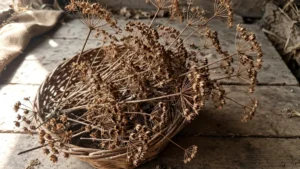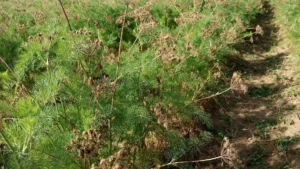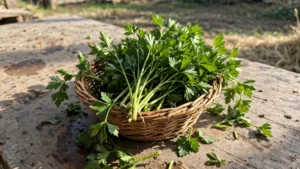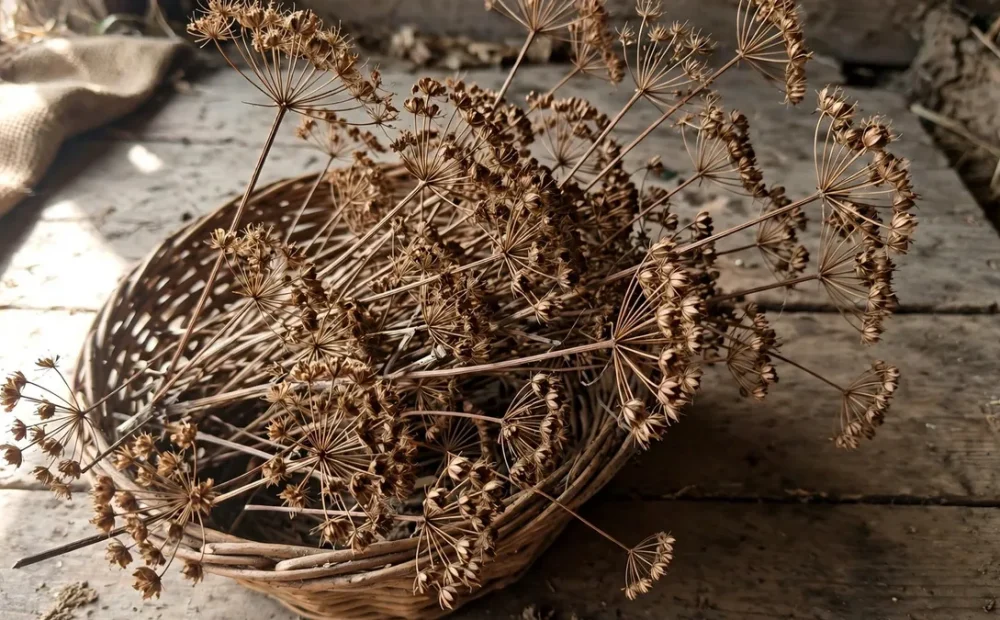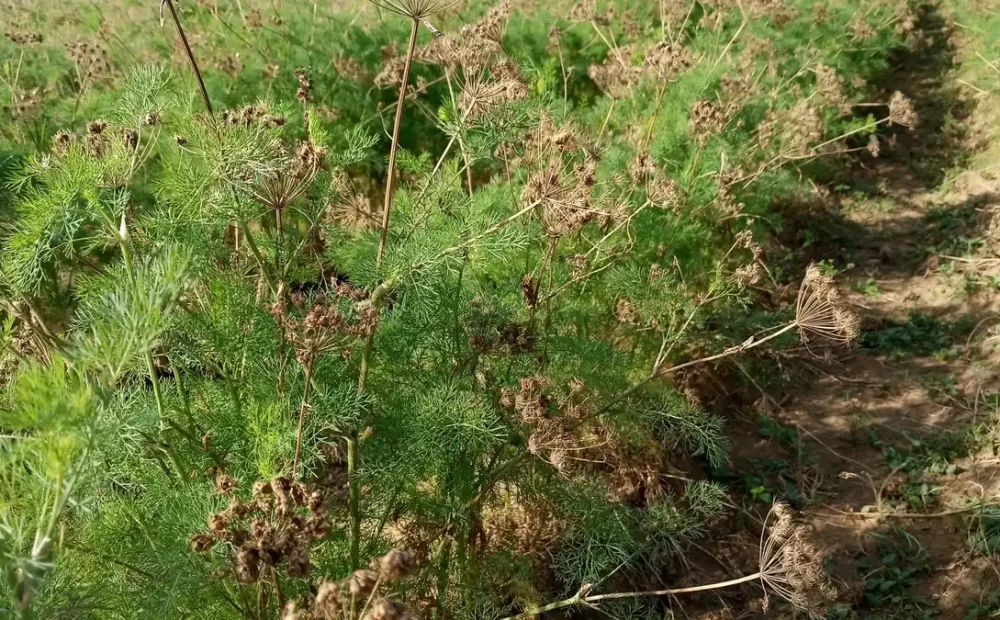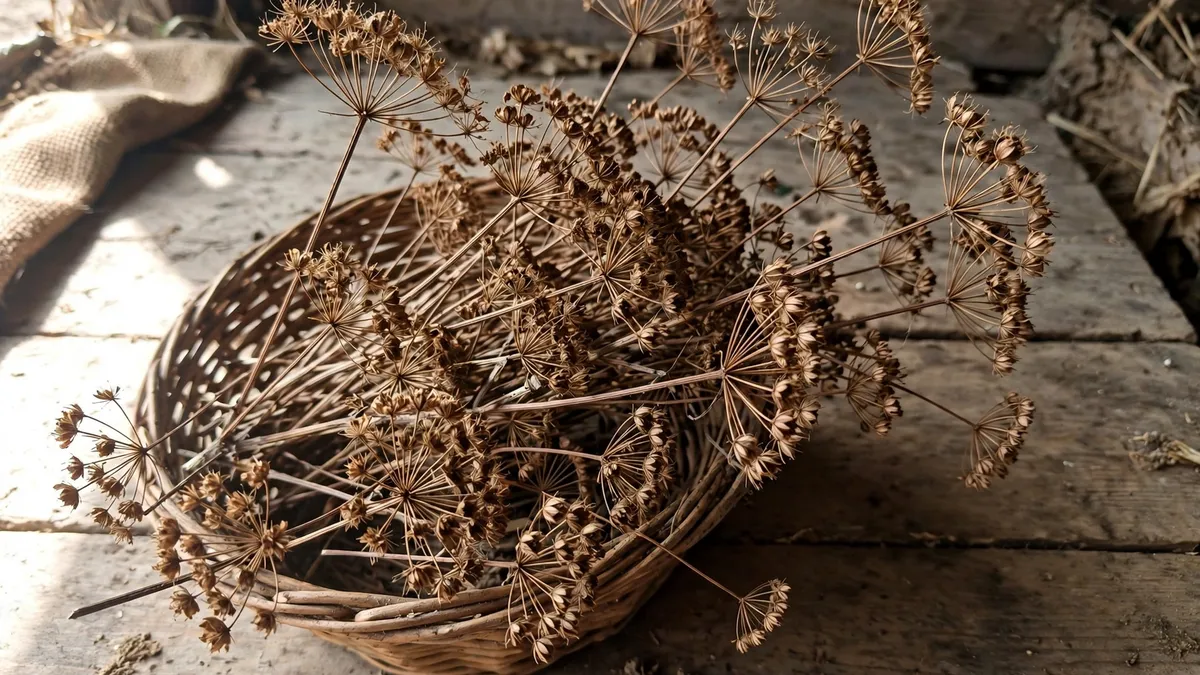

A caraway farm escape is three to five nights on a working seed farm at threshing time, with the umbels coming down in the morning and the rye bread coming out of the oven in the evening. It is a slow trip, built around the second year of a two-year plant, long barn afternoons while the seed dries, and suppers where the harvest sits in the bread on the table. Nothing about it moves quickly, and that slowness is the whole point.
The trip works best when you plan it around the plant, not the date on the calendar. Caraway spends its first year as a rosette of leaves with nothing to show for it, and only in its second summer does it flower and set seed. A farm that names its threshing week a month ahead is worth more than a farm with a prettier website, because the dates are what decide whether you see the harvest at all.
Below are nine steps to plan a caraway farm escape in 2027, from choosing the second-year field first to packing the seed you bring home. Work through the steps below in order, one at a time, and leave the flights until the farm’s dates are fixed.
Key takeaways
- Visit a second-year field only, because a first-year field grows leaves and roots, and no seed at all.
- Let the farm name its threshing week first, and only then book flights and rooms.
- Cut the umbels when they turn brown, hang them in the barn, and thresh only once the seed rattles.
- Fresh umbels wilt and crush in a suitcase, so the souvenirs worth carrying home are dried seed in paper packets.
- Caraway itself is naturally gluten-free, but farm kitchens bake rye bread every morning, so tell the farm about your diet when you book.
What a caraway farm escape involves
A caraway farm escape is a stay on a working seed farm during the second-year harvest, with a room on the farm and meals from the farm kitchen. The days follow the seed. You are out in the rows in the morning while the umbels are cut, back at the barn by midday to see them hung, and at the table in the evening while the kitchen puts the day’s seed into the rye bread, the sauerkraut, and the cheese. The farm is growing caraway for its bakers, and your stay runs alongside the real harvest.
The work is light but real. Cutting caraway means walking the rows with a sickle, taking the brown umbels and laying them in bundles for the barn. Drying means hanging the bundles where the air moves, and waiting until the seed rattles in the hand. Guests may join both, but the crew sets the pace, and the farm’s own harvest always comes first. The work is gentle enough for a first-timer, and the farmer shows you the cut before handing you the sickle. The evenings are built around the table, and that is where the trip shows its value.
How to plan it, and what to ask first
Start from the plant, not from the map. Decide whether you want the cutting, when the umbels come down, or the threshing, when the seed is beaten out of the dried heads, because the two happen a week or two apart. The cutting trip is green and busy, with the barn filling fast. The threshing trip is slower, with the barn full of drying bundles and the spice merchants calling. Trying to do both in one week rarely works, because the drying takes time.
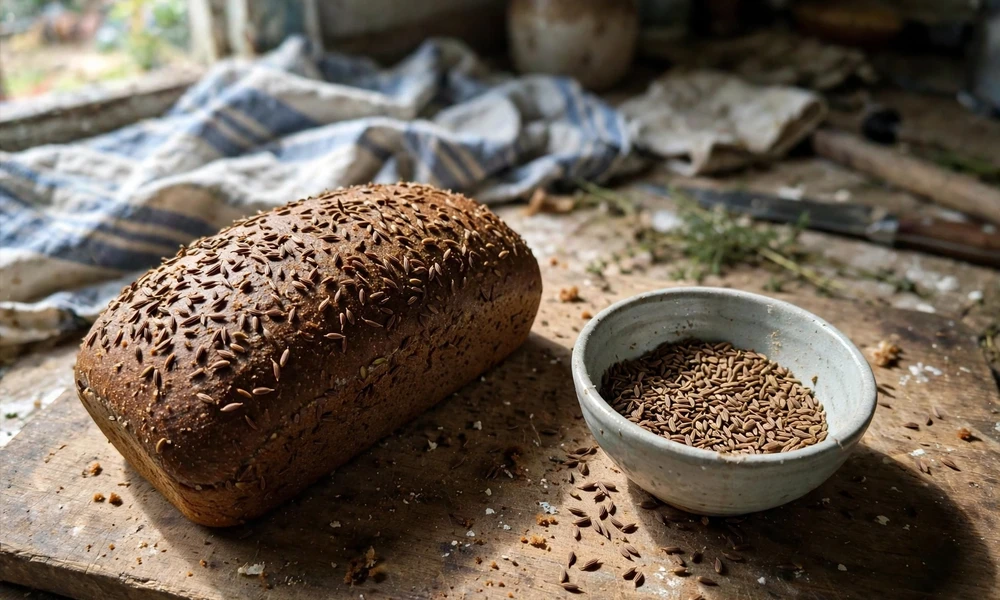
Once you have chosen, write to the farm with three questions. Which year is the field in, and which week does it cut the umbels. Whether the kitchen bakes with its own caraway, or buys seed in. And how the kitchen deals with flour and bread, if you eat gluten-free. A farm that answers all three plainly is a farm that knows its own season. Our guide to the rye farm escape opens with the same three questions, and they save more trips than any packing list.
The 9 steps to plan a caraway farm escape
Anchor the whole trip on the second-year field
What to do: Ask the farm which of its fields is in its second year, and choose the region that harvests it best, because only a second-year field carries seed. What to avoid: Picking a farm on price and arriving at a field of first-year rosettes. Best for: Travellers who choose by the harvest, not the price. Time needed: An evening spent with the farm’s sowing notes and kitchen menus. Standout tip: A farm that plants a new field every year always has a second-year field to show you.
No bookings until the farm has named the threshing week
What to do: Wait for the farm to fix its threshing dates, usually a month ahead, and only then book flights, trains, and ferries around them. What to avoid: Booking a cheap flight first and finding the farm threshes a fortnight later. Best for: Travellers who would rather shift a flight than miss the threshing. Time needed: A week of messages back and forth while the dates settle. Standout tip: Ask the farm to hold the room until the threshing week is fixed, and most will.
Know a ripe umbel by sight before you pick up a sickle
What to do: Learn the shape of a ripe umbel before you go out: a flat head of small brown seed, dry to the touch, that rattles when you shake it. What to avoid: Cutting green umbels, which never ripen properly once they are down. Best for: Hands-on travellers who want to cut, not watch. Time needed: Ten minutes of the farmer’s time on your first morning. Standout tip: A head that rattles is ready, and one that bends is not.
Cut brown heads only, and pass the green ones by
What to do: Cut only the umbels that have turned brown, and leave the green ones standing for another week, so the whole field ripens in its own time. What to avoid: Stripping a row bare in one pass, which takes green seed with the ripe. Best for: Travellers hoping the farm asks them back next year. Time needed: A morning in the rows, cutting at the pace the farmer sets. Standout tip: Count the brown heads before you cut, and the field will do the rest.
Hang the bundles where the barn air moves, then thresh
What to do: Hang the bundles in the barn where the air moves, and wait until the seed is dry enough to thresh, usually a week or two. What to avoid: Threshing heads that are still damp, which gives seed that spoils in the jar. Best for: Travellers who want to understand the whole plant, not just the cutting. Time needed: Half an hour in the barn, learning the drying from the farmer. Standout tip: A bundle hung loosely dries in a week, and one packed tight rots in three days.
Cut at dawn, while the dew keeps the seed in the head
What to do: Go out with the cutters at first light, while the dew is still on the umbels and the seed holds tight to the head. What to avoid: Cutting at noon, when the dry heads shatter and the seed falls in the rows. Best for: Travellers up before dawn, when the farm is at its liveliest. Time needed: Two hours before breakfast, out with the crew. Standout tip: The umbels cut at dawn keep their seed, and the ones cut at noon scatter it.
Judge the seed by the rye loaf it went into
What to do: Ask for the farm’s rye bread at the first supper, and taste how the caraway sits in it, because the loaf is where a farm’s seed proves itself. What to avoid: Filling up on cheese before the bread arrives, and missing the flavour the trip is about. Best for: Travellers who judge a farm by what its kitchen serves. Time needed: One evening meal, taken slowly. Standout tip: The loaf baked with last year’s seed tells you more than any tour of the fields.
Sort caraway from cumin by shape, ridge, and smell
What to do: Ask the farmer to show you caraway and cumin side by side, and learn the curve, the ridge, and the scent that set them apart. What to avoid: Buying seed from a market stall without knowing which of the two you are holding. Best for: Travellers who cook with spice at home. Time needed: Fifteen minutes at the farm shop with the farmer. Standout tip: Caraway is curved and cool, cumin is straight and warm, and the nose knows before the eye does.
Take seed home in paper, and leave the umbels on the farm
What to do: Buy the farm’s own dried caraway in paper packets at the farm shop, and pack them in your case for the journey home. What to avoid: Carrying fresh umbels through customs and airports, where they wilt and are often taken away. Best for: Travellers who bake with caraway all year. Time needed: Fifteen minutes at the farm shop before you leave. Standout tip: Seed from the farm you visited will flavour your rye for a year, and the story comes free.
Picking the right season and region
For the deepest caraway flavour, travel in late summer, when the umbels turn brown and the seed rattles in the hand. Satakunta and Kashubia are the kindest first choices, with long threshing weeks and kitchens that bake with caraway every day. For the wildest setting, South Iceland is the farm to choose, where the seed is gathered on lava fields and the bread is baked in the hot ground.
If you want the trip to feel like a holiday as well as a farm visit, Latgale and Viljandi are the regions to pick, with the lakes close by and the days built around the water as well as the fields. If you want the most caraway for your money, Regina and Grodno are the farms to choose, where the seed is a staple crop and the kitchen feeds you like family. The farm shop sells the seed it dried, and the kitchen sends you home with a loaf of rye if you ask. Ask at the shop for the seed the farm threshed that very week, because it is the freshest you will find anywhere. Our guide to the dill farm escape uses the same season-first logic, and it holds here too: pick the harvest, and the region follows.
The caveats that matter
The harvest answers to the weather, and caraway answers slower than most crops, because the seed only comes in the second year. Rain at the wrong week can rot the umbels on the stalk, and a dry summer can leave the seed small and light. A farm can lose its threshing week to a single storm, and a late cold snap can hold the whole season back by two weeks. None of this is the farmer’s fault, and a good farm will tell you the day the dates change. Pick a stay that lets you change the week without losing the deposit, and listen to the farm’s forecast rather than the one on the news.
| Detail | What is known |
|---|---|
| Best seed season | Late summer of the second year, when the umbels turn brown |
| When to cut | When the umbels are brown and the seed rattles in the hand |
| When to book | After the farm names its threshing week, usually a month ahead |
| What to pack | Gloves, boots, paper bags for seed, and room for a rye loaf |
| Who should check first | Anyone with a celery-family allergy, and anyone who eats gluten-free |
| What to avoid | Cutting green umbels, and threshing before the heads are dry |
| How it travels | Dried seed in paper packets, never fresh umbels, which wilt and crush |
| What it does not do | It does not keep its scent if stored damp, so keep the packets dry |
Caraway is also easy to confuse with cumin, its warmer cousin in the spice trade. From a distance the two seeds look the same, yet cumin seeds are straighter and paler, with a warm, earthy scent, while caraway seeds are curved and ridged, with a cool, sharp, faintly aniseed one. A farm that grows caraway will show you the difference in the field, and it is worth learning before you buy, because the two seeds cook very differently. Our guide to the coriander farm escape carries the same warning about lookalike crops, and the lesson is the same: trust the farmer’s eye, not the photograph.
Checklist: before you book a caraway farm escape
Go over these checks before you pay, and again the week before you travel.
- Check the year: confirm the field is in its second year, because a first-year field has no seed.
- Check the dates: wait for the farm to name its threshing week, then book flights around it.
- Check the kitchen: ask whether the farm bakes with its own caraway, and how it handles flour.
- Check the room: make sure the bed is on the farm itself, not in a village an hour along the road.
- Check the shift: make sure the week can change without costing you the deposit if the season slips.
- Check the bag: pack paper bags for seed, gloves for cutting, and room for the rye loaf you will bring home.
Frequently asked questions
Is a caraway farm a good trip if you eat gluten-free?
Yes, if you tell the farm when you book. The seed itself carries no gluten, and the fish, potatoes, and pickles on the table are generally safe. The trouble is the rye bread baked fresh each morning, so ask the farm how it keeps it away from your plate.
How far ahead should I book a caraway farm stay?
Book the room as soon as the farm names its threshing week, usually a month ahead, and earlier for the small farms in Iceland and Latvia. The seed season is short, and the best weeks go first. Hold off on flights until the farm has fixed its dates.
What goes in the bag for caraway country?
Paper bags for the seed, gloves for cutting, sturdy boots for the rows, and a layer for the cool mornings. Leave room in the case for the dried caraway packets and the rye loaf you will bring home from the farm shop.
Do caraway farms welcome children?
Most do, if the children are old enough to keep up with the crew and stay out of the cutting rows unless invited. The work is gentle, and the farms are used to families, but the threshing crew cannot watch a small child and cut at the same time, so ask the farm first.
What is worth bringing home from a caraway farm?
The farm’s own dried caraway in paper packets, which keeps for a year and carries the flavour of the trip. Fresh umbels wilt within hours and are often taken at customs, so leave them behind and buy the seed instead.
How much does a week on a caraway farm run to?
Rooms on these farms run from $65 to $380 a night, depending on the region, so a week with meals generally falls between $600 and $2,800. The lower-priced farms in Finland and Estonia are the best value, and the higher-priced stays in Iceland and Saskatchewan include more meals and guiding.
The bottom line
A caraway farm escape fits travellers who like their food to come from the field they are standing in, and who are happy to let the farm set the day. The seed is simple, the season is short, and the best trips are the ones where you cut in the morning, eat at noon, and learn the plant properly.
Decide the cutting or the threshing first, wait for the farm to name its week, and pack paper bags for the seed. The packets you bring back will flavour your rye for a year, and the mornings in the rows will stay with you longer.