
A rye farm escape is a holiday built around a harvest. You choose a farm, you choose a week, and you spend two to five nights sleeping in a farmhouse room, eating dark bread made from rye cut that week, and joining the work of the season. The days start early, the evenings end in the bakery, and the grain you helped to cut comes back to you as rye bread, flatbread and, on some farms, whisky. It is a slow holiday, and slowness is the point.
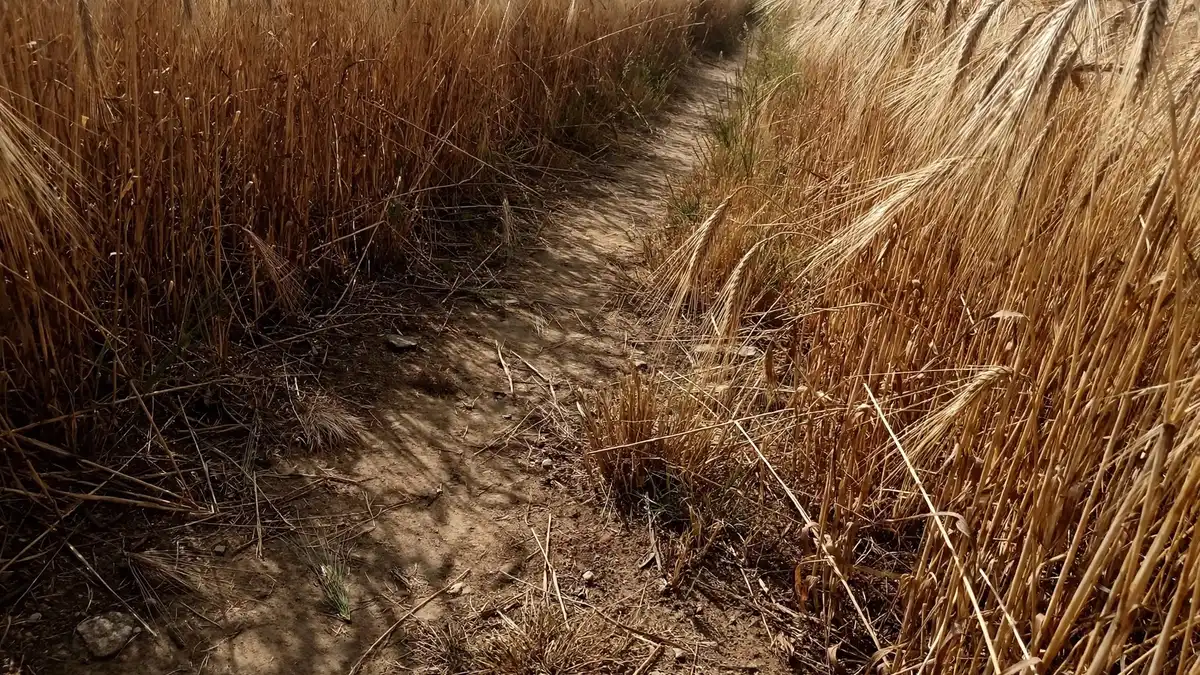
Rye suits this kind of trip better than most grains. It grows in thin soils and short summers, in Lithuania, Latvia, Norway and the northern prairies, and the farms that grow it are small, family-run places where guests eat at the farm table and walk the fields with the farmer. The work is real but not punishing, and the food is dark, dense and generous.
This guide walks through the nine steps that turn a rye farm idea into a booked trip, from choosing the rye loaf you want to bake to calling the farm the week before you travel. Follow them in order and you will land on the right week, dressed for the work, with a farm that expects you.
Key takeaways
- Book the harvest week, not the calendar: the rye ripens when the weather allows, and the farm’s dates move with the rain.
- Choose the farm by its bakery and its still room, not by its photographs, and ask what the nightly rate covers before you pay.
- Rye contains gluten, so it is not safe for a coeliac traveller, and a rye farm kitchen bakes with wheat and rye side by side.
- Pack for dry straw and a draughty threshing barn, with closed shoes and a hat, not for a hotel weekend.
- No farm can guarantee a harvest on a set date, and a trip built around one cutting day can leave you facing a green field while the grain is still green.
What a rye farm escape involves
A rye farm escape is a stay on a working rye farm, usually two to five nights, where the farm is the reason for the trip rather than a backdrop. You sleep in a farmhouse room or a small guest cabin, eat meals made from the farm’s own grain, and take part in the work of the season, walking the rows, watching the combine take the crop, and seeing the grain dried, cleaned and stored for the mill, the bakery or the still room.
The days follow the farm’s rhythm: early breakfast, field work in the morning, lunch in the kitchen or under a tree, and the mill, the bakery or a village walk in the afternoon. Evenings are for supper at the farm table, and for the dark bread, flatbread and whisky that the farm is proud of.
Most of these farms host fewer than a dozen guests at once. The rooms are simple, the showers are shared on some farms, and the heat comes from a stove rather than a thermostat. In return you get a bakery that bakes with grain cut that week, and a farmer who knows the fields by name.
How to plan it and what to look for
Start from what the grain becomes, not from a pin on a map. Decide whether you want dark bread, flatbread, pumpernickel or the whisky itself, and let that choice narrow the farms, because a farm that distils whisky is a different trip from a farm that bakes bread.
Seek a farm that answers questions in plain language. A good farm will tell you the harvest week, what the nightly rate covers, what the bakery cooks, and what happens if the grain is still green when you arrive. A farm that sidesteps those questions will sidestep them again once you are standing in the yard. Our guide to planning a barley farm escape applies the same check, and it is the simplest way to tell apart two farms that look alike on paper.
The 9 steps to plan a rye farm escape
Pick the rye loaf you want to bake first
What to do: Pick one loaf before you open a map: dark rye, pumpernickel, flatbread or crispbread. Let that loaf choose the farm, because a farm that steams pumpernickel is a different trip from a farm that rolls flatbread. What to avoid: Choosing by photographs alone, which show the same golden fields everywhere. Best for: Travellers who bake at home and want a recipe to bring back. Time needed: One evening of reading before you search. Standout tip: Dark rye is the easiest loaf to learn and the hardest to get wrong.
Reserve a still-room tasting before you fix the dates
What to do: If whisky is on your list, book the tasting before you fix the harvest week, because still rooms take few visitors and the tasting days fill first. Ask whether guests can watch the rye go into the mash. What to avoid: Arriving to find the still room closed for the season, with no tasting on offer. Best for: Travellers who came for the whisky. Time needed: A single email exchange, a few days apart. Standout tip: A rye whisky tasting is best booked for the afternoon, after the field work is done.
Ask the baker to walk you through a bake
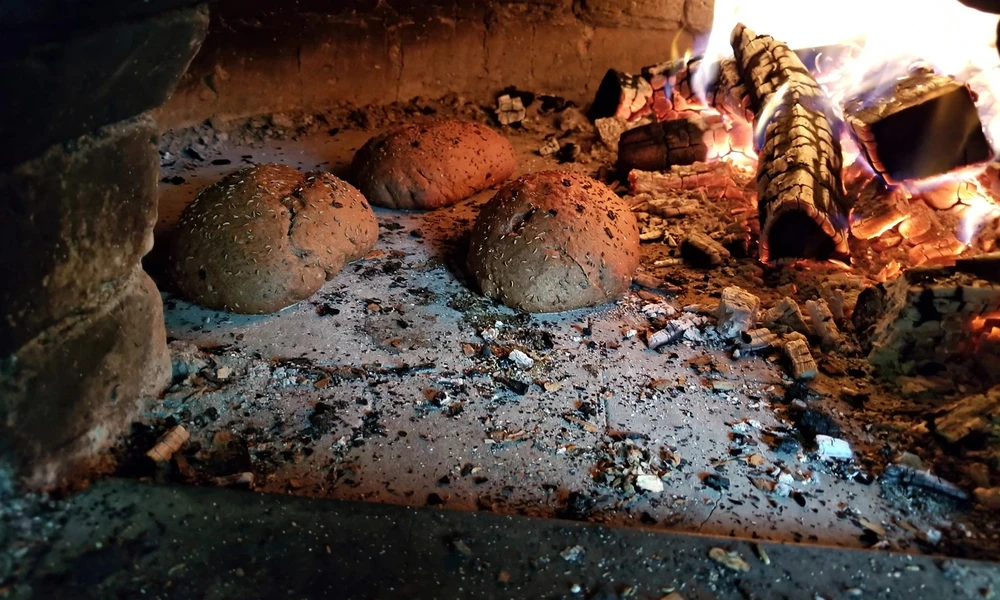
What to do: Ask the farm whether its bakery is working and whether guests can watch a bake. A working wood-fired oven is the heart of a rye farm, and an hour beside it teaches more than any book. What to avoid: Booking a farm whose oven is a display piece, with no bread coming out of it. Best for: Travellers who like craft and fire. Time needed: An hour at the oven, usually in the morning. Standout tip: Fresh rye bread smells malty and sour, and the baker will let you hold a warm loaf.
Bite a rye kernel to test whether the grain is ready
What to do: Learn the kernel test before you travel: a ripe rye kernel cracks cleanly between the teeth, while a green one bends and tastes milky. The farmer will show you the test in the field. What to avoid: Trusting a calendar date over the grain itself, which is the most common way a rye trip goes wrong. Best for: Travellers joining the field work. Time needed: Ten minutes in the field, most mornings. Standout tip: Ask the farmer to show you a green head and a ripe head side by side, so the difference stays in your memory.
Spend one day tasting every rye bake the farm makes
What to do: Eat the farm’s dark bread at breakfast, its flatbread at lunch and its pumpernickel with supper, all in one day, so you taste what the grain can do. Ask the baker how each one is made, and write the recipes down while you remember them. What to avoid: Eating in the nearest town instead of at the farm table, which misses the whole point of the stay. Best for: Travellers who came for the cooking. Time needed: One full day, from breakfast to supper. Standout tip: The dark bread is best on the morning the rye was cut, so ask which day that is.
Follow the farmer through the rye at sunrise
What to do: Walk the field rows with the farmer before breakfast, when the light is low and the dust is still settled on the grain. The farmer will point out which heads are ready and which need another week, and the walk is the best hour of the trip. What to avoid: Sleeping through the morning walk, which is when the farm is at its most peaceful and beautiful. Best for: Early risers and anyone with a camera. Time needed: One hour before breakfast, most mornings. Standout tip: Carry a notebook, because the farmer will name varieties you will forget by lunch.
Pick up rye flour at the market in town
What to do: Spend an afternoon at the market in the nearest town, buying rye flour, dark bread and crispbread from the stalls beside the locals. The market shows you what the region bakes with its rye, and the stallholders will tell you how they use it. What to avoid: Buying souvenirs instead of food, which will not travel home as well as flour does. Best for: Travellers who like markets and baking. Time needed: One afternoon, usually market day. Standout tip: Rye flour keeps for months, so buy a bag for your own dark bread at home.
Bring a jar of rye starter home in your luggage
What to do: Ask the baker for a jar of the farm’s rye starter before you leave, and carry it home in your luggage. A starter travels well, keeps for years with feeding, and makes a loaf that tastes of the trip. What to avoid: Buying whisky to carry home in hand luggage, which will not pass the security check. Best for: Travellers who bake bread at home. Time needed: Ten minutes on your final morning. Standout tip: A jar of rye starter is the best souvenir a rye farm sells.
Make one last call to the farm before departure
What to do: Ring the farm the week before you travel and ask three things: is the grain ready, is the bakery running, and is anything about the stay different from when you booked. A brief call catches the changes an email never shows. What to avoid: Arriving without a call, and finding the harvest moved a week or the bakery closed for a family event. Best for: Every traveller, with no exceptions. Time needed: Ten minutes on the phone. Standout tip: Ask the farmer what the weather did that week, and pack for it.
Picking the right season and region
If this is your first rye trip, go in late summer, when the grain hangs heavy and the days are long. Lithuania and Latvia ripen first, in August, and Norway follows into early September, so late August can catch the harvest in either place. Minnesota cuts in late July or August, while Poltava in Ukraine harvests in July, earlier than the Baltic farms.
If you want whisky, go to Minnesota, where the still room distils the farm’s own rye and the prairie runs flat to the horizon. If you want dark bread, go to Dzūkija or Vidzeme, where the bakery bakes it every morning and the ovens are wood-fired. Our guide to planning a sorghum farm escape puts it another way: pick the season the farm is proud of, not the one that suits your calendar.
If you want mountains, go to Transylvania, where the Saxon villages sit among hay meadows and fortified churches. If you want the sea, go to Saaremaa, where the windmills turn and the juniper fields run down to the Baltic.
The caveats that matter
The weather decides the rye harvest, and it decides late. A farm can only estimate the week, so a trip tied to one cutting day carries real risk.
| Detail | What is known |
|---|---|
| Best time to visit | Late summer in most regions, when the grain heads hang heavy and dark; the exact week moves with the rain |
| How long to stay | Two to five nights on most farms, with the harvest work in the long late-summer days |
| What the work involves | Walking the rows, watching the combine cut the crop, and seeing the grain milled, baked or distilled into whisky |
| Who should take care | Travellers with dust allergies, coeliac disease, or limited mobility on dry, uneven ground |
| What the kitchen serves | Dark rye bread, flatbread and crispbread made from the farm’s own grain, often with cheese, fish and vegetables |
| Gluten-free note | Rye contains gluten and is not safe for coeliac travellers, so do not treat it as a gluten-free grain |
| What to pack | Closed shoes, a hat, long sleeves for the sun, and clothes you do not mind getting dusty |
| What it does not do | It does not guarantee a harvest day, a set menu, or hotel-style service on a working farm |
If you have a dust allergy, coeliac disease, or a health condition that heat makes worse, talk to the farm before you book. A short question about the kitchen and the bakery before you book can save you a hard stay, and a farm that answers it plainly is usually worth the visit. Our guide to planning a millet farm escape closes on the same advice.
Checklist: before you book a rye farm escape
Use these checks before you book, and again the week before you travel.
- Ask the farm to confirm its harvest week in writing, and learn what happens if the rye is still green when you arrive.
- Ask what the nightly rate covers: supper, lifts and guided walks belong in the price, not on the bill when you leave.
- Ask what the kitchen serves and whether it can manage a dairy-free request or a guest who avoids gluten.
- Ask about the bedroom before you book: farmhouse rooms are simple by nature, so check the bed, the shower and the heating ahead of time.
- Pack for dry straw: closed shoes, a hat, long sleeves, and clothes you can rinse clean.
- Keep a free day at the end for the nearest town, so a shifted harvest still leaves a good trip behind.
Frequently asked questions
When should I book a rye farm stay?
Book as early as you can, because rye farms take fewer than a dozen guests at once and the harvest weeks fill first. Three months ahead is a safe window for August, and six months is safer for the most popular farms in Lithuania and Norway. Late bookings can still land in September, when the farms run quieter.
What level of fitness does rye harvest work need?
You need to be able to walk on dry, uneven ground for an hour or two, and to stand for most of a morning. The work itself is light: walking the rows, carrying sacks, watching the combine, and helping at the bakery. Nobody expects you to lift like a farmhand, and most farms will find lighter work if your knees or back ask for it.
What happens if the rye harvest moves after I book?
The farm will usually offer you a different week, or a stay built around the mill, the bakery and the kitchen instead of the cutting. Settle this when you book, so the farm’s policy is clear before the weather changes it.
Can I drink rye whisky if I avoid dairy?
Yes, rye whisky is dairy-free by nature, and it is one of the reasons rye farms with a still room have become popular in the last decade. Most farms serve whisky only at a tasting, and the Minnesota farm distils it on site. Tell the farm about a dairy allergy before you book, because the kitchen may use butter and cream in its cooking even when the whisky is dairy-free.
Is there a reason to visit a rye farm outside harvest?
Yes. Spring brings green fields and lambs, and autumn brings the mill and the baking. The harvest is the busiest season, but the bakery bakes with rye all year, and a quiet week in October can be the better trip.
How much does a full week on a rye farm run to?
A full week on a rye farm usually runs from $455 to $2,660, depending on the farm, with nightly rates from $65 in Dzūkija to $380 in Transylvania. The rate usually covers a room, breakfast and supper, and a place in the harvest work. Flights, lifts and market shopping sit on top of that, so budget for them separately.
The bottom line
A rye farm escape is a slow, dusty, generous kind of trip, and it suits travellers who like dark bread, wood smoke and honest work more than travellers who want a hotel with a farm view. The grain is tough and the bakeries are warm, and the best stays are the ones where the farm feeds you from its own fields.
Fix the harvest week, not the date on your calendar, and ring the farm the week before you travel. If the rye ripens on time you will eat dark bread made from grain cut that week, and if it does not, the fjord, the forest or the village will still make the trip worth the journey.