Best Luxury Backpacks Brands: 7 Houses Worth the Investment in 2027
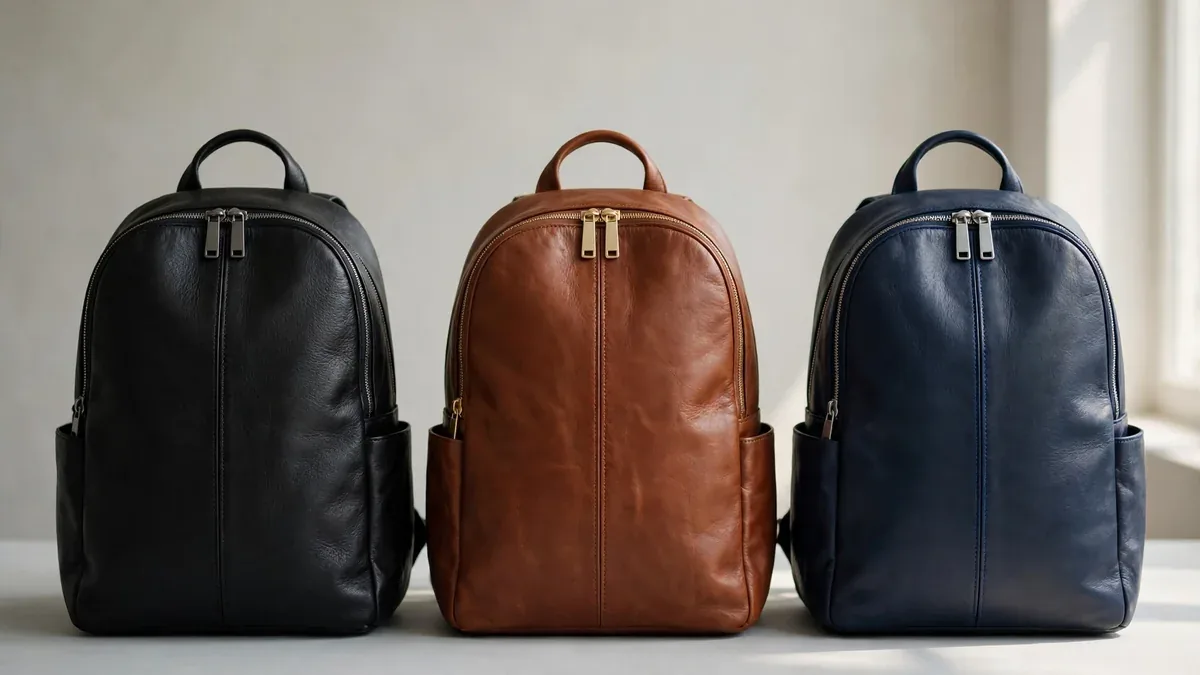
The best luxury backpacks brands have turned the most practical bag in fashion into one of its most desirable. A decade ago a backpack meant school or hiking; today the same silhouette arrives in full-grain leather, monogram canvas and hand-woven intreccio. As work, travel and everyday life have blurred together, the hands-free carry has become the default, and the great fashion houses have answered with backpacks as considered as any tote.
That rise has made choosing one harder. A luxury backpack is a serious purchase, often running from around $1,500 to well past $5,000, and the differences between houses are real: the leather, the construction, the hardware, and how the bag ages over five or ten years. Some brands build backpacks as a core part of their identity; others treat them as a seasonal accessory.
This guide covers the seven luxury backpack brands that deliver on materials, craftsmanship and long-term value in 2027. Each profile explains what the house does well and what to think twice about.
Key takeaways
- The best luxury backpacks brands pair a recognisable house identity with good materials: full-grain leather, coated canvas or hand-woven intreccio.
- Louis Vuitton, Gucci and Prada offer the widest range of luxury backpack styles, while Hermès and Goyard sit at the rarest and most understated end of the market.
- Comfort matters as much as looks: padded, adjustable straps and balanced weight separate a bag you carry daily from one that stays in the wardrobe.
- Resale value varies sharply by brand and style; monogram and logo-led designs from the biggest houses tend to hold value best.
- Caveat: no luxury backpack is a true hiking or heavy-load pack, and even the best leather will scuff and soften with daily use, so buy for how you actually live.
What this guide covers
This guide looks at the houses, not just individual bags. A brand earns its place here when it has a sustained track record with backpacks: multiple styles in current or recent collections, consistent materials and construction, and a service network that can repair a bag years after purchase. That last point matters: a luxury backpack is carried in rain, on trains and through airports, and the ability to have it repaired by the house is part of what the price buys.
Each of the seven brands below gets its own profile: the styles it is known for, the materials it uses best, and the trade-offs to weigh. If you are weighing a backpack against a more traditional investment piece, our roundup of bags that hold their value best is a useful companion, since the same logic about brand strength and resale applies here.
How we chose
We started with the houses with the deepest leather-goods heritage, then narrowed the list by what is actually available to buy in 2027. A brand made the cut only if its backpacks are made to the same standard as its handbags, with full-grain or coated materials, lined interiors and hardware that feels substantial rather than decorative.
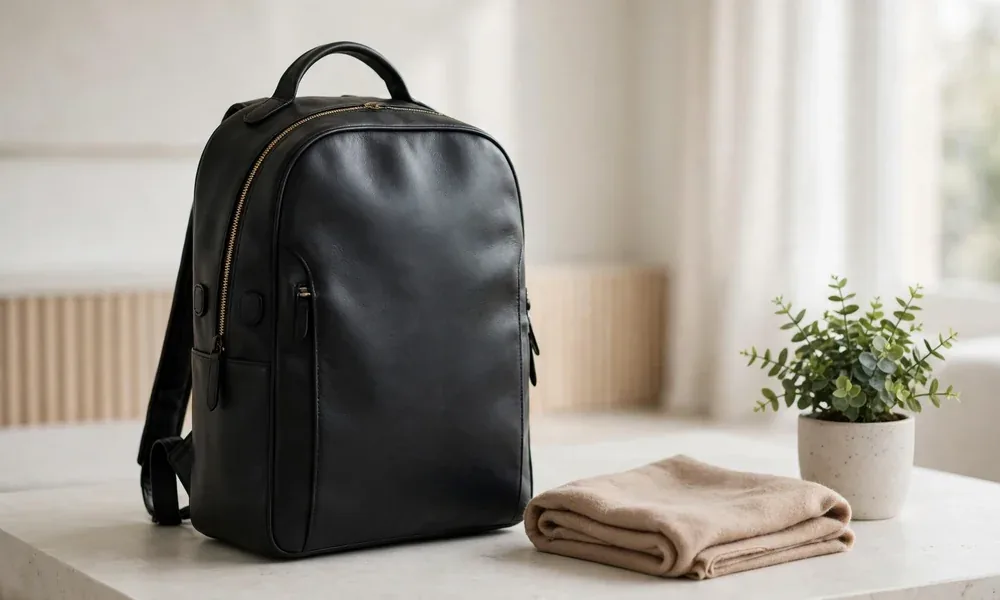
We also weighed practicality. A luxury backpack that cannot hold a 13-inch laptop, a wallet, a phone and a water bottle is a beautiful object with a narrow life, so capacity, pocket layout and strap comfort all counted. We also considered longevity — how the leather ages and how well each house’s styles hold value — because a backpack at this price should be a purchase you make once, not every season.
What to look for
Before the profiles, it helps to know what separates a good luxury backpack from an expensive one. The leather or canvas should feel dense and even, with no thin patches. Stitching should be tight and consistent, with no loose threads at stress points. Zips should run smoothly, and the hardware should have weight — hollow clasps are a warning sign. For a broader sense of how one bag can serve many roles, see our guide to versatile bags that do it all.
Louis Vuitton
What we like: No house has a deeper backpack catalogue. The Christopher is the modern icon — spacious and structured — while the Discovery covers the compact end, and coated monogram and Damier canvases are highly weather-resistant.
What to consider: The monogram is the most copied pattern in fashion, and it draws attention a plain leather bag never will. Full-leather versions cost far more than canvas.
Background: Vuitton began making trunks in Paris in 1854, and its backpacks are built like luggage: rigid structure, reinforced bases, hard-wearing hardware.
Caveats: Monogram styles hold value well but attract the most counterfeits, so buy only from the boutique or an authenticated reseller. The cowhide trim darkens with sun and rain.
Gucci
What we like: Gucci’s backpacks are the most expressive on this list. The Ophidia, with GG Supreme canvas and the green-red-green web stripe, runs from boldly logo-led to quietly elegant, and recent collections have improved interiors with padded laptop sleeves.
What to consider: Gucci’s aesthetic changes with its creative direction, so a strongly branded bag can look dated faster than a quieter design. The GG canvas shows wear at the corners before full leather does.
Background: Founded in Florence in 1921, Gucci built its name on leather goods and the equestrian details — the web stripe, the horsebit — that still define its backpacks. The Ophidia is a 1970s shape revived from the archives.
Caveats: Check the web stripe and GG pattern alignment at the seams; on a well-made bag the pattern meets cleanly. The lighter GG canvas shows scuffs and denim transfer more readily.
Prada
What we like: Prada’s backpack is the thinking person’s luxury backpack. Its Re-Nylon — regenerated nylon made from recycled materials — is light, water-resistant and practical, while Saffiano leather offers the most scratch-resistant finish here.
What to consider: Re-Nylon will never feel as sumptuous as full-grain leather, and some buyers find the nylon styles underwhelming at luxury prices. The minimalist design hides little wear, so Saffiano scuffs show as pale marks.
Background: Prada began as a Milanese leather-goods house in 1913, but its modern identity was shaped by the nylon backpack Miuccia Prada introduced in the 1980s, which arguably created the designer backpack category.
Caveats: Nylon stays looking new longer but can feel less special over time, while Saffiano is hard-wearing yet difficult to repair if deeply scratched. The Re-Nylon medium is the safest choice.
Hermès
What we like: Hermès makes the rarest backpack on this list, and arguably the best-crafted. The Hac à Dos is made in the same workshops, by the same artisans, as the Birkin and Kelly, and its stitching and hardware are the finest of any brand here.
What to consider: Rarity is the catch. The Hac à Dos is produced in small numbers, is not always available to order, and costs several times a Vuitton Christopher.
Background: Hermès has made saddles and leather goods since 1837, and the Haut à Courroies dates to the early twentieth century, when it was a bag for carrying riding gear. The backpack version is genuinely handmade by a single artisan.
Caveats: The price and scarcity make the Hac à Dos a collector’s piece first and a daily bag second. The softer leathers, particularly Clemence, will slouch and scratch with heavy daily use.
Saint Laurent
What we like: Saint Laurent’s backpacks are the sharpest-looking on this list. The City backpack, in smooth or grained leather with the YSL monogram, is a study in Parisian restraint: black leather, clean lines, and nothing unnecessary.
What to consider: The City is not large — it fits a small laptop at most — and its single compartment means organisation depends on the interior pocket and a little discipline. Smooth leather marks easily.
Background: Yves Saint Laurent founded the house in 1961, and its leather goods have always reflected the Rive Gauche idea: luxury that is worn, not displayed. The City borrows the monogram language of the house’s handbags.
Caveats: Grained leather is the practical choice over smooth calfskin for daily use; the two finishes age very differently. Resale is solid but trails Vuitton and Hermès, so buy the City because you love it.
Bottega Veneta
What we like: Bottega Veneta’s backpacks are the quietest luxury on this list. The intreccio — hand-woven strips of leather — is instantly recognisable to those who know it and invisible to everyone else, and the leather is among the softest here.
What to consider: The woven leather is more vulnerable to snagging than a smooth grain, and a caught thread can unravel if not repaired promptly. The soft leather also slouches when the bag is not full.
Background: Founded in Vicenza in 1966, Bottega Veneta built its identity on the intreccio weave, developed because its early sewing machines could not handle thick leather — a limitation turned into a signature.
Caveats: Keep intreccio away from sharp edges, and have any loose weave repaired by the house rather than pulling at it. Resale depends heavily on condition, since the weave shows wear honestly.
Goyard
What we like: Goyard’s backpacks are the most understated of the logo-led houses. The Saint Léger, in hand-painted Goyardine chevron canvas with leather trim, is light, spacious and quietly distinctive, and the coated canvas resists water and scuffs.
What to consider: Goyard has no online shop at all, so buying means visiting a boutique or a trusted reseller. Prices have risen steadily, and the Saint Léger now costs far more than comparable canvas backpacks.
Background: Goyard is the oldest house on this list, founded in Paris in 1853 as a trunk-maker, and it has remained deliberately small and family-owned. The Goyardine chevron has been its signature since the nineteenth century.
Caveats: The secondary market is full of fakes, so buy only from a Goyard boutique or a reseller with strong authentication. The hand-painted chevron varies slightly from bag to bag, which is normal, not a defect.
Background
The luxury backpack has a shorter history than the handbag, but it has moved fast. The first designer backpacks appeared in the 1980s, when Prada’s nylon version turned a schoolbag shape into a fashion object. The change came in the 2010s, as dress codes relaxed and the line between office, travel and leisure dissolved. Suddenly a bag that left both hands free was not a compromise but a preference, and the houses responded with the styles that define the category today.
What followed was a quiet competition in materials. Coated canvas is now engineered to a high standard by Vuitton, Gucci and Goyard, while the leather houses have pushed their tanneries to produce grains that are both beautiful and hard-wearing. Sustainability has entered the picture too, most visibly in Prada’s Re-Nylon. For a sense of how these houses are shaping what people carry more broadly, our roundup of the handbag trends defining 2027 shows where the backpack sits in the wider picture.
The caveats that matter
A luxury backpack is a wonderful object, but it is not right for every job. First, none of these bags is a true load-carrying pack: the straps are designed for a laptop, a book and a jacket, not for ten kilos of hiking gear. Second, leather darkens, softens and scuffs with use — the houses consider that character, not damage, but a pristine bag will not stay pristine. Third, size matters: too small frustrates within a week, while too large encourages overloading.
Weather is the other caveat. Coated canvas handles rain well; untreated leather does not, and a downpour can leave water marks on pale leathers. If you live somewhere wet, a canvas style or a treated grain is the practical choice. Finally, a luxury backpack is a theft target: a visible monogram announces its value, so in crowds keep the bag in front of you.
| Brand | Signature backpack | Key material | Best for | Price level | Watch out for |
|---|---|---|---|---|---|
| Louis Vuitton | Christopher | Monogram canvas / leather | Travel and daily use | High | Weight; most counterfeited |
| Gucci | Ophidia | GG Supreme canvas | Bold, expressive style | High | Trend-led designs date faster |
| Prada | Re-Nylon backpack | Re-Nylon / Saffiano leather | Light, minimal everyday carry | High | Nylon feels less sumptuous |
| Hermès | Hac à Dos | Togo / Clemence leather | Craftsmanship and collecting | Very high | Rare; long waits; soft leather marks |
| Saint Laurent | City backpack | Grained / smooth leather | Sharp, Parisian polish | High | Small capacity; smooth leather marks |
| Bottega Veneta | Intreccio backpack | Woven leather | Quiet, logo-free luxury | Very high | Weave can snag; soft structure |
| Goyard | Saint Léger | Goyardine canvas | Light, discreet travel | High | No online shop; fakes common |
Checklist
- Measure your laptop and check it fits the bag’s padded sleeve before you buy — a 14-inch laptop rules out several compact styles here.
- Try the bag on with weight in it and walk around the boutique: straps that feel fine empty can dig in once loaded.
- Inspect the stitching at the strap attachments and the base corners, where a backpack takes the most strain.
- Choose coated canvas if you walk in the rain regularly, and full-grain leather if you want a bag that develops character over years.
- Ask the boutique about repair and servicing before you buy, including turnaround times.
- Keep the receipt, the dust bag and any authenticity cards together from day one; they protect the warranty and the resale value.
FAQ
Which luxury backpack brand is the best overall?
There is no single best brand, because the right choice depends on how you will use the bag. Louis Vuitton offers the widest range and the strongest repair network, making the Christopher the safest all-round choice. Prada is the best pick for a light, minimal everyday bag, Saint Laurent for sharp tailoring, and Bottega Veneta for quiet luxury.
Are luxury backpacks worth the money?
They can be, if you choose well and use the bag often. A well-made luxury backpack in coated canvas or full-grain leather will last a decade or more with care, and the strongest brands hold a meaningful share of their value on resale. Cost per wear is the honest measure: a $3,000 bag carried 300 days a year for five years costs $2 a wear.
What size luxury backpack should I buy?
For most people, a medium backpack of around 20 to 25 litres is the sweet spot: large enough for a 13-inch laptop, wallet, phone and water bottle, without becoming heavy. Compact styles under 15 litres suit light days but struggle as a work bag, so measure your laptop first.
How do I spot a fake luxury backpack?
Buy from the boutique or a reputable reseller with independent authentication, and be wary of any price far below retail. On the bag, check that the pattern aligns at the seams, the stitching is even and tight, and the hardware has real weight. Spelling errors, flimsy zips and a chemical smell are all warning signs.
Can a luxury backpack be used for travel?
Yes, for light travel and as a personal item on flights — how most of these bags are designed to be used. A medium canvas backpack such as the Christopher or the Saint Léger fits under most airline seats and holds a laptop, documents and a change of clothes, but it is no substitute for a cabin suitcase, so pack light.
How should I care for a luxury leather backpack?
Keep it out of prolonged sun and heavy rain, store it stuffed with tissue in its dust bag, and wipe it with a soft, dry cloth after carrying. Condition smooth leather sparingly, once or twice a year, and test any product on a hidden area first. Have scuffs repaired by the house, and never machine-wash a leather or coated-canvas backpack.
The bottom line
The best luxury backpacks brands succeed because they treat the backpack as seriously as any handbag in their collection. Louis Vuitton, Gucci and Prada offer the broadest and most practical ranges; Saint Laurent brings polish at a more accessible level; Bottega Veneta and Goyard reward buyers who prefer discretion; and Hermès stands alone for craftsmanship and rarity. Whichever house you choose, the decision should rest on the material, the fit on your shoulders and the life you will ask the bag to live — not on the logo alone.
If you want one recommendation, start with the bag that fits your laptop, feels comfortable loaded, and looks right with the clothes you already own. Try it on in the boutique, load it with your real essentials, and walk around for ten minutes before deciding. A luxury backpack bought that way — for fit and function first, and for the house second — is the one you will still be carrying in five years.
Meet Our Experts
Our fashion editors and contributors cover luxury leather goods, accessories and the houses behind them, drawing on boutique visits, collection research and years of following the fashion calendar.
Why Trust BrassSmile
BrassSmile covers luxury fashion, beauty and lifestyle with a focus on pieces worth investing in. Our guides compare the houses on materials, craftsmanship and real-world use, and we update them as collections change so the advice stays current.
Sources
Louis Vuitton, Gucci, Prada, Hermès, Saint Laurent, Bottega Veneta, Goyard, Vogue, Harper’s Bazaar, Elle, Business of Fashion, Financial Times.