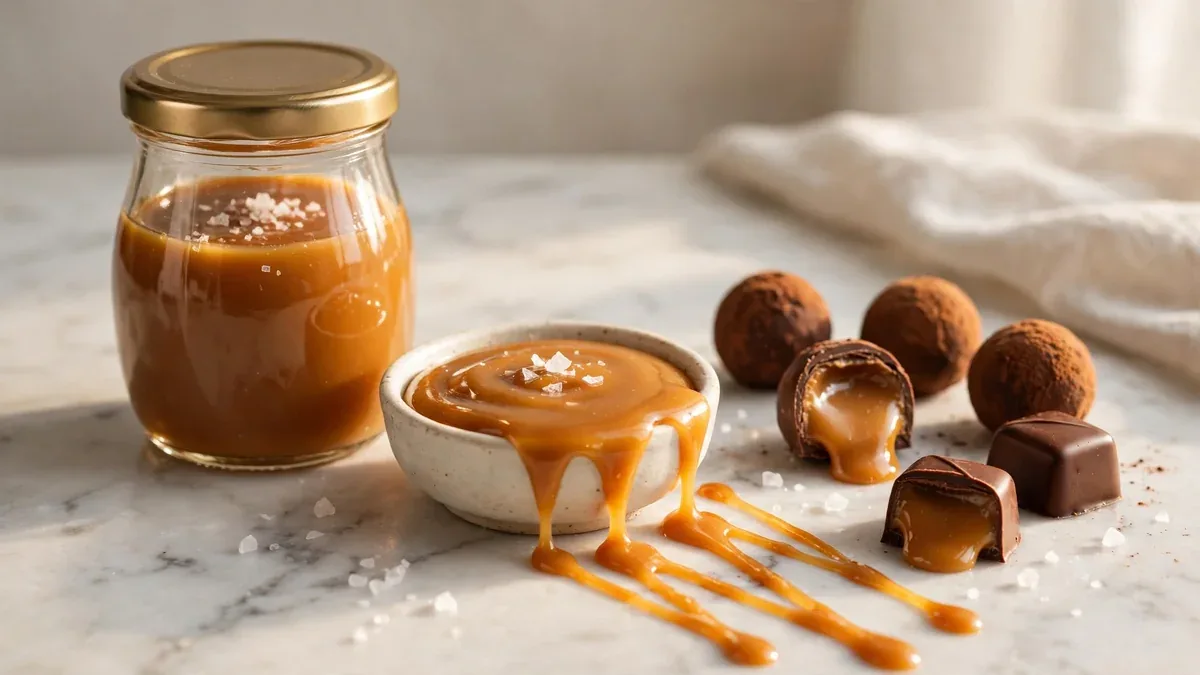

The best luxury caramel brands do not taste like the wrapped squares from a supermarket bag. They taste like butter that was browned slowly, sugar that was cooked just to the edge of bitter, cream that was added at exactly the right moment, and salt that was chosen to sharpen rather than overwhelm. The difference is not subtle. A mass-market caramel is sweet and one-note. A luxury caramel unfolds: first the buttery richness, then the deep, almost toasty sugar, then a whisper of vanilla or smoke, and finally a clean finish that makes you reach for a second piece.
That difference comes from ingredients and patience. Small-batch makers cook caramel in copper kettles, often in small runs, using real butter, fresh cream, and cane sugar rather than corn syrup. They finish each piece by hand, dip it in single-origin chocolate, and package it like the luxury food it is. The result costs more, often two to four dollars a piece, and it is worth it when the occasion calls for something genuinely special.
Below are nine makers worth knowing in 2027, each described by what it does best, what to watch for, and who it suits, so you can choose a box for gifting or a treat for yourself with confidence.
Key takeaways
- The best luxury caramel starts with real butter, fresh cream, and cane sugar, cooked slowly in small batches rather than made with corn syrup.
- Salted caramel should taste balanced, with salt sharpening the sweetness, not dominating it; smoked salt and fleur de sel are the two classic finishes.
- Chocolate-covered caramels keep longer and travel better than soft, unwrapped caramels, which are best eaten within two to three weeks.
- Expect to pay roughly two to four dollars per piece from a luxury maker, and buy the smallest box first when trying a new brand.
- No caramel, however well made, is a health food, and soft caramels are not a good choice for anyone with dairy or nut allergies unless the maker confirms a safe recipe.
What caramel actually is, and why luxury caramel tastes different
Caramel is sugar cooked until it turns amber, then enriched with butter and cream. That sounds simple, and the ingredient list is short, which is exactly why quality matters so much. There is nowhere for a cheap ingredient to hide. When a maker uses real butter, the caramel tastes round and rich. When a maker uses fresh cream, it stays soft and smooth. When the sugar is cooked a little further, to the edge of dark amber, the caramel picks up the toasted, almost coffee-like notes that separate a memorable piece from a merely sweet one.
Most supermarket caramel relies on corn syrup, which keeps it soft and shelf-stable but flattens the flavour. It is sweet, but it rarely tastes of anything else. Luxury makers usually skip corn syrup entirely, or use only a small amount, and instead control texture through cooking time and temperature. That is why a handmade caramel can be soft without being sticky, and firm enough to hold its shape without being hard.
Salt changed caramel more than any other single ingredient. A pinch of flaky sea salt, or smoked salt, does two things at once: it cuts the sweetness so you taste the butter and the cooked sugar more clearly, and it adds a tiny crunch that makes the texture more interesting. The salted caramel that dominates luxury boxes today was popularised by a handful of artisan makers in the 2000s, and it remains the benchmark. If a brand cannot make a good salted caramel, its fancier flavours are unlikely to impress either.
Chocolate is the other half of the story for many brands below. A caramel dipped in dark chocolate gets a bitter, snappy shell that contrasts with the soft centre, while milk chocolate makes it richer and sweeter. The quality of the chocolate matters as much as the caramel itself, which is why the strongest makers make their own or buy from respected single-origin suppliers.
What to look for in a luxury caramel brand
Start with the ingredient list. Real butter and cream should come first, followed by sugar, and ideally nothing you cannot pronounce. A short list is a good sign. A list full of corn syrup, artificial flavourings, and preservatives is a sign that the caramel was built for shelf life rather than flavour. Also look for the salt: fleur de sel, flaky sea salt, and smoked salt are all good signs, while plain table salt suggests a maker cutting corners.
Next, look at how the caramel is made and sold. Small-batch makers who cook in copper kettles and finish pieces by hand will usually say so, and they should. Check the box size and the price per piece, and check the shipping policy too, because soft caramels do not travel well in summer heat. A good maker ships with cold packs in warm weather and tells you honestly how long the caramel will keep. Our guide to the best chocolate in the world is a useful companion here, because the chocolate shell is half the experience when a caramel is dipped, and the makers who care about their chocolate tend to care about their caramel too.
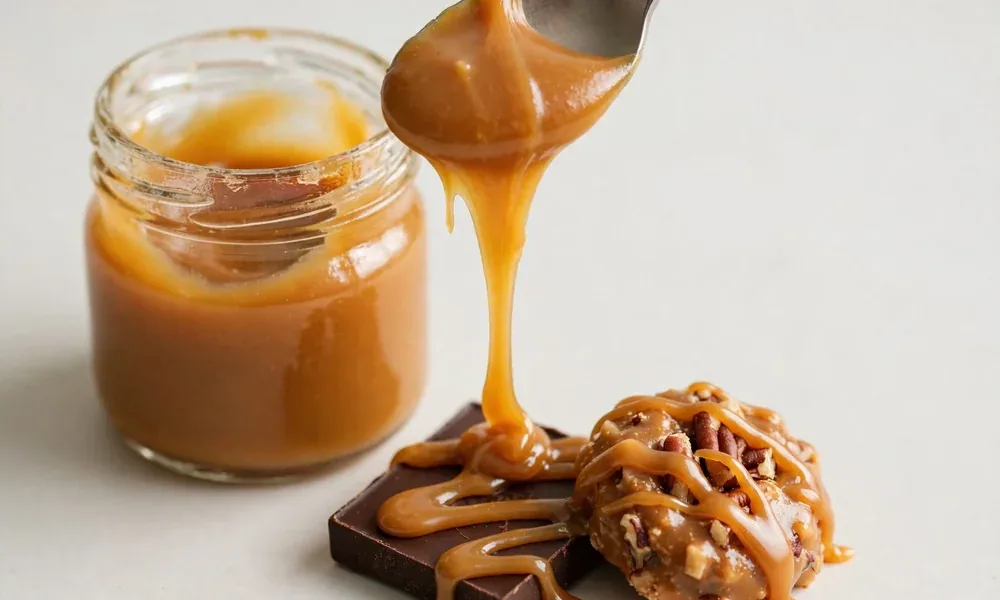
Finally, taste before you commit to a large box. Most of the brands below sell small boxes of six to twelve pieces, and that is the right way to try a new maker. Buy the classic salted caramel first, because it shows the maker’s skill more honestly than a flavoured variety. If the classic is excellent, the rest of the range is usually worth exploring.
Fran’s Chocolates
What we like: The Gray and Smoked Salt Caramels are the benchmark for the whole category: buttery, soft, and dipped in dark chocolate with a precise pinch of salt. The range is focused, the quality is consistent, and the packaging is elegant without being fussy.
What to consider: Premium pricing, and the classic caramels sell out around the holidays, so order early in November and December. Signature piece: Gray Salt Caramel, dark chocolate. Best for: First-time buyers and classic salted caramel lovers. Price range: Around three to four dollars per piece.
Recchiuti Confections
What we like: The Burnt Caramel is a standout, with a darker, more toasted flavour than most competitors, plus a thoughtful range of flavours including tarragon grapefruit and star anise. The San Francisco atelier has a long, respected history.
What to consider: The darker, more bitter edge of the Burnt Caramel will not suit everyone, and some flavours are seasonal. Signature piece: Burnt Caramel, dark chocolate. Best for: Adventurous tasters who like bitter notes. Price range: Around three to four dollars per piece.
Jacques Torres Chocolate
What we like: A New York institution with excellent chocolate-covered caramels, including salted caramel and a range of flavoured varieties. The chocolate is made in-house, which shows in the snap and the finish.
What to consider: The range is large, so it is easy to over-order; start with the classic salted caramel before exploring. Signature piece: Salted Caramel Bonbon. Best for: Chocolate lovers who want the shell to matter as much as the centre. Price range: Around two to four dollars per piece.
L.A. Burdick Chocolate
What we like: Elegant, European-style caramels with a refined sweetness, plus beautiful packaging that suits formal gifts. The Boston and New York shops have a loyal following for good reason.
What to consider: The style is more restrained and less buttery than the West Coast makers, which some tasters find too subtle. Signature piece: Classic Salted Caramel. Best for: Formal gifting and lovers of European-style confectionery. Price range: Around three dollars per piece.
Vosges Haut-Chocolat
What we like: Bold, creative flavour combinations, from bacon and smoked salt to curry and coconut, all built on good chocolate. The brand is unmistakable and fun.
What to consider: The wilder flavours can overshadow the caramel itself, so the classic varieties are a better test of quality. Signature piece: Smoked Salt Caramel. Best for: Gift buyers who want something memorable and unusual. Price range: Around three to four dollars per piece.
Norman Love Confections
What we like: Beautifully crafted caramels from a Florida chocolatier, with a smooth texture and a clean, buttery flavour. The presentation is among the best on this list.
What to consider: Shipping to warm climates needs care in summer, and the range changes seasonally. Signature piece: Salted Caramel. Best for: Presentation-led gifting and warm-weather occasions. Price range: Around three dollars per piece.
John & Kira’s
What we like: Small-batch caramels made with honey and real butter, with a soft, old-fashioned texture and flavours that feel homemade in the best sense. The honey caramel is genuinely distinctive.
What to consider: A smaller operation with limited availability, and the honey flavour will not suit purists who want a classic butter caramel. Signature piece: Honey Caramel. Best for: Fans of old-fashioned, honey-sweetened confectionery. Price range: Around two to three dollars per piece.
Christopher Elbow
What we like: Artful, hand-painted chocolates with excellent caramels inside, including salted caramel and seasonal varieties. The visual craft is exceptional.
What to consider: The artistry adds to the price, and the prettiest pieces are not always the best tasting, so choose by flavour first. Signature piece: Salted Caramel Bonbon. Best for: Design-led gifts and special occasions. Price range: Around three to four dollars per piece.
Compartés Chocolatier
What we like: A Los Angeles chocolatier with a wide caramel range, including salted caramel, caramel apple, and seasonal flavours, all in striking, modern packaging.
What to consider: The range is broad and the quality varies a little by flavour, so stick to the classics for a first order. Signature piece: Salted Caramel Chocolate Bar. Best for: Modern, stylish gifting and California-made treats. Price range: Around two to four dollars per piece.
How to taste caramel like a professional
Start with the classic salted caramel, at room temperature, and take a small bite rather than eating the whole piece at once. Notice the texture first: it should yield gently, not snap and not stick to your teeth. Then notice the flavour in order. Butter comes first, then the toasted sugar, then the salt, and finally the chocolate if the piece is dipped. A good caramel finishes cleanly, without a cloying sweetness that lingers.
Temperature matters more than most people realise. Caramel eaten straight from the fridge will taste muted and firm, while caramel left in a warm room can become too soft. Room temperature, around twenty degrees, is the sweet spot. If a box arrives cold, let it sit for an hour before tasting, and do not microwave it, which ruins the texture in seconds.
Pairing is simple and rewarding. Black coffee is the classic partner, because its bitterness balances the sweetness and cleans the palate between pieces. For an evening pairing, a small glass of bourbon or a tawny port brings out the toasted notes in a dark caramel, while a sparkling wine cuts through the richness. Keep portions small: two or three pieces with coffee is a tasting.
The caveats that matter
Luxury caramel is still caramel, which means it is sugar, butter, and cream. It is a treat, not a health food, and the price does not change that. Enjoy it in small portions, and do not mistake a short ingredient list for a light one. A single piece can contain a meaningful amount of sugar and saturated fat, so two pieces with coffee is a more sensible serving than half a box.
Allergies deserve a direct check. Most caramels contain dairy, and many are made in kitchens that also handle nuts, wheat, and soy. If you are buying for someone with an allergy, contact the maker directly rather than relying on the website, because recipes and shared equipment change. Soft, unwrapped caramels also have a shorter shelf life than chocolate-covered ones, so check the best-before date when the box arrives and store it in a cool, dry place, never in the fridge unless the maker says so. If you are giving caramel as a gift, our guide to the best packaging for homemade chocolate gifts has practical ideas for presenting a box beautifully.
| Detail | What is known |
|---|---|
| What makes it luxury | Real butter and cream, cane sugar, small batches, hand finishing |
| Best first taste | Classic salted caramel, at room temperature, before trying flavoured varieties |
| Typical price | Around two to four dollars per piece from an artisan maker |
| Shelf life | Chocolate-covered caramels keep for four to eight weeks; soft caramels two to three weeks |
| Storage | Cool, dry place, away from heat and sunlight; not the fridge unless the maker advises it |
| Who should check first | Anyone with a dairy, nut, wheat, or soy allergy, or anyone who is pregnant and avoiding unpasteurised dairy |
| Best pairings | Black coffee, strong black tea, bourbon, tawny port, or sparkling wine |
| What it is not | Not a health food, and not a substitute for a balanced diet, however short the ingredient list |
Heat is the biggest practical risk. Caramel softens quickly above twenty-five degrees, and chocolate shells bloom or melt in a hot delivery van. Order in cooler months when you can, choose a maker that ships with cold packs in summer, and avoid leaving a box in a car. If a box arrives melted, contact the maker: most reputable brands will replace a heat-damaged order.
Checklist: choosing a luxury caramel brand honestly
Use these checks before you buy, and again when the box arrives.
- Check the ingredients: real butter and cream first, cane sugar, and a short list with no corn syrup at the top.
- Check the salt: fleur de sel, flaky sea salt, or smoked salt, applied with restraint rather than poured on.
- Buy small first: a box of six to twelve pieces, starting with the classic salted caramel.
- Check the shipping: cold packs in warm weather, and a clear policy on heat-damaged orders.
- Check the date: note the best-before date on arrival, and eat soft caramels within two to three weeks.
- Taste at room temperature: let a chilled box sit for an hour, and pair two or three pieces with black coffee.
Frequently asked questions
What is the best luxury caramel brand for a first-time buyer?
Fran’s Chocolates is the safest first choice, because its Gray Salt Caramel is widely regarded as the benchmark. Buy the smallest box, taste it at room temperature, and use it as your reference point before trying other makers.
Why is luxury caramel so expensive?
It is expensive because it is made slowly, in small batches, from costly ingredients. Real butter, fresh cream, and good chocolate cost far more than corn syrup and compound coatings, and hand-dipping adds labour. You are paying for ingredients and time, not just a brand name.
How long does luxury caramel keep?
Chocolate-covered caramels usually keep for four to eight weeks in a cool, dry place. Soft, unwrapped caramels are best eaten within two to three weeks. Always check the date on the box, and do not refrigerate unless the maker advises it, because the fridge can dull the flavour and change the texture.
Is salted caramel supposed to taste salty?
No. Salt should sharpen the sweetness and bring out the butter and toasted sugar, not dominate the flavour. If a caramel tastes frankly salty, the maker has used too much, or the wrong kind of salt. A good salted caramel tastes more complex, not more salty, than a plain one.
Can I send luxury caramel as a gift by post?
Yes, in cooler months it travels well, especially chocolate-covered caramels. In summer, choose a maker that ships with cold packs and consider express delivery. A well-packed box, such as the ideas in our guide to chocolate luxury gifts, is designed to travel and makes the gift feel considered rather than rushed.
What is the difference between caramel and butterscotch?
Caramel is made from white sugar cooked until amber, then enriched with butter and cream. Butterscotch is made from brown sugar and butter, cooked to a lower temperature, giving it a softer, more molasses-like flavour. They are different sweets, and a maker that calls a butterscotch a caramel is cutting corners.
The bottom line
The best luxury caramel brands share the same discipline: real butter, fresh cream, cane sugar cooked with patience, and salt used to sharpen rather than overwhelm. Fran’s sets the benchmark for the classic salted caramel, Recchiuti rewards those who like a darker, more toasted edge, and Jacques Torres shows what a chocolatier can do when the shell matters as much as the centre. The rest of the makers on this list each earn their place by doing one thing distinctively well, whether that is honey, smoke, artistry, or presentation.
Start small, taste at room temperature, and let the classic salted caramel be your test. Buy a box of six or twelve, share it with coffee, and judge the brand on that first piece. When a caramel is made well, you will know within a single bite.