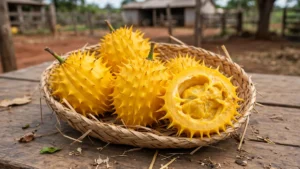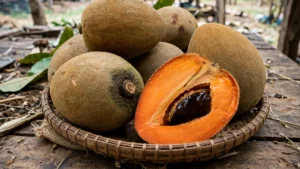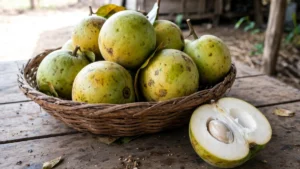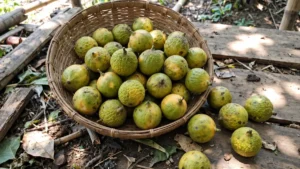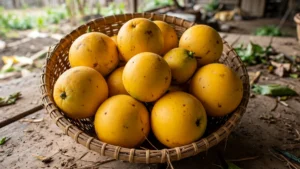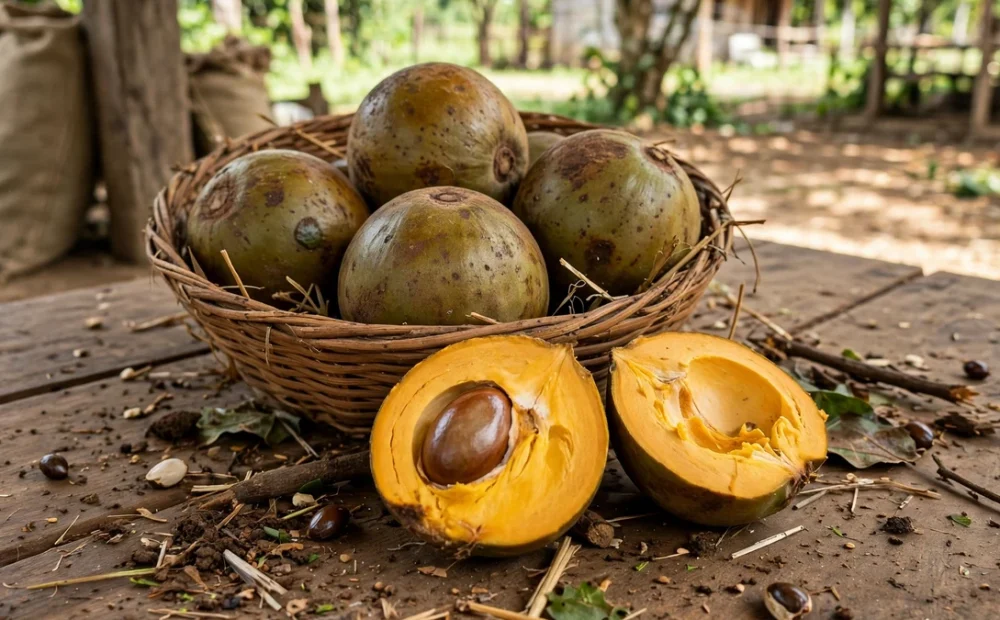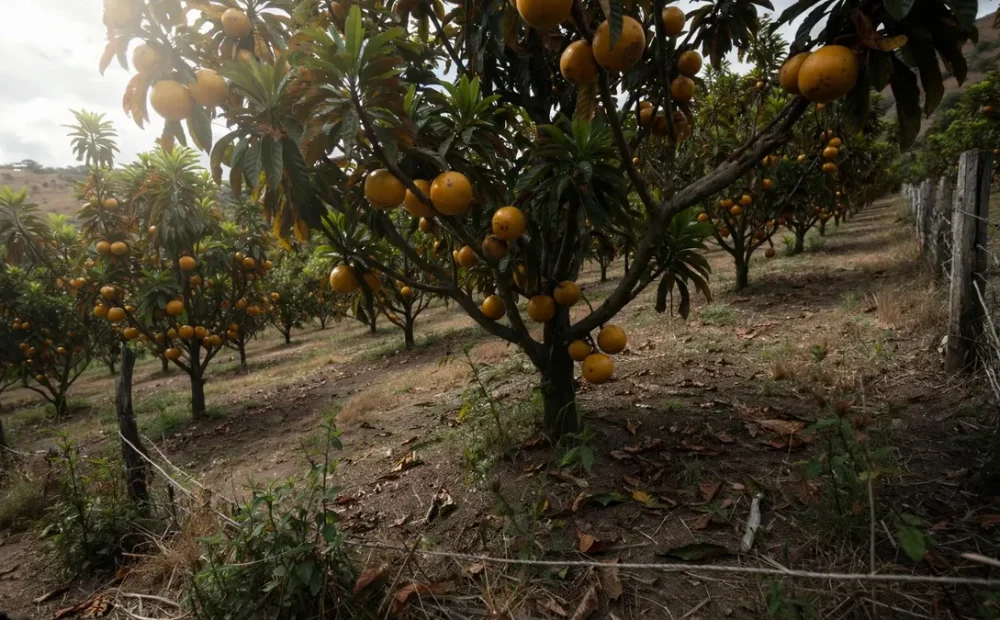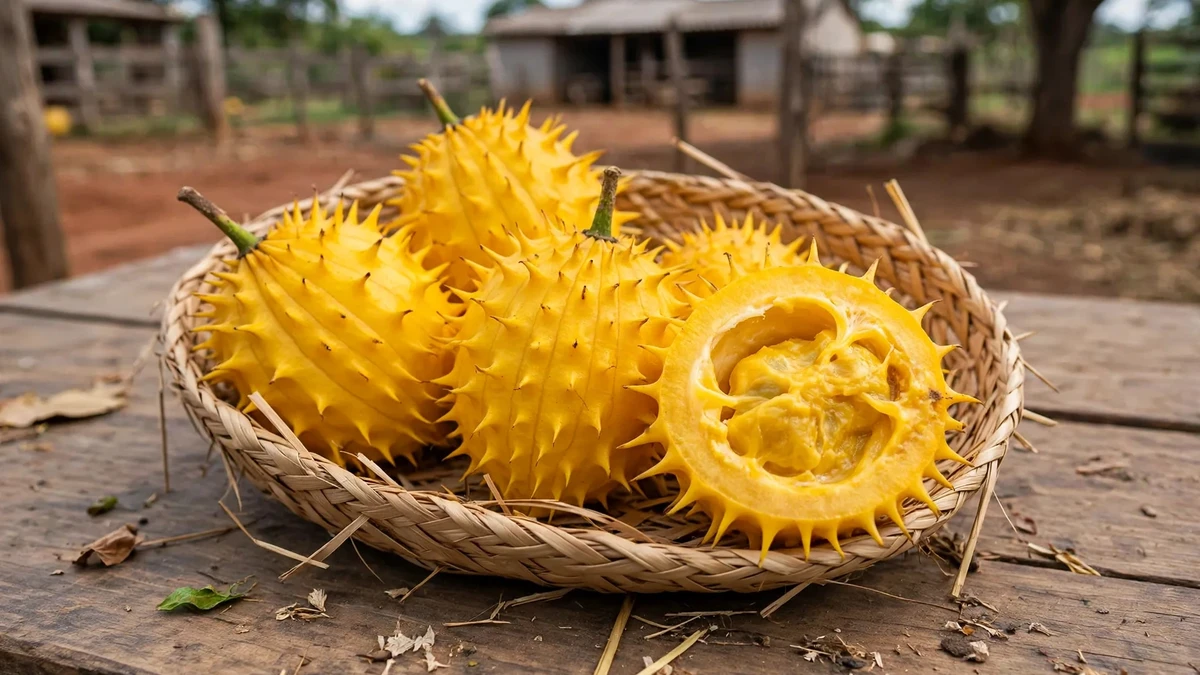
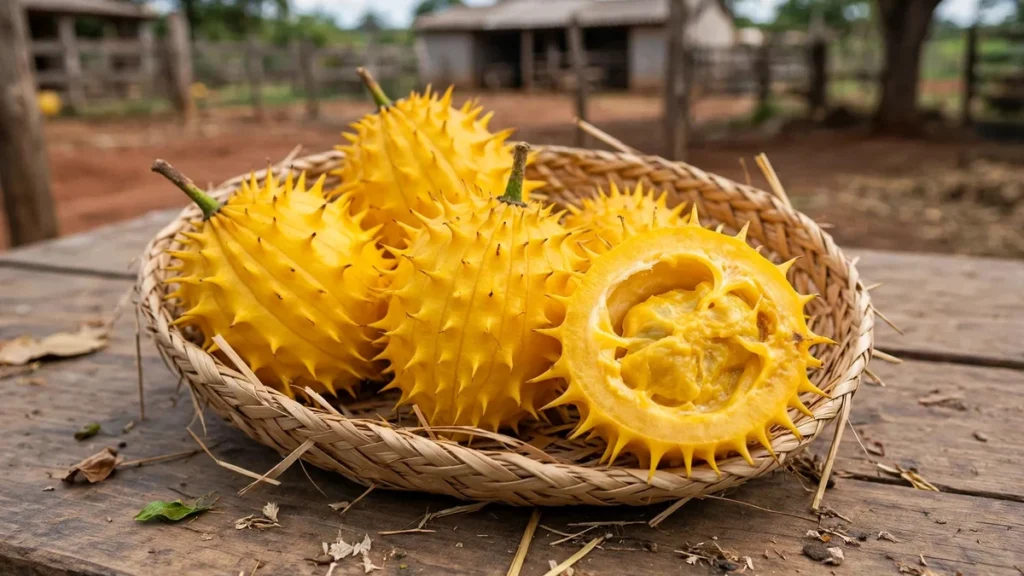
Pequi hands you a bold fruit and a brief season, so the trip round it needs planning. The fruit is yellow and spiky, its pulp rich and strong, and it ripens a few at a time through the rains. Come a week too early and the trees stand bare; come in the right week and the kitchen serves it fresh at every meal.
Plan by working backwards from the harvest. The trees bear in the rainy season, about November to February, and the window slides from one state to the next. The farms are small, the rooms are few, and the best stays fill while the fruit is still green on the branch.
The nine steps below run from picking the state to packing for the cerrado, so the trip lands inside the fruiting weeks instead of outside them.
Key takeaways
- Pequi bears through the rains, about November to February, and the state you pick fixes your dates.
- Hold the farm before you hold the flights: the best rooms are taken while the fruit is still green on the branch.
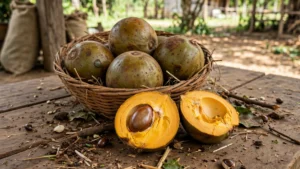
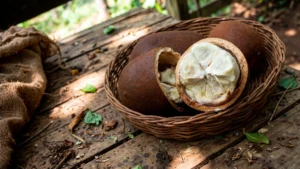
- A ripe pequi is deep yellow, gives a little under the thumb, and smells powerful at the stem.
- Work out what the price covers before you pay: walks, tastings, meals and lifts are commonly billed apart.
- Keep your teeth off the seed. Its spines cut, so work the pulp free with a fork and keep children away from the pit.
What a pequi farm escape actually is
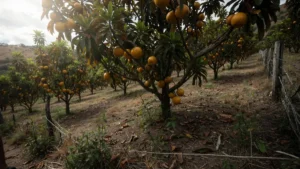
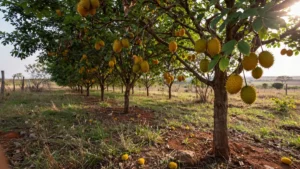
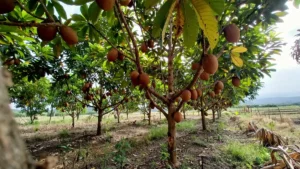
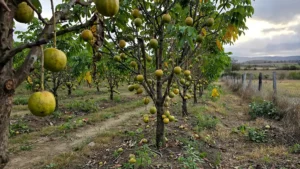
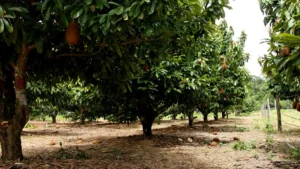
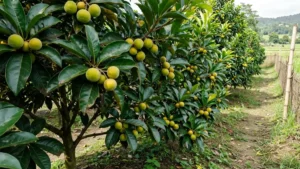
It is a short stay on a working farm in the cerrado where the fruit runs the day. The trees stand scattered across open grassland, the fruit is gathered by hand, and the kitchen serves whatever was picked that morning. The bedrooms are simple, the host is out on the land, and the harvest sets the hours.
This is no resort with a farm attached. The farm comes first and the guesthouse second, and the best stays are frank about what is fruiting and what is not. Inside the fruiting weeks the stay is all picking, tasting and cooking; outside them it is a quiet farm holiday with no fruit on the table.
Most escapes run three to five nights, which leaves time to walk the land, join a picking morning, and learn the kitchen’s way with the fruit.
A normal day begins before sunrise, with the host already out among the trees and a basket waiting by the door. After breakfast the morning belongs to the land: a walk through the grass, a basket of fruit picked together, and a tasting at the kitchen table. Afternoons move slower, with time to rest, read, or watch the kitchen turn the morning’s fruit into rice dishes and oil, and evenings are for the meal the host cooks from what the day produced. Our guide to planning a jackfruit farm escape runs the same way: the harvest fixes the dates, and the rest of the plan follows from that.
How to plan the trip, and what to ask first
Pick the state, then the dates, then the farm. Pequi bears through the rains in Goiás and Minas Gerais, with the peak sliding from one valley to the next, so a farm that fruited in December last year may fruit in late November this year. Ask the farm itself, and trust what it says over any calendar.
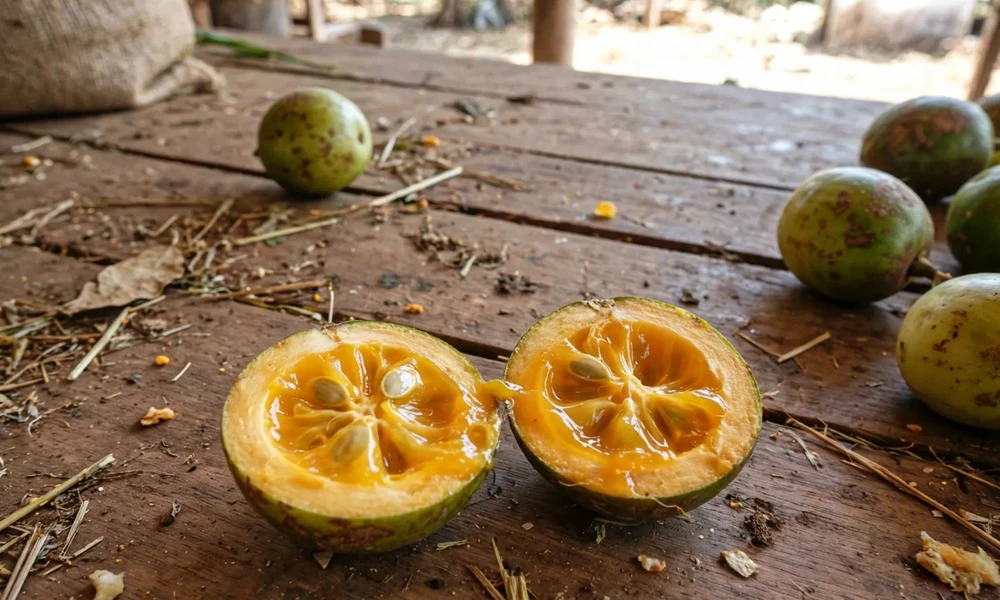
Price comes next. In some stays the walk, the tasting and the class are billed one by one, and the airport lift is billed apart too. Ask about breakfast, the shared garden, and which tongues the host speaks before you book. A farm that lays every charge out in the open is most often well run. If cempedak sounds better to you, our guide to planning a cempedak farm escape follows the same planning shape.
Deposits need the same care as the dates. Ask what is due at booking, when the balance falls due, and what happens if the fruiting shifts by a week. A farm that answers such questions plainly is a farm that has thought them through, and a written answer guards both sides if the menu changes.
The 9 steps to a pequi farm escape
1. Fix the state, then work the season round it
What to do: Fix the state first, because the fruiting window moves with it. Goiás bears early, Bahia later, and Mato Grosso while the southern farms are resting. Read the farm’s own notes on fruiting, then place your dates inside them.
What to avoid: Booking the flights first and hoping the trees play along. The harvest leans on rain and the tree’s own pace, and a week too early means bare branches. Best for: People who want fruit on the table every day. Time needed: One evening reading before you book. Standout tip: Ask the farm to share last year’s fruiting dates.
2. Ask when the farm expects its fruit
What to do: Write to the farm and ask when the trees will be bearing on your dates, not only whether the farm is open. A good farm answers plainly, with the weeks it expects and the signs it watches. If the answer is vague, ask again, and ask what the farm did last year when the fruit came early or came late.
What to avoid: Trusting a booking site over the season. The listing may say summer while the trees fruited in December and finished by January. Best for: Anyone whose trip is built round the fruit. Time needed: Ten minutes to send, a day for the reply. Standout tip: Ask which week the host would choose for their own family.
3. Reserve the farm first, flights after
What to do: Book the room first. The farms are small, the rooms are few, and the good ones are taken while the fruit is still green. Once the farm is held, book the flights round it.
What to avoid: Locking in cheap flights and then finding the farm you wanted has no room. The flight can shift; the fruiting week will not. Best for: People on fixed dates. Time needed: Half an hour to secure the room. Standout tip: Put the deposit and refund terms in the same message.
4. Ask the farm to fetch you from the airport
What to do: Arrange the lift from the airport or the station with the farm itself. Most farms lie an hour or more from the closest town, and local taxis grow thin after dark.
What to avoid: Turning up late with no lift set up and no phone signal at the gate. The farm may not pick up after the evening meal. Best for: First-timers in the state. Time needed: One message, five minutes. Standout tip: Check the pickup time again the day before you travel.
5. Ask about wheat in the booking note
What to do: Put the wheat question in your booking message. The kitchen bakes bread and cakes every morning, and flour drifts everywhere, so the farm needs time to plan round it. A written answer guards both sides if the menu changes.
What to avoid: Raising it only when you are already at the table. By then the oven has done its work and the bread is out, and the kitchen can change little. Best for: People who eat wheat-free, and anyone with a wheat allergy. Time needed: Two lines added to the booking message. Standout tip: Ask how the farm keeps flour away from your plate.
6. Learn to eat pequi without touching the seed’s spines
What to do: Eat the pulp with a fork and your teeth, working round the seed without biting it. Watch the host do it first, and keep your fingers clear of the pit. A glove helps when you hold the fruit still.
What to avoid: Biting down on the seed or handing a whole fruit to a child. The spines are sharp enough to cut the mouth, and one careless bite can spoil the meal. Best for: First-timers who have never met pequi before. Time needed: One meal to learn the knack. Standout tip: Let the host show you at the first lunch.
7. Join the host on the dawn walk
What to do: Go out with the host on the morning walk. The fruit comes a few at a time, and the host knows which trees are ready and which want another week. Stay with the guide and ask before you pick. The host will show you the trees that are ready and the ones to leave be, and a basket passed round the group is part of the morning.
What to avoid: Wandering the land alone and taking what looks ripe. The fruit is heavy and the ground is soft after rain, and the seed spines punish a careless grip. Best for: Guests who want to learn the land. Time needed: An hour at dawn. Standout tip: Take the basket the host gives you, not your own bag.
8. Eat the rice and chicken the kitchen makes with pequi
What to do: Try the fruit fresh, warm, and in the kitchen’s rice and chicken dishes. The pulp is rich and strong, and the kitchen knows how to serve it without burying it under spice.
What to avoid: Filling up on fruit before the meal. The kitchen works with it every day, and the best dishes come after the tasting. Best for: Food lovers who want the kitchen as much as the land. Time needed: A morning at the table. Standout tip: Ask the cook which dish takes the ripest fruit.
9. Take oil and preserves home, leave the fresh fruit
What to do: Buy the oil, the preserves and the dried pulp at the farm shop. The fruit is heavy and bruises fast, and the preserved forms travel far better than the fresh ones.
What to avoid: Packing fresh fruit for the long journey home. It goes soft by midday and leaks through the bag. Best for: People who want a taste of the trip to take home. Time needed: Half an hour wandering the farm shop. Standout tip: Ask the farm to seal the bottles before you leave.
Which pequi region fits your trip
Goiânia or Pirenópolis suits a first trip: the farms are used to visitors, the season runs long, and the journey is easy. For the most dramatic setting, the Chapada dos Guimarães, where the farm stands above red cliffs. For the richest flavours, Montes Claros, where the sun is fierce and the harvest is full.
For a quiet stay with long picking mornings, Lençóis is the pick: the season runs long, the farm is used to visitors, and the kitchen presses oil from the pulp. The journey is gentle, the land is easy to walk, and the oil alone is worth the trip. Our guide to planning a marang farm escape says the same: pick the farm that cooks with its crop daily, and the trip mostly looks after itself.
The caveats that matter
Pequi escapes are lovely, but they fit some travellers better than others. The fruiting fixes the season, the farms lie far from town, and the honest ones say plainly what is ripening and what is not.
| Detail | What is known |
|---|---|
| Best time to visit | The rainy season, about November to February, while the trees are bearing; the exact weeks shift from one state to the next |
| How long to stay | Three to five nights, enough for the land, the picking and the kitchen |
| How ripe fruit looks | Deep yellow all over, soft under a gentle press, and strong-smelling at the stem, with no hard patches |
| What is usually included | Room and breakfast with a walk or a tasting; cooking classes and lifts are most often extra |
| Who should go | Slow travellers, food lovers, and families with older children |
| Who should think twice | Anyone after nightlife, fast service, or a packed daily schedule |
| Transfers | Most often an hour or more from the nearest airport; fix the lift before you travel |
| What is not guaranteed | Fruit on your dates; the harvest rests on weather, season, and the tree’s own pace |
Pequi on its own holds no gluten, but the farm kitchen bakes bread and cakes every morning, so ask how it keeps flour away from your plate. The pit carries sharp spines, so free the pulp with a fork and keep your teeth off the stone. The fruit is rich and its flavour is powerful, so start with small portions and bring oil home rather than fresh fruit. A health condition, a pregnancy, or small children all change the plan, so ask where the nearest clinic sits, when the farm last sprayed, and how steep the paths run before you book.
Checklist: planning a pequi farm escape honestly
Run through these checks before you pay, and again in the week before you travel.
- Bearing: ask whether the trees will be fruiting on your dates, not only whether the farm is open.
- Costs: find the price of the walk, the tasting, the meals and the lifts, and what is billed apart.
- Distance: how long the drive from the airport takes, and whether the farm sends a pickup.
- Room: whether the window looks onto the trees or the garden, and whether there is shade, a fan, or air cooling.
- Growing: the size of the farm, whether it is organic, and the last spray date.
- Reviews: read what guests who travelled in your season said about the stay.
Frequently asked questions
How far ahead should I book a pequi farm?
As early as you can. The farms are small and the rooms go fast once the fruiting dates are known, often months before the rains. Hold the room first, then set the flights round it, and put the deposit and refund terms in the same message. If the farm keeps a waiting list, join it: a room often frees up when another guest’s dates shift.
Must I rent a car to get to the farm?
Usually not, if you fix the lift with the farm. Most farms lie an hour or more from the nearest town and will send a pickup, but local taxis grow thin after dark. Fix the lift before you travel and check the time the day before.
How long should a pequi escape last?
Three to five nights is the sweet spot. That leaves time to walk the land, join a picking morning, and learn the kitchen’s way with the fruit. Shorter stays feel hurried, and longer ones meet the same fruiting week twice.
What should I pack for the cerrado?
Light clothes, a rain layer, and shoes that can take mud. The fruit is heavy and its pulp stains, so bring gloves and a small bag for what you carry home. A wide hat counts for more than a second pair of shoes.
Can children walk the rows with the group?
Yes, at most farms, so long as they keep with the guide and the group. The land is easy to walk and the trees are low, but the seed spines are sharp and the fruit is heavy, so small children should carry the basket rather than pick.
What if the pequi is not ripe when I arrive?
Let the farm know as soon as you know, and ask what it can offer in place of the fruit. A good farm will shift your dates if it has room, or build the stay round the kitchen, the walks and the class. Raise this when you book, before the deposit is paid. A farm with a ready answer for a poor season is one that has lived through one, and that answer shows how it treats its guests.
The bottom line
A pequi farm escape suits travellers who like their food to come from the tree next to them, and who are happy to let the harvest run the day. The fruit is bold, the season is short, and the best stays pick it fresh, serve it warm with rice, and press the rest into oil without any fuss.
Plan by the harvest, not the calendar: fix the state, ask the farm when the trees will bear, and hold the room before the flights — and bring the oil home sealed, not the fruit itself. A sealed bottle keeps for months after the fruiting ends.