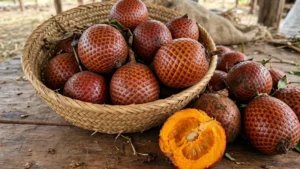
Cajá is the fruit most travellers in Brazil meet before they ever learn its name. It turns up as tart yellow juice at breakfast, a scoop of ice cream after lunch, or a small golden plum from a market vendor. The flavour is sharp, sunny and a little wild, and it belongs to the north and north-east of Brazil, which makes a farm stay there the right way to meet it.
A cajá farm retreat is not a resort with a fruit theme painted on. It is a working farm where cajá trees grow alongside the rest of the land, and where the day is shaped by the harvest, the kitchen and the water nearby. You stay in a room the family keeps for guests, you eat what the farm cooks that day, and you learn how a fruit that bruises easily and ripens fast goes from branch to glass.
Below are nine places worth considering in 2027, across Pará, Amazonas, Pernambuco, Bahia, Ceará, Maranhão, Amapá, Acre and the lower Amazon. Each one is described by its strengths, its drawbacks, and the traveller it fits.
Key takeaways
- Cajá, also called taperebá, is a small yellow plum-like fruit from Central and South America, tart-sweet, eaten fresh and pressed into juice and ice cream.
- The fruit ripens quickly and bruises easily, so the best stays are the ones that pick in the morning and serve the same day.
- Harvest runs through the wet season into the early dry months, and the fruiting weeks shift a little from one region to the next.
- Most of these farms are small and family-run, with a handful of rooms, so booking ahead matters.
- Meals are cooked on the farm and often include wheat breads, cakes and fried snacks, so tell the farm about any wheat or gluten needs in your very first message.
What a cajá farm retreat actually is
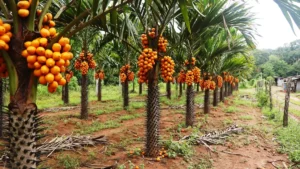
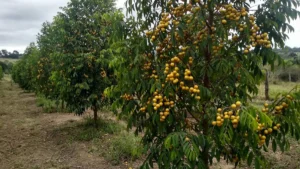
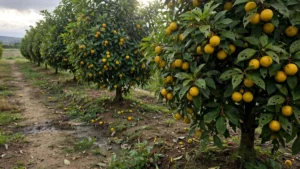
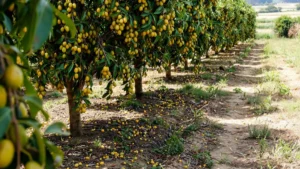
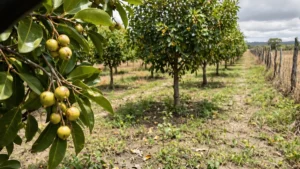
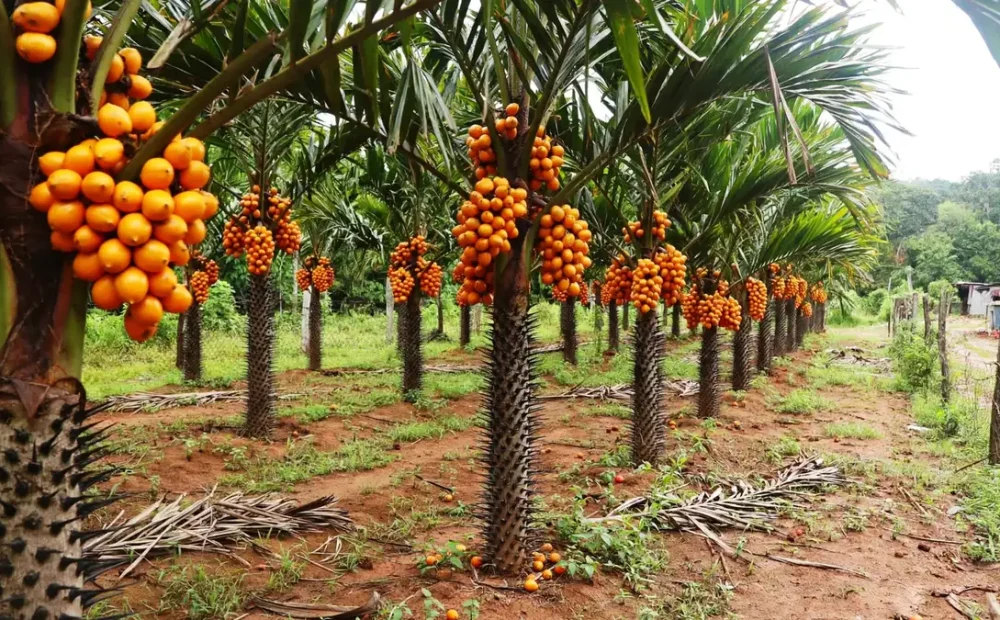
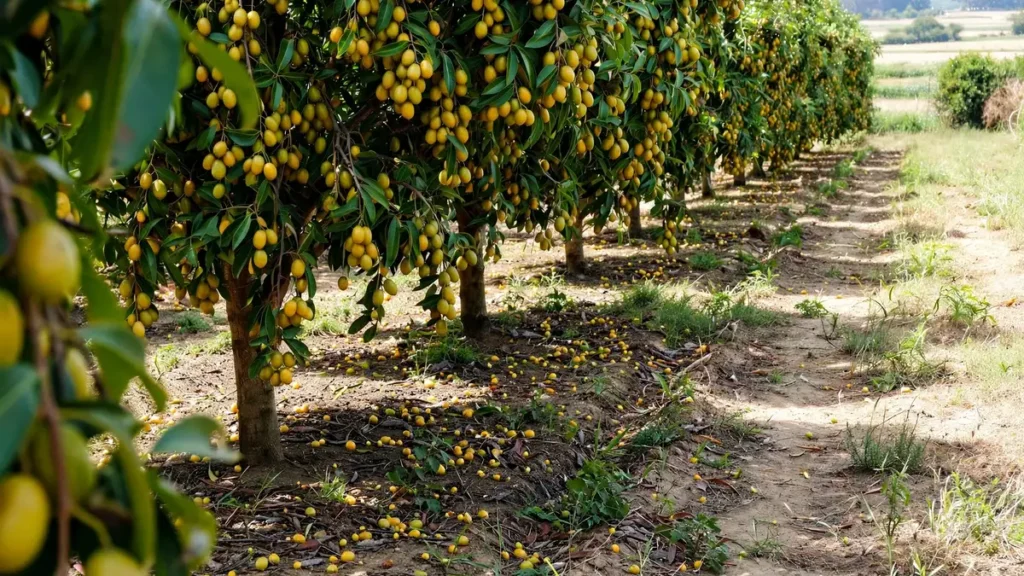
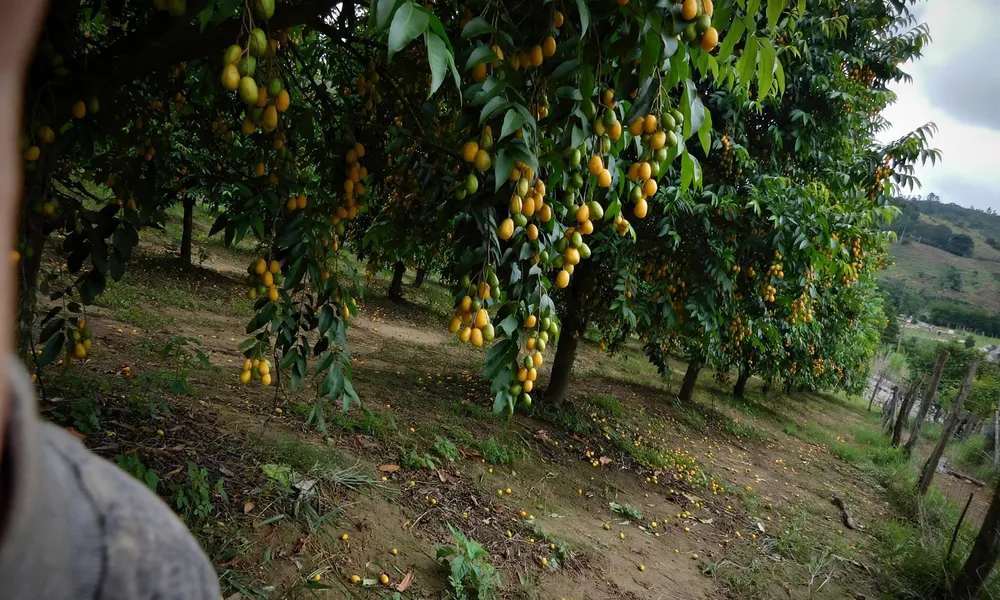
A cajá farm retreat is a small farm that takes guests. The cajá trees are usually one part of a mixed farm, growing near cacao, cupuaçu, bananas or cattle pasture, and the stay is built around the farm’s ordinary rhythm. You wake to the sounds of the farm, you walk the rows with whoever is picking that day, and the evening meal is whatever the kitchen made from the morning’s harvest.
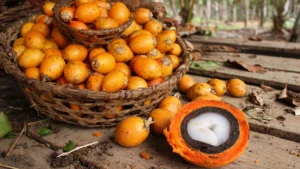
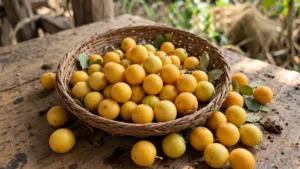
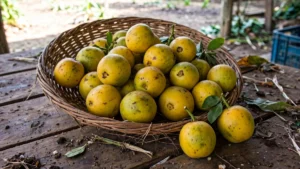
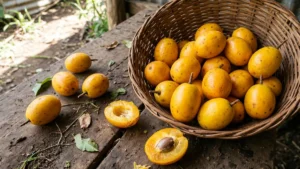
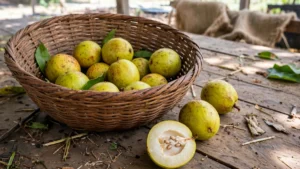
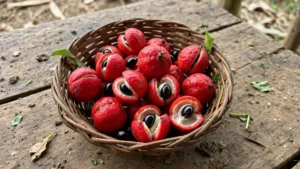
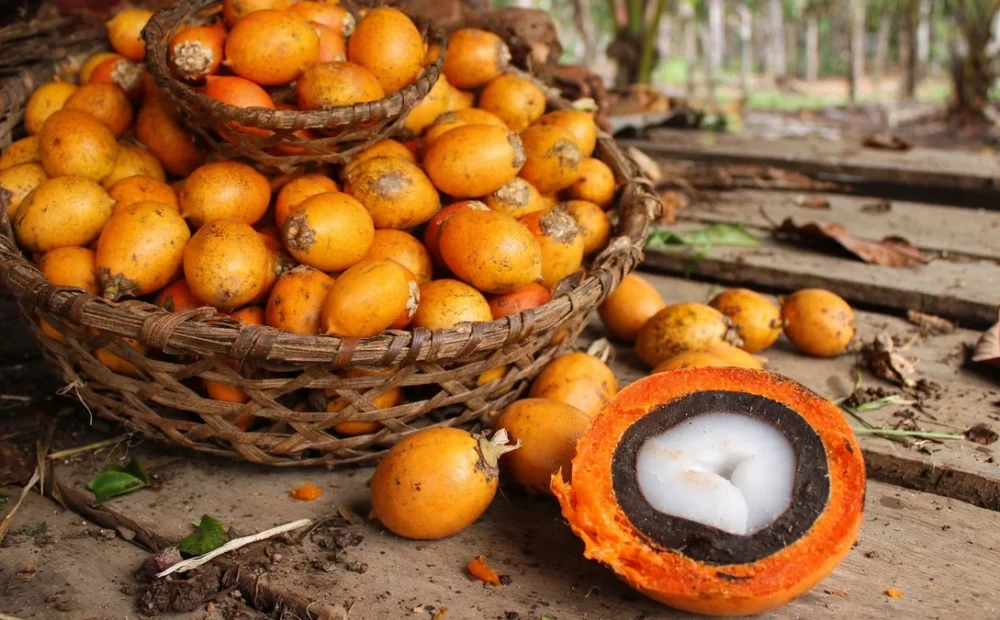
The fruit itself sets the pace. Cajá, Spondias mombin, is a yellow plum about the size of a large grape, with thin skin, soft golden flesh and a single hard stone. It tastes tart and bright, closer to a green mango with a floral edge than to a sweet plum, and it goes soft within a day or two of picking.
Do not confuse cajá with umbu, its better-known cousin. Both belong to the Spondias family, but umbu grows in the dry interior of the north-east and tastes rounder and milder, while cajá grows in the humid Amazon and the Atlantic coast and carries a sharper, more acidic bite.
How we picked these stays, and what to ask first
We looked for farms that actually grow cajá rather than farms that mention it on a website. That meant checking that the trees are on the property, that the harvest is part of the stay, and that the kitchen uses the fruit in more than one way. A farm that only buys cajá pulp in from a supplier did not make this list.
We also looked for honest scale. A farm with three rooms and one family cooking gives a closer, quieter stay than a farm with forty rooms and a buffet. The price ranges below are per night for two people, including breakfast, as the farms quoted them for 2027. Ask what is included before you pay, because some farms charge separately for walks, river trips and cooking sessions.
Before you book, ask three things in writing: which weeks the cajá trees are fruiting, how many rooms the farm has and who cooks, and how you get there from the nearest town. Those three replies reveal more than a gallery of photographs ever will. Our guide to the best luxury carambola farm retreats uses the same three questions, because star fruit farms in the same regions run into the same logistics.
The 9 best luxury cajá farm retreats of 2027
Cajá do Guamá, Belém
What we like: A riverside farm an hour from Belém where the cajá grows along the Guamá riverbank, the rooms look over the water, and the morning juice is pressed from fruit picked before breakfast. What to consider: The river road floods after heavy rain, so check the route on the day you travel. Best For: First-time visitors who want the Amazon without a long journey inland. Style: Riverside farmhouse with wide verandas. Price Range: $180 to $240 per night. Standout Feature: Breakfast juice pressed from the morning pick.
The farm keeps six rooms and a kitchen that cooks with what the land gives that day: river fish, rice, beans and cajá ice cream to finish. The walk through the rows is short and flat, and the family shows you how to spot a ripe cajá.
Taperebá Verde, Manaus
What we like: A forest-edge farm outside Manaus with tall cajá trees, a shaded pool, and a cook who makes cajá mousse and a tart caipirinha-style drink with the pulp. What to consider: The farm is a 90-minute drive from the city, and the last stretch is dirt road. Best For: Travellers who want forest, fruit and a pool in one stay. Style: Modern lodge tucked into second-growth forest. Price Range: $220 to $310 per night. Standout Feature: Cajá mousse served at sunset by the pool.
Rooms here are larger and newer than at most farms on this list, with proper air conditioning for the Manaus heat. A guided forest walk and a juice-making session are both included.
Amarela Casa, Recife
What we like: A coastal farm near Recife where cajá grows in sandy soil a short drive from the beach, with bright rooms, a small orchard you can wander alone, and a kitchen that pairs cajá with grilled fish. What to consider: The sea breeze can be strong in the afternoon, and the orchard has little shade at midday. Best For: Beach lovers who want a farm morning and a sea afternoon. Style: Whitewashed coastal farmhouse. Price Range: $160 to $230 per night. Standout Feature: Grilled fish with a fresh cajá sauce at dinner.
This is the easiest farm on the list to reach, with a paved road most of the way and regular transport from Recife. The cajá here ripens a little earlier than in the Amazon.
Sítio Dourado, Salvador
What we like: A hillside farm outside Salvador with old cajá trees, a view over the bay, and a kitchen that leans on Bahian cooking, with cajá in the dessert and the drink. What to consider: The hill road is steep and narrow, so arrive before dark. Best For: Food lovers who want Bahian flavours with their fruit. Style: Colourful hillside farmhouse with a tiled terrace. Price Range: $170 to $250 per night. Standout Feature: A cajá dessert made with coconut milk and lime.
The farm has five rooms and a terrace. The owners grow cajá alongside mango and jackfruit, and they walk guests through the orchard in the cool of the morning.
Vento Amarelo, Fortaleza
What we like: A breezy farm in the Ceará interior where cajá grows under irrigation, the rooms are cool and simple, and the farm makes its own cajá pulp that it freezes for the dry months. What to consider: The interior is hot and dry, and the farm is a two-hour drive from the coast. Best For: Travellers who like dry heat, open space and quiet nights. Style: Low white farmhouse with a shaded courtyard. Price Range: $140 to $200 per night. Standout Feature: House-frozen cajá pulp used all year round.
This is the cheapest stay on the list: a working farm with good food, cold water and no pretence. The cajá trees here are watered by hand in the dry season, and the farm shows you how.
Rio Itapecuru, São Luís
What we like: A farm on the Itapecuru river near São Luís, with cajá trees along the bank, canoe trips at dawn, and a kitchen that serves river fish with a cajá dressing. What to consider: The river level changes with the season, and canoe trips are cancelled when the water is too low. Best For: Early risers who want a river dawn and a slow day. Style: Timber farmhouse on stilts near the river. Price Range: $150 to $220 per night. Standout Feature: Dawn canoe trips past the cajá trees.
Rooms are simple and clean, with fans rather than air conditioning, and the farm runs on river time. If the canoe is cancelled, the farm takes you to the orchard instead. Our roundup of the best luxury sapodilla farm retreats covers a similar river-farm rhythm further west, if you want to compare the two fruits.
Ilha do Cajá, Macapá
What we like: A small island farm near Macapá where cajá grows wild along the paths, the rooms are wooden cabins, and the farm serves cajá juice with every meal. What to consider: You reach the island by boat, and the boat does not run after dark. Best For: Travellers who want real distance from roads, noise and signal. Style: Wooden cabins on a river island. Price Range: $190 to $260 per night. Standout Feature: Cajá juice with every meal, from the island’s own trees.
Four cabins and no road, which is the point. The farm collects rainwater, cooks on a wood stove and keeps the lights low at night so the stars show.
Tapajós Gold, Santarém
What we like: A farm on the Tapajós river near Santarém, with sandy river beaches nearby, cajá trees in the garden, and a kitchen that makes cajá sorbet for the afternoon heat. What to consider: The river beach is best in the dry season, and the farm is quietest when the fruit is not in season. Best For: River-beach days with a farm to come back to. Style: River lodge with a garden orchard. Price Range: $175 to $245 per night. Standout Feature: Cajá sorbet in the afternoon, made that morning.
A short boat ride from Alter do Chão, it works well as a base for both the river and the orchard. The cajá trees here fruit generously, and the farm freezes the extra pulp so the sorbet keeps going.
Cajá do Acre, Rio Branco
What we like: A forest farm outside Rio Branco where cajá grows among rubber trees, the rooms are quiet and shaded, and the farm makes a cajá jam that guests take home. What to consider: Rio Branco is a long way from the coast, and flights are the practical way in. Best For: Travellers who want Acre’s forests and a farm that feels like a home. Style: Shaded forest farmhouse with a wide porch. Price Range: $165 to $235 per night. Standout Feature: A jar of cajá jam to take home with you.
The most remote farm on the list, and the one that feels most like staying with a family rather than at a business. The orchard walk passes rubber trees and cajá in the same hour, and the evening meal is cooked by the family and eaten at their table. The best luxury persimmon farm retreats roundup shows how a different fruit shapes a similar family stay, if you are weighing the two.
Which cajá region fits your trip
Belém and Manaus suit first-timers. Belém is the easiest Amazon gateway, with a river farm an hour away, while Manaus gives you forest, heat and a proper lodge at the cost of a longer drive.
Recife, Salvador and Fortaleza suit travellers who want the coast as well as the farm. The cajá in the north-east ripens a little earlier, and you can pair a farm morning with a beach afternoon. São Luís sits between the two, with a river, a historic centre and a farm that runs on river time.
Macapá, Santarém and Rio Branco suit travellers who want to go further. Macapá’s island farm is the most cut off, Santarém pairs a farm with river beaches, and Rio Branco offers Acre’s forests and the most family-like stay. All three need more planning, and all three reward it.
The caveats that matter
Cajá is not a fruit that waits. It ripens fast, bruises if it is handled roughly, and goes soft within a day or two, so the farms that do this well pick in the morning and use the fruit the same day. A farm that serves cajá out of season is serving frozen pulp, which is fine, but ask, because fresh and frozen differ.
| Detail | What is known |
|---|---|
| Scientific name | Spondias mombin, also called taperebá in Brazil |
| The fruit | Small yellow plum-like fruit, tart-sweet, thin skin, one hard stone |
| Where it grows | Central and South America, including the Amazon, the north-east coast and the Caribbean |
| How it is eaten | Fresh, pressed into juice, frozen as pulp, churned into ice cream and sorbet |
| Best season | Wet season into the early dry months, with fruiting weeks shifting by region |
| Not to confuse with | Umbu, a different Spondias species from the dry interior, rounder and milder |
| Who should ask first | Anyone who needs wheat-free or gluten-free meals, as farm kitchens use wheat daily |
| What it does not do | It does not travel well fresh, so most cajá outside Brazil is sold as frozen pulp |
Travel logistics matter as much as the fruit. River farms depend on boats and water levels, dirt roads turn after rain, and small farms may have one vehicle between them and the nearest town. Confirm your arrival and departure transport in writing before you pay a deposit, and carry cash.
Checklist: booking a cajá farm stay honestly
Use these checks before you pay.
- Confirm the fruiting weeks in writing, and ask whether the fruit served will be fresh or frozen pulp.
- Ask how many rooms the farm has, who cooks, and what is included in the nightly rate.
- Confirm transport from the nearest town or airport, including the boat or road, in writing.
- Tell the farm about any wheat or gluten needs in your first message, and ask what the kitchen can cook instead.
- Check the payment terms: deposit size, refund rules, and whether the farm takes cards or cash only.
- Pack light, closed shoes for the orchard, insect repellent, and a small bag for fruit to take home.
Frequently asked questions
When is the best time to visit a cajá farm?
During the fruiting weeks, which run through the wet season into the early dry months and shift a little by region. Ask the farm for its exact weeks before you book.
Can I eat cajá fresh from the tree?
Yes, when it is fully ripe. A ripe cajá is soft, golden yellow and easy to pull from the branch, with tart-sweet flesh around a hard stone. Unripe fruit is sour, so let the farm show you which ones are ready.
How is cajá different from umbu?
Both are Spondias fruits, but cajá grows in the humid Amazon and coast and tastes sharper, while umbu grows in the dry interior and tastes rounder and milder.
How many nights should I stay at a cajá farm?
Two or three nights suits most visitors. One night is too short to settle into the farm rhythm, and four or more suits travellers who want to slow down or combine the farm with a river trip.
Is a cajá farm stay suitable for children?
Yes, if the farm has flat paths and the children are comfortable with farm animals, insects and early mornings. Ask the farm about the walking, the water and the rooms before you book.
Do I need to speak Portuguese?
It helps a great deal. Most of these farms are family-run and the owners speak little English. A few phrases and a translation app will carry you through, but do not expect a front desk.
The bottom line
The best cajá farm retreat in 2027 is the one whose fruiting weeks match your dates, whose transport you have confirmed in writing, and whose kitchen feeds you well. Belém and Manaus are the easiest first visits, the north-east coast suits travellers who want a beach as well, and the further farms reward the extra planning.
Book early, ask plain questions, tell the farm about any wheat needs before you pay, and go ready for early mornings and fruit that tastes best within hours of the branch.