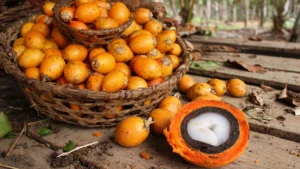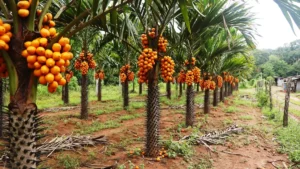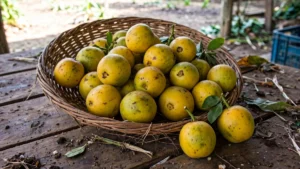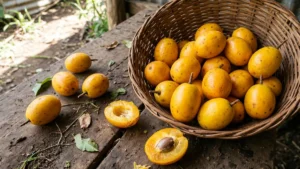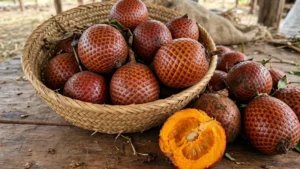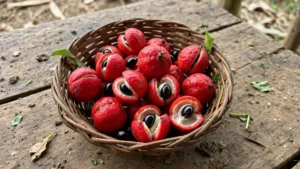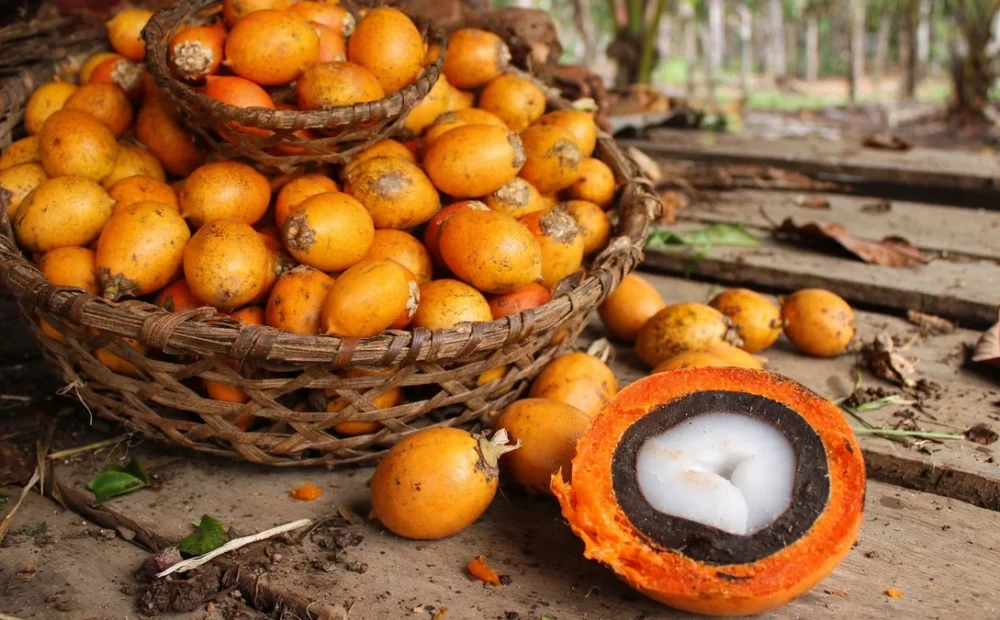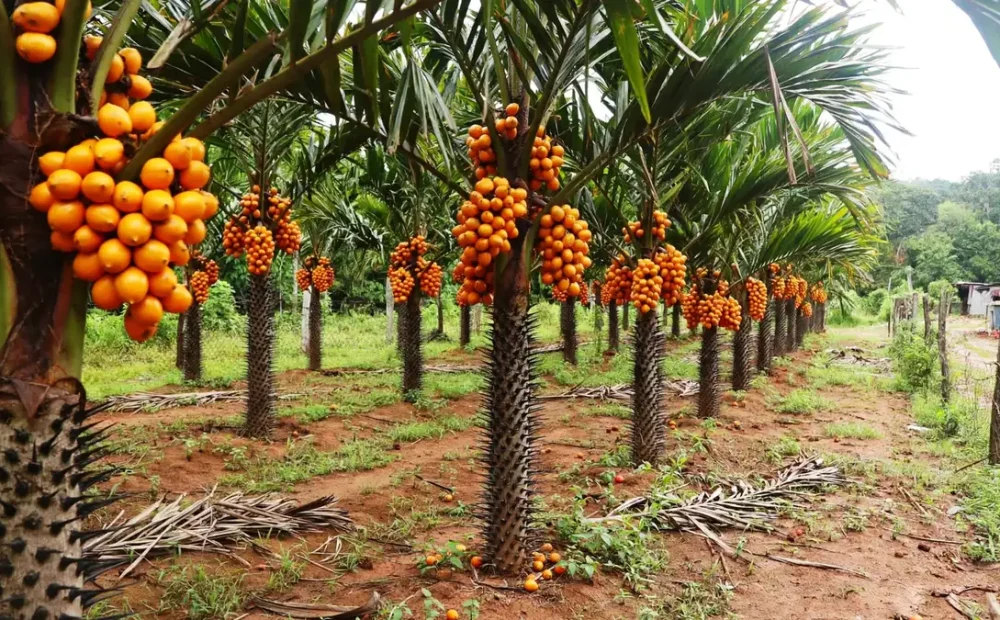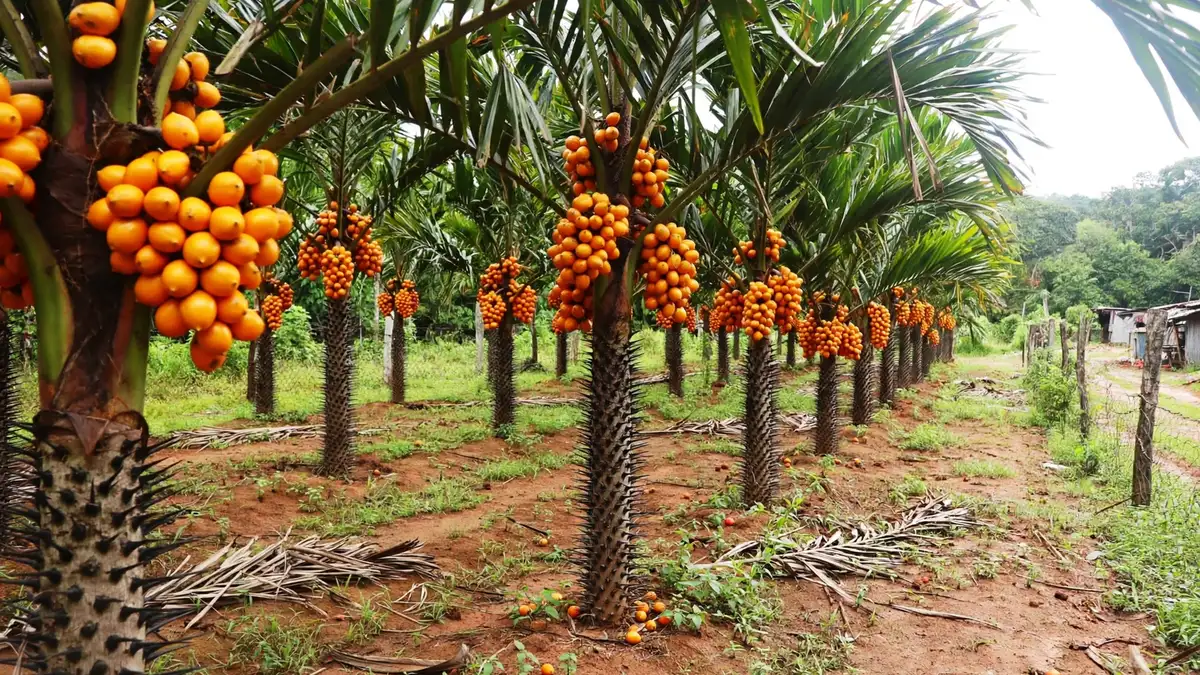
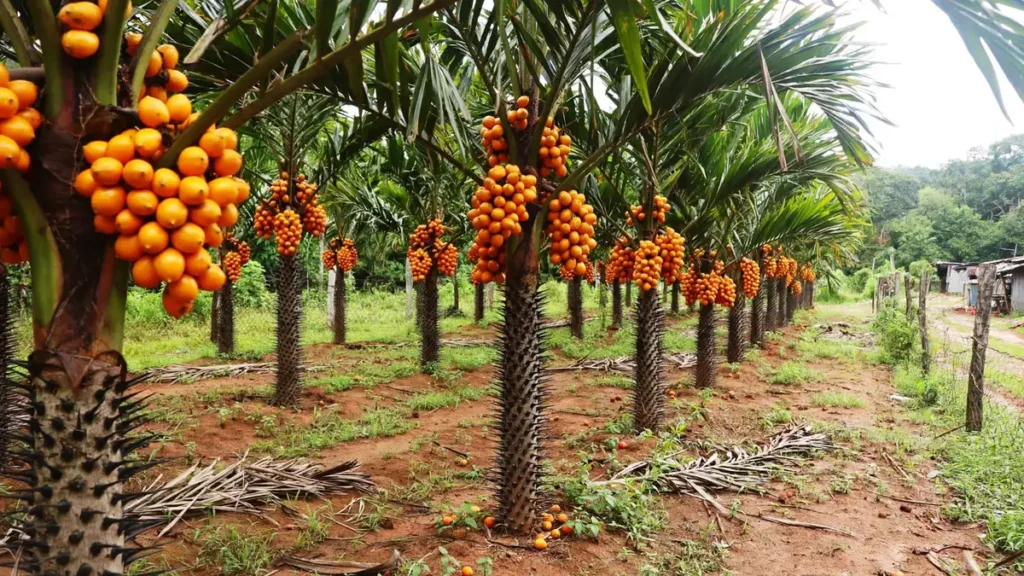
Tucumã is the Amazon fruit most travellers meet by accident. It arrives in a sandwich at a Belém market stall, or in a small bowl of bright orange pulp at a farm breakfast table, and the first taste stops the conversation. The flesh is dense and buttery, orange as a marigold, with a flavour somewhere between a sweet potato and a mango that has been left in the sun. It grows on Astrocaryum aculeatum, a tall palm whose trunk is ringed with sharp black spines, and the fruit hangs in heavy bunches that only a long pole and a steady hand can bring down.
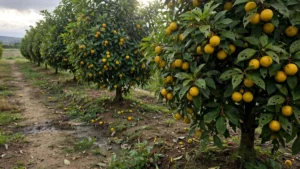
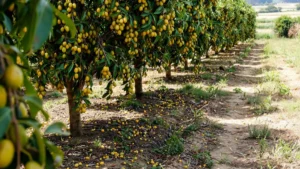
A tucumã farm retreat is a small stay built around that palm. The farms below are working groves, not resorts dressed up as farms. Guests sleep in simple, well-kept rooms a short walk from the rows, eat meals cooked from what the grove and the garden produced that morning, and spend their days on harvest walks, in the kitchen watching pulp pressed for sandwiches, and on the river in the late afternoon. The luxury here is not marble. It is time, quiet, and a table that never has to guess where its food came from.
Below are nine stays worth booking in 2027, chosen for the quality of their groves, the honesty of their cooking, and the care they take with guests who travel a long way to reach them. Each one is described by what it does well, what to watch for, and who it suits best, so you can choose with the fruit in mind, not just the photographs.
Key takeaways
- Tucumã is an Amazon palm fruit with bright orange flesh, rich in vitamin A, eaten fresh and pressed into the famous tucumã sandwich.
- The best retreats sit inside working palm groves, so the harvest, the kitchen and the walks all happen on the same ground.
- Fruiting season matters more than the room: ask when the palms are heavy before you book anything.
- Published rates usually cover the bed, the meals and the guided walks; flights and river transfers are almost always extra.
- If wheat or gluten is a problem, say so in the first message you send the farm, before you pay anything, so the kitchen can plan around it; and remember tucumã is not buriti, a different palm with different flesh and a different flavour.
What a tucumã farm retreat actually is
A tucumã retreat is a farm stay where the palm is the point. The grove is not a backdrop for the pool. It is the reason the farm exists, the source of the fruit on the breakfast table, and the walk the hosts are proudest to lead. Rooms are usually raised wooden cabins or whitewashed cottages with wide verandas, ceiling fans, mosquito nets that actually fit, and a hammock strung where the afternoon breeze finds it. Nobody is selling a spa menu here. The selling point is a grove you can walk through with the person who planted it.
Days follow the fruit. Mornings start early, before the heat, with a harvest walk among the spiny trunks, where a long pole brings a bunch down and the guide shows how to tell a ripe fruit from one that needs another week. By mid-morning the kitchen is pressing pulp, and by lunch the sandwiches appear: warm bread, a thick smear of orange tucumã, cheese, sometimes egg, eaten at a long table with coffee that was roasted on the farm. Afternoons are slower, a river swim or a nap in the hammock, and evenings are for the table again, with fish from the river and fruit from the grove.
How we chose these nine stays
We looked first at the grove itself. A tucumã retreat has to grow its own fruit, in quantity, and harvest it in front of guests, not buy it in from a market in town. Every stay below keeps a mature, tended grove within walking distance of the rooms, and every one of them lets guests join the harvest walk rather than watching it from a terrace. That was the first cut, and it removed more candidates than any other test.
We looked next at the kitchen, because tucumã is a cooking fruit as much as a fresh one. The best stays serve it in more than one form across a stay: fresh at breakfast, pressed into sandwiches at lunch, folded into a sauce or a sweet in the evening. A farm that serves the fruit once and then moves on to imported food is not a tucumã retreat, whatever its name says. Our roundup of buriti farm retreats uses the same test, and it is the one that separates a working farm from a hotel with a few palm trees.
Finally, we looked at the practical side: honest pricing, clear transfer instructions, rooms that are genuinely comfortable in Amazon heat, and hosts who answer messages with specifics rather than slogans. Price ranges below are per night for two people, including meals and guided walks, and they are the rates the farms were quoting for 2027 at the time of writing.
The 9 best luxury tucumã farm retreats of 2027
Manaus: palm rows above the Rio Negro
What we like: A mature grove an hour upriver from Manaus, with rooms on stilts above the flood line and a harvest walk led by the grower himself. What to consider: The boat transfer is slow and the river is the only road in. Best for: Travellers who want the deep-river version of the Amazon. Style: Stilted wooden cabins, open verandas. Price range: $210–$280 per night. Standout feature: Dawn harvests with the grower, then sandwiches on the veranda.
Belém: a working grove beside the morning market
What we like: The closest stay to a great food city, with a grove you can walk in the morning and a market you can visit by boat in the afternoon. What to consider: Belém heat is serious, and the farm has no pool. Best for: Food lovers who want the sandwich at its source and the market on the same day. Style: Whitewashed cottages around a shaded courtyard. Price range: $185–$250 per night. Standout feature: A market-boat trip that ends with tucumã bought from the grower who picked it.
Santarém: riverbank palms and a slow kitchen
What we like: A quiet grove on the Tapajós, with a kitchen that cooks everything over wood and a long table where guests and staff eat together. What to consider: The road from town is rough after rain, and transfers take time. Best for: Slow travellers who want long meals and longer afternoons. Style: Riverside lodge, wood-fired kitchen. Price range: $170–$235 per night. Standout feature: Wood-fired tucumã dishes served at a shared table every evening.
Macapá: a small grove at the edge of the equator
What we like: The smallest stay on the list, with four rooms and a grove that the host family tends by hand, plus a river beach ten minutes away. What to consider: Only four rooms, so dates go fast, and English is limited. Best for: Couples who want a genuinely small farm and do not mind a language gap. Style: Family farmhouse, four guest rooms. Price range: $150–$205 per night. Standout feature: Hand-tended palms and a private river beach for the afternoon swim.
Porto Velho: palm shade on the Madeira
What we like: A wide, shaded grove on the Madeira river, with the best swimming on the list and a guide who knows the river birds by call. What to consider: The farm is a long drive from the airport, and the road is dusty in the dry season. Best for: Families who want river swimming and a grove with room to roam. Style: Broad verandas, shaded hammock lawn. Price range: $195–$265 per night. Standout feature: A safe river swimming spot and a bird-watching walk at first light.
Rio Branco: a family grove with a long table
What we like: A family-run grove in Acre with the longest communal table on the list and a harvest that guests join from the first morning. What to consider: Acre is a long way from anywhere, and flights are few. Best for: Travellers who want to eat with a farming family and learn by doing. Style: Farmhouse rooms around a garden. Price range: $160–$220 per night. Standout feature: Guests join the harvest crew on the first morning, pole in hand.
Boa Vista: open savanna and a short palm walk
What we like: A savanna-edge grove with wide skies, short walks, and a kitchen that pairs tucumã with grilled fish from the nearby river. What to consider: The landscape is open and hot, with less shade than the forest farms. Best for: Travellers who prefer open country to deep forest. Style: Low, airy rooms with shaded patios. Price range: $175–$240 per night. Standout feature: Grilled fish and tucumã suppers eaten outdoors under a wide sky.
Iquitos: a riverside grove up the Amazon
What we like: A Peruvian grove reached only by boat, with a cook who folds tucumã into sauces as well as sandwiches, and night walks along the riverbank. What to consider: The boat ride from Iquitos is long, and the farm has no road access at all. Best for: Adventurous travellers who want the river journey to be part of the stay. Style: River lodge on stilts, screened rooms. Price range: $225–$310 per night. Standout feature: Night walks along the riverbank and tucumã sauces you will not find elsewhere.
Leticia: three borders, one palm grove
What we like: A Colombian grove at the meeting point of three countries, with a market day that crosses two borders and a grove walk that ends with fresh fruit in hand. What to consider: Border paperwork needs checking in advance, and the town is busy. Best for: Travellers who want a grove stay with a cross-border market day built in. Style: Garden lodge near the river port. Price range: $200–$275 per night. Standout feature: A market day that visits two countries and ends back at the grove.
The palm behind the plate
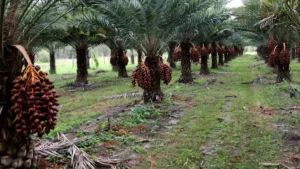
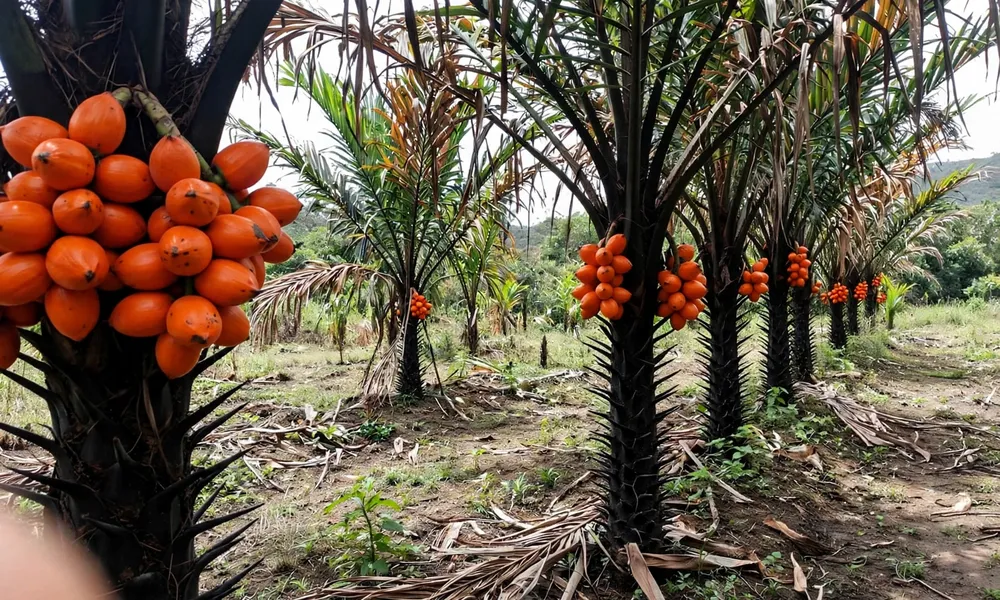
Tucumã grows on Astrocaryum aculeatum, a palm that announces itself before you see the fruit. The trunk is ringed with long black spines, some as long as a hand, and the crown holds bunches of round fruit that ripen from green to a deep, warm orange. A single bunch can weigh several kilos, and bringing it down takes a long pole, a steady stance, and a respect for the spines that every grower learns young. The fruit inside is a thin skin over dense orange pulp and a hard seed, and the pulp is what the whole stay is built around.
Tucumã is often confused with buriti, and the confusion is understandable: both are Amazon palms with orange flesh, and both appear in markets and in hair oil. They are different species with different fruit, different flesh and different uses, and the farms in this guide grow tucumã, not buriti. A stay built around acai palms is a different trip again, with a smaller berry and a different kitchen, so check which palm a farm actually grows before you book, not just which fruit its brochure photographs.
The caveats that matter
Tucumã retreats are small, seasonal, and a long way from the nearest hospital, so the caveats are practical rather than dramatic. Fruiting season decides whether the stay delivers what it promises. The spines on the trunk are real and sharp, so the harvest walk is a guided activity, not a wander. And the kitchen is small, which means allergies and dietary needs have to be flagged early, in writing, not mentioned at the table on arrival.
| Detail | What is known |
|---|---|
| Botanical name | Astrocaryum aculeatum, a spiny Amazon palm with heavy bunches of orange fruit |
| Best time to go | During the fruiting season, when bunches are heavy; ask the farm for its dates |
| What the fruit tastes like | Dense, buttery orange pulp, somewhere between sweet potato and sun-warmed mango |
| Most famous dish | The tucumã sandwich: warm bread, thick orange pulp, cheese, sometimes egg |
| Key nutrient | Very rich in vitamin A, which is why the fruit matters in Amazon diets |
| Who should check first | Anyone with a wheat or gluten problem, and anyone with a palm-fruit allergy |
| What the price covers | Usually the room, the meals and the guided walks; transfers and flights are extra |
| What it is not | Not buriti: a different palm species, with different flesh and different uses |
Checklist: booking a tucumã retreat honestly
Use these checks before you pay a deposit, and again the week before you travel.
- Ask when the palms are fruiting in the week you want, and get the answer in writing.
- Check what the nightly rate covers: room, meals, walks, and whether transfers are included.
- Tell the farm about wheat, gluten, or any allergy in the first message, not at the table.
- Confirm the transfer: boat or road, how long it takes, and who meets you at the other end.
- Pack closed shoes for the grove, a hat for the heat, and a dry bag if a boat is involved.
- Ask how many guests the farm takes at once, so you know whether the table will be shared or private.
Frequently asked questions
When is the best time to visit a tucumã farm?
During the fruiting season, when the bunches are heavy and the kitchen is pressing pulp every day. The exact weeks shift with the rains and the region, so ask the farm for its dates for the year you are travelling, and book around them rather than around a holiday.
What does tucumã taste like?
Rich, dense and buttery, with a sweet, earthy flavour that sits between sweet potato and a ripe mango. Eaten fresh it is filling, which is why the sandwich works so well: a little pulp goes a long way on warm bread with cheese.
Is tucumã the same as buriti?
No. Both are Amazon palms with orange flesh, but they are different species. Tucumã is Astrocaryum aculeatum, with a spiny trunk and dense pulp eaten fresh and in sandwiches. Buriti is Mauritia flexuosa, a wetland palm with a scaly fruit and a different flavour and use.
Can I eat tucumã if I cannot eat gluten?
The fruit itself contains no gluten, but the famous sandwich is served on wheat bread, and farm kitchens handle flour daily. Tell the farm about wheat or gluten in your first message, so it can plan a safe alternative, such as fruit served fresh or on a gluten-free bread you bring along.
How long should I stay at a tucumã retreat?
Three nights is the honest minimum. The first day is travel and settling in, the second is the harvest and the kitchen, and the third is the one where the place starts to feel familiar. A guarana farm retreat follows the same rhythm, and two nights there feels just as short.
Do I need to speak Portuguese to visit?
It helps a great deal, especially on the smaller family farms, where English may be limited. A few phrases, a translation app, and a willingness to point and smile will carry most conversations, and the larger lodges usually have at least one English-speaking host.
The bottom line
The best tucumã retreat in 2027 is not the one with the grandest rooms. It is the one with a grove in full fruit, a kitchen that cooks what the grove gives, and a host who will walk you through the palms and show you how the harvest works. Manaus and Iquitos offer the deepest river version of that trip, Belém and Santarém the best food, and the small family farms the warmest welcome. Pick the one whose season matches your dates, and let the fruit decide the rest.
Book three nights, tell the farm about wheat in your first message, pack closed shoes, and arrive ready to eat the sandwich standing at a market stall as well as sitting at a long farm table. That is the honest way to meet this fruit, and the farms on this list are the right places to meet it.