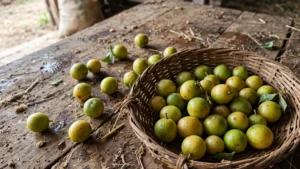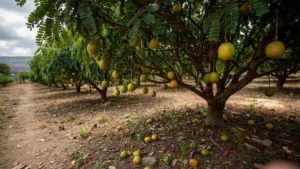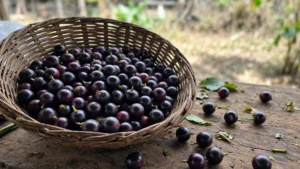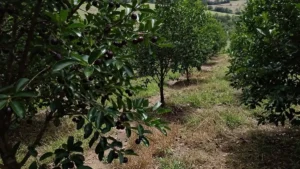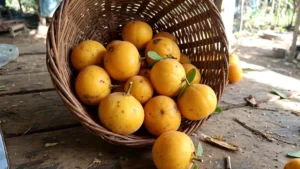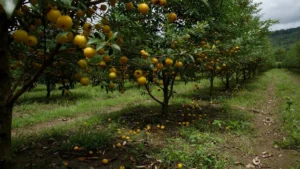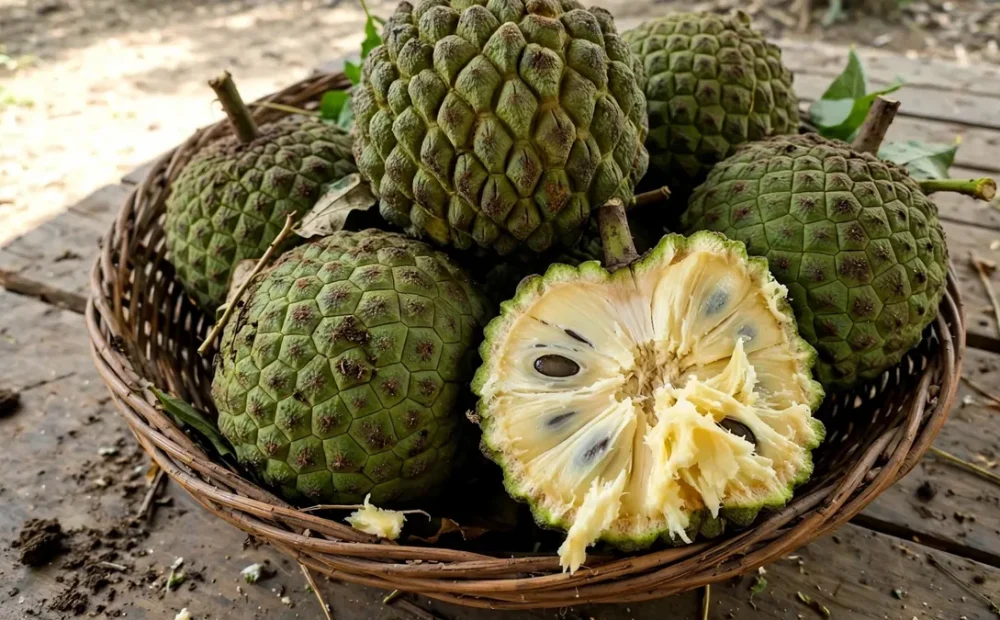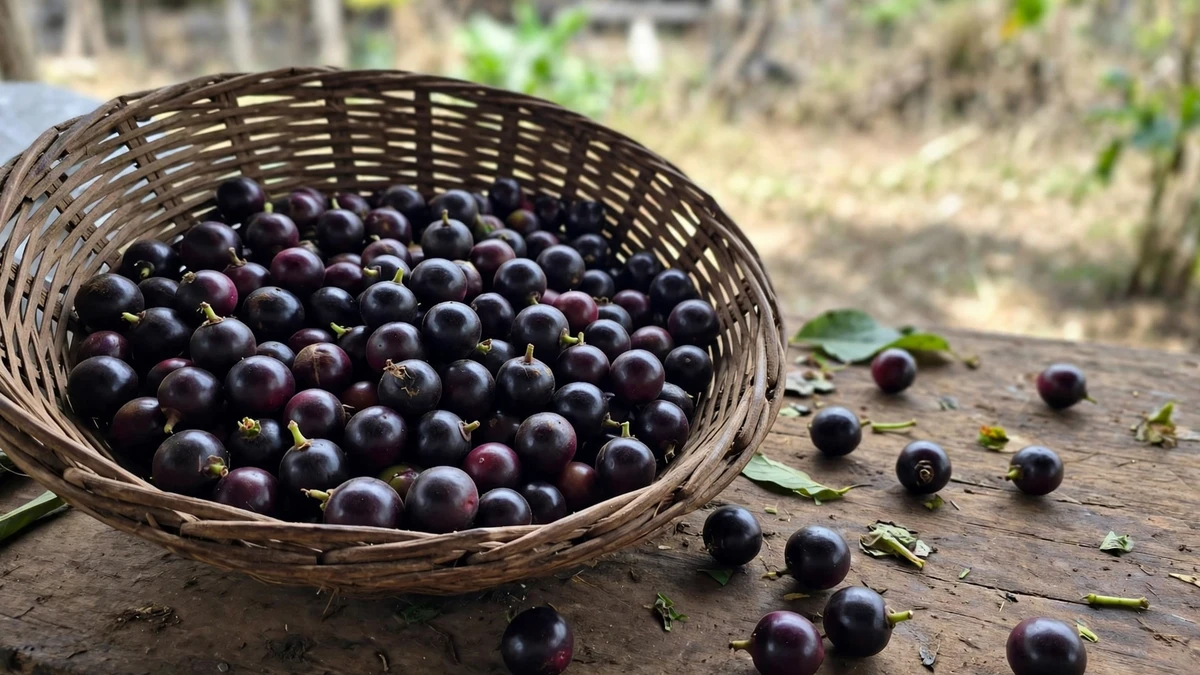

Planning a grumixama farm escape is mostly about timing. The fruit is small, dark, and quick to ripen, and the farms that grow it are small too, with a handful of rooms and a harvest that lasts a few weeks. Get the week right and the trip almost plans itself. Get it wrong and you will be eating green fruit, or no fruit at all, in a beautiful place that is not quite what you came for.
This guide walks through the planning in order: choosing the week, choosing the farm, sorting the journey, and packing for a working orchard rather than a resort. It is written for a first visit, and it assumes you want to pick the fruit yourself, eat well, and spend a few quiet days among the trees.
Everything below is practical. There is no single right farm, only the right farm for your dates, your budget, and how much walking you want to do. Work through the nine steps, use the checklist before you pay, and you will arrive on the right week, in the right room, with the fruit at its best.
Key takeaways
- Book the harvest week first and the farm second, because grumixama ripens over a few weeks and the dates move with the rain.
- Ask the farm for its expected harvest weeks in writing, along with what meals and transfers are included.
- Farm stays are working orchards with simple rooms; the value is the setting, the food, and the picking itself.
- Sort the last stretch of the journey before you book flights, because most farms need a car or a pre-arranged transfer.
- Tell the farm about wheat and gluten in your first message, because farmhouse kitchens bake daily and set menus are the norm, and confirm the cancellation terms before you pay.
What a grumixama farm escape looks like, day by day
A typical escape runs three nights. You arrive in the afternoon, settle into a simple room, and walk the orchard rows with the host before dinner. The first morning starts early, with a picking walk while the fruit is still cool, then breakfast on the veranda with the morning’s harvest. The middle day holds a longer walk, a slow lunch, and an afternoon for the beach, the forest edge, or a hammock. The last morning is for one more picking walk and a slow breakfast before the drive out.
The days are shaped by the fruit. Grumixama ripens unevenly, so each morning the host checks the rows and marks what is ready. You pick what you eat, and the kitchen turns the rest into jams, juices, and evening drinks. It is a gentler rhythm than a pitanga escape, where the harvest is longer and the picking less urgent; our guide to planning a pitanga farm escape shows how the two trips differ in pace, if you are weighing them against each other.
Evenings are the quiet part of the trip. Dinner is served early, the table is shared, and the night is dark enough to see stars. There is no bar, no entertainment programme, and usually no television. Bring a book, bring walking shoes, and expect to sleep well.
Pack for the orchard, not the hotel. Closed shoes handle the rows better than sandals, a light waterproof layer covers the sudden rain, and a small day bag carries water, repellent, and the fruit you pick. Rooms are simple, so leave the large suitcase at home and bring clothes you do not mind getting muddy. The farm will have laundry, but it will not have a shop, so bring anything you cannot do without.
How to choose the right farm and the right week
Start with the week, not the farm. Grumixama ripens first on the coast and later on the plateau, so a farm near Florianópolis may be ready two weeks before one near Curitiba. Ask each farm for its expected harvest weeks, and compare them against your dates before you fall in love with a particular house. A farm that answers with dates is a farm that watches its trees.
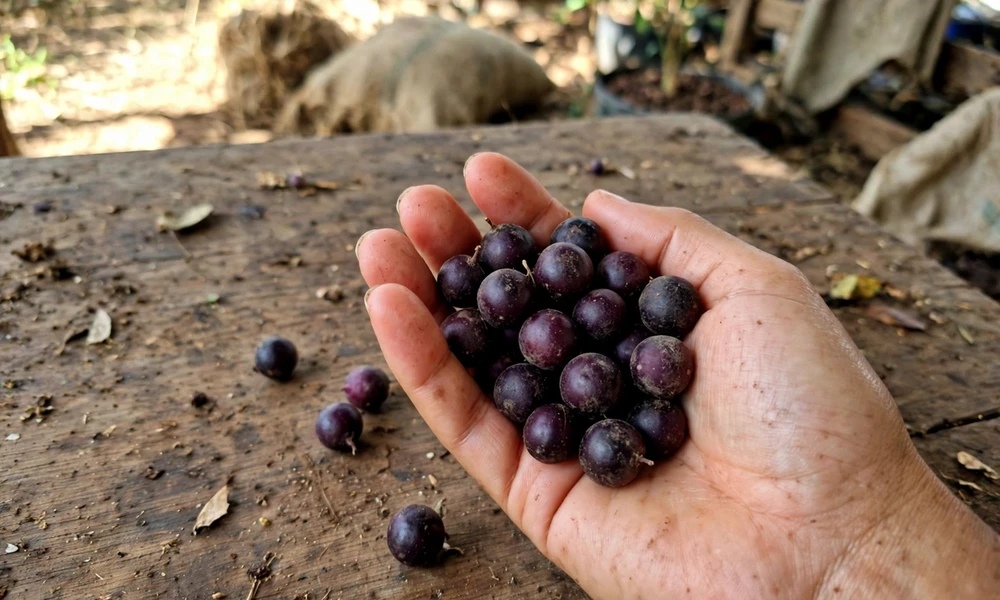
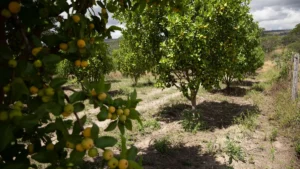
Then look at the farm itself. Mature trees matter more than a pretty house, because old trees fruit heavily and young ones do not. Meals matter more than room size, because you will spend your waking hours outdoors and at the table. And the host matters most of all: a host who walks the rows with you, answers messages promptly, and cooks what the farm grew will give you a better trip than a beautiful room with an absent owner.
The 9 steps to planning your grumixama escape
Pick your harvest week before you pick your farm
Choose a window of dates, then ask farms what they expect to be ripe inside it. Coastal farms ripen first, plateau farms later, and a wet spring can push everything by a week. A farm that names its weeks is worth more than a farm with a nicer website.
What to do: Write to three farms with your dates and ask for expected harvest weeks in writing. What to avoid: Booking a farm first and asking about fruit later. Best for: Anyone whose holiday dates are already set in stone. Time needed: One evening of messages. Standout tip: Keep a second week in reserve in case the season shifts.
Ask the farm which trees ripen first
Not every tree on a farm ripens at once, and the oldest trees usually fruit first. Ask the host which rows will be ready during your stay, and whether the picking walk visits them. The answer tells you how closely the farm watches its orchard.
What to do: Ask which rows ripen first and whether guests pick from them. What to avoid: Assuming every tree will be ready on the day you arrive. Best for: Travellers who want to pick, not just look. Time needed: One message. Standout tip: Old trees fruit first, so ask the age of the orchard.
Book the room that faces the orchard, not the road
Farmhouses have a quiet side and a noisy side, and the difference is usually one wall. Rooms facing the orchard wake you with birdsong and give you a view of the rows. Rooms facing the road wake you with the first truck. Ask for the orchard side when you book.
What to do: Ask for a room facing the orchard and a photo of the actual room. What to avoid: Accepting any room without asking where it faces. Best for: People who wake at first light. Time needed: One message at booking. Standout tip: A fan matters more than air conditioning on the coast.
Sort the drive before you sort the packing
Most grumixama farms sit at the end of a country road, and the last stretch is the part people forget. Confirm the drive time from the nearest town, whether the road is paved, and whether the farm can arrange a transfer. Do this before you book flights, not after.
What to do: Confirm drive time, road surface, and transfer options before booking travel. What to avoid: Landing at night and driving an unknown road in the dark. Best for: Anyone arriving without a hire car. Time needed: Half an hour of planning. Standout tip: Arrive before dark; the roads are unlit.
Put the wheat note in your first message
Farmhouse kitchens bake their own bread and serve set menus, so dietary needs are easiest to meet when the farm knows early. Mention wheat and gluten in your first message, along with any allergy, and ask what the kitchen can do. A farm that answers clearly is a farm that will feed you well.
What to do: Mention wheat, gluten, and allergies in the first message, not at the table. What to avoid: Waiting until arrival to explain a dietary need. Best for: Anyone who cannot eat wheat. Time needed: Two minutes. Standout tip: Ask what breakfast looks like without bread.
Plan one picking walk and one slow afternoon
A good escape needs both a purpose and a pause. Plan one proper picking walk, early in the morning when the fruit is cool, and one afternoon with nothing scheduled. The walk gives you the fruit; the slow afternoon gives you the place.
What to do: Book the picking walk for your first morning and leave an afternoon empty. What to avoid: Filling every hour with activities. Best for: Travellers who want rest as well as fruit. Time needed: An hour on the first morning. Standout tip: The best picking is at dawn, before the sun warms the fruit.
Taste the fruit three ways before you leave
Grumixama is best fresh from the tree, but the farm kitchen will show you more. Taste it fresh at dawn, as juice at lunch, and as jam or in a drink at dinner. The three tastes together tell you more about the fruit than any single bite.
What to do: Ask the kitchen for the fruit fresh, as juice, and as jam or in a drink. What to avoid: Judging the fruit on one hurried taste. Best for: Food lovers. Time needed: Across one full day. Standout tip: The jam keeps for months; buy a jar to take home.
Leave a morning free for the rain to pass
The Atlantic Forest coast brings sudden rain, and it usually clears within a few hours. If your schedule has no slack, a rainy morning feels like a lost day. If you leave one morning free, the rain becomes a reason to sit on the veranda with coffee and watch the forest steam.
What to do: Keep one morning unplanned and pack a light waterproof layer. What to avoid: Planning a long drive on your last morning. Best for: Coastal farms in the rainy season. Time needed: One free morning. Standout tip: Rain after dawn usually clears by lunch.
Pay the farm the evening before you leave
Small farms settle accounts by hand, and the morning of departure is busy with breakfast, bags, and the drive out. Ask for the bill the evening before, check it over coffee, and pay then. You leave calmly, and the host starts the day without paperwork.
What to do: Ask for the bill the evening before departure and check it calmly. What to avoid: Leaving the bill until the morning you drive out. Best for: Anyone with an early departure. Time needed: Fifteen minutes. Standout tip: Ask whether the farm takes cards before you arrive.
Grumixama season, the Atlantic Forest, and what to expect
Grumixama season runs a few weeks, usually late spring into summer, and it moves with the rain and the altitude. Coastal farms ripen first, helped by warm sea air. Plateau farms follow a little later, with cooler nights that slow the fruit down. A wet spring can push the whole season by a week, which is why dates in writing matter more than dates on a website.
Choosing a region is choosing a climate. The coast brings warm air, sudden rain, and early fruit. The plateau brings cool nights, slower ripening, and a longer window for travellers who cannot travel early. The hills around Belo Horizonte and Paraty sit between the two, with warm days and cooler evenings. None of them is better in itself; the question is which one matches the week you can travel.
The Atlantic Forest shapes everything about the trip. It is a wet, green, fragmented forest, and the farms sit in clearings at its edge. Expect sudden rain, loud birds at dawn, and evenings that cool quickly once the sun drops. The forest is also why the fruit stays rare: grumixama grows slowly, bruises easily, and never travelled well, so it stayed where it grew. Jabuticaba, which grows straight from the trunk, faces the same limits, and our guide to planning a jabuticaba farm escape covers the same kind of short, fragile season.
Expect simple comfort rather than luxury. Rooms are clean and comfortable, food is generous, and the days are quiet. If you want a spa, a bar, and a concierge, book a resort instead. If you want to pick dark cherries at dawn and eat them for breakfast, you are in the right place.
The caveats that matter
Most grumixama escapes go well, and the ones that do not usually fail on the same few points: the wrong week, the wrong road, or a dietary need mentioned too late. None of these is hard to avoid. They only need to be handled before you pay, not after you arrive.
| Detail | What is known |
|---|---|
| When to book | As soon as the farm names its harvest weeks; small farms fill fast |
| How long to stay | Three nights is the sweet spot: one to arrive, one to pick, one to rest |
| What the price covers | Usually room and meals; drinks and transfers are often extra |
| Getting there | Car or pre-booked transfer; the last stretch is a country road |
| Gluten and allergies | Tell the farm in your first message; kitchens bake daily and menus are set |
| Weather | Sudden rain on the coast; pack a light waterproof layer and keep a morning free |
| What to pack | Closed shoes for the rows, light clothes, repellent, sun protection |
| When to pay | Settle the bill the evening before departure; ask about cards in advance |
Checklist: before you book
Run through these checks before you pay anything.
- Confirm the harvest weeks in writing, and ask what happens if the season shifts.
- Confirm what the price covers: room, meals, drinks, transfers, and the picking walk.
- Confirm the journey: drive time, road surface, and whether the farm arranges transfers.
- Confirm the room: ask for a photo of the actual room and whether it faces the orchard.
- Confirm the kitchen: mention wheat, gluten, and any allergy in your first message.
- Confirm the terms: read the deposit and cancellation rules before you pay, not after.
Frequently asked questions
How far ahead should I book a grumixama farm escape?
As soon as the farm can name its harvest weeks, which is usually a few months ahead. The farms are small, with four to eight rooms, and the best weeks fill first. Booking early also gives you the pick of the orchard-facing rooms.
What if the harvest moves after I have booked?
Ask the farm this question before you pay. A good farm will move your dates within the season, or tell you honestly if the fruit will be early or late. Get the answer in writing, so there is no confusion later.
Can I visit a grumixama farm outside the harvest season?
Yes, and the farms are still beautiful, but there will be no fruit to pick. If the harvest is the reason for the trip, book inside the season. If you want a quiet farm stay in the forest, any week will do.
Is a grumixama escape suitable for a first farm stay?
Yes, it is a gentle introduction. The farms are small, the hosts are hands-on, and the days are simple. Start with a coastal farm that is easy to reach, stay three nights, and keep one morning free.
What does a grumixama escape cost?
Most farms on this list charge roughly $95 to $260 per person per night, with meals included. Prices move with the season and the room, and drinks and transfers are often extra. Ask for the full price, in writing, before you pay a deposit.
Will I manage without Portuguese at a grumixama farm?
It helps, but it is not essential. Many hosts speak some English, and a few phrases go a long way at the table. Goldenberry farm hosts are in the same position, as our guide to planning a goldenberry farm escape notes, so learn the basics and the farm will meet you halfway.
The bottom line
Planning a grumixama farm escape comes down to three things: the right week, the right farm, and a journey sorted before you leave. Get the harvest dates in writing, choose a farm with mature trees and a host who answers, and arrive before dark with a plan for the last stretch of road. Once those three are sorted, the trip largely looks after itself.
Book early, pack light, tell the kitchen about wheat in your first message, and leave a morning free for the rain. The fruit will be dark, the mornings will be quiet, and the cherries will taste of the place they grew.