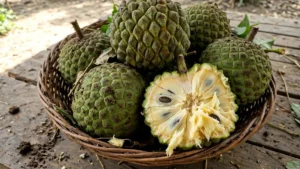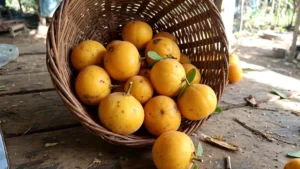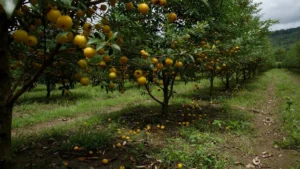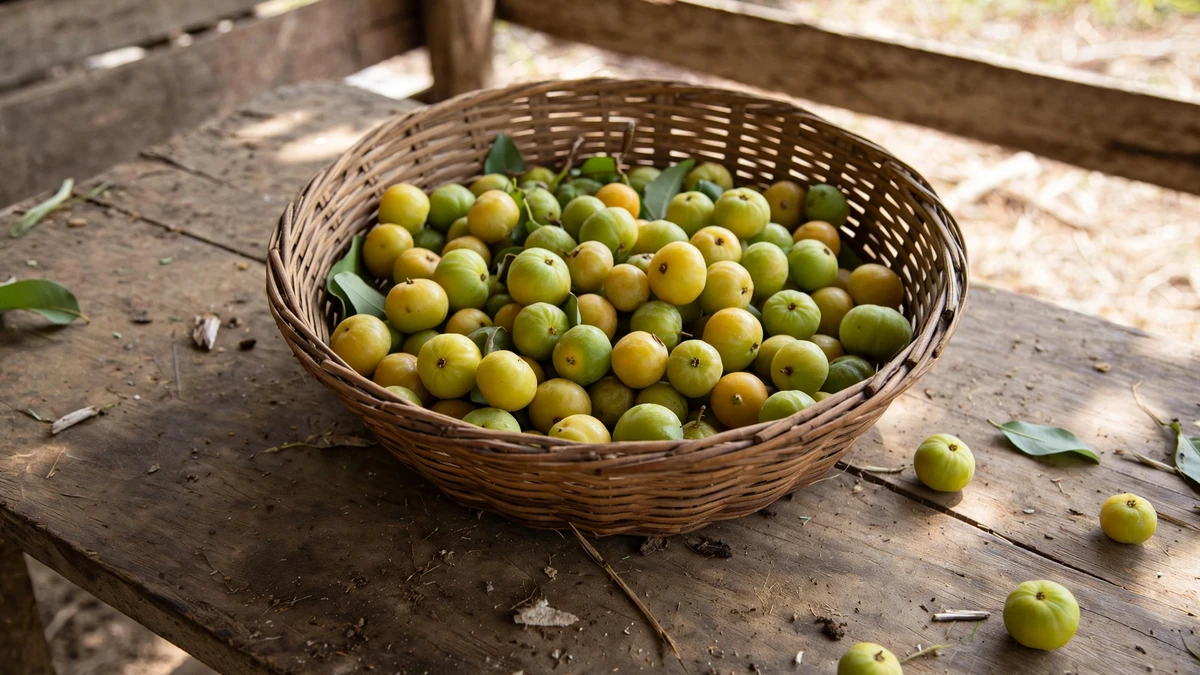

A cagaita farm escape is a short trip into the cerrado of central Brazil, built around a fruit that ripens for only a few weeks a year. The fruit is small, yellow-green, and tart, and it grows on trees scattered across the savanna around Goiânia, Brasília, and the smaller towns of Goiás. The escape works when you arrive in the fruiting weeks, sleep on a working farm, and eat the fruit the way the farm eats it: fresh in the morning, pressed into juice in the afternoon, and churned into ice cream after dinner.
Planning it well is mostly a matter of order. The fruiting dates come first, because they decide everything else. The farm comes second, because a good host makes the trip and a poor one wastes it. The journey comes third, because the cerrado is wide and the farms sit at the end of dirt roads, and the food comes fourth, because farm kitchens need notice to cook safely for anyone who cannot eat wheat or gluten. Get those four right and the rest of the trip follows.
This guide walks through the nine steps that turn the idea into a booked trip, from choosing a region to leaving a morning free at the end. It also covers which region fits your trip, the caveats that matter, and a checklist to run through before you pay a deposit, so you arrive in the right weeks, at the right farm, with nothing left to chance.
Key takeaways
- Cagaita is a tart yellow-green cerrado fruit, Eugenia dysenterica, and its fruiting weeks fall in the late dry season, roughly September to November, shifting by farm and by year.
- Plan in this order: fruiting dates first, then the farm, then the journey, then the food, because the season decides everything else.
- Ask the farm for its fruiting dates in writing, and tell the kitchen about wheat and gluten before you book, as farm kitchens use wheat daily.
- Three nights is a good length: one day to arrive and walk the orchard, one full day for the harvest and the cooking, and a slow final morning.
- Taste a little cagaita before a full bowl: a lot of it at once can loosen the stomach, so try a few fruit first, and keep the first taste small for children too.
What a cagaita farm escape actually is
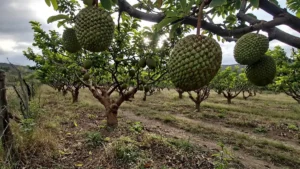
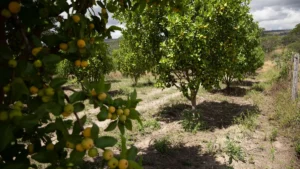
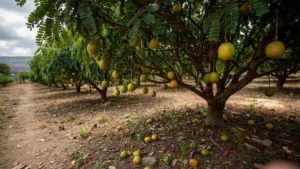
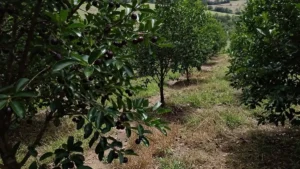
An escape to a cagaita farm means a few days on a family farm in the cerrado, where the fruit trees grow in rows or in loose stands among pasture and native woodland. The farms are small, with a handful of rooms and a shared dining table, and the day runs to the farm’s own clock: an early walk, a long breakfast, a quiet afternoon, and a home-cooked dinner.
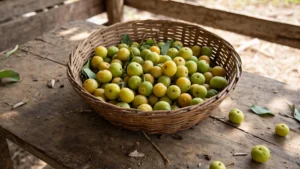
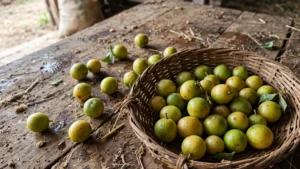
The fruit is what sets the trip apart. Cagaita is small and round, yellow-green when ripe, with a thin skin and a sharp flavour that recalls a green plum crossed with a passion fruit. You eat it straight from the branch, drink it as juice, and find it again at dinner as ice cream, sorbet, or a tart pudding.
Nothing on the farm is staged for visitors. The orchard is a working orchard, the kitchen cooks from the garden and the day’s pick, and the best evenings are the plainest ones: a simple meal, fruit for dessert, and a dark sky full of stars once the town lights are far behind you.
How to plan the trip, and what to ask first
Start with the season, not the farm. Write to two or three farms and ask for their fruiting dates for your year, then compare the answers and pick a week inside the overlap. A farm that answers with dates is a farm that knows its trees; a farm that answers with a shrug is a farm to avoid. Once the dates are set, choose the farm, then the journey, then the food, in that order.
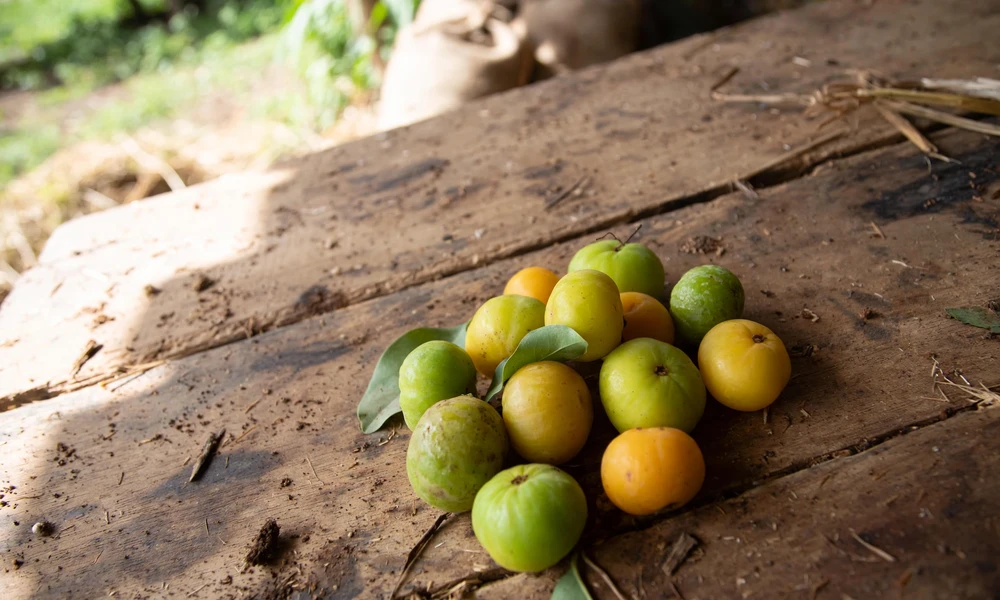
Before you pay anything, get three answers in writing: the fruiting dates for your year, whether the kitchen can cook without wheat or gluten, and how you reach the farm from the nearest town. The dates decide your trip, the food keeps you safe, and the journey saves you an expensive surprise on arrival day. A farm that answers all three plainly is a farm that looks after its guests.
Never pick a farm on its nightly rate alone. A cheap room on a farm with no ripe fruit is a poorer trip than a dearer room in full harvest, because the fruit is the whole point of going. Our guide to how to plan an arazá farm escape makes the same point for the Amazon, where the season is shorter and the journey longer, and the same rule holds here: the dates matter more than the price.
The 9 steps to a cagaita farm escape
Choose the region first, and let it set the dates
What to do: Choose between the farms near Brasília and Formosa, the farms around Goiânia and Anápolis, or the quieter farms of the south, near Rio Verde, Jataí, and Catalão, before you look at dates. What to avoid: Picking a random free weekend and hoping the fruit will be ready. Best for: Anyone planning a first trip to the cerrado. Time needed: One evening with a map. Standout tip: Pick the region that fits your trip, then let its season set your dates.
Write to three farms about their fruiting weeks
What to do: Write to two or three farms in your chosen region and ask for their fruiting dates for your year, then compare the answers and book inside the overlap. What to avoid: Trusting a general season guide instead of the farm’s own dates. Best for: Travellers coming a long way for this fruit. Time needed: One afternoon of messages. Standout tip: Get the dates in writing, so a late season cannot leave you guessing.
Compare the whole stay, not just the nightly rate
What to do: Compare the rooms, the meals, the orchard walks, and the journey, and weigh them together against the price. What to avoid: Choosing the cheapest room on a farm that is not harvesting while you are there. Best for: Travellers weighing two or three farms against each other. Time needed: One evening of reading replies. Standout tip: A farm that includes the walks and the juice-making is often better value than a cheaper room with nothing included.
Send the wheat note before you agree on dates
What to do: Tell the farm about wheat and gluten in your first message, before you agree on dates, and ask what the kitchen can cook for you. What to avoid: Mentioning it on arrival day, when the kitchen has already cooked. Best for: Anyone who needs wheat-free or gluten-free meals. Time needed: A single message, with an answer by the next day. Standout tip: Put the wheat note first, so the farm plans its shopping around you.
Hold the room with a deposit and a written note
What to do: Confirm the room, the dates, and the price in writing, then pay the deposit the farm asks for. What to avoid: Paying in full before you have the dates and the food confirmed in writing. Best for: Anyone booking in the busy fruiting weeks. Time needed: One day of messages. Standout tip: Ask what is refundable if the season shifts, and keep the answer with your booking.
Plan the road, the town, and the last stretch
What to do: Work out how you reach the nearest town, how you get from the town to the farm, and whether the farm collects you. What to avoid: Arriving at a bus station with no plan for the last 25 minutes of dirt road. Best for: Travellers without a car. Time needed: One afternoon of planning. Standout tip: Confirm the collection in writing, with a time and a meeting point.
Bring light clothes and shoes for rough ground
What to do: Pack light clothes for the heat, a hat, sunscreen, and sturdy closed shoes for the orchard rows. What to avoid: Packing only sandals, which are no use on uneven ground or after rain. Best for: Anyone walking the orchard at dawn. Time needed: One evening of packing. Standout tip: Bring a small bag for fruit, so you can carry the morning pick back to the kitchen.
Walk the orchard on your first morning
What to do: Go out with the host at dawn, walk the rows, and learn which fruit is ripe, which needs another day, and which trees the birds have already found. What to avoid: Sleeping in and missing the coolest, quietest hours of the day. Best for: Anyone who wants to understand the fruit, not just eat it. Time needed: One early morning. Standout tip: Taste a few fruit on the walk, then eat more at breakfast once your stomach has had a while.
Keep your last morning open
What to do: Leave the final morning free for a waterfall, a walk to the stream, or a slow breakfast, instead of packing the last day full. What to avoid: Booking an early departure that forces you to leave before dawn. Best for: Travellers who want to leave slowly. Time needed: Half a day, kept free. Standout tip: Buy pulp to take home on the last morning, when you know which flavour you liked best.
Which cagaita region fits your trip
For a short trip, stay near Brasília or Formosa, where the farms sit close to the capital and the journey is easy. With three or four days to spare, Goiânia or Anápolis work better, because the farms are bigger, the tables are generous, and the days run slower. The far south, around Rio Verde, Jataí, and Catalão, suits a longer stay with wide views and few other guests.
Pirenópolis is the pick if you want the farm plus a town: waterfalls, old streets, and restaurants a short drive away. Luziânia is the pick for cooler air, with a spring-fed pool and shaded rooms. Wherever you settle, the rule does not change: choose the place that fits your trip, then let its fruiting weeks fix your dates, because a farm with no ripe fruit is only a farm. Our guide to how to plan a camu camu farm escape follows the same idea for the Amazon, where the season is shorter and the journey is longer.
Families do best on a flat farm where the fruit hangs low, such as the one near Catalão, and the first tasting should stay small. Couples will find the most quiet at the hilltop farm near Jataí or the riverside farm near Rio Verde. Solo travellers will find the farms near Brasília and Goiânia the simplest to reach and the most used to guests arriving alone.
The caveats that matter
Cagaita is generous, but it has one habit worth knowing: a large helping in one sitting can loosen the stomach. That is no reason to skip it, only a reason to begin with a few fruit, wait a while, and then help yourself to more. The hosts know this well, and a good one will warn you before you fill a bowl. Children should start with a small handful too.
| Detail | What is known |
|---|---|
| Scientific name | Eugenia dysenterica, a fruit tree native to the cerrado of central Brazil |
| The fruit | Small round fruit, yellow-green when ripe, tart, thin-skinned, with one or two seeds |
| Where it grows | Goiás and the Federal District, in orchard rows and scattered cerrado stands |
| How it is eaten | Fresh from the tree, as pressed juice, as frozen pulp, and as ice cream or sorbet |
| Best season | Late dry season into the first rains, about September to November, varying by farm |
| Not to confuse with | Uvaia, another Eugenia species from the south, pear-shaped and sharper |
| Who should ask first | Guests needing wheat-free or gluten-free food, since farm kitchens cook with wheat every day |
| What it does not do | It keeps badly when fresh, so outside Brazil it is mostly sold frozen as pulp |
The journey needs the same care as the fruit. Cerrado farms sit at the end of dirt roads, the weather can change a track in an afternoon, and a small farm may own a single vehicle. Sort out your arrival and departure in writing before you pay a deposit, and bring cash, because card machines often fail far from town.
Checklist: planning a cagaita farm escape honestly
Use these checks before you book, and again the week before you travel.
- Check the dates: ask the farm for its fruiting weeks in writing for your year, and book inside them.
- Check the cooking: tell the farm about wheat and gluten before you book, and ask what it can prepare for you.
- Check the road: ask how to reach the farm from the nearest town, and whether the farm will collect you.
- Check the room: ask how many guests stay at once, and whether the rooms are cooled by air conditioning or fans.
- Check the money: ask what the deposit covers and what comes back if the season moves, and keep the answer in writing.
- Check the tasting: plan a small first taste of cagaita, wait, and then eat more, above all with children.
Frequently asked questions
How early should I book for the fruiting weeks?
As early as you can, and at least two months ahead for the best weeks. The fruiting window is short, the farms are small, and the best rooms go first. Write to the farm, ask for its dates, and hold the room with a deposit once the dates are confirmed.
What happens if the fruit is not ripe when I arrive?
A good farm will tell you before you travel, because the host watches the trees every day. If the season shifts, ask to move your dates rather than arriving anyway: the farm would rather have you in the right week than in the wrong one, and most will move a booking if you ask early.
Can I take cagaita pulp home with me?
Yes, most farms sell frozen pulp, which travels far better than fresh fruit. Buy it on your last morning, keep it frozen for the journey, and use it for juice, ice cream, or sorbet at home. Fresh fruit rarely survives a long trip.
How do I reach a farm without a car?
Take a bus to the nearest town, then ask the farm to collect you, or hire a local driver for the last stretch. Confirm the collection in writing, with a time and a meeting point, before you travel, because taxis are scarce in small towns and the farm road is not walkable with luggage.
Is a cagaita escape a good first trip to the cerrado?
Yes, it is one of the best. The farms are small, the hosts are welcoming, and the fruit gives the trip a clear purpose. Base yourself near Brasília or Goiânia for your first visit, where the journey is easy and the farms are used to guests who have never been to the cerrado before.
What should I pack for the orchard walks?
Light clothes, a hat, sunscreen, and sturdy closed shoes, because the ground is uneven and the sun is strong. Bring a small bag for fruit, a water bottle, and a light layer for the evenings, when the cerrado cools quickly after sunset.
The bottom line
The best cagaita escape in 2027 is a small working farm where the fruit is ripe on your dates, the host walks the orchard beside you, and the kitchen cooks from the day’s pick. Choose the region, get the fruiting weeks in writing, warn the kitchen about wheat and gluten before you book, and begin with a small taste of the fruit.
Spend three nights, taste the fruit fresh, drink the juice, and judge the escape by the cerrado at dawn rather than by the number of activities on the list. That is the plain way to meet a fruit you cannot buy at home, without the hurry that turns a farm stay into a tour. Our guide to how to plan a cupuacu farm escape follows the same idea for the Amazon, because the best fruit trips are always the ones where the season, not the brochure, sets the plan.