
Planning an ambarella farm escape is simpler than it looks, and the whole trip turns on one decision: picking the right weeks. Ambarella, also called caja-manga, ripens in a short golden window in the warm rainy months, and a farm that is alive with fruit in February can be quiet and green in July. Get the season right and everything else — the picking, the pressing, the pickles, the long lunches — falls into place. Get it wrong and you will still have a pleasant farm stay, but the fruit that brought you there will be missing.
This guide walks you through the trip in nine steps, from choosing your region to packing your bag for the journey home. It is written for travellers who have never been to a fruit farm before, and it assumes you want the real thing: a working orchard, a kitchen that cooks with its own harvest, and hosts who know their trees.
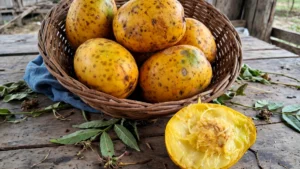
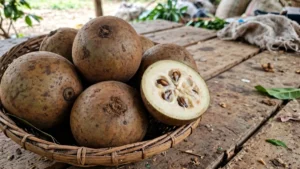
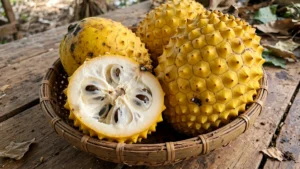
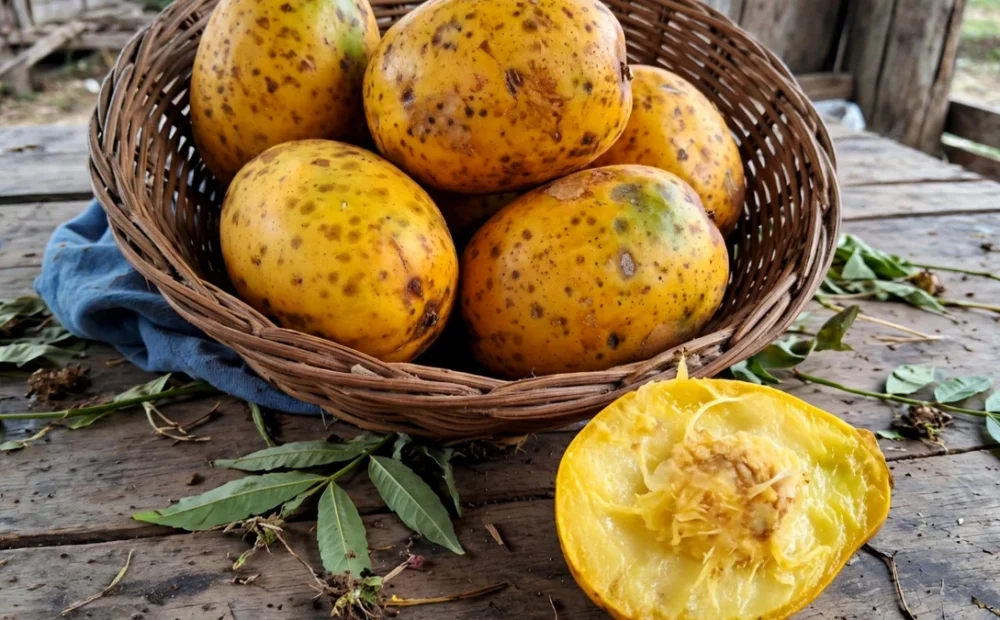
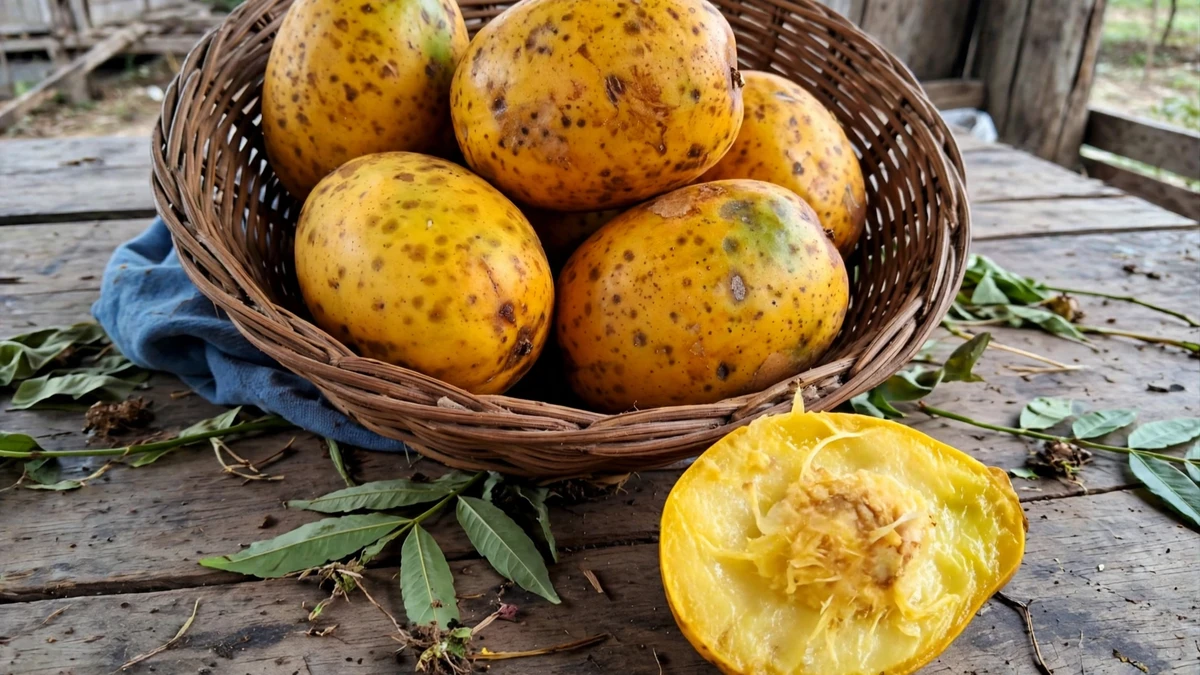
Ambarella is Spondias dulcis, a golden plum-like fruit with a tart-sweet bite, pressed into juice when ripe and pickled while still firm and green. It is a different species from cajá, Spondias mombin, the smaller sharper Amazon fruit, and from umbu, Spondias tuberosa, the small green-yellow fruit of the caatinga. Keep those three apart when you read farm listings, because a farm that grows ambarella will say so, and a farm that grows something else will not.
Key takeaways
- Book for the season first: the main ambarella harvest runs roughly December to April, and the fruit is the point of the trip.
- Choose a farm that grows its own fruit and presses or pickles it on site, with small picking groups and a host who works the orchard.
- City-near farms suit a two-night weekend; river farms around Belém and Manaus need three or four nights because the journey takes a day.
- Get every price in writing before you pay: the room, the walk, the tasting, the meals and the transfers, named separately.
- Ambarella is naturally gluten-free, but farm kitchens serve wheat breads, sauces and fried snacks, so send your wheat note in writing before you arrive and confirm what will be served instead.
What an ambarella farm escape actually involves
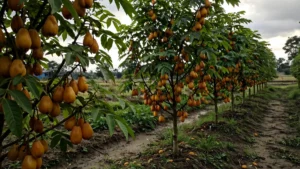
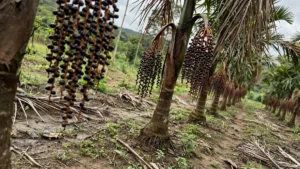
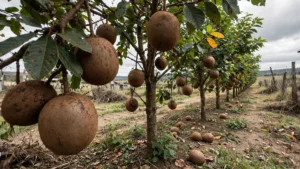
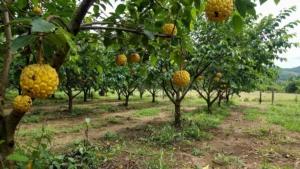
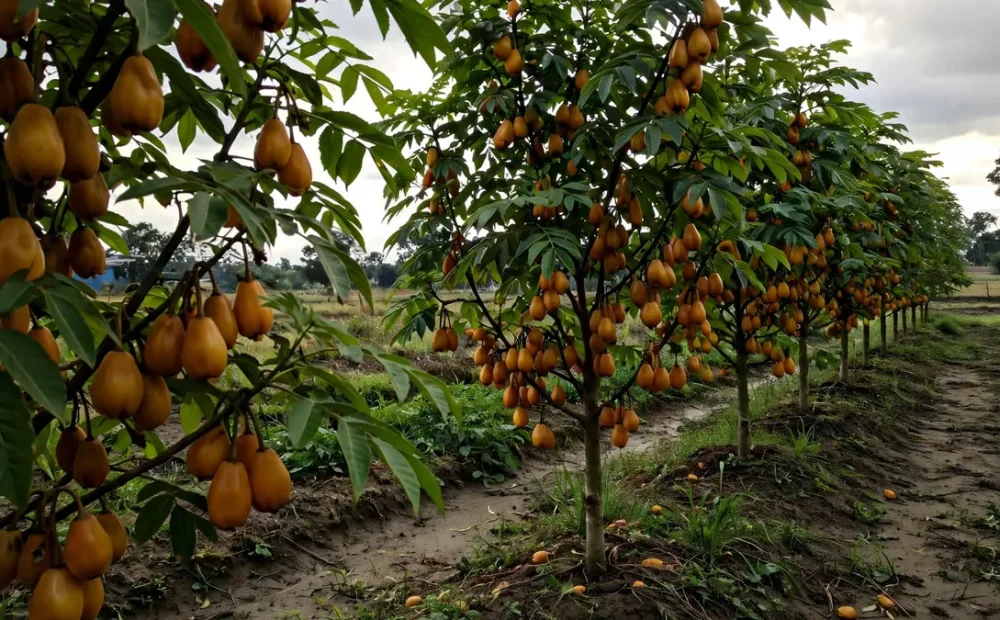
An ambarella farm escape is a stay on a working orchard during the harvest, built around the Spondias dulcis tree and the short season when its fruit turns gold. The trees grow in neat rows with spreading crowns, and the fruit hangs in loose clusters that you pick by hand, judging ripeness by colour and by how easily the fruit comes away. Mornings belong to the orchard: picking in the cool air, carrying the baskets back to the farmhouse, and watching the softest fruit go into the press while the firm green fruit goes to the pickling table.
The rest of the day is slower. Lunch is usually the biggest meal, served at one long table with the morning’s pick on the plate — juice from the ripe fruit, pickles from the green, a sauce for grilled fish or chicken. Afternoons are for shade or a walk between the rows, and evenings are quiet, with an early night before the next morning’s pick.
The trip suits travellers who like their days shaped by weather and harvest rather than by a timetable. You do not need to be fit, and you do not need to know anything about fruit farming; you need closed shoes, a hat, patience with heat and insects, and a willingness to eat what the farm is harvesting that week.
How to plan the escape and what to look for
Start with the season, not the farm. The ambarella harvest peaks in the warm rainy months, roughly December to April, when the fruit colours up and softens on the tree, and the exact weeks shift with the region: river farms in the north ripen a little earlier, highland farms a little later. Write to the farm and ask for its harvest dates in writing, and ask what happens if the fruit ripens late.
Then look at how the farm works. The best stays grow their own fruit in real quantity, press or pickle it on site, and keep the picking groups small enough that you can hear the answers to your questions. The cajá farm escape guide covers the same checks in detail, and the same logic holds here: a farm that shows you its press and its pickling jars is a farm that trusts its own harvest.

Finally, check the practical side before you commit. Ask how you get there and back, including the boat or car, the driver and the full price, and ask about the rooms in plain terms: a real bed, a working bathroom, shade, and cooling that actually works. A farm that answers all of that in one clear message is a farm that has done this before, and a farm that dodges the questions is telling you something too.
The 9 steps to plan your ambarella farm escape
Book around the fruit, not around the fares
What to do: Write to two or three farms and ask for their harvest dates in writing, then book your flights around the weeks they name. What to avoid: Booking a cheap flight first and hoping the fruit is ripe when you land. Best for: Anyone travelling in the main season. Time needed: An afternoon of messages. Standout tip: Ask each farm what it does if the fruit ripens late, and keep the answer with your booking.
The fruit decides the trip, not the airline, and a farm that names its weeks honestly is worth more than a fare that saves you fifty dollars.
Pick the region that fits your appetite for travel
What to do: Choose a city-near farm for a short trip and a river farm for a longer one, and be honest about how much travelling you enjoy. What to avoid: Choosing Manaus for a two-night weekend and spending both days in transit. Best for: Travellers deciding between a quick taste and a deep trip. Time needed: An evening of reading. Standout tip: Count the journey in hours, not kilometres, and add half a day for the river.
São Paulo and Salvador suit a long weekend, Belo Horizonte and Goiânia suit a slow week, and Belém and Manaus reward travellers who can give the journey its own day.
Ask the farm to show you its trees, not its brochure
What to do: Ask how many ambarella trees the farm has in bearing, and whether the juice and pickles come from its own fruit. What to avoid: A stay where the fruit is bought in from a market and the tasting is a display. Best for: Anyone who wants the real harvest. Time needed: One message. Standout tip: A farm that photographs its press and its jars is usually proud of them for a reason.
The number of trees and the sight of the press tell you more about a farm than any number of glossy photos of the pool.
Sort the journey door to door before you pay
What to do: Confirm the car, the boat, the driver and the round-trip price in writing, and ask what happens if a flight is late. What to avoid: Arriving at a rural bus stop with no driver and no signal. Best for: River farms and remote orchards. Time needed: An hour of messages. Standout tip: Save the driver’s number and the farm’s number on paper, not just on your phone.
The journey is part of the trip, but only when someone is waiting for you at the other end of it.
Flag the gluten-free meals when you first write to the farm
What to do: Tell the kitchen in writing that you need wheat-free meals, and ask it to name what it will serve instead. What to avoid: Mentioning it for the first time at the dinner table, when the bread is already on it. Best for: Anyone who eats gluten-free. Time needed: Ten minutes. Standout tip: Ask about breakfast specifically, because that is where wheat hides most often.
Ambarella itself is naturally gluten-free, but the breads, sauces and fried snacks on a farm table are not, and a kitchen that has time to plan will feed you well.
Pack light layers, a rain shell and sturdy shoes
What to do: Pack closed shoes, a hat, light long sleeves, repellent, a rain layer and a small bag for the orchard. What to avoid: Sandals in the rows, where the ground is uneven and the insects are serious. Best for: Every traveller, every region. Time needed: An evening of packing. Standout tip: Bring a spare shirt for the picking walk, because the morning is warm work.
The orchard is hot by ten and wet when the rain comes, and the travellers who enjoy it most are the ones dressed for both.
Learn to judge ripeness in the first hour
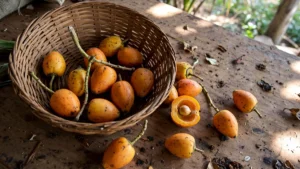
What to do: Ask your host to show you a green fruit, a turning fruit and a ripe one, and pick only what comes away easily. What to avoid: Pulling hard at fruit that resists, which bruises the tree and the fruit. Best for: First-time pickers. Time needed: One morning walk. Standout tip: Taste the ripe fruit on the spot, and save the green fruit for the pickling table.
Ripeness is a colour, a softness and a willingness to let go, and once you have felt all three you will not need to ask again.
Take the pickling session, not just the picking walk
What to do: Join the pickling or preserving session, and make a jar of your own to take home. What to avoid: Treating the kitchen as a show and missing the part that lasts. Best for: Travellers who like to cook. Time needed: An afternoon. Standout tip: Ask for the recipe in writing, because the proportions matter more than the ingredients.
The picking is the fun and the pickling is the souvenir, and a jar of green ambarella with chilli keeps for months after the trip is over.
Spend your last morning at the market before you leave
What to do: Spend your last morning at the nearest market, buy preserves and pickles, and leave the ripe fruit on the farm. What to avoid: Filling a bag with ripe fruit that bruises before the flight. Best for: Anyone flying home. Time needed: A morning. Standout tip: Wrap the jars in your clothes, and check the airline rules for liquids before you pack.
The market is the last tasting of the trip, and the jars in your bag will still be good when the memory of the orchard starts to fade.
Matching the trip to you
First-time visitors should keep it simple: a city-near farm, two nights, and a flight that leaves you a full day in the orchard. São Paulo and Salvador both give you picking, pressing and pickling without a long journey, and both are forgiving if the weather turns. You will learn the fruit, eat well, and be home by Sunday night.
Food lovers should choose the farms where the kitchen leads: Recife for its sauces, Fortaleza for its shelf of pickles and chutneys, Goiânia for a farmhouse table that cooks everything from the garden and the orchard. The umbu farm escape guide follows the same kitchen-first logic, and if that style of trip suited you, Recife will suit you too.
Adventurous travellers should go north. Belém and Manaus ask for three or four nights, a boat, and a day without phone signal, and they repay it with the ripest fruit of the whole trip and orchards that touch the forest. Belo Horizonte sits between the two styles: a highland farm for travellers who want to understand the tree as well as taste it.
The caveats that matter
Ripe ambarella bruises fast, and a fruit that is perfect at breakfast can be soft and marked by lunch, which is why the farms pick little and often and why you should not plan to carry ripe fruit home. The pickles and preserves are the part of the harvest that travels, and the farms know it: ask what keeps, what needs a cool bag, and what the airline allows before you fill a suitcase.
| Detail | What is known |
|---|---|
| Botanical name | Spondias dulcis, also called caja-manga, a golden plum-like tropical fruit |
| Best season to visit | The warm rainy months, roughly December to April, when the fruit colours gold |
| What to taste | Fresh juice from ripe fruit, and pickles and chutneys from firm green fruit |
| How it differs from cajá | Cajá is Spondias mombin, a smaller sharper Amazon fruit; ambarella is larger and sweeter |
| How it differs from umbu | Umbu is Spondias tuberosa, a small green-yellow caatinga fruit; ambarella is golden and larger |
| What to wear in the orchard | Closed shoes, a hat, and light long sleeves for sun and insects |
| What keeps for the journey home | Pickles, chutneys and preserves travel well; ripe fruit bruises within a day |
| Gluten note | The fruit is naturally gluten-free, but farm kitchens serve wheat breads and fried snacks, so confirm your meals in writing |
Checklist: planning your ambarella farm escape honestly
Work through these in order, and do not pay until all of them are answered.
- Confirm the harvest dates in writing, and ask what the farm does if the fruit ripens late.
- Confirm the journey door to door: the car, the boat, the driver, and the full round-trip price.
- Confirm the room in plain terms: a real bed, a working bathroom, shade, and cooling that works.
- Confirm the tasting: what it includes, and whether the juice and pickles come from the farm’s own fruit.
- Send the wheat and gluten note in writing, and ask the kitchen to name what it will serve instead.
- Pack closed shoes, a hat, long sleeves, repellent and a rain layer, and leave room in your bag for jars.
Frequently asked questions
When should I book an ambarella farm escape?
Book for the warm rainy months, roughly December to April, and write to the farm for its exact harvest dates before you book flights. River farms in the north ripen a little earlier and highland farms a little later, so the farm’s own dates matter more than any general season.
How is ambarella different from cajá?
Ambarella is Spondias dulcis, a large golden fruit grown in orchards and also called caja-manga, while cajá is Spondias mombin, a smaller, sharper fruit of the Amazon and the coast. They share a family and a similar shape, but the flavour, the size and the cooking are all different.
Do I need to know anything about farming before I go?
No. The farms on this list welcome first-time visitors, and your host will show you how to judge ripeness and how to pick without bruising the tree. Closed shoes, a hat and patience with heat and insects are all you really need.
How many nights does an ambarella escape need?
Two nights suits a city-near farm, and three or four suits the river farms around Belém and Manaus, where the journey takes most of a day. More nights also mean tasting the fruit as it ripens day by day.
Are children welcome on the ambarella picking walk?
Yes, on most farms, and the city-near orchards with low trees suit children best. Tell the farm their ages in advance, bring closed shoes and repellent, and keep them in the shade during the hottest part of the day.
What other fruit farm trip is like this one?
If you liked the tart-sweet balance of ambarella, the carambola farm escape offers a star-shaped fruit with the same bright acidity, and the cajá farms give you the sharper Amazon cousin of the same family.
The bottom line
An ambarella farm escape is a short, sweet trip that turns on the season. Pick the right weeks, choose a farm that grows its own fruit and presses or pickles it on site, get every price in writing, and send your wheat note before you book. Done in that order, the trip is simple, honest and generous — and the fruit, eaten ripe under the tree it grew on, is worth the planning.
Start with the harvest dates, not the flights, and let the farm’s answer shape the rest. Pack for heat and rain, take the pickling session as well as the picking walk, and carry jars home instead of ripe fruit. That is the whole trip, planned properly, and it is one you will want to repeat when the next season comes round.