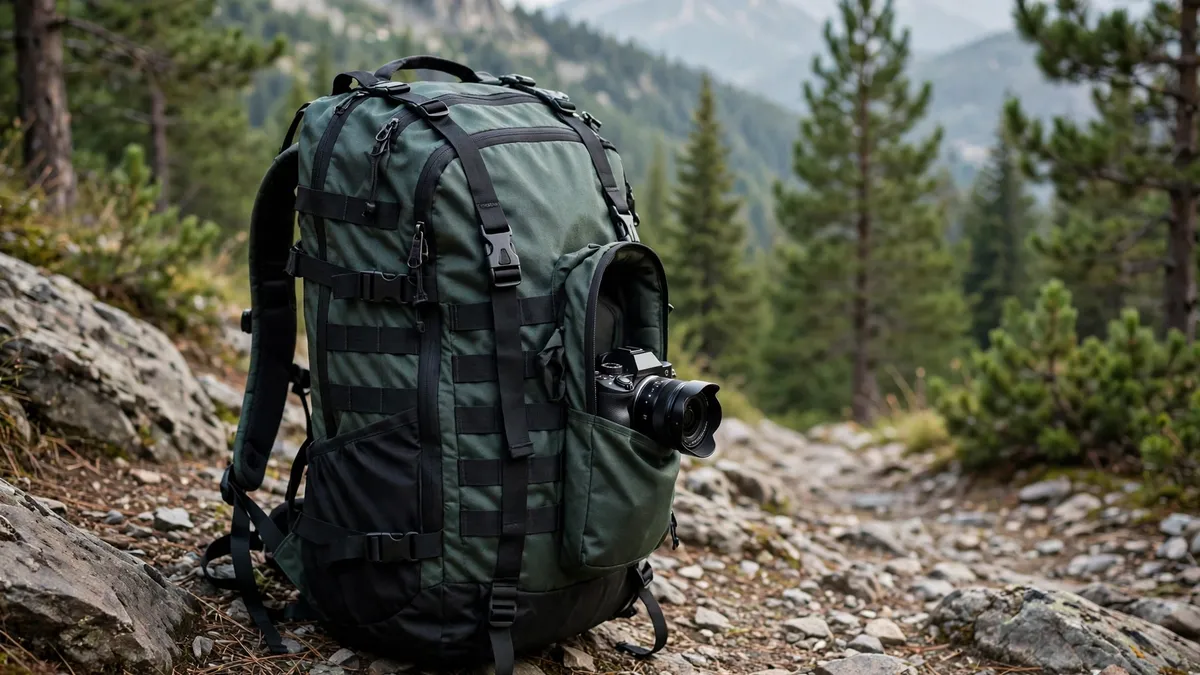
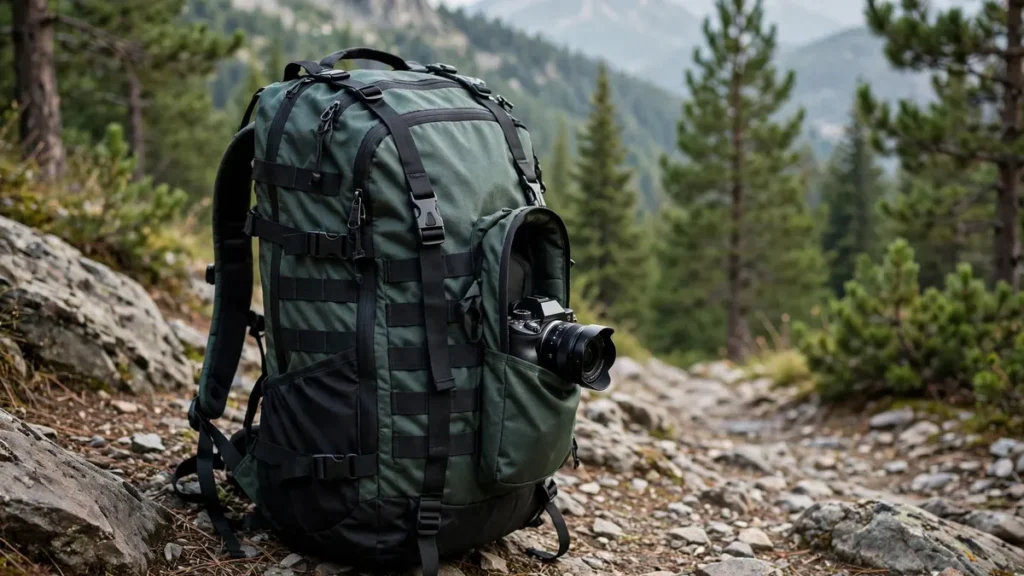
The best camera bag for hiking in 2027 is one that protects your gear, carries comfortably for hours, and lets you reach your camera without taking the whole pack off. That sounds simple, yet most bags get one of those three things wrong.
The answer to the question of what is the best camera bag for hiking in 2027 depends on how far you walk, how much kit you carry, and how rough the weather gets. This guide narrows it down to ten bags that handle real trails well.
A good hiking camera bag is not the same as a good camera bag. It needs a proper harness, a hip belt that takes the weight, and a rain cover for sudden showers. A bag that rubs or bounces will spoil the walk long before the views do.
Key takeaways
Comfort matters as much as protection on any walk longer than an hour. Side or rear access saves you from unpacking at every viewpoint.
A rain cover and sealed zips are worth having on British hills. Match capacity to your kit, not your ambition.
What Makes a Great Hiking Camera Bag
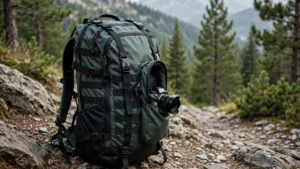
Start with the harness. A hiking camera bag should sit close to your back, with padded straps, a sternum strap, and a hip belt that carries most of the load.
A thin webbing hip belt leaves the weight on your shoulders, and that gets old fast on a climb. Try the pack on with your actual camera kit inside, not just empty.
Access comes next. The best bags open from the side or the back, so you can swing the pack round and pull your camera out without setting it down in the mud. Top-loading bags are slow when the light changes.
Weather protection is the third pillar. Look for water-resistant fabric, sealed zips, and a rain cover tucked into a base pocket.
A shower on a ridge can arrive in minutes. A tripod attachment, a waist-belt pocket, and a laptop sleeve all add up too. If you want a broader sense of good packs, our guide to the best luxury backpack brands is a useful place to start.
The 10 Best Camera Bags for Hiking at a Glance
| Bag | Ideal for | Capacity | Standout feature |
|---|---|---|---|
| Peak Design Everyday Backpack 20L | Fast access on day hikes | 20 litres | Side access, MagLatch top |
| Shimoda Explore V2 30 | Serious landscape photography | 30 litres | Adjustable torso, deep core |
| Lowepro ProTactic BP 350 AW II | All-weather protection | 22 litres | Rain cover, four access points |
| Think Tank Photo BackLight 26L | Rear access on the trail | 26 litres | Rear-panel access |
| Wandrd Prvke 31 | Travel and hiking combined | 31 litres | Expanding roll-top |
| Manfrotto Pro Light Backloader | Lightweight day hikes | 16 litres | Slim back-loading design |
| Lowepro Flipside 300 AW III | Budget-conscious hikers | 20 litres | Body-side access, rain cover |
| Peak Design Everyday Sling 10L | Short walks and viewpoints | 10 litres | Swings round for access |
| Shimoda Action X30 | Rugged multi-day treks | 30 litres | Tough shell, huge opening |
| Think Tank Photo TurnStyle 20 V2 | Fast and light hiking | 8 litres | Belt-pack style, worn on hip |
1. Peak Design Everyday Backpack 20L
Best for: fast access on day hikes.
This is the bag most hikers reach for when they want a camera pack that does not look like one. The side openings let you grab your camera without taking the pack off, and the magnetic top latch opens one-handed. It holds a mirrorless body, two or three lenses, and a small tripod without feeling bulky.
It is the rare camera bag that looks at home in a cafe as well as on a crag.
2. Shimoda Explore V2 30
Best for: serious landscape photographers.
Shimoda built this pack with mountain photographers in mind, and it shows. The adjustable torso fits a wide range of heights, which matters when you are carrying heavy glass up a long climb. The camera core lifts out, so it doubles as a normal hiking pack on non-shooting days.
Side access is quick, and the harness is genuinely hiking-grade, with a proper hip belt and load lifters.
3. Lowepro ProTactic BP 350 AW II
Best for: all-weather protection.
Lowepro has made camera bags for decades, and the ProTactic is its toughest hiking option. Four access points mean you can reach your camera from the top, both sides, or the front. The built-in rain cover deploys in seconds, and the zips keep drizzle out before you pull it on.
4. Think Tank Photo BackLight 26L
Best for: rear access on the trail.
Rear access is the BackLight’s big idea. The camera compartment opens from the panel against your back, so nobody can slip a hand in while you walk through a busy trailhead. On the hill, you set the bag down face-up and everything is laid out in front of you.
It fits a body, three lenses, and a laptop, and the hip-belt pockets are handy for a lens cloth.
5. Wandrd Prvke 31
Best for: travel and hiking combined.
The Prvke is the bag for hikers who fly to their trails. The roll-top expands when you need extra space and cinches down when you do not, which makes it unusually flexible. Side access gets your camera out fast, and the weatherproof fabric shrugs off rain.
6. Manfrotto Pro Light Backloader
Best for: lightweight day hikes.
Some hikes call for less, not more. The Pro Light Backloader is a slim 16-litre pack that carries a mirrorless body, two lenses, and the basics without weighing you down. Back loading keeps the camera secure and the profile neat on narrow paths.
The harness is simple but comfortable for a few hours, and it will not carry a big telephoto or a full day’s food.
7. Lowepro Flipside 300 AW III
Best for: budget-conscious hikers.
The Flipside proves you do not need to spend a fortune to protect your camera on a hike. Its body-side opening sits against your back while you walk, which keeps your gear safe and makes access a simple swing-round.
For a first hiking camera bag, it is an easy recommendation. A rain cover is included, as you would expect from Lowepro.
8. Peak Design Everyday Sling 10L
Best for: short walks and viewpoints.
A sling is not a backpack, and that is exactly why it works for short walks. The Everyday Sling swings from your back to your chest in one smooth move, so your camera is in your hands before the light changes. It holds a mirrorless body, one spare lens, and a few small extras.
The strap is wide and padded, and the bag stays stable while you scramble over rocks.
9. Shimoda Action X30
Best for: rugged multi-day treks.
The Action X30 is built for hikers who treat their gear roughly and their landscapes seriously. The tough outer shell resists scrapes on rock, and the huge rear opening gives full access to the camera core. It swallows a full-frame body, several lenses, and a tripod with room to spare.
10. Think Tank Photo TurnStyle 20 V2
Best for: fast and light hiking.
The TurnStyle is a belt pack that wears like a sling, and it suits hikers who travel light. It holds a mirrorless body and a spare lens, rides on your hip, and rotates round to your front when you need to shoot. There is no backpack to take off, no straps to loosen, and no faff.
It will not carry a jacket, food, or water, so pair it with a small day pack.
How to Pack a Camera Bag for a Hike
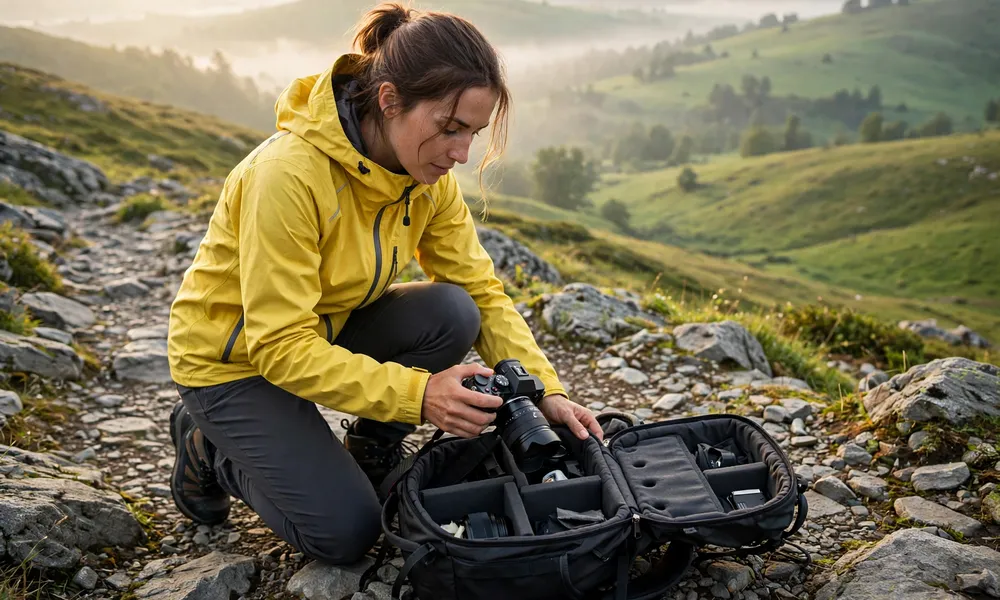
Pack heavy items close to your back and low down. Your camera body should sit near the centre of the pack, where it moves least as you walk.
Lenses go in padded dividers with their caps on, and a lens cloth lives in a hip-belt pocket. Keep spare batteries warm in an inside pocket on cold days, since cold drains them fast.
Keep the things you need often on top or in outside pockets. That means water, snacks, sunscreen, and your rain cover. Nothing ruins a good walk like unpacking your whole camera kit to find a water bottle.
Our guide on how to pack a luxury carry-on uses the same idea of keeping essentials within easy reach, and it works just as well on a trail.
Hiking Camera Bag Checklist
- Try the harness with weight inside before you buy.
- Make sure your camera body and longest lens fit with the dividers in place.
- Check the rain cover is included and that you know how to fit it quickly.
- Confirm the tripod attachment keeps your tripod stable while you walk.
- Look for side or rear access so you can shoot without unpacking the whole bag.
- Leave space for water, food, a jacket, and a first-aid kit on every walk.
- Test the zips with gloves on.
- Weigh the packed bag before a long hike and remove anything you will not use.
Which Bag Suits Your Hiking Style
Day hikers should start with the Peak Design Everyday Backpack or the Lowepro Flipside. Both are comfortable, quick to access, and big enough for a camera kit plus lunch.
Landscape photographers carrying heavy glass will be happier with the Shimoda Explore V2 30 or the Action X30. The extra capacity and stronger harness make a real difference when the pack is full. If you often stop at viewpoints to rest, our round-up of the best luxury camping chair brands covers comfortable options for the trailhead.
Frequently Asked Questions
What size camera bag do I need for hiking?
For most day hikes, a 20-litre bag is the sweet spot. It holds a mirrorless body, two lenses, and the basics. Go up to 30 litres for a full-frame kit, a telephoto lens, or overnight gear.
Are camera backpacks waterproof?
Most camera backpacks are water-resistant rather than fully waterproof. They handle drizzle and light rain well, but a heavy downpour calls for the rain cover. Pack a dry bag for spare batteries and memory cards, just in case.
Can I use a normal hiking backpack for my camera?
You can, with a padded camera insert or cube, and many hikers do exactly that. A dedicated camera bag is quicker and better organised, though, and worth it if you shoot often.
How do I carry a tripod on a camera bag?
Most hiking camera bags have side straps or a dedicated tripod pocket. Strap the tripod along one side with the legs pointing down, and tighten the straps so it cannot swing. Check the balance first, since a loose tripod throws your stride off.
Is a sling or a backpack better for hiking with a camera?
A backpack wins for long walks and heavy kits, because it spreads the weight across both shoulders and your hips. A sling wins for short walks, because it gives instant access. Choose based on how far you walk and how much gear you carry.
Final Thoughts
The best camera bag for hiking in 2027 is the one that fits your body, your kit, and your walking style.
Comfort, access, and weather protection matter more than brand names or extra pockets. The right bag disappears on your back and puts the camera in your hand when it matters. Pick the bag that suits the hikes you actually do, not the ones you dream about.
Try the harness on and take it on a short walk before a big day out. A bag that feels right on a two-hour stroll will feel right on a mountain too.
Please note: check the forecast and route conditions before a hike, tell someone your plans, and carry water, food, and a charged phone.