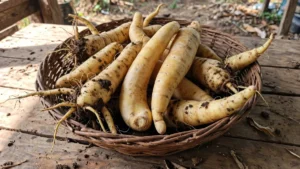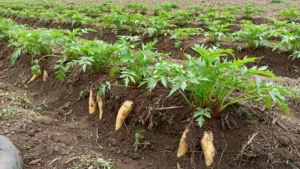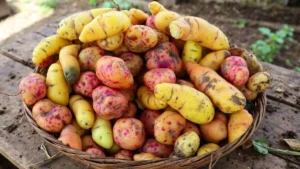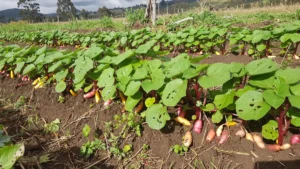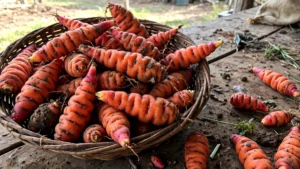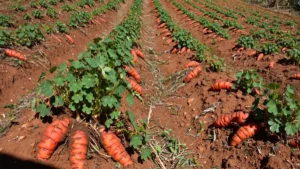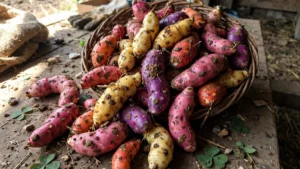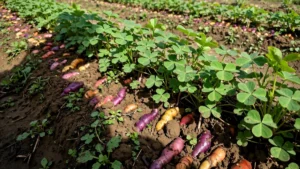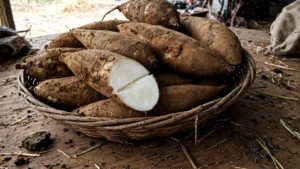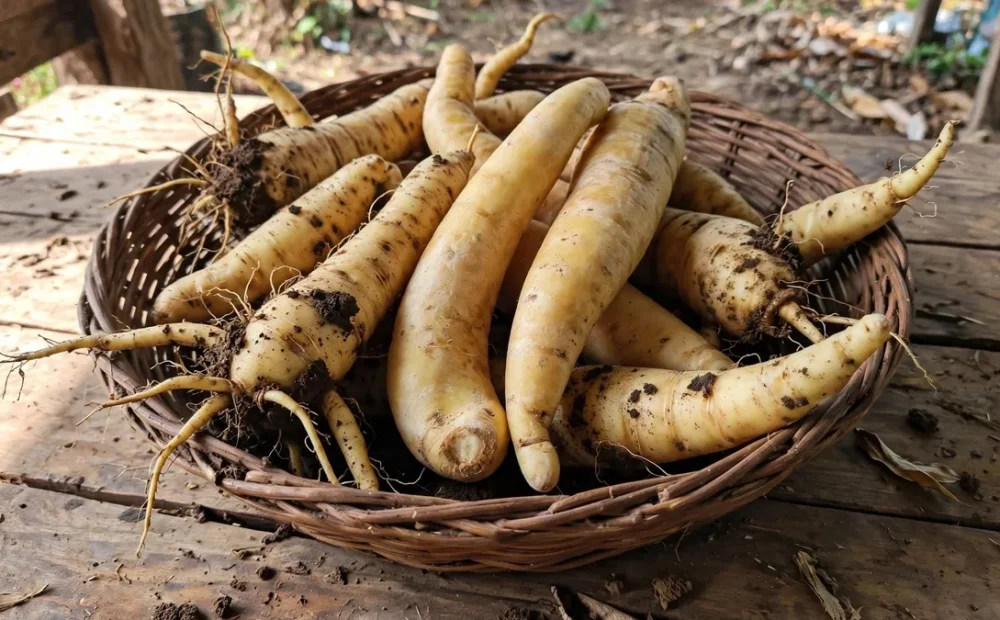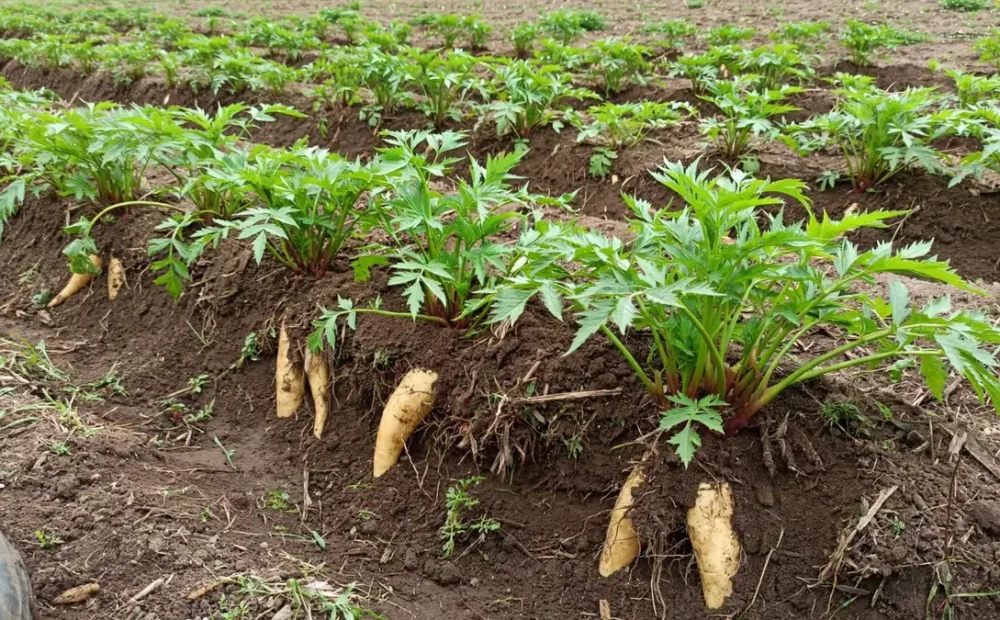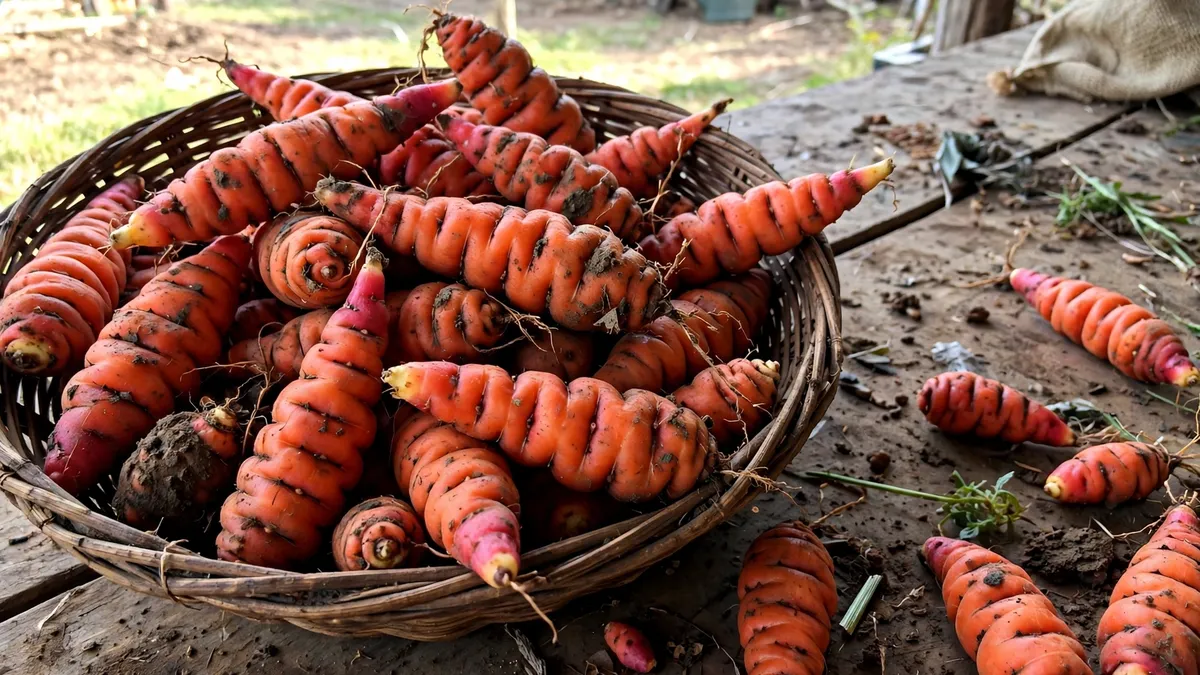
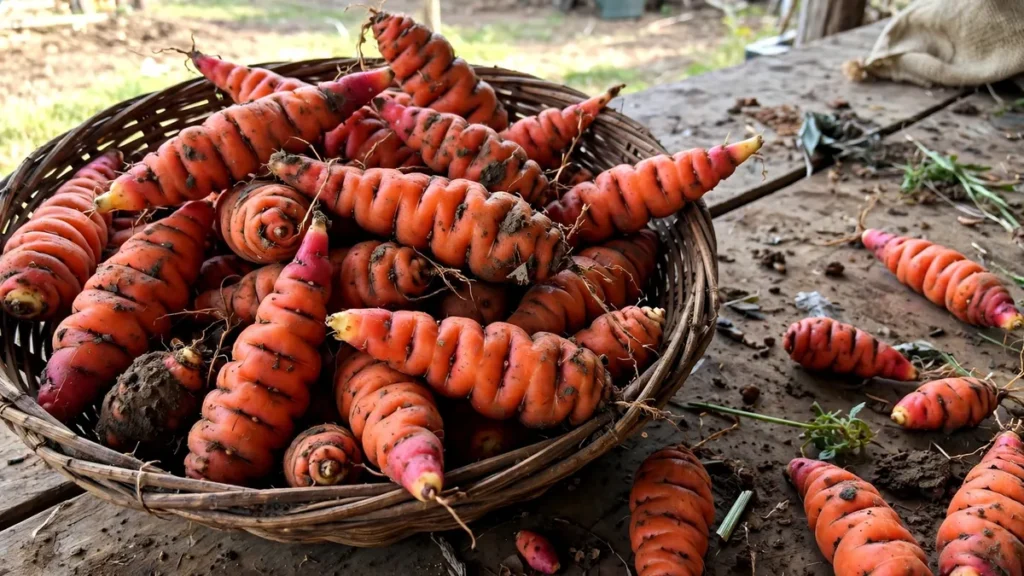
A mashua farm escape is a few days on a working Andean farm, digging tubers in the morning and eating them at noon. It is not a resort with a farm label. The rooms are in the farmhouse, the cook is part of the family, and the day is set by the field, the weather and the stove. If that sounds like hard work, it is, a little. It is also the most direct way to understand a crop that has fed the high Andes for centuries.
Planning one takes more care than booking a hotel, because the farms are remote, high, and small. There are no front desks, no shuttle buses, and no menus to choose from. You write to the farm, you agree on dates, you arrive by a road that may be unpaved, and you eat what the farm cooks. The reward is a stay that feels genuinely different from a normal holiday, and a kitchen education you cannot get from a restaurant.
This guide walks through the nine steps that make a mashua farm escape work, from picking a region to getting home again. Follow them in order, give yourself time, and the trip will be far smoother than it looks from the outside.
Key takeaways
- Book the farm first and the travel second, because the farms are small and the good dates go early.
- Harvest season, roughly April to July, is the best time to go, and May and June are the sweet spot.
- Altitude is the main planning problem, so build in a slow first day and a lower arrival night if you can.
- Write to the farm about food, health and arrival time before you book, not after.
- Mashua itself has no gluten, but farm kitchens cook with wheat flour, so raise any gluten-free needs in your first message.
What a mashua farm escape looks like
A typical day starts early. Breakfast is bread, eggs, cheese and tea, served in the farmhouse kitchen while the mist is still on the fields. By eight you are walking to the rows with a digging fork, and the morning is spent loosening the soil and lifting the tubers out by hand. The work is steady rather than frantic, and the farm family works beside you, sorting the tubers into sacks by colour and size as they go.
Lunch is the centre of the day. The cook takes the morning’s dig and turns it into soup, or roast tubers, or mash, and the meal is eaten together at a long table. Afternoons are slower: a walk, a rest, a visit to the market, or a turn in the kitchen learning how the cook seasons the tuber. Evenings are quiet. The stove is lit, the tea is hot, and the night sky at 3,500 metres is something most travellers have never seen properly before.
None of this is staged for guests. The farm would be digging whether you were there or not, and the rhythm of the week belongs to the crop, not to a schedule written for visitors. That is what makes it worth doing. You are joining a working week, not watching a show, and the farms are honest about that in their replies. If a farm promises a full programme of activities and a spa, it is probably not a mashua farm at all.
Before you book: the planning basics
Start by choosing a region, not a farm. Cusco has the most choice and the best transport links. Cajamarca is the gentlest altitude. Puno is the starkest and highest. La Paz gives you a city day as well as a farm stay. Pick the region that fits your trip, then look for a farm inside it, rather than falling for one beautiful photo and building a whole journey around it.
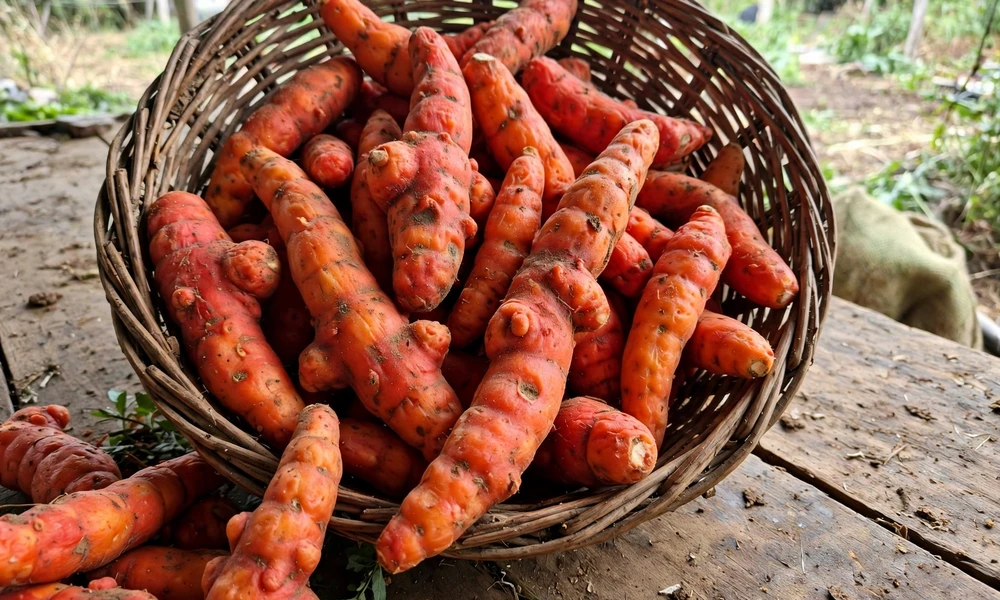
Then check the season against your dates. Mashua is planted in October and November and dug from April to July, so a trip in May or June puts you in the fields at the right moment. A trip in February will find the plants green and growing, which is pretty but not the same experience. Our guide to planning a jabuticaba farm escape makes the same point about fruit seasons: the crop sets the calendar, and the calendar does not bend for the traveller.
The 9 steps to planning a mashua farm escape
Pick a region that fits your route
What to do: Choose Cusco for choice and transport, Cajamarca for gentle altitude, Puno for the high stark landscape, La Paz for a city day as well. What to avoid: Do not pick a farm from one photo and then try to build a route around it. Best For: Travellers who already know their wider itinerary. Time Needed: An evening of reading. Standout Tip: A region with two or three farms gives you a fallback if your first choice is full.
The region decides the altitude, the weather and the journey, and those three things decide most of the trip. Get the region right and the rest is detail.
Lock in the farm dates before you book travel
What to do: Write to the farm first, agree on dates, and only then book flights and buses. What to avoid: Do not book non-refundable travel before the farm confirms, because small farms fill fast and change dates slowly. Best For: Anyone travelling in May or June. Time Needed: A few days of messages back and forth. Standout Tip: Ask for a written confirmation of dates, price and what is included.
Farm replies can be slow, sometimes a day or two, because the family is in the fields, and a reply written at night after a long day in the soil is worth waiting for. That is normal. Wait for the answer rather than booking around a guess.
Arrive low, then climb slowly
What to do: Spend your first night in a town lower than the farm, then move up the next day. What to avoid: Do not fly in and drive straight to 3,800 metres in one day. Best For: First-time highland travellers. Time Needed: One extra night. Standout Tip: A night in Cusco or Arequipa before the farm makes the first morning far easier.
Altitude sickness is not a failure of fitness. It affects fit people and unfit people alike, and the only reliable cure is time. A slow arrival is the cheapest insurance you can buy.
Ask for a room with the morning sun
What to do: Ask for a room that gets the morning sun, and check whether the room has heating and hot water. What to avoid: Do not accept a cold, damp room on the shaded side of the house without asking. Best For: Travellers who feel the cold at night. Time Needed: One message. Standout Tip: A hot water bottle at night is worth more than an extra blanket.
Highland nights are cold even in the dry season, and farmhouses are not heated like hotels. A sunny room dries out by mid-morning and stays warmer after dark, which changes how well you sleep.
Send your food needs in the first message
What to do: Tell the farm about gluten-free needs, allergies and dislikes in your first message, before you book. What to avoid: Do not arrive and announce a dietary need at the dinner table. Best For: Gluten-free travellers and anyone with allergies. Time Needed: One paragraph. Standout Tip: Explain what you cannot eat, not just the label, so the cook can plan around it.
Mashua has no gluten, but the farm kitchen uses wheat flour for bread and for thickening soups. A week’s notice lets the cook plan separate cooking; a day’s notice does not.
Pack for mud, cold and sun in one day
What to do: Pack sturdy shoes, a rain shell, warm layers and sun protection, all in one bag. What to avoid: Do not bring only warm clothes or only light ones, because a highland day can be both. Best For: Anyone who will spend mornings in the field. Time Needed: An hour of packing. Standout Tip: Shoes you can hose clean matter more than shoes that look good.
The field is muddy after rain, the sun is strong at altitude, and the evening is cold. One bag with layers covers all three, and a small day pack carries the layers you shed by noon.
Learn the harvest before you dig
What to do: Ask the farm to show you how to loosen the soil and lift the tubers without breaking them, and watch one row first. What to avoid: Do not stab at the soil with the fork, because a broken tuber rots in storage. Best For: First-time diggers. Time Needed: Ten minutes of watching, then the morning. Standout Tip: Lift gently and let the soil fall away, rather than pulling hard on the plant.
Digging looks simple and it is, once you have seen it done. Ten minutes of watching saves an hour of broken tubers, and the farm family would rather teach you than repair your work.
Taste it five ways before you judge it
What to do: Try mashua boiled, roasted, mashed, fried and in soup across your stay, and keep notes on which you liked. What to avoid: Do not judge it on one raw bite or one badly cooked portion. Best For: Curious eaters. Time Needed: The whole stay. Standout Tip: Roasted is the best first impression, so ask for it early.
One preparation tells you almost nothing about this tuber. Five tell you how it behaves, and by the end of the week you will know whether you want to cook it at home.
Keep a morning free for the market
What to do: Spend your last morning at a local market, buying tubers and talking to the sellers. What to avoid: Do not rush from the farm to the airport without seeing the town that feeds it. Best For: Travellers who like to take food home. Time Needed: Half a day. Standout Tip: Buy a small sack of the variety you liked best, and ask the seller how they cook it.
The market is where the farm’s work meets the wider valley. The sellers know every variety by name, and a short conversation there teaches you more than a week of reading.
When to go, and how long to stay
May and June are the best months. The harvest is under way, the rains have mostly stopped, and the days are clear enough for long views and dry digging. April can be good too, but the fields may still be wet, and July is the tail of the season, when the best digging is done and the farms start to wind down. If your dates fall outside those months, ask the farm what the fields look like then, rather than assuming.
Three nights is the right length for most travellers. It gives the altitude a day to settle, the field work a full day to teach you something, and the market a morning of its own. The first day is for arriving and adjusting to the altitude. The second day is the full digging and cooking day. The third morning is for the market, or a slow walk, before you leave. Two nights feels rushed, and five nights is a lot of field work for most travellers. Our guide to planning a grumixama farm escape reaches the same conclusion for fruit farms: three nights is enough to learn the place without wearing out your welcome.
The caveats that matter
The biggest caveat is altitude, and it deserves repeating. Headache, poor sleep, shortness of breath and a loss of appetite on the first night are all common above 3,000 metres, and they usually pass in a day. Drink more water than usual, eat lightly, avoid alcohol on the first night, and walk slowly. If symptoms get worse rather than better, go down to a lower town and seek help. Do not push through it.
| Detail | What is known |
|---|---|
| Best months | May and June, during the harvest, with April and July as shoulders |
| How long to stay | Three nights: one to arrive, one full farm day, one market morning |
| Altitude | Most farms sit between 3,000 and 3,800 metres |
| First night | Spend it lower than the farm, then climb the next day |
| What to pack | Sturdy shoes, rain shell, warm layers, sun protection |
| Food | Eat mashua cooked, not raw, and try it several ways |
| Gluten | The tuber has no gluten, but tell the farm before you book so the kitchen can plan |
| Getting there | Roads can be unpaved and slow, so confirm the drive time with the farm |
Money is the second caveat. These farms take cash, and the nearest cash machine can be an hour away. Bring enough local currency for the stay, the market, and the ride back, and confirm the price and what it covers before you arrive. A farm that quotes a nightly rate usually includes meals, but transport and laundry may not be included, so ask. A similar money warning appears in our pitanga farm escape guide, because remote farms share the same cash problem whatever they grow.
Checklist: planning a mashua farm escape honestly
Use these checks before you book, and again the week before you travel.
- Check the region: pick one that fits your route, not one photo you liked.
- Check the dates: book the farm first, then the flights, and get the dates in writing.
- Check the altitude: plan a lower first night and a slow first day above 3,000 metres.
- Check the room: confirm heating, hot water and whether the bathroom is shared.
- Check the food: send dietary needs in your first message, with a week’s notice.
- Check the money: bring cash, and confirm what the nightly rate covers.
Frequently asked questions
Do I need to be fit to dig mashua?
Reasonably fit is enough. The work is steady and the farm sets the pace, but the altitude makes everything harder than it looks. Tell the farm if you have a bad back or a knee problem, and they will give you sorting and cooking work instead.
Can children join a mashua farm escape?
Yes, and farm children do the work daily, but keep the field mornings short for younger children. The altitude affects them too, and the cooking, the animals and the market are better parts of the stay for a child than a long morning of digging.
What should I wear in the fields?
Sturdy closed shoes, long trousers, a warm layer and a rain shell, with sun protection for the middle of the day. The soil is muddy after rain and the sun is strong at altitude, so dress for both in the same morning.
Is mashua safe to eat every day?
Yes, cooked. It is everyday food in the Andes, eaten daily for centuries. Eat it cooked, not raw, and start with a modest portion if you have never tried it, because the peppery compounds can unsettle an unprepared stomach.
How do I get to a mashua farm?
Usually by bus to the nearest town, then a taxi or a farm pickup on an unpaved road. Confirm the exact meeting point and drive time with the farm before you travel, and allow more time than the map suggests.
Can I buy mashua tubers to take home?
Often yes, from the farm or the local market, but check the rules before you fly. Many countries restrict bringing fresh tubers across borders, and the tubers are heavy. Seeds and dried products are usually easier to carry than fresh roots.
The bottom line
A mashua farm escape works when you let the farm set the pace. Book the farm first, arrive low, climb slowly, eat the tuber cooked and several ways, and leave a morning for the market. Three nights is enough. The altitude is the only real difficulty, and a slow first day handles most of it.
Go in May or June, write to the farm about your food needs before you book, pack for mud and cold and sun in the same bag, and bring cash. The digging is honest work, the soup is better than you expect, and the night sky is the part you will remember longest.