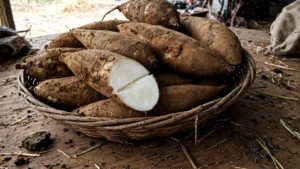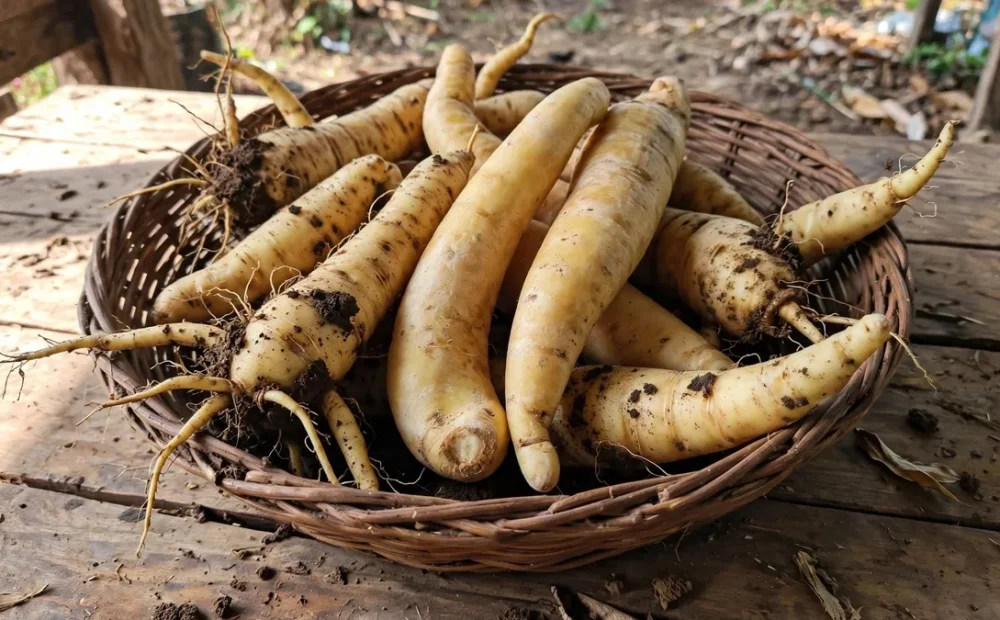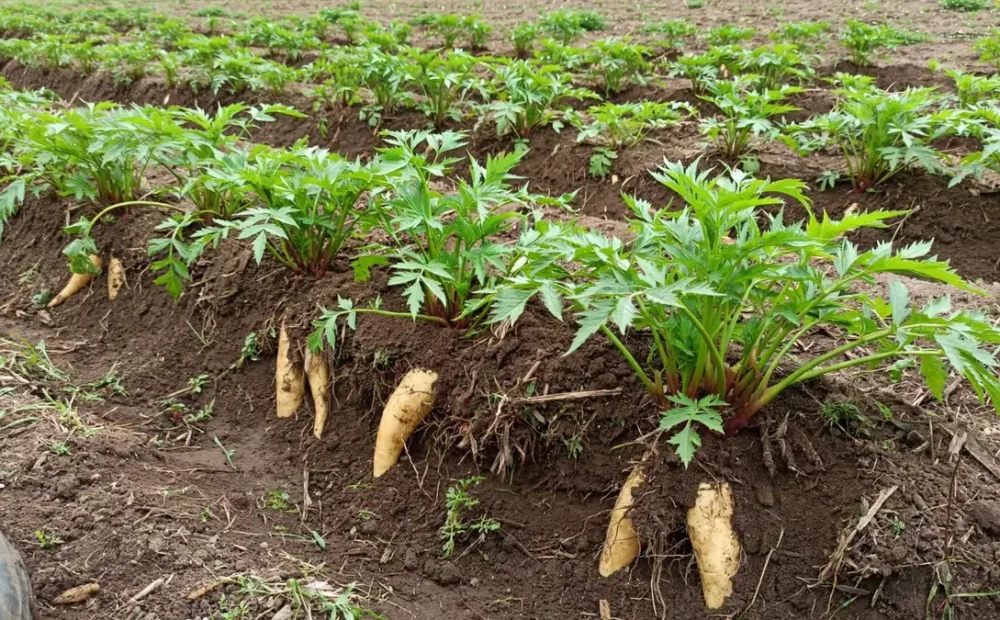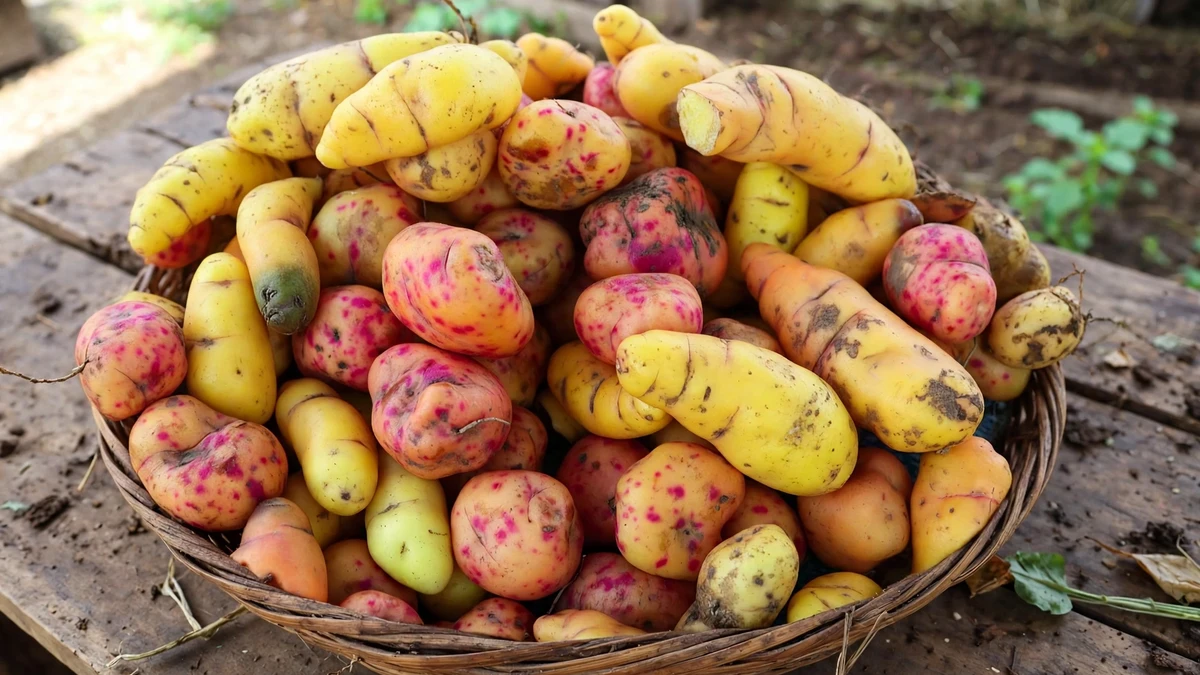
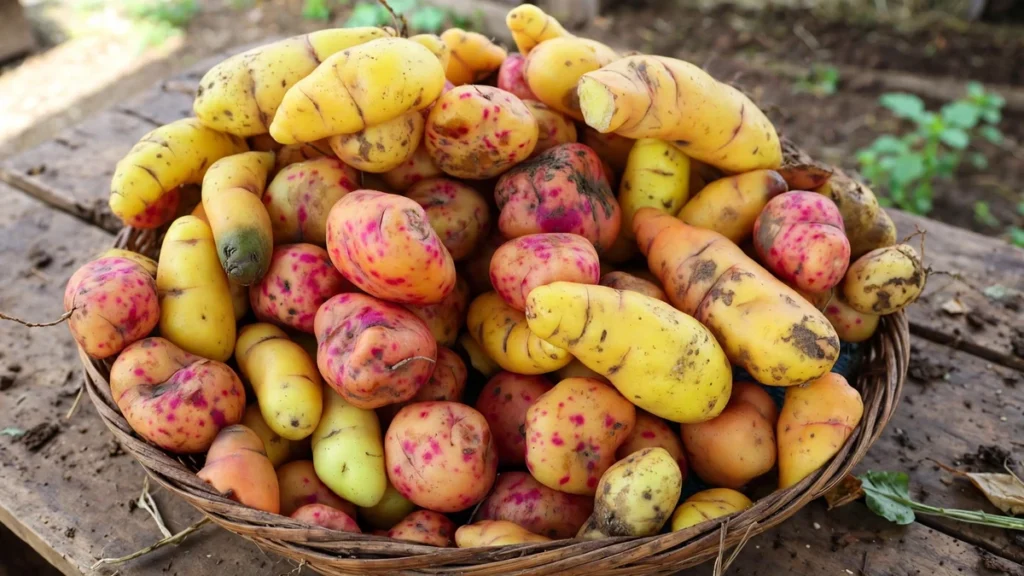
Planning an ulluco farm escape is different from planning an ordinary holiday, because the trip is built around a harvest that lasts a few weeks and a landscape that sits above 3,000 metres. Get the timing right and you will dig tubers in the morning and eat them for dinner. Get it wrong and you will eat stored tubers in a beautiful place, which is pleasant, but not the trip you pictured.
The reassuring part is that the planning itself stays simple. There are no tickets to queue for and no permits to arrange. The work is choosing the right valley, booking the harvest weeks, warning the kitchen about what you cannot eat, and giving your body a day to adjust to the altitude. Do those four things and the rest of the trip mostly takes care of itself.
This guide walks through the nine steps in order, from picking your dates to buying tubers to take home. It is written for a first visit, and it assumes you have never been to altitude and never dug a tuber. If you have, the same steps still apply, you will just move through them faster.
Key takeaways
- Book the harvest weeks first. In the southern Andes the fresh digging runs from April to June, and the best farms fill early.
- Choose the valley before the farm. Altitude, climate and remoteness vary more between valleys than between farms in the same valley.
- Plan a rest day at altitude before the farm. A headache on day one is normal, and a long walk before acclimatising is a mistake.
- Tell the kitchen about gluten in writing before you book. Ulluco has no gluten, but farm kitchens bake bread and thicken soups with wheat.
- Ulluco is a cooked food. The tubers are boiled, steamed or roasted, never eaten raw, and the leaves are not eaten either.
What an ulluco farm escape involves
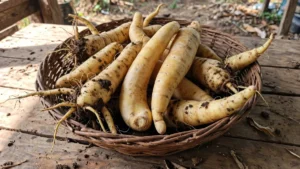
An ulluco farm escape is a short stay, usually three to five nights, on a working highland farm. You sleep in a simple guesthouse, eat at the family table, and spend your days in the fields and the kitchen. The farm grows ulluco alongside potatoes, oca and beans, and your visit follows that work: digging in the morning, cooking in the afternoon, soup by the fire in the evening.
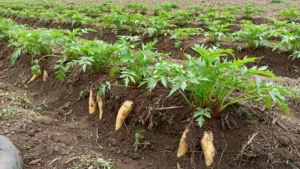
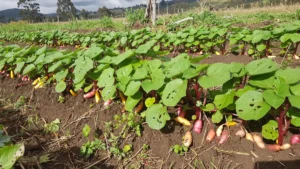
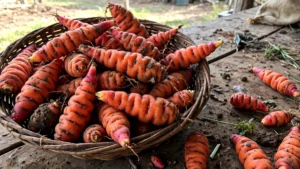
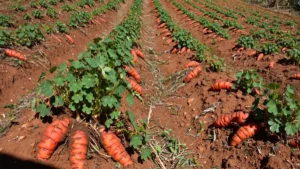
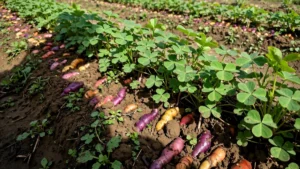
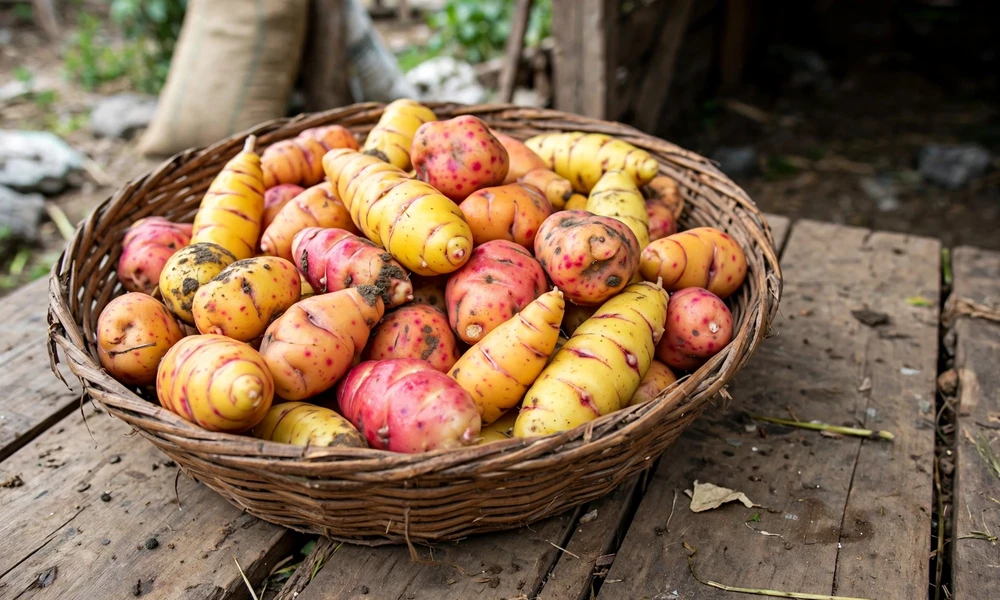
The days are physical but not demanding. Digging ulluco means lifting plants with a short fork, shaking the soil off, and sorting the tubers by colour into baskets. It is satisfying work, and it is done at your own pace. Nobody expects you to keep up with a farmer who has done it for thirty years, and every farm on this list is happy for guests to dig for an hour and then sit and watch.
What you are really booking is a way of eating. Ulluco cooked an hour after lifting tastes different from anything you will find in a city, waxy, earthy and faintly slippery, in a broth that has been on the fire all morning. The farm stay is the only way to taste it like that, because the tuber does not travel well and the dish does not survive a restaurant kitchen.
How to plan it, and what to ask first
Open with the harvest dates, and let the map wait. The harvest is the trip, so your first message to any farm should ask which weeks the fresh digging runs and whether those weeks are still free. If the farm answers with a date range and a price, you are talking to the right place. If it answers with a brochure and no dates, keep looking.
Your second question is about altitude. Ask how high the farm sits and where you should spend the night before you arrive. A farm at 3,800 metres needs a different plan from one at 2,800, and a good host will tell you so. Your third question is about the kitchen. Tell them in writing what you cannot eat, and ask how they handle it. Our guide to planning a cupuacu farm escape opens with the same three questions, because a farm stay built around one crop always turns on the same things.
The 9 steps to plan an ulluco farm escape
1. Fix the harvest weeks before you fix anything else
What to do: Write to the farm and ask for the exact weeks of fresh digging, then hold those dates before you book flights or hotels. What to avoid: Do not book flights first and hope the harvest fits around them. Best for: Anyone travelling in April to June. Time needed: One afternoon of messages. Standout tip: Ask whether the farm staggers its beds, because a staggered planting stretches the digging by two or three weeks.
2. Pick the valley that suits your body, not just your map
What to do: Compare valleys by altitude and climate, then choose the one that fits how you handle thin air. What to avoid: Do not choose the highest farm because the photos look dramatic. Best for: First-time altitude travellers. Time needed: An evening of reading. Standout tip: Cochabamba is the warmest valley and Puno the highest, so the gap between them is the whole range of the trip.
Cusco and Arequipa are the gentle introductions, with good roads and towns nearby. Huancayo and Cajamarca are greener and quieter. Puno is the altiplano, cold and open and beautiful, and it demands respect. If you have never been above 3,000 metres, start low and save Puno for a second trip.
3. Spend a night in town before you climb to the farm
What to do: Book one night in the nearest town at altitude, arrive, drink water, eat lightly, and sleep. What to avoid: Do not drive straight from the airport to the farm and start digging the same day. Best for: Everyone, and especially anyone flying in from sea level. Time needed: One extra night. Standout tip: A slow first morning in town, with a short walk and a long lunch, does more than any altitude remedy.
4. Choose a room on the sunny side of the guesthouse
What to do: Ask which rooms get the morning sun and book one of them, because the nights are cold and the sun is the heating. What to avoid: Do not take the cheapest room without asking where it faces. Best for: Travellers who feel the cold at night. Time needed: One message. Standout tip: A room above the kitchen stays warmest, because the cooking fire heats the floor.
Highland guesthouses are built of stone and adobe, which hold the cold as well as the warmth. A room that faces the morning sun dries out, warms up by breakfast, and feels completely different from a shaded room on the same corridor. It is a small question with a large effect on comfort.
5. Mention gluten in the first message you send the farm
What to do: Write, in the first message, that you cannot eat gluten and ask how the kitchen handles it. What to avoid: Do not mention it for the first time at the dinner table. Best for: Guests who avoid gluten or wheat. Time needed: Five minutes. Standout tip: Ask specifically whether soups are thickened with flour, because that is where wheat hides in Andean cooking.
6. Taste the tubers three ways on your first day
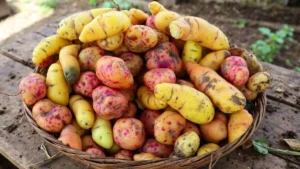
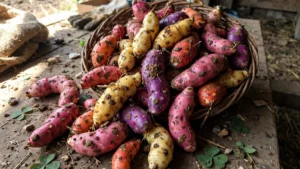
What to do: Ask the cook to serve ulluco boiled, roasted and in soup on the first day, so you learn the flavours at once. What to avoid: Do not judge the tuber from one dish, because the texture changes completely between them. Best for: Food lovers and first-time tasters. Time needed: One meal. Standout tip: The pink tubers and the yellow tubers taste slightly different, so try both side by side.
7. Join the morning digging, even if only for an hour
What to do: Go out with the family at first light, take a basket, and dig for an hour. What to avoid: Do not sleep through the harvest and arrive for lunch. Best for: Anyone who wants to understand the farm. Time needed: One morning. Standout tip: Ask to sort the tubers by colour, because that is how the family grades the harvest and it teaches you the crop fast.
The morning digging is the heart of the trip. The light is low, the soil is cool, and the work is companionable in a way that watching never is. An hour is enough to learn it, and the tubers you dig will be in the soup that evening, which is a small and satisfying circle.
8. Buy from the farm shop on the morning you leave
What to do: Wait until departure morning to buy tubers, dried herbs and cheese, so they travel fresh. What to avoid: Do not buy on the first day and carry them around for a week. Best for: Travellers who want to cook ulluco at home. Time needed: Half an hour. Standout tip: Ask the farm to pack the tubers in paper, not plastic, because they keep better and breathe on the journey.
9. Learn how the farm stores the crop for winter
What to do: On your last afternoon, ask the family to show you the store room and explain how the tubers are kept. What to avoid: Do not leave without understanding the cycle, because the storage is half the story. Best for: Curious travellers and gardeners. Time needed: Half an hour. Standout tip: The traditional store is a dark, cool room with straw between the layers, and it keeps tubers for months without refrigeration.
Picking the right season and region
April to June is the main season in the southern Andes, when the digging is fresh and the kitchens are at their best. March can work in the warmer valleys, and July is still good for eating, though the fresh digging is mostly over. The rainy season, roughly December to March, brings muddy paths and unreliable roads, and most farms prefer guests to come after it ends.
Region follows season. If you can only travel in March, choose Cochabamba or a warm valley where the harvest starts early. If you are travelling in May or June, the whole map is open, and Cusco or Arequipa are the easiest choices. If you want the altiplano, go in May, when the skies are clear and the cold is manageable, and give yourself two nights in town first.
One more timing note: the farms are small and the harvest weeks are short, so book two to three months ahead for May and June. A farm that answers slowly is not necessarily a bad farm, but a farm that answers with dates is a farm that has its season organised, and that is the one to book. Our guide to planning a buriti farm escape makes the same point about booking the crop weeks before the flights, and it matters even more at altitude.
The caveats that matter
The main risks on an ulluco farm escape are altitude, cold and the short season. Altitude affects everyone, and the only cure is time. Cold nights catch travellers who pack for the daytime sun and forget that a stone room at 3,500 metres is cold at 3 a.m. Pack a warm layer for the evenings, even in May. And the season is short, so a trip booked for the wrong month will still be beautiful, but it will not be a harvest trip.
| Detail | What is known |
|---|---|
| Best months | April to June in the southern Andes, earlier in warm valleys |
| Trip length | Three to five nights on the farm, plus a night in town first |
| Altitude | Farms sit from 2,500 to over 3,800 metres; acclimatise for a day |
| How ulluco is eaten | Boiled, steamed or roasted, in soups and stews, never raw |
| What to pack | Warm layers for cold nights, sun protection, sturdy shoes, cash |
| Gluten note | Tell the kitchen in writing before booking; soups may be thickened with wheat |
| Getting there | Roads can be rough after rain; arrange a driver from the nearest town |
| Booking lead time | Two to three months ahead for May and June harvest weeks |
Money and health are straightforward. Carry cash, because card machines rarely work on the farm, and bring any medication you need, because the nearest pharmacy is in town, not on the farm. If you take prescription medicine, or you are pregnant, check with your clinician before travelling to altitude. That is not a formality at 3,500 metres.
Checklist: before you book an ulluco farm escape
Run through this list before you pay, and again a week before you travel.
- Confirm the harvest weeks in writing and ask what the kitchen serves after them.
- Book a night in the nearest town at altitude before the farm, and keep the first day slow.
- Warn the kitchen in writing about gluten and any other food you cannot eat.
- Pack warm layers for the nights, sun protection for the days, and sturdy shoes for the terraces.
- Arrange a driver from town and ask about the road after rain.
- Carry cash for the farm shop, tips and anything the farm does not include.
Frequently asked questions
How many nights does an ulluco escape need?
Three to five nights on the farm is right for most people, plus one night in town beforehand to acclimatise. Three nights gives you two full days of digging and cooking. Five nights lets you settle in, try the different dishes properly, and take a slow day if the altitude is bothering you.
Do I need my own car to get to the farm?
No. Most farms arrange a driver from the nearest town, and that is the sensible option, because the roads are unpaved and the drivers know them. Ask the farm to arrange it when you book, and confirm the price in writing, because a driver booked at the last minute costs more.
Can children come on an ulluco farm escape?
Older children, usually over eight, enjoy it a lot, especially the digging and the cooking. Very young children struggle with the altitude and the cold nights, so most farms suggest waiting until they are older. Keep the first day slow whatever their age, and check with the farm, because the altitude varies between stays.
What should I pack for an ulluco farm?
Warm layers for the evenings, sun protection for the days, sturdy shoes with grip for the terraces, a water bottle, and cash. The farms provide bedding and towels, but they do not always provide a hairdryer or a laundry service, so pack accordingly and keep it simple.
What makes ulluco different from a potato in the kitchen?
They belong to different plant families. Potato is Solanum tuberosum, a nightshade. Ulluco is Ullucus tuberosus, from the Basellaceae family, and its tubers stay waxy where a potato turns floury. Ulluco tubers are smaller, shinier and more colourful, and cooked they stay waxy and slightly slippery, where a potato turns soft or floury. They are grown in the same fields and eaten in the same meals, but they are not the same crop.
Can I buy ulluco tubers to take home?
Yes, most farms sell tubers from the shop, and they keep for a week or two in a cool, dark place. Buy on the morning you leave, ask for paper wrapping rather than plastic, and cook them within a few days of getting home. Check the customs rules for your destination before you buy, because plant products are restricted in some countries.
The bottom line
An ulluco farm escape works when the timing, the valley and the kitchen are all right. Book the harvest weeks first, choose a valley your body can handle, spend a night in town before you climb, and warn the kitchen about gluten in writing. Do those four things and the rest of the trip, the digging, the cooking, the soup by the fire, takes care of itself.
Go in April, May or June if you can, give yourself five nights, and leave the last morning for the farm shop. You will come home with a basket of bright tubers, a recipe or two, and a much clearer idea of how the Andes feeds itself. That is a good return on a short trip, and it is the reason these small farms are worth the planning. Our guide to planning an arazá farm escape follows the same nine-step shape for another little-known crop, if you want to plan a second farm trip after this one.