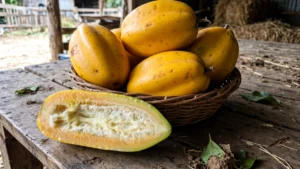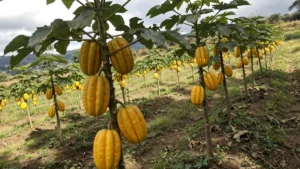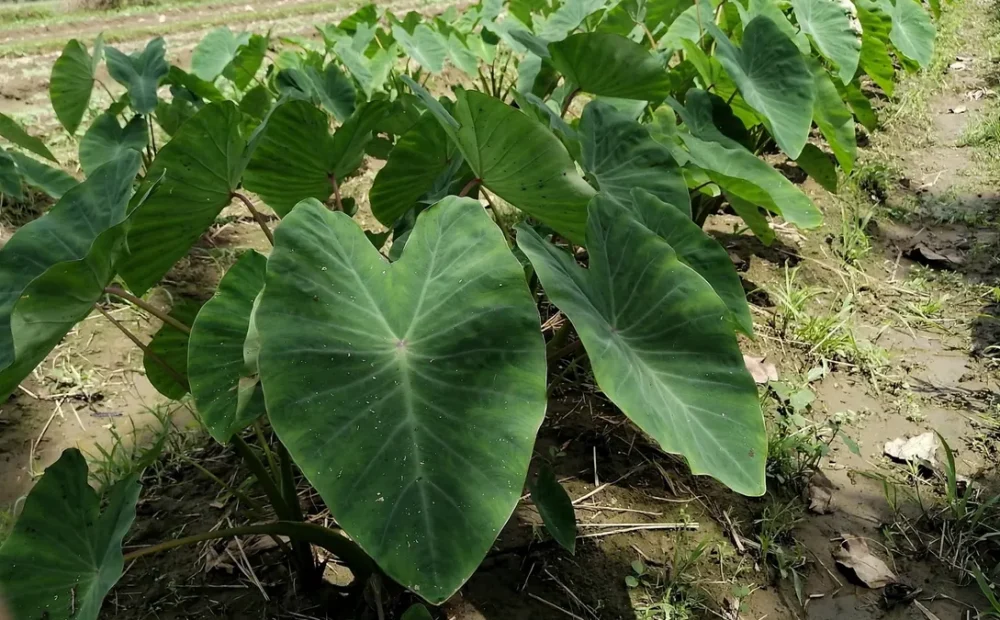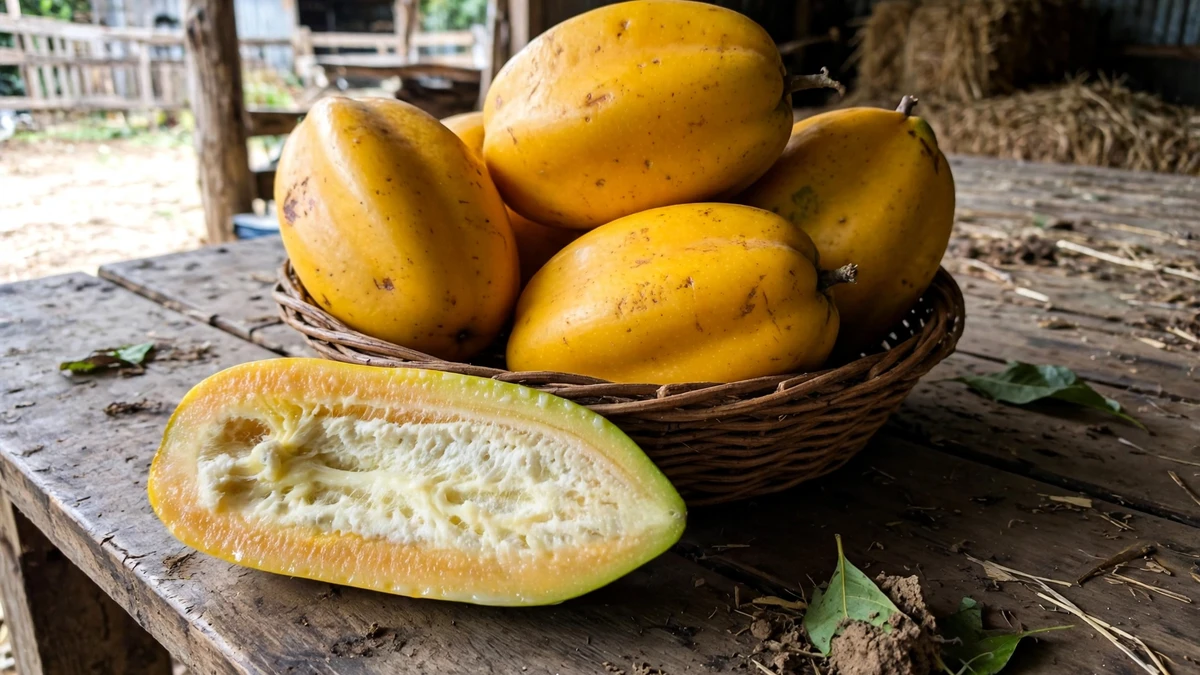
A babaco farm escape is a short, slow holiday built around one fruit and one mountain landscape. You sleep on a small farm in the Andean highlands, walk the babaco rows in the cool of the morning, and eat the fruit the same day it is picked: sliced at breakfast, pressed into juice at lunch, cooked into a sauce or a dessert after dark. It is not a sightseeing trip with a farm visit added on. The farm is the trip.
Planning it well matters more than planning it fast. Babaco grows between 1,500 and 2,500 metres, it fruits in flushes rather than all year, and the farms are small, so the best rooms and the best harvest weeks are booked months ahead. A good escape also respects the altitude. The first day should be slow, the walks short, and the tasting saved for when you have settled in. Rush the first day and you will spend the second one resting.
This guide walks through the nine steps that make a babaco farm escape work, from choosing the valley to leaving with a basket of fruit. Each step names what to do, what to avoid, who it suits, how long it takes, and one tip worth remembering. Work through them in order and the trip takes shape on its own.
Key takeaways
- Book for a ripening flush, not just for free rooms: babaco fruits in waves, and the harvest dates matter more than the room rate.
- Give yourself a slow first day at altitude, with short walks and plenty of water, before joining the morning picking.
- Choose a farm where babaco is the main crop and the kitchen cooks with it, not one that serves it only as juice.
- Tell the farm about gluten and any allergy at booking, so bread, pasta and sauces can be planned around you.
- Wear gloves to pick, wash your hands after handling cut fruit, and never eat babaco while it is still green and hard.
What a babaco farm escape looks like
A typical day starts early, before the sun clears the ridge. The farm wakes the guests with coffee and a slice of babaco, then walks the rows while the fruit is still cool. Picking is done by hand, with gloves, because the plant’s milky sap can irritate skin and the fruit bruises if it is dropped. The morning’s pick is sorted at a long table: ripe fruit for the kitchen, fruit that needs a day or two for the ripening shelf, and fruit that goes to the market stall.
By midday the work is done and the day slows down. Lunch is simple and built around the farm’s own vegetables, with babaco in a salad or a sauce. The afternoon is for resting, reading, or a short walk to a viewpoint. Dinner is the main meal, and on the best farms it is a full babaco menu, from a chilled juice to a dessert baked with honey. Guests usually eat together at one table, which is part of the charm and part of the reason to book a small farm rather than a large lodge.
The stays themselves are modest. Rooms are clean and warm, with hot water and thick blankets for cold nights, but they are not hotel rooms, and the farms do not pretend otherwise. What you are paying for is the setting, the food, and the chance to be part of a harvest. Our guide to planning an ulluco farm escape follows the same pattern, because the Andean tuber farms run on the same rhythm of early mornings, shared meals and slow afternoons.
How to shape the trip before you book
Start with the valley, not the room. Ecuador’s Quito, Cuenca, Loja and Ambato groves are the classic choice, with the longest tradition and the most farms to choose from. Peru’s Arequipa terraces suit travellers who like dry, bright air. Colombia’s Medellín and Bogotá farms suit food lovers, and Chile’s Santiago greenhouses suit travellers who want comfort and a reliable harvest. Pick the valley that fits your route, then pick the farm inside it.
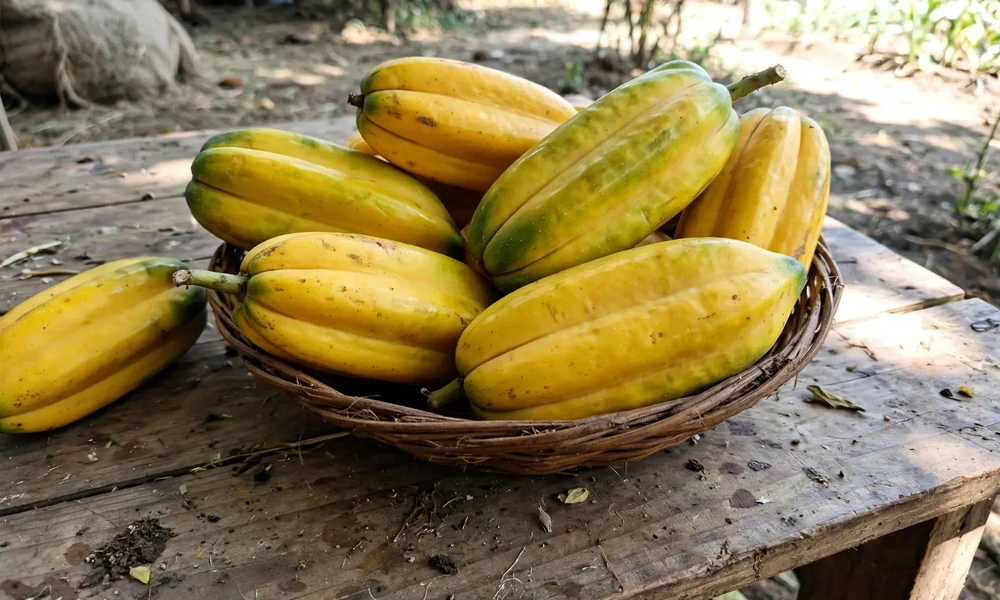
Next, fix the length. Three nights is the minimum that works: one slow day to arrive and adjust, one full day in the rows, and one morning to enjoy the farm before leaving. Five nights is better if you want to visit a second farm or a nearby market. Shorter than three nights and you will spend most of the stay travelling and recovering. If you are comparing highland escapes more broadly, our arracacha farm escape guide covers a root crop grown on the same slopes, with a trip shape that works the same way.
Nine steps to a good babaco farm escape
Pick the valley that fits your route
What to do: Choose the valley first, then the farm, based on where else you are travelling. What to avoid: Do not book a farm in the south and a flight from the north on the same day. Best for: Travellers with a fixed route through the Andes. Time needed: An evening of map work. Standout tip: Cluster your farms in one valley so the drives stay short.
Match your dates to the ripening flush
What to do: Ask each farm which weeks its fruit is ripening, and book inside those weeks. What to avoid: Do not assume babaco is available all year; it fruits in flushes. Best for: Anyone whose main reason for going is the fruit. Time needed: One message to each farm. Standout tip: The dry months are usually the most generous, but ask rather than guessing.
A farm with no ripe fruit is still a pleasant place to stay, but it is not the trip you planned. The harvest dates are the single most important fact about your stay, more important than the room type or the price. Farms answer this question honestly if you ask it directly, and they will tell you if your dates fall in a gap.
Secure the farm stay before sorting your travel
What to do: Reserve the farm first, then book flights and buses around the farm’s dates. What to avoid: Do not lock in flights and then find the farm is full. Best for: Travellers visiting in the popular dry months. Time needed: A morning of messages. Standout tip: Small farms hold rooms for a few days while you sort travel, so ask.
Plan a slow first day at altitude
What to do: Arrive, rest, drink water, and take a short flat walk in the afternoon. What to avoid: Do not climb, carry baskets, or drink alcohol on day one. Best for: Anyone arriving from sea level. Time needed: A full day, with nothing scheduled. Standout tip: Eat lightly at lunch and save the big farm dinner for the second night.
Altitude affects almost everyone a little, and it affects some people a lot. A slow first day is not wasted time; it is what makes the second and third days enjoyable. The farms expect this and build their schedules around it, with the serious picking saved for the morning after you arrive.
Flag gluten in your very first message to the farm
What to do: Mention gluten and any allergy in your first message, and ask what is served. What to avoid: Leaving the conversation until you are already seated for dinner. Best for: Travellers who eat gluten-free or carry a food allergy. Time needed: One line in your first message. Standout tip: Ask whether sauces are thickened with flour, not just whether bread is served.
Pack for cold nights and strong sun
What to do: Bring layers, a warm jacket, sun cream, a hat and sturdy shoes. What to avoid: Do not pack only summer clothes; mountain nights are cold. Best for: Everyone, and especially travellers from warm climates. Time needed: An evening of packing. Standout tip: Pack gloves for picking, or ask the farm to lend you a pair.
The highlands change fast. A morning can be misty and cold, midday can be bright and hot, and the evening can drop close to freezing. Layers are the answer, and a hat matters more than most people expect at altitude. Sturdy shoes matter too, because the rows are muddy after rain and the ground is uneven.
Join the morning picking, gloves on
What to do: Be at the rows at the time the farm says, with gloves, and follow the picker’s lead. What to avoid: Do not pick without gloves, and do not pull fruit that is still green. Best for: Travellers who want the real farm experience. Time needed: A couple of hours before lunch. Standout tip: Learn the ripeness test: yellow skin, a slight give, and a strong fragrance.
The morning picking is the heart of the stay, and it is worth getting up for. The farmer will show you how to twist the fruit free without tearing the stem, how to carry it so it does not bruise, and how to sort it at the table. The sap can irritate skin, so gloves are not optional, and washing your hands afterwards is part of the routine.
Try babaco fresh, juiced and cooked in one day
What to do: Try babaco fresh at breakfast, as juice at lunch, and cooked at dinner. What to avoid: Do not judge the fruit from juice alone; the fresh flesh tastes different. Best for: Food lovers and curious eaters. Time needed: A full day of meals. Standout tip: Ask the cook which preparation they are proudest of, and start there.
Spend the last morning at the nearest market
What to do: Keep your last morning open and visit the closest town market with the farmer. What to avoid: Do not schedule a tight departure that forces you to skip it. Best for: Travellers who like markets and local food. Time needed: A morning, plus the drive. Standout tip: Buy a few ripe babacos to take home, and ask the farmer how to keep them.
The market is where the farm’s fruit meets the town, and it is the best place to see how babaco is sold, priced and eaten by the people who grow it. Go with the farmer if you can; they will introduce you to the sellers and explain which stalls are worth your time. It is a gentle way to end the stay, and it leaves you with fruit for the journey home.
What the days actually feel like
The days on a babaco farm are shorter than they look on paper. You wake early, work for a few hours, eat a long lunch, rest in the afternoon, and eat again in the evening. There is no sightseeing schedule and no pressure to fill the hours. That is the point, and it is also the adjustment that catches some travellers out. If you need constant activity, a farm stay will feel slow. If you are happy with a book, a walk and a good meal, it will feel exactly right.
The social side matters too. Most farms seat guests together, and the other guests become part of the stay. You will share tables with people who came for the fruit, the altitude, or simply the quiet, and the conversations over dinner are often the best part of the trip. If you prefer privacy, ask for a cottage or a room away from the main house when you book, and tell the farm you would like to eat alone sometimes. For a comparison of another fruit farm trip, our camu camu farm escape guide covers an Amazon berry trip with a similar shape but a very different landscape.
The caveats that matter
Babaco is an easy fruit to enjoy and a slightly demanding crop to visit. The farms sit high, the fruit bruises if it is handled roughly, and the plant’s milky sap can irritate skin, so farmers wear gloves and guests should too when they pick. The sap washes off with soap and water, but it is worth knowing about before you reach for a fruit. The other caveat is the season. Babaco fruits in flushes rather than all year, and a farm that is generous in June can be quiet in September, so the harvest dates matter more than the room rate.
| Detail | What is known |
|---|---|
| Best trip length | Three nights minimum; five nights if you want a second farm or a market day |
| Best time to go | Dry months, when the fruit is ripening in flushes and the roads are firm |
| Altitude | Mostly 1,500 to 2,500 metres; Quito and Bogotá stays are higher still |
| How to eat babaco | Fresh when ripe, as juice, in salads, sauces and desserts; never eat it green |
| Picking safety | Wear gloves; the milky sap can irritate skin, and the fruit bruises easily |
| Who should take care | Anyone new to altitude, and anyone with a latex or fruit allergy |
| Gluten on the farm | Bread, pasta and sauces are common; ask ahead so the kitchen can adapt |
| What to pack | Layers, a warm jacket, sun cream, a hat, sturdy shoes and gloves for picking |
If you have a latex allergy or a known fruit allergy, tell the farm before you arrive. Babaco is related to papaya, and people who react to papaya latex sometimes react to babaco sap too. The farms are used to the question and will adjust the work you are offered. And if you are pregnant, breastfeeding, or taking medication that affects altitude tolerance, check with your clinician before booking a stay above 2,000 metres.
Checklist: before you leave home
Use these checks the week before you travel, and tick them off as you go.
- Confirm the harvest dates with the farm by message, and get the ripening weeks in writing.
- Confirm the farm’s altitude and plan a slow first day if you are coming from sea level.
- Tell the farm about gluten and any allergy, and ask what bread, pasta and sauces are served.
- Pack layers, a warm jacket, sun cream, a hat, sturdy shoes and gloves for picking.
- Confirm how you reach the farm: normal car, 4×4, or a farm pickup from the nearest town.
- Leave your last morning free for the market, and keep your departure loose enough to enjoy it.
Frequently asked questions
How many nights should I stay on a babaco farm?
Three nights is the minimum that works, and five is better. One night is arrival and altitude, the second is the full farm day, and the third is the morning you actually enjoy before leaving. Shorter stays feel rushed.
How early should I book a babaco farm stay?
Yes, for the best harvest weeks. The farms are small, often with fewer than ten rooms, and the dry-month flushes sell out months ahead. Book the farm first, then arrange flights and buses around it.
Is babaco the same as papaya?
No. Babaco is Vasconcellea × heilbornii, a highland hybrid, while papaya is Carica papaya, a lowland tropical fruit. Babaco is five-sided, seedless and tart; papaya is round or oval, full of seeds, and sweeter.
Can I eat babaco if I am gluten-free?
The fruit itself is naturally gluten-free, but farm meals often include bread, pasta and sauces. Tell the farm at booking, ask about sauces thickened with flour, and bring your own snacks if you want a backup.
What if I feel unwell at altitude?
Rest, drink water, and tell the farm straight away. Most altitude discomfort passes within a day. If symptoms get worse, go down to a lower town and seek medical help rather than waiting it out.
Can I take babaco home with me?
Yes, if it is ripe or nearly ripe and you pack it carefully. Buy fruit that is yellow but firm, wrap each one, and carry it in hand luggage. It will not survive a rough suitcase, so ask the farmer how to pack it.
The bottom line
A good babaco farm escape is planned around the fruit, not around the room. Choose the valley, match your dates to the ripening flush, book the farm before the flights, and give yourself a slow first day. The rest of the trip, the picking, the tasting and the long dinners, follows naturally from those four choices.
Three nights, a pair of gloves, and a farm that cooks with its own fruit are all you really need. Book the harvest weeks, pack for cold nights and strong sun, and let the Andes do the rest.