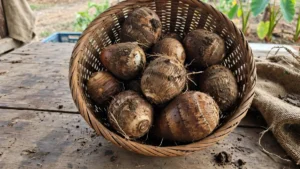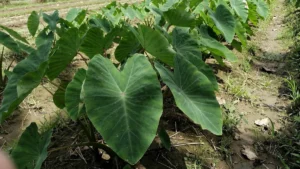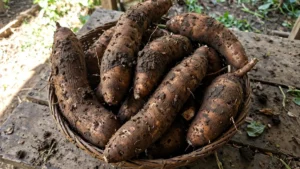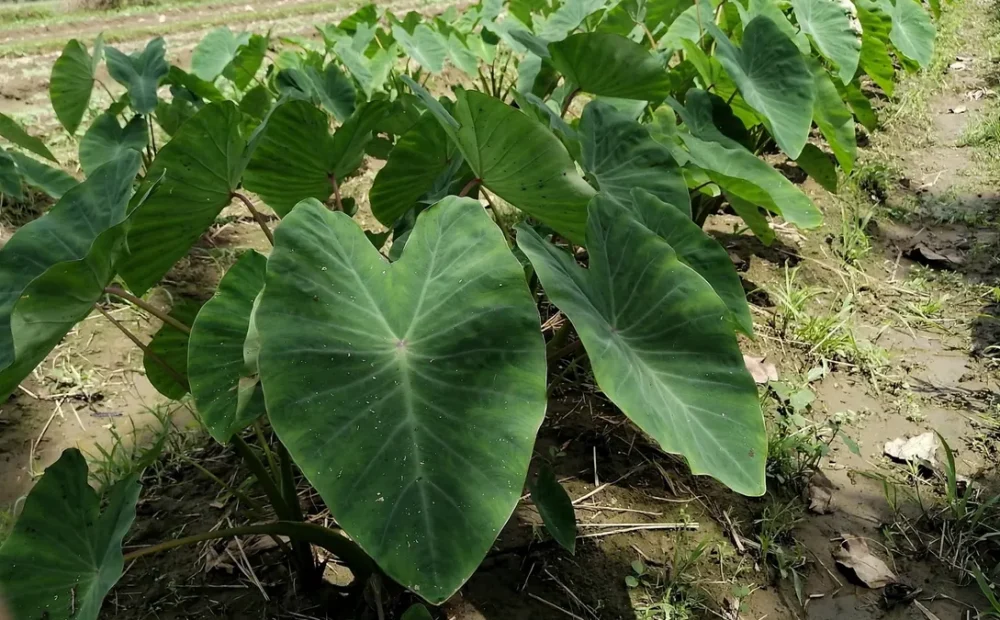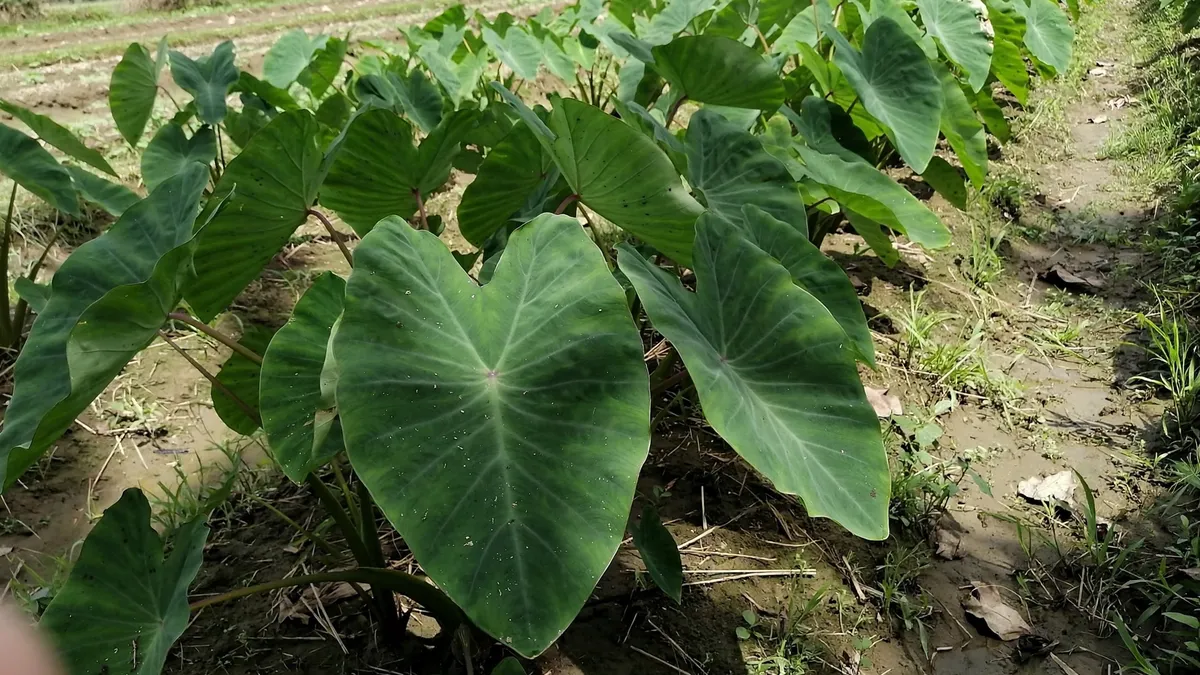
Taro is the quietest luxury crop in the Pacific, and it makes for the calmest farm stay you can book in 2027. It grows in flooded terraces and muddy field rows, it takes most of a year to mature, and it cannot be eaten raw at all. That slowness is the point. A taro farm does not rush you through a tasting and send you on your way.
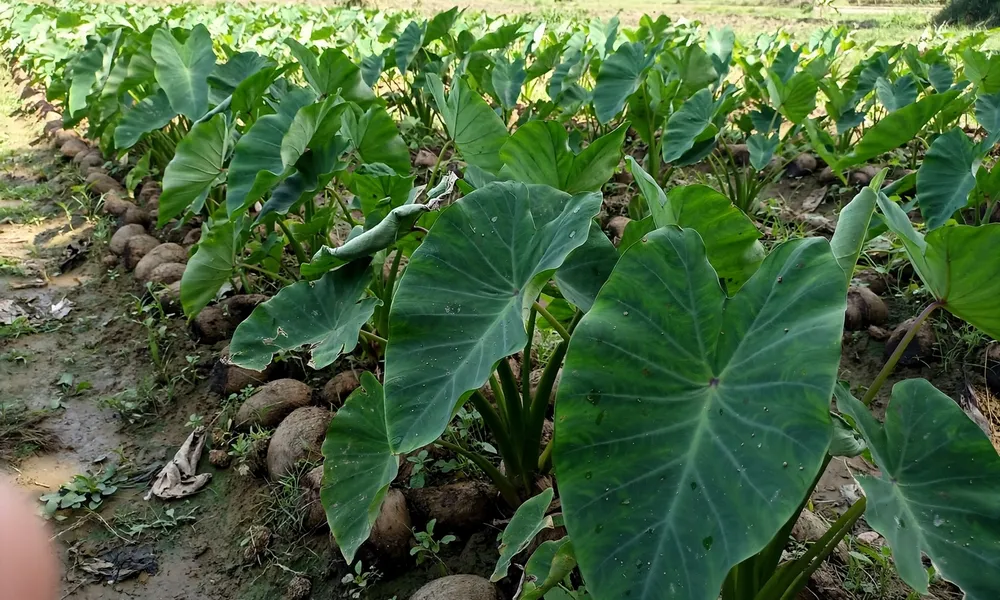
The stays below are spread across Hawaii, Samoa, Fiji, the Philippines, Vietnam and Thailand, and each one grows taro on its own land rather than buying it in. Some are wetland farms where the fields are flooded ankle-deep and the work is done barefoot. Others are dry-field farms on red soil, where taro grows in rows beside bananas and sweet potatoes. All nine serve taro at the table, most cook it three ways in a single evening, and every one of them will show you the harvest if you arrive in the right weeks.
What follows is a practical guide to choosing between them, not a ranking of pretty views. Each stay below is judged on its strengths, its drawbacks, and the traveller it suits, with honest prices and one feature that makes it worth the trip.
Key takeaways
- Taro is Colocasia esculenta, a starchy corm from the arum family, grown across the Pacific and Asia for thousands of years.
- It is ready 7 to 12 months after planting, when the leaves yellow and fall, and the corms are dug by hand from wet or dry ground.
- Raw taro stings the mouth and throat and must be cooked thoroughly; the same rule applies to the leaves.
- At the table it is mild, nutty and filling, served steamed, pounded into poi, folded into curries, or sliced into chips.
- Taro itself has no gluten, but farm kitchens use wheat every day, so guests who avoid gluten must tell the farm before booking.
What a taro farm retreat actually is
A taro farm retreat is a short stay on a working farm where taro is the main crop and the main event. You sleep in a farmhouse, a cottage or a small lodge on the property, you eat what the farm grows, and the harvest is part of the day rather than a show put on for visitors.
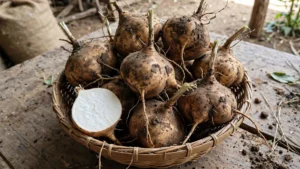
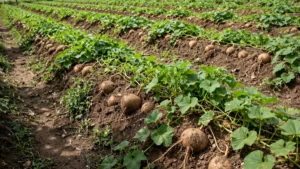
The day usually starts early. The farmer walks the paddies before breakfast, checks the water in the flooded terraces, and decides which rows are ready to dig. Guests who want to join put on boots and wade in, or work the dry rows with a fork, and the corms come up caked in mud.
It is a different kind of luxury from a beach resort. There is no spa menu and no concierge desk, and the rooms are comfortable rather than grand.
How we picked these stays, and what to ask first
We looked for farms where taro grows on the land itself, not in a demonstration plot beside a hotel, and where guests are welcome in the fields during the harvest. Every stay below grows at least a hectare of taro, harvests by hand, and cooks what it grows.
Before you book, ask three things in your first message. Ask which weeks the harvest falls in, because a taro farm outside harvest season is a pleasant stay with no digging to join. Ask whether guests can work in the paddies, because some farms keep the wet fields for staff only. And ask how the kitchen handles wheat, because taro itself is gluten-free but the bread, noodles and sauces around it usually are not. A farm that answers all three at once knows its guests well. If you have stayed on a fruit farm before, the shape of the trip will feel familiar, and our guide to the best luxury jabuticaba farm retreats shows how a different crop is handled on a working farm.
The 9 best luxury taro farm retreats of 2027
Honolulu, Hawaii — Taro in the windward valley
What we like: A family-run lo’i farm in a steep windward valley, with flooded terraces a short walk from the cottages and a cook who pounds poi by hand every evening. What to consider: The valley is wet most of the year, the paths are muddy after rain, and the farm is a forty-minute drive from the city. Best For: Couples who want Hawaii beyond the beach. Style: Wooden cottages with wide verandas over the terraces. Price Range: $130–$210 per night. Standout Feature: Fresh poi pounded at sunset while the terraces turn gold.
The Waiahole Valley Lo’i House sits at the head of a valley where taro has grown for generations, and the family still floods the terraces by hand.
Hilo, Hawaii — Taro where the rain never really stops
What we like: A misty farm on the wet side of the island, with deep red soil, huge leaves, and a kitchen that makes taro chips, taro bread and a slow taro curry. What to consider: It rains most afternoons, the rooms are simple, and the nearest town is a twenty-minute drive. Best For: Travellers who like rain, mud and big flavours. Style: Rainforest farmhouse with a covered outdoor kitchen. Price Range: $110–$175 per night. Standout Feature: A taro curry simmered in coconut milk over a wood fire.
The Wailuku River Taro House grows its taro in dry beds on a slope above the river, where the rain keeps the soil soft.
Apia, Samoa — Taro on Upolu’s garden coast
What we like: A coastal garden farm where taro grows between banana palms and breadfruit trees, with a beach a five-minute walk away and a Sunday feast cooked in a ground oven. What to consider: The farm is small, with only four guest rooms, and the Sunday feast is the main event of the week. Best For: Families who want a farm stay with a beach nearby. Style: Open-sided fale with woven mats and sea breezes. Price Range: $95–$155 per night. Standout Feature: A ground-oven feast with taro, pork and taro leaves.
The Upolu Garden Coast Taro Lodge sits on the south coast of Upolu, where the soil is dark and the taro grows fat.
Suva, Fiji — Taro in the capital’s green belt
What we like: A hillside farm above the capital, with flooded terraces, a nursery of taro varieties, and a cook who makes rourou, the Fijian taro-leaf dish, better than anywhere else on the island. What to consider: The city is close, so the farm feels less remote than the others, and the road up is steep after rain. Best For: First-time visitors who want an easy arrival. Style: Hilltop bungalows with gardens and a shared veranda. Price Range: $100–$160 per night. Standout Feature: A tasting of five taro varieties in one sitting.
The Nausori Green Belt Farm Stay keeps a collection of taro varieties that most farms have forgotten, including a purple-flecked corm that turns the poi a soft lilac.
Nadi, Fiji — Taro on the dry western plains
What we like: A dry-field farm on the sunny side of the island, with wide rows, red earth and a kitchen that turns taro into chips, fritters and a thick, warming curry. What to consider: The dry season is hot and dusty, and the farm is a long drive from the airport in traffic. Best For: Travellers who want sun, space and big portions. Style: Low farmhouse with a shaded courtyard and a fire pit. Price Range: $85–$140 per night. Standout Feature: Taro chips fried in small batches at dusk.
The Sabeto Valley Taro House grows its taro in dry beds on the plains behind Nadi, where the sun does the work and the irrigation is careful.
Manila, Philippines — Taro beyond the city sprawl
What we like: A lakeside farm in Laguna province, with taro in the wet fields, a small fleet of bancas on the water, and a kitchen that makes laing, the Bicol dish of taro leaves in coconut milk. What to consider: The drive from Manila can take three hours in traffic, and the farm is busiest on weekends. Best For: Food lovers who want to cook as well as eat. Style: Lakeside nipa cottages with open kitchens. Price Range: $90–$150 per night. Standout Feature: A laing cooking class with the farm’s own taro leaves.
The Laguna Lakeside Taro Farm sits on the edge of a lake two hours south of Manila, where taro grows in the wet ground between the water and the road.
Hanoi, Vietnam — Taro in the Red River delta
What we like: A delta farm where taro grows in the rich silt beside the river, with a market town nearby, a bicycle for every guest, and a kitchen that makes taro soup and taro-stuffed spring rolls. What to consider: The delta is flat and the summers are humid, and the farm is best in the cooler months. Best For: Travellers who like markets, bicycles and river light. Style: Delta farmhouse with tiled floors and a riverside garden. Price Range: $105–$170 per night. Standout Feature: A dawn market run followed by taro soup for breakfast.
The Red River Delta Taro House works a patch of silt-rich ground outside Hanoi, where taro has grown for as long as anyone in the village can remember.
Bangkok, Thailand — Taro on the central plains
What we like: A plains farm an hour from the city, with neat rows of taro, a canal running past the guesthouse, and a kitchen that makes taro in coconut milk, the classic Thai dessert, every single evening. What to consider: The farm is close to the city, so it books out on weekends, and the hot season is genuinely hot. Best For: Short stays and dessert lovers. Style: Canal-side guesthouse with teak floors and a garden sala. Price Range: $120–$195 per night. Standout Feature: Taro simmered in sweet coconut milk, served warm at dusk.
The Chao Phraya Plain Taro Lodge grows its taro in long, straight rows on the flat land north of Bangkok, where the canal keeps the soil damp.
Chiang Mai, Thailand — Taro up in the cool foothills
What we like: A hillside farm in the cool north, with terraced taro, mountain air, and a kitchen that folds taro into curries and bakes it into a soft, sweet bread. What to consider: The farm is up a winding road, the nights are cool in winter, and the harvest season is short. Best For: Travellers who want cool air and mountain walks. Style: Hillside lodge with timber rooms and a fire pit. Price Range: $140–$225 per night. Standout Feature: A taro and pumpkin curry served beside the fire.
The Mae Rim Hills Taro House sits in the foothills above Chiang Mai, where the air is cooler and the taro grows in terraces cut into the slope.
Which taro region fits your trip
First visits belong in Hawaii or Fiji. The farms there are used to guests, the harvest runs for much of the year, and the travel is straightforward. Honolulu and Hilo suit travellers who want wetland taro and a strong sense of place, while Suva and Nadi suit those who want an easy arrival and a kitchen that cooks taro in several different ways.
Samoa and the Philippines suit travellers who have done a farm stay before and want something slower and more hands-on. The farms are smaller, the meals are family affairs, and the harvest is a shared job rather than a demonstration. If you have already planned a trip around another Pacific crop, our guide to the best luxury grumixama farm retreats is a useful comparison, because the farm rhythm is similar even though the fruit is entirely different.
The caveats that matter
Taro is a gentle crop, but a farm trip still needs honest expectations. The corms are heavy, the mud is real, and the harvest is physical work in heat or rain. Wetland farms mean wet feet, and dry-field farms mean dust. Neither is a problem if you expect it, and both are miserable if you arrive in white shoes.
The one rule that matters most is the cooking rule. Raw taro contains needle-shaped crystals that sting the mouth and throat, and the leaves do the same. Every farm in this guide cooks taro thoroughly, and you should never eat a corm or a leaf that has not been cooked through, however fresh it looks. The best luxury pitanga farm retreats guide makes the same point about knowing your own limits on a farm stay, and it is worth reading before you book any harvest trip.
| Detail | What is known |
|---|---|
| What taro is | Colocasia esculenta, a starchy corm from the arum family, grown across the Pacific and Asia |
| When it is ready | 7 to 12 months after planting, when the leaves begin to yellow and fall |
| The raw rule | Never eat taro raw; it must be cooked through to remove the crystals that sting the mouth |
| What it tastes like | Mild, nutty and starchy, softer than potato, richer in a curry or as poi |
| Leaves on the menu | Taro leaves are cooked too, as laulau in Hawaii and in curries elsewhere |
| Who should take care | Anyone with a sensitive stomach should eat a small portion first and drink water with it |
| Gluten | Taro itself has no gluten, but farm kitchens cook with wheat, so ask before you book |
| What it is not | Not a potato; taro is an arum-family corm from Asia and the Pacific, potato is a nightshade tuber from the Andes |
Checklist: booking a taro farm stay honestly
Run through these checks when you book, then once more in the week before you travel.
- Check the harvest weeks: ask the farm when its taro is dug, and book inside them.
- Check the field work: ask whether guests can join the harvest, and whether the fields are wet or dry.
- Check the kitchen: tell the farm about gluten in your first message, and ask what it can manage.
- Check the footwear: pack boots or sandals you do not mind ruining, and leave white shoes at home.
- Check the travel: confirm the drive time from the airport, and whether the farm sends a lift.
- Check the cooking rule: never eat raw taro or raw taro leaves, however fresh they look.
Frequently asked questions
When do farmers dig taro?
Most taro is ready 7 to 12 months after planting, when the leaves start to yellow and fall. Hawaii harvests for much of the year, while the mainland farms in Vietnam and Thailand follow the rains and harvest in a shorter season.
What does cooked taro taste like?
Mild, nutty and starchy, with a soft, almost fluffy texture when steamed. It is gentler than potato and takes on the flavour of what it is cooked with, which is why it works in coconut milk, in curries, and pounded into poi.
Can guests dig taro with the farmers?
Yes, on most of the farms in this guide, but ask first. Wetland farms may keep the flooded terraces for staff, while dry-field farms usually welcome guests with a fork.
Why can’t taro be eaten raw?
Raw taro holds tiny needle-shaped crystals that sting and irritate the mouth and throat. Thorough cooking breaks them down, which is why every taro dish is cooked long and well. The leaves carry the same crystals and need the same treatment.
Where should a first-time taro guest start?
Honolulu or Suva. Both farms are used to first-time guests, the harvest runs for much of the year, and the travel is simple.
What must a gluten-free guest settle with the farm first?
Ask whether the kitchen can cook your meals without wheat, and whether the sauces and breads are made separately. Taro itself has no gluten, but farm kitchens use wheat flour daily, so a clear question in your first message is what keeps the trip comfortable.
The bottom line
The best taro farm retreat in 2027 is the one that puts you in the field at harvest time, feeds you what you helped dig, and cooks it properly.
Go in the right season, tell the farm about gluten before you book, pack boots you do not mind ruining, and never eat taro raw. Do those four things and the rest of the trip takes care of itself: muddy mornings, a kitchen that knows its crop, and a table where the taro you dug in the morning is the centre of the evening meal.