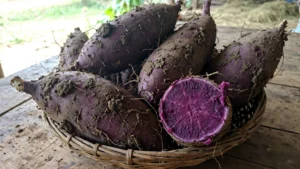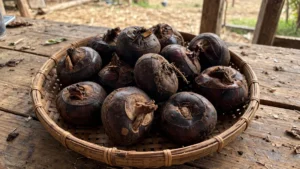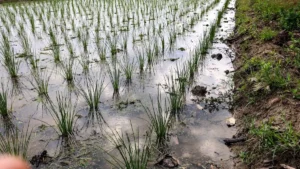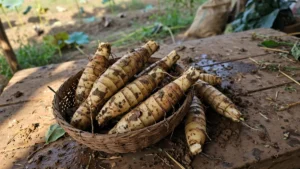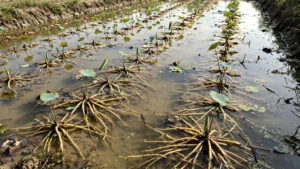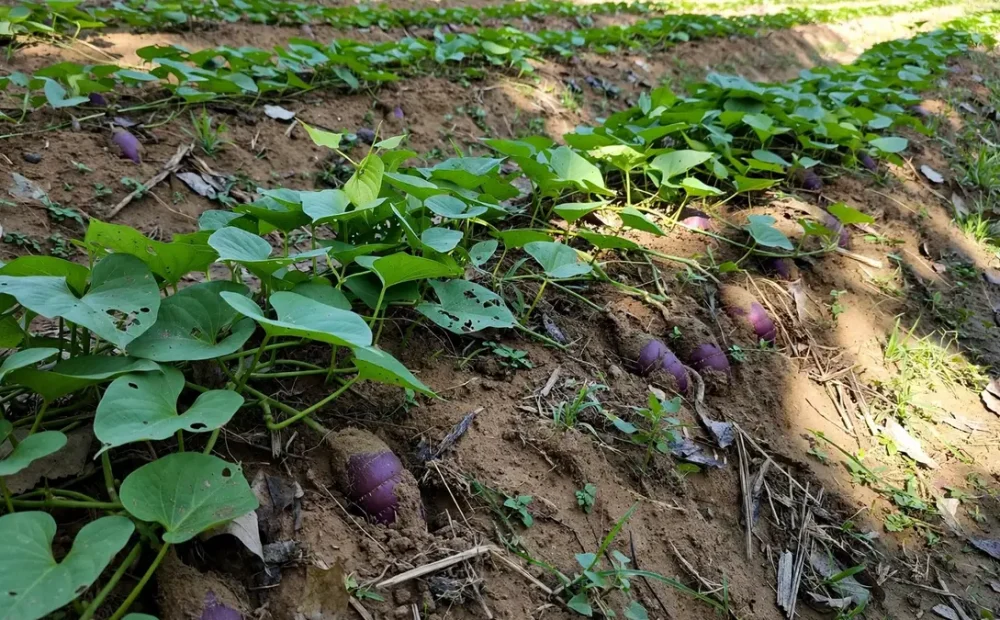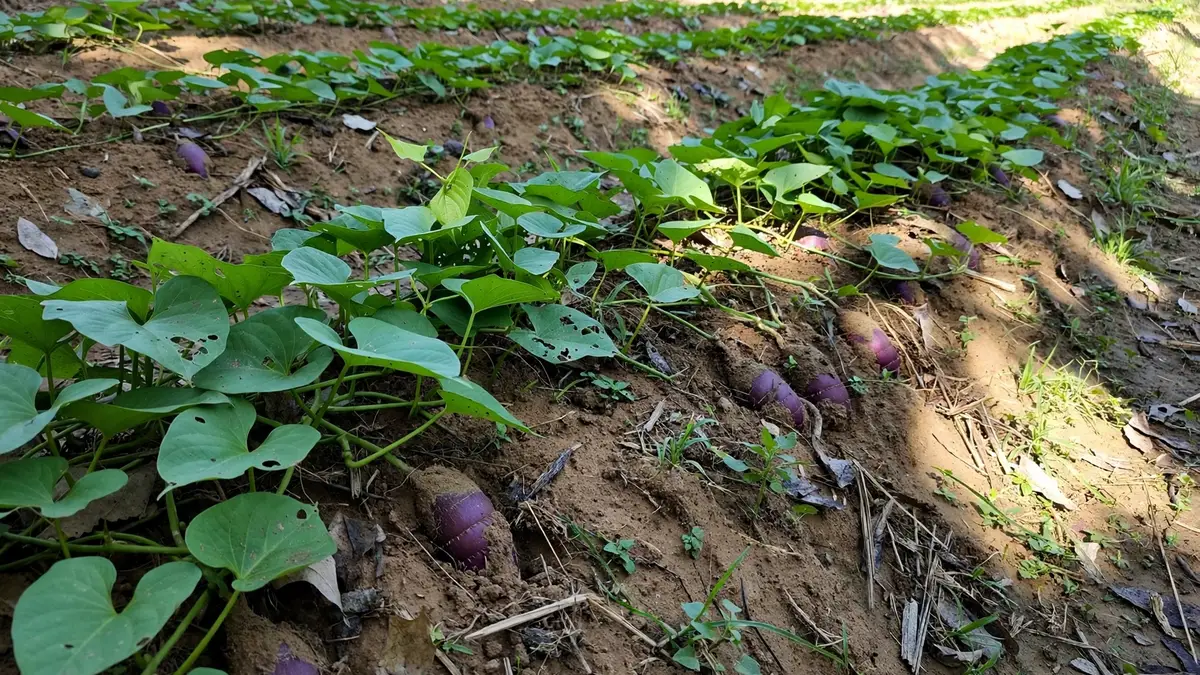
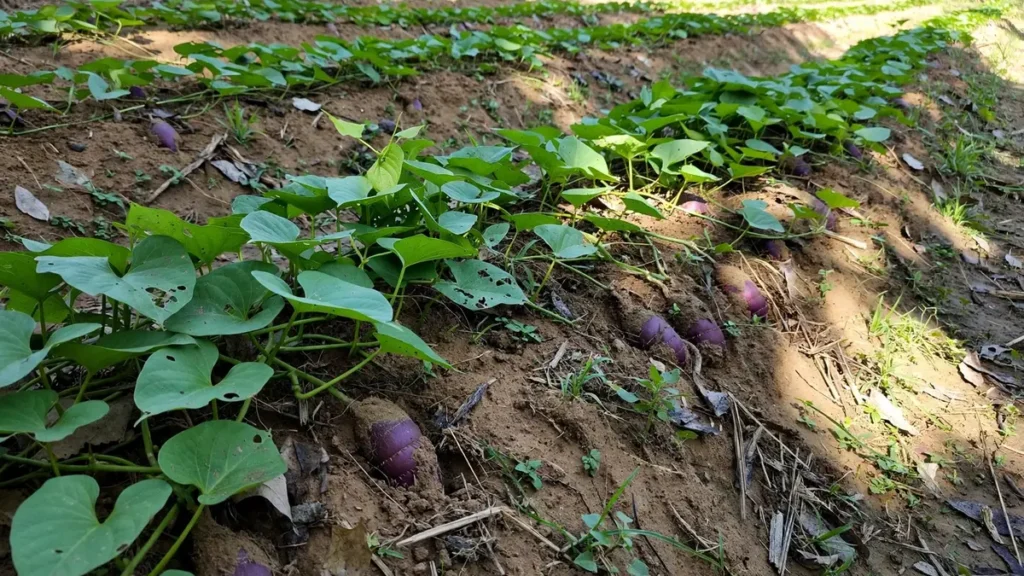
Water yam is the purple tuber behind ube halaya, ube ice cream and the violet cakes that fill Filipino bakeries. Its botanical name is Dioscorea alata, and it grows on climbing vines across Southeast Asia and the Pacific, from Luzon to Fiji. The flesh is a deep violet, naturally sweet, and nothing like the white yam of West Africa or the orange sweet potato on a holiday table.
A water yam farm stay puts you on a working farm at harvest time. You walk the rows in the morning, dig tubers with the farm crew, and spend the afternoon grating, steaming and tasting. Some farms are small family plots with two guest rooms. Others are larger estates with a pool, a cooking pavilion and a proper restaurant. The nine below all grow their own water yam, all take overnight guests, and all let you get your hands dirty.
Prices run from about sixty dollars a night for a simple farmhouse room to around one hundred and eighty for a private villa with meals included. Pick by region first, then by how much cooking and digging you actually want to do. The list runs from the Philippines to Fiji, in the order that makes the most sense for a first trip.
Key takeaways
- Water yam is Dioscorea alata, the purple yam sold as ube, with violet flesh and a naturally sweet taste.
- Tubers take eight to ten months to mature, so farm stays are built around a short harvest window.
- The best stays grow their own yams, cook with them daily, and let guests join the digging.
- Confirm what the nightly rate covers: meals, transfers, cooking sessions and digging are not always included.
- Water yam must be cooked before eating, and ube desserts often contain flour, so ask about gluten before you order.
What water yam actually is
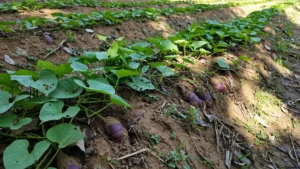
Water yam is a climbing vine with heart-shaped leaves and long, winged stems that scramble up poles and trellises. Underground, the tubers can grow very large, some weighing several kilos, with rough brown skin and flesh that ranges from pale lilac to deep purple. The colour comes from anthocyanins, the same pigments that colour blueberries and black rice, and the flavour is mild, earthy and sweet, closer to a chestnut than to a potato.
In the Philippines the tuber is ube, and it is everywhere: ube halaya, the thick purple jam cooked down with coconut milk and condensed milk; halo-halo, the shaved-ice dessert crowned with a scoop of ube; ube ice cream, ube bread, ube cakes and ube doughnuts. Across Indonesia, Vietnam, Malaysia and Fiji it is boiled, steamed and pounded into savoury dishes too, often served with fish, coconut and chilli. It is a staple crop first and a dessert star second, which is why a farm stay here feels like a working visit rather than a tasting tour.
Keep it separate from its lookalikes. White yam is Dioscorea rotundata, the West African staple eaten as pounded yam, with white flesh and a different harvest season. Sweet potato is Ipomoea batatas, from the morning glory family, and taro is Colocasia esculenta, a corm that must be cooked thoroughly for a different reason. If you enjoy tuber farm stays in general, our mashua farm retreats run the same kind of hands-on trip in the Andes, with a peppery tuber instead of a purple one.
How we picked these nine farm stays
Every stay on this list grows water yam on its own land, sleeps guests on the farm, and runs hands-on sessions during the harvest window. We looked for farms that publish a nightly rate, say clearly what meals and transfers cost, and put guests in the field rather than behind a fence. Region mattered too: the nine below spread across the Philippines, Indonesia, Thailand, Vietnam, Malaysia, Singapore and Fiji, so you can pair a stay with a city break or a beach week without a second flight.
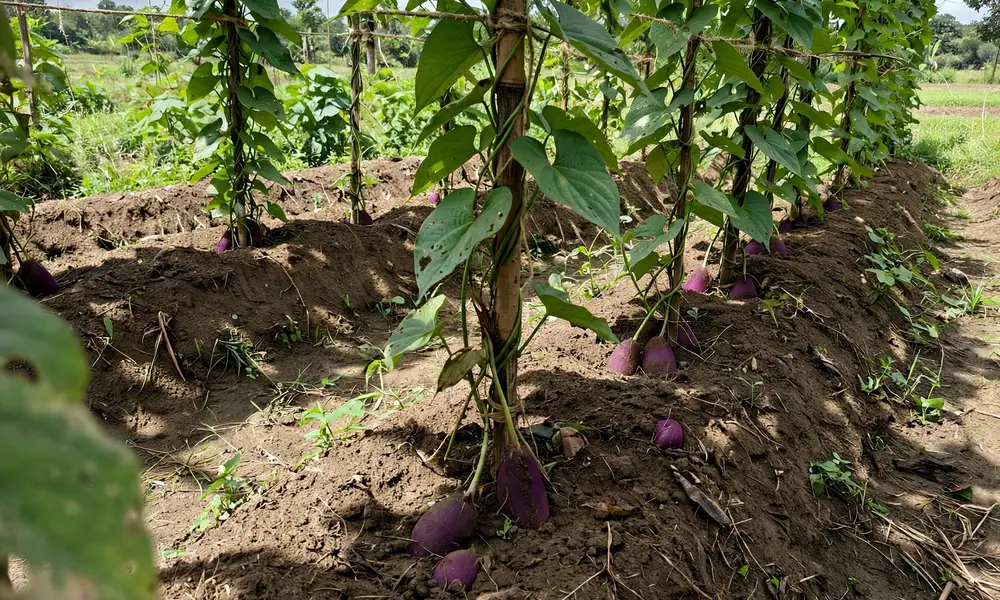
We left out farms that only sell yams at a roadside stall, resorts that bus guests to a farm once a week, and stays with no fields of their own. A farm stay should smell of turned earth in the morning and taste of ube by the afternoon. If it does neither, it is a hotel with a garden, and it does not belong here.
The 9 best water yam farm retreats of 2027
Laguna Ube Fields Farm Stay, Laguna
What we like: A family-run plot an hour from Manila, with two guest rooms, a shaded cooking pavilion and fields you can walk in ten minutes. The morning dig is real work, and the afternoon halaya session is generous. What to consider: Rooms are simple, the road in is unpaved, and there is no pool. Best For: A first ube trip from Manila. Style: Working family farm. Price Range: $75–$115 a night, breakfast included. Standout Feature: The halaya is cooked over wood fire.
Stay two nights and you will dig on the first morning, cook on the first afternoon, and eat halo-halo on the second. The owners grow three ube varieties and will show you the difference in colour and sweetness side by side.
Cebu Violet Vine Farm Retreat, Cebu
What we like: Terraced vines above the coast, a small pool, and a kitchen that turns the morning harvest into lunch. The sunset from the terrace is the best on this list. What to consider: The climb from the road is steep, and the farm is quiet at night. Best For: Couples who want a view with their digging. Style: Hillside terrace farm. Price Range: $80–$120 a night, breakfast included. Standout Feature: Terrace vines overlooking the sea.
Book the upper room if you can. It catches the morning light over the vines and stays cooler than the ground-floor rooms in the afternoon heat.
Bogor Purple Tuber Farm Stay, Bogor
What we like: Cool mountain air, rainforest at the fence line, and a farm that grows yams alongside coffee and bananas. The steamed yam breakfasts are a highlight. What to consider: Rain is frequent, the drive from Jakarta can take three hours, and the rooms are basic. Best For: A cool escape from Jakarta. Style: Mountain mixed farm. Price Range: $65–$105 a night, breakfast included. Standout Feature: Yam, coffee and banana fields on one slope.
Come for the yams and stay for the coffee. The farm roasts its own beans, and the morning cup with steamed ube is worth the early start.
Nakhon Pathom Ube Garden Stay, Bangkok
What we like: A short drive from Bangkok, with canal boats, a floating market nearby and a garden kitchen that teaches ube cakes as well as halaya. What to consider: It books out on weekends, and the garden is smaller than the other farms here. Best For: A weekend add-on to a Bangkok trip. Style: Canal-side garden farm. Price Range: $70–$110 a night, breakfast included. Standout Feature: Ube cake baking in a garden kitchen.
Arrive on a Friday and you get the market on Saturday morning, the digging on Saturday afternoon, and a slow canal breakfast on Sunday before the drive back.
Red River Yam Fields Retreat, Hanoi
What we like: Flat river-delta fields, bicycle lanes between the rows, and a farmhouse that serves yam soup with river fish. The light on the delta at dawn is superb. What to consider: Winters are cool and damp, and English is limited outside the main house. Best For: Slow mornings by bicycle. Style: Delta farmhouse. Price Range: $60–$95 a night, breakfast included. Standout Feature: Bicycle rides between the yam rows.
Rent the farm bicycles and ride out before breakfast. The fields are flat, the lanes are quiet, and the mist burns off by eight.
Mekong Purple Yam Farm Stay, Ho Chi Minh City
What we like: A working Mekong farm with boat trips to the market, a large cooking shed and a family that has grown yams for three generations. The yam and coconut desserts are excellent. What to consider: It is hot and humid, the boat rides are early, and the rooms have fans rather than air conditioning. Best For: Market mornings and river life. Style: Mekong river farm. Price Range: $65–$100 a night, breakfast included. Standout Feature: Three generations of yam growers.
Take the dawn boat to the floating market. The farm buys its coconut and fish there, and you will see the whole meal take shape before lunch.
Selangor Violet Vine Farm Stay, Kuala Lumpur
What we like: A polished farm an hour from the city, with air-conditioned rooms, a proper restaurant and a harvest festival in season. The ube ice cream is made on site. What to consider: It feels more resort than farm, and the digging sessions are shorter than elsewhere. Best For: Comfort with a farm flavour. Style: Polished estate farm. Price Range: $85–$130 a night, breakfast included. Standout Feature: Ube ice cream churned on the farm.
If you want clean rooms and a good restaurant without giving up the fieldwork entirely, this is the compromise pick. Book the festival weekend if your dates allow.
Kranji Purple Yam Farm Stay, Singapore
What we like: The easiest logistics on this list, with a farm in the Kranji countryside, guided digging sessions and a cafe that serves ube pancakes all day. What to consider: The priciest stay here, the fields are small, and you will not feel far from the city. Best For: A single-night taster. Style: Countryside farm cafe. Price Range: $120–$180 a night, breakfast included. Standout Feature: Ube pancakes in the farm cafe.
One night is enough. Dig in the morning, eat pancakes at noon, and be back in the city for dinner with a bag of tubers in hand.
Viti Levu Ube Farm Retreat, Suva
What we like: A Fijian farm with ocean views, lovo earth-oven cooking and a host family that folds yam into every meal. The pace is the slowest on this list, in a good way. What to consider: Flights are the dearest here, the island time is real, and the wifi is patchy. Best For: A long, slow Pacific stay. Style: Ocean-view family farm. Price Range: $90–$140 a night, breakfast included. Standout Feature: Lovo earth-oven feasts with yam.
Stay three nights or more. The first day is for settling in, the second for digging, and the third for the lovo feast, which takes all afternoon to build and is worth every minute.
Which region suits which traveller
The Philippines is the natural first stop. Ube is a national flavour there, the farms are used to guests, and a stay pairs easily with Manila or Cebu City. If your main goal is dessert, start in Laguna or Cebu, where halaya, halo-halo and ube ice cream are daily cooking rather than a special event. Indonesia and Vietnam suit travellers who want a farm as part of a longer food trip: Bogor for coffee and mountain air, the Red River delta for bicycles and river fish, the Mekong for markets and boats.
Malaysia and Singapore are the short-stay options. Selangor gives you comfort and a restaurant, Kranji gives you a single-night taster with the easiest transport on the list. Fiji is the outlier and the reward: the dearest to reach, the slowest in pace, and the only stay where yam is cooked in an earth oven under the stars. Our ulluco farm retreats offer a similar spread of regions in the Andes, if you would rather climb than fly across the Pacific.
The caveats that matter
Water yam is a safe, well-loved food, but it is not a snack you eat raw from the field. The tubers must be peeled and cooked thoroughly, and the raw flesh can irritate skin, so wear gloves when you handle a fresh cut. Ube desserts are often made with flour, condensed milk and butter, so anyone avoiding gluten or dairy should ask before ordering. The rest is logistics: heat, rain, mud and the distance from the nearest town.
| Detail | What is known |
|---|---|
| What it is | Dioscorea alata, purple yam, sold as ube, violet flesh, naturally sweet |
| How long it takes to grow | Eight to ten months from planting to harvest |
| Can it be eaten raw | No, peel and cook thoroughly, and wear gloves with raw flesh |
| Best-known dishes | Ube halaya, halo-halo, ube ice cream, ube cakes, steamed yam |
| Who should ask first | Anyone avoiding gluten or dairy, and anyone with a yam allergy |
| What to pack | Closed shoes for mud, sun protection, a light rain layer |
| How far ahead to book | Four to six weeks for harvest season, two weeks outside it |
| What it is not | Not white yam, not sweet potato, not taro, despite the similar shape |
One more practical note: farm stays in this series are small, and harvest-season weekends fill first. If your dates are fixed, book the room before the flight, not after. A farm with two guest rooms will not add a third for you.
Checklist: before you book a water yam farm stay
Run through these checks before you pay, and again the week you travel.
- Check the harvest dates: ask the farm which weeks the digging actually runs, not just when rooms are free.
- Check what the rate covers: meals, transfers, cooking sessions and the digging itself are sometimes priced separately.
- Check the food questions early: gluten in ube cakes, dairy in halaya, and any yam allergy in your group.
- Check the ground underfoot: closed shoes, gloves for digging, and a bag you do not mind getting muddy.
- Check the transfer: confirm who meets you, where, and what happens if your flight lands late.
- Check the weather window: heavy rain turns field paths to mud, so keep one indoor day in your plan.
Frequently asked questions
Is water yam the same thing as ube?
Yes. Ube is the Filipino name for water yam, Dioscorea alata. The purple yam you see in ube halaya, halo-halo and ube ice cream is the same tuber, just cooked and sweetened. Outside the Philippines it is usually called water yam or purple yam.
How is water yam different from white yam?
They are different species. Water yam is Dioscorea alata, with violet flesh and a sweet taste, grown across Southeast Asia and the Pacific. White yam is Dioscorea rotundata, with white flesh, grown mainly in West Africa and eaten as pounded yam. They look similar in the ground and taste quite different on the plate.
Can I eat water yam raw?
No. Peel it and cook it thoroughly, as you would a potato. Raw water yam can irritate the mouth and the skin, so wear gloves when you handle a freshly cut tuber and wash your hands after digging.
When is the best month to visit a water yam farm?
Harvest season, which follows eight to ten months of growth and usually falls in the drier months. Ask the farm directly, because the exact weeks shift with the rains and differ between the Philippines, Vietnam and Fiji.
Do water yam farm stays suit children?
Often yes. Digging is physical and muddy, which children tend to enjoy, and the cooking sessions are hands-on. Check with the farm about ages, steep paths and the heat, and bring closed shoes for everyone.
Is ube halaya gluten-free?
The classic recipe of yam, coconut milk, condensed milk and butter has no flour in it, but many bakeries and cafes add flour to cakes, breads and doughnuts made with ube. Ask before you order, and tell the kitchen if you need a gluten-free plate.
The bottom line
The best water yam farm retreat in 2027 is the one that matches your appetite for hands-on work. Laguna and Cebu are the easiest first stays, with ube desserts at every meal. Bogor, the Red River delta and the Mekong suit travellers who want a farm inside a longer food trip, while Fiji rewards those who can spare the time and the flight. Our arracacha farm retreats are the closest alternative if you want a root-crop farm stay closer to home in the Americas.
Book the harvest weeks, confirm what the rate covers, pack for mud, and go hungry. A water yam farm stay is at its best when you dig in the morning and eat what you dug by the afternoon, with purple on your hands and the smell of coconut in the air.