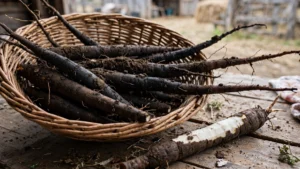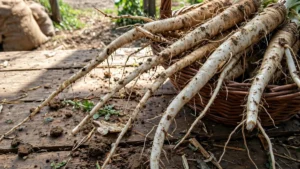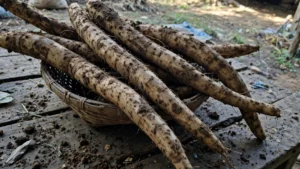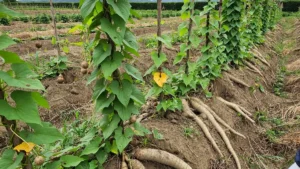
Salsify is the quiet root of the European kitchen garden, a long white root that tastes faintly of oysters and artichoke hearts, dug in the cold months when most other crops have given up.
A salsify retreat is built around that rhythm. Mornings are spent in the field with a fork and a basket, learning how to lift a root without snapping it, because a broken salsify leaks milky sap and loses its shape in the pan. Afternoons move into the kitchen, where the roots are peeled under running water, simmered, roasted, or folded into soups and gratins.
The nine retreats below were chosen for the quality of their fields, the honesty of their cooking, and the way they treat a guest who has never held a digging fork. They range from a walled garden outside Paris to a windswept smallholding near Edinburgh, and each one keeps its groups small enough that the farmer knows your name by the second morning.
Key takeaways
- Salsify is a long white root with a mild, oyster-like flavour, best dug in late autumn and winter when the cold has sweetened it.
- A good salsify retreat keeps groups small, lets guests join the digging, and cooks the harvest the same day it is pulled.
- Choose a farm that explains the peeling and cooking before you start, because salsify stains hands and turns brown quickly once cut.
- Expect simple rooms, shared tables, and early mornings, not spa menus or resort-style service.
- Salsify is naturally gluten-free, but sauces, bread, and shared fryers on a working farm can still carry gluten, so ask before you book.
What a salsify farm retreat actually is
Salsify, Tragopogon porrifolius, is a biennial root vegetable grown for its long, tapered white root. It is sometimes called the oyster plant, not because it grows near the sea but because its flavour carries a faint briny sweetness that reminded nineteenth-century cooks of oysters. The root is dug in its first year, usually from October through February, when cold weather has concentrated its sugars.
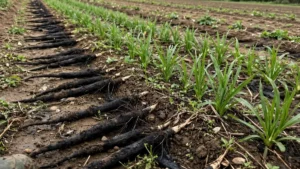
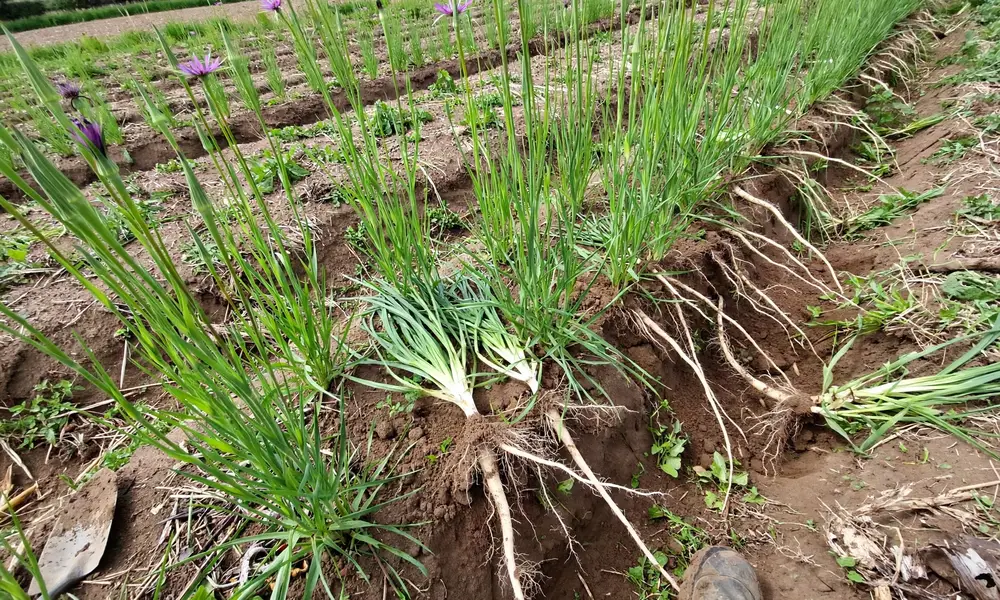
On a retreat farm, salsify is grown in deep, stone-free beds, because the root needs loose soil to grow straight. Guests learn to loosen the ground with a fork, ease the root out in one piece, and trim the leaves for the compost heap. The roots are then washed, peeled, and dropped into acidulated water so they do not discolour. That peeling step is where most first-timers slow down, and where a good host earns their fee, because a root peeled badly is a root wasted.
The cooking is deliberately plain. Salsify is simmered in milk, roasted with butter and thyme, folded into a gratin with cream and cheese, or blended into a pale soup with leeks. A retreat built around it is, by nature, a quiet holiday: early light, cold air, honest work, and a table full of people who have earned their dinner.
How we chose these nine retreats and what to look for
We looked first at the soil and the season. A farm that grows salsify properly keeps deep beds free of stones, sows in spring, and digs only in the cold months. The nine farms below all dig their own roots, in season, and say so plainly.
We looked next at the size of the group and the honesty of the kitchen. A salsify stay works when the group is small enough for everyone to dig, peel, and cook, and when the kitchen uses the harvest rather than ordering in a separate menu.
Finally, we looked at the rooms and the pace. These are working farms, not hotels with a field attached. Rooms are clean and warm, but simple. Days start early, and the work is real. If you want turndown service and a spa, this is the wrong holiday. If you want cold air, a digging fork, and a gratin you helped make, these nine farms are a good place to start. Our guide to lotus root farm retreats follows the same logic for a very different root, and it is worth reading if you are choosing between a pond crop and a field crop.
The 9 best salsify farm retreats of 2027
Racine Blanche Farm, Paris
What we like: A walled garden twenty minutes outside Paris, with deep sandy beds that produce the straightest roots on this list, and a host who teaches peeling the way a chef teaches knife work, slowly and properly. What to consider: The group cap is eight, and weekends in November sell out early. Best for: First-time diggers who want a gentle start. Style: Garden farmhouse with a stone kitchen. Price range: $72–$118 per night. Standout feature: A salsify gratin cooked in the farmhouse oven at the end of the digging day.
Oyster Root Farm, Lyon
What we like: A family farm in the Rhône valley that pairs salsify with the region’s cooking, so the evening meal runs from a salsify soup to a roast built around the root. What to consider: The farm is a forty-minute drive from Lyon, and there is no public transport. Best for: Food lovers who want the root in a full regional menu. Style: Working family farm with a long dining table. Price range: $95–$152 per night. Standout feature: A salsify and leek soup served from the pot the guests helped fill.
Lyon’s food culture runs through everything here, including the way the roots are treated. The host insists on peeling under running water, then simmering in milk before anything else happens, and the difference shows in the finished dish. The bedrooms are simple, the table is long, and the conversation usually turns to what else the region grows.
Witte Wortel Farm, Brussels
What we like: A Flemish smallholding that grows salsify alongside endives and leeks, so guests see a full winter garden rather than a single crop. What to consider: The farmhouse heating is modest, and January nights are cold. Best for: Gardeners who want to see a whole winter plot. Style: Brick farmhouse with a glasshouse kitchen. Price range: $88–$141 per night. Standout feature: A glasshouse lunch cooked from the morning’s roots and leaves.
Wortelveld Farm, Amsterdam
What we like: A polder farm on reclaimed land with deep, stone-free soil that grows unusually long roots, and a host who keeps meticulous notes on sowing dates and varieties. What to consider: The wind across the polder is sharp in December, and warm layers are essential. Best for: Growers who want to learn the crop properly. Style: Modern barn conversion on flat farmland. Price range: $110–$176 per night. Standout feature: A variety comparison at dinner, with three salsify types side by side.
The flat fields and long sightlines make this farm feel very different from the walled gardens further south. The soil is deep and clean, the roots run long, and the host’s records go back years, so a guest who asks about sowing dates gets a real answer. Dinner includes a small tasting of different varieties, which is the clearest way to learn what the root can taste like.
Weisse Wurzel Farm, Berlin
What we like: A Brandenburg farm that grows salsify in sandy soil and cooks it the Berlin way, roasted hard with butter and served with dark bread and pickles. What to consider: The farm is an hour from Berlin by train and bus, and the last bus leaves early. Best for: Travellers who like plain, hearty cooking. Style: Converted barn with a wood-fired oven. Price range: $67–$109 per night. Standout feature: Roots roasted in the wood-fired oven until the edges crisp.
Wiener Wurzel Farm, Vienna
What we like: A farm on the edge of the Vienna woods that folds salsify into Austrian winter cooking, with a cream gratin that has become the farm’s signature dish. What to consider: The farm books in three-night blocks, not single nights. Best for: Guests who want a slow, unhurried stay. Style: Alpine farmhouse with a tiled stove. Price range: $98–$163 per night. Standout feature: A cream and cheese gratin baked in the farmhouse kitchen each evening.
The farm sits where the city thins into woods, and the pace is deliberately slow. Guests dig in the morning, peel and cook in the afternoon, and eat by the tiled stove in the evening. The gratin is the dish people remember, and the host makes it the same way every night, which is the point: a good simple dish, repeated well, beats a clever one attempted once.
Bílý Kořen Farm, Prague
What we like: A Bohemian farm that grows salsify in loamy beds and serves it with dumplings and roast pork, the way the region has cooked winter roots for generations. What to consider: English is limited, and the host communicates largely through demonstration. Best for: Travellers who learn by watching and doing. Style: Village farmhouse with a wood stove. Price range: $83–$136 per night. Standout feature: A shared Sunday lunch with the farm’s neighbours.
White Root Farm, London
What we like: A Kent farm within reach of London that grows salsify in deep chalky loam, with a kitchen garden that supplies the rest of the table. What to consider: The farm is popular with London weekenders, so midweek stays are quieter. Best for: A first farm stay close to the city. Style: Oast house conversion with a walled garden. Price range: $121–$189 per night. Standout feature: A walled garden walk that ends with the salsify beds.
The oast house is the prettiest building on this list, and the walled garden is the most carefully kept. The salsify beds run along the south wall, where the soil stays workable longest into winter. Guests dig in the morning, then walk the rest of the garden with the host, who grows nearly everything the kitchen uses. It is a good first farm stay, close enough to London to reach easily and far enough to feel like a different world.
Thistle Root Farm, Edinburgh
What we like: A windswept smallholding in the Lothians that grows salsify in raised beds against the cold, and cooks it into a pale soup with leeks and cream. What to consider: The weather turns fast, and the digging can be muddy. Best for: Hardy travellers who do not mind rain. Style: Stone cottage with a peat fire. Price range: $76–$124 per night. Standout feature: A leek and salsify soup served by the peat fire after the dig.
What the harvest looks like, and what happens in the kitchen
A salsify harvest is slower than it looks. The root runs deep, often thirty centimetres or more, and it snaps easily if you pull instead of levering. The fork goes in a hand’s breadth from the row, the soil is loosened along the full length, and the root is eased out with both hands.
In the kitchen, the roots are scrubbed, peeled under running water, and dropped straight into water with a squeeze of lemon, because the cut flesh darkens within minutes. From there the cooking splits three ways: simmered in milk until tender, roasted with butter and thyme until the edges brown, or folded into a gratin with cream, cheese, and a little nutmeg.
Salsify rewards patience more than technique. The farms on this list teach the same lesson in different accents: loosen the soil properly, peel quickly, cook gently, and do not let the root sit cut and exposed. A guest who leaves with that lesson has learned the crop, not just tasted it. Our guide to Jerusalem artichoke farm retreats covers a knobbly tuber that needs a very different kind of digging, if you want to compare the two.
The caveats that matter
Salsify is a gentle crop, but it has a few honest limits. The roots stain hands brown, the milky sap can irritate sensitive skin, and the season is short, running roughly from October to February in most of Europe.
| Detail | What is known |
|---|---|
| Best season to visit | Late October to February, when cold weather has sweetened the roots |
| How the root is dug | Loosened with a fork along the full length, then eased out by hand |
| Peeling | Peel under running water and drop into lemon water, or the flesh darkens fast |
| Hands and skin | The milky sap stains hands and can irritate sensitive skin, so gloves help |
| Main cooking methods | Simmered in milk, roasted with butter, folded into a gratin, or blended into soup |
| What to avoid | Woody roots left in the ground too long, and roots snapped during digging |
| Gluten | The root itself is gluten-free, but sauces, bread, and shared fryers may carry gluten |
| What it is not | It is not scorzonera, which is a different species with black skin, and not parsnip |
One more caveat worth stating plainly: salsify is not a crop for a rushed visit. A single night gives you a meal and a morning in the field, but two or three nights give you the full arc, from digging to peeling to cooking to eating, and the chance to do it better the second time. For a tropical contrast, our taro farm retreats dig their roots from warm, wet ground rather than cold winter beds.
Checklist: choosing a salsify farm retreat honestly
Use these checks before you book, and again before you travel.
- Check the season: the farm should be digging its own roots between late October and February, not serving stored or bought-in salsify.
- Check the group size: ten guests or fewer means everyone digs, peels, and cooks, rather than watching.
- Check the kitchen: ask whether the evening meal is built from the day’s harvest, and whether the farm explains the peeling step before you start.
- Check the soil: deep, stone-free beds are what grow straight roots, so ask how the farm prepares them.
- Check the gluten question: tell the farm about gluten before you book, and ask about sauces, bread, and shared fryers.
- Check the weather plan: ask what happens on a wet or frozen day, and what the farm does when digging is impossible.
Frequently asked questions
When is the best month to visit a salsify farm?
Late November and December are usually the sweet spot, after the first cold has sweetened the roots and before the ground freezes hard.
Is salsify the same as scorzonera?
No. Salsify is Tragopogon porrifolius, with white skin and a mild oyster-like flavour. Scorzonera, often called black salsify, is Scorzonera hispanica, with black skin and a firmer texture. They cook similarly, but they are different species, and a farm that confuses them is worth avoiding.
Does salsify really taste like oysters?
Only faintly. The flavour is mild, sweet, and a little briny, which reminded nineteenth-century cooks of oysters, hence the name oyster plant. Most people taste something closer to artichoke hearts with a hint of the sea. It is subtle, not fishy.
Do I need to bring my own gloves and boots?
Boots, yes, because the beds are muddy in winter. Gloves are usually provided, but bring your own if you have sensitive skin, because the milky sap stains and can irritate. A warm waterproof jacket matters more than anything else you pack.
Can I visit a salsify farm with children?
Most farms welcome children over ten who are happy to dig and peel, and the work suits them well. Younger children will find the peeling slow and the mornings cold, so ask the farm about its age limit before you book.
How many nights should I stay at a salsify farm?
Two or three nights is the right length. One night gives you a meal and a single morning in the field, while two or three nights let you dig, peel, cook, and eat across the full arc, and improve on the second day.
The bottom line
Salsify will never be the loudest root on the table, and that is its charm. A farm retreat built around it is a quiet holiday of cold air, honest work, and simple cooking, and the nine farms above do it well. Racine Blanche is the gentlest start, Wortelveld is the best for a serious grower, and Thistle Root is the one for travellers who do not mind rain and mud.
Book for late November or December, tell the farm about gluten before you pay, pack boots and a warm jacket, and go ready to dig. The root is modest, the work is real, and the gratin at the end of the day is better for both.