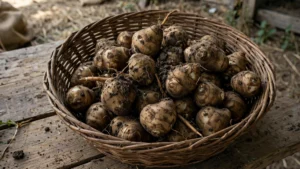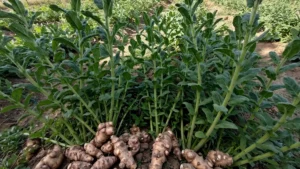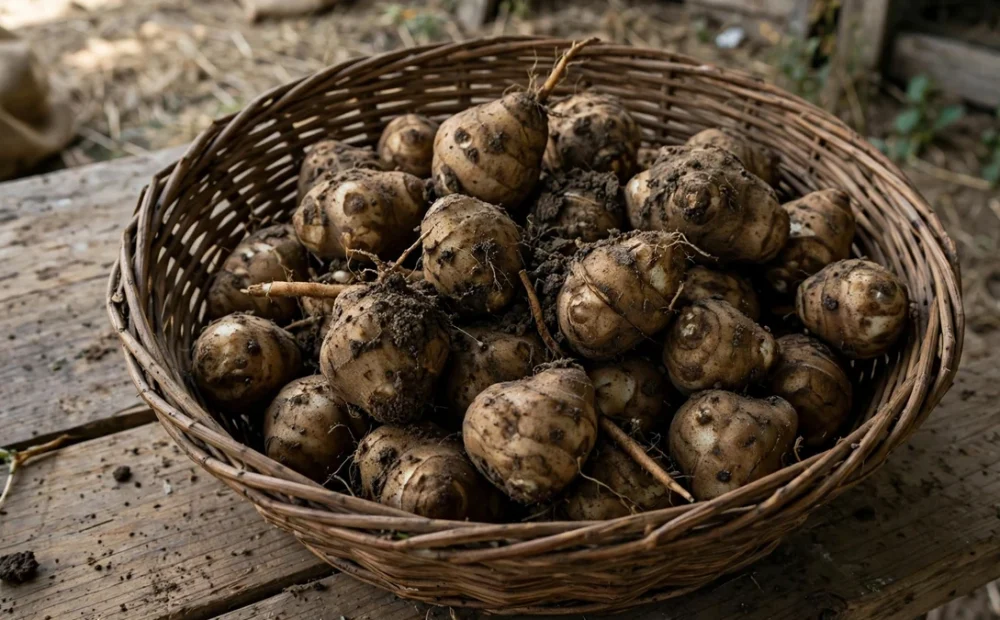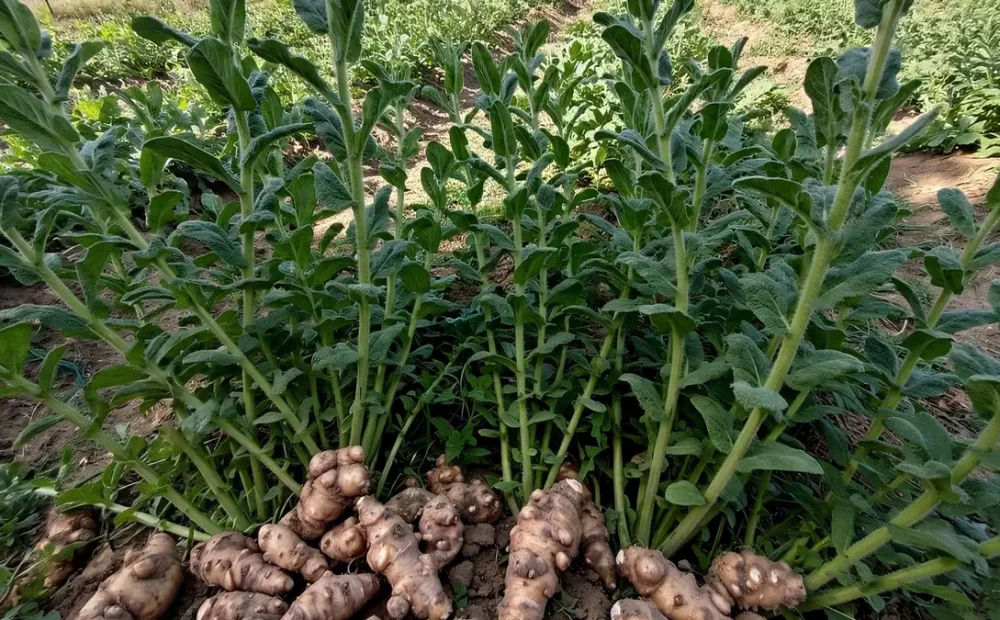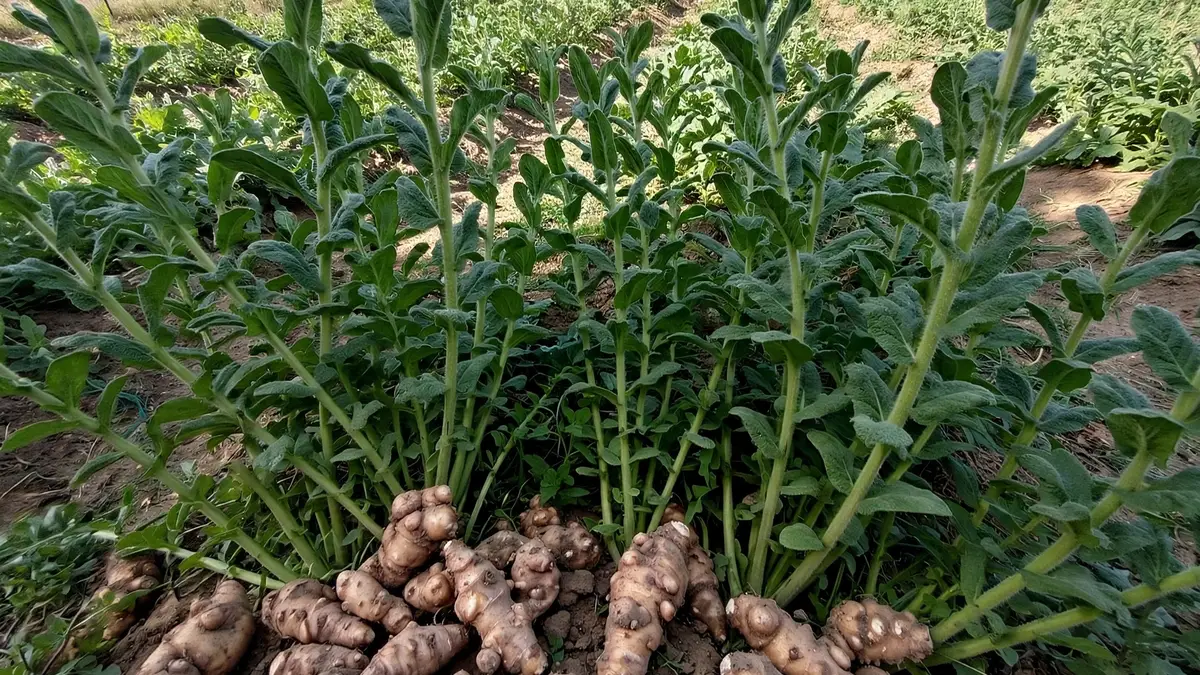
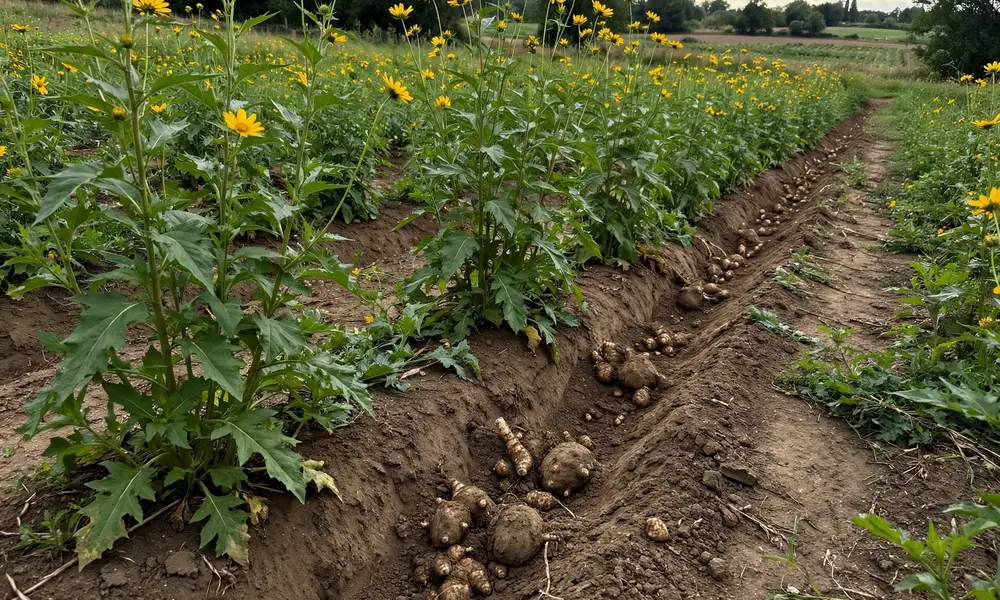
A Jerusalem artichoke is one of the most misunderstood vegetables on a farm menu. It is not an artichoke, not from Jerusalem, and not a potato. It is a sunflower cousin, Helianthus tuberosus, grown for its knobbly underground tubers, which taste nutty and faintly sweet when roasted, and turn silky in soup. The French call it topinambour, the Germans Topinambur, and in North America it is sold as a sunchoke.
A farm retreat built around it is a slower kind of stay. These are small farms, not resorts, and the day is shaped by the field: a morning digging tubers out of cold soil, a kitchen that roasts them the same afternoon, and an evening meal where the sunchoke shows up three ways, in a velouté, in a gratin, and sliced thin and fried into chips. The best of them sit near old market towns, so the farm is half the trip and the town is the other half, with a morning market and a bistro that serves the same tuber the farm grew.
Below are nine stays worth considering in 2027, from a market-garden farm outside Paris to a city farm in New York. Each stay below notes what it does well, what to watch for, and who it fits best.
Key takeaways
- Jerusalem artichoke, or sunchoke, is Helianthus tuberosus, a sunflower cousin grown for knobbly tubers, nutty and sweet when roasted and silky in soup.
- The best season is autumn after the first frost, when the cold sweetens the tubers, and the digging runs through winter.
- These are small working farms with a handful of rooms, a farm kitchen, and a digging morning guests can join.
- Paris and Lyon lead on cooking, Berlin and Vienna on hearty winter food, and the North American farms on short city-break visits.
- Sunchokes are naturally gluten-free, but farm kitchens also bake bread and handle flour, so settle wheat handling with the farm before you book; and because sunchokes are rich in inulin, taste a small portion first, as a large serving can cause wind.
What a Jerusalem artichoke farm retreat actually is
A sunchoke farm retreat is a working farm that takes in a small number of guests for a few nights, usually in the autumn and winter when the tubers are ready. Guests dig in the morning, cook in the afternoon, and eat in the evening. Rooms are simple and warm, often in a converted farmhouse, and the kitchen is the centre of the place, with a long table and a cook who knows the tuber in a dozen forms.
After breakfast, the farmer takes guests to the field with forks and baskets, and shows them how to lift the tubers without breaking them, because the knobbly shapes hide in the soil and snap if you pull too hard.
These stays suit travellers who enjoy food and open ground more than luxury for its own sake. If you want to learn how a vegetable moves from cold soil to a hot plate, and to eat it in a kitchen that smells of butter and thyme, a sunchoke farm is a good way to spend three nights.
How we picked these stays, and what to ask first
We picked farms that grow Jerusalem artichokes as a real crop, not a garnish, and that let guests take part in the digging and the cooking. Each stay has its own kitchen, its own rooms, and a farmer who can talk about the tuber beyond a recipe card. We also favoured farms near a town with a market, because the best sunchoke trips pair a day in the field with a morning buying cheese, bread, and wine nearby.
Before you book, ask three things: when the farm digs, because the season is short and the best weeks follow the first frost; whether guests can join the digging morning, because some farms only allow it on certain days; and how the kitchen handles wheat and gluten, because a farm kitchen bakes bread and fries in shared oil. If you like root-crop stays in warmer places, our best luxury jicama farm retreats cover a crisp Mexican root in a very different climate, and the same three questions work there too.
The 9 best luxury Jerusalem artichoke farm retreats of 2027
Paris, France — Sunchokes in the market-garden belt
What we like: A market-garden farm south of Paris, with topinambour beds near the rooms and a kitchen that serves velouté, gratin, and chips in one meal. What to consider: The farm is busy on market days, the rooms are small, and the city is forty minutes away by train. Best For: Food lovers who want Paris and a farm in the same trip. Style: Stone farmhouse with a walled kitchen garden. Price Range: $140–$220 per night. Standout Feature: A sunchoke velouté served with a market-bought baguette and salted butter.
The Bièvre Valley Topinambour House grows its sunchokes in deep, sandy beds, and the cook roasts them with thyme the same day they are dug.
Lyon, France — Sunchokes where the bouchons cook them
What we like: A farm west of Lyon, with a kitchen that treats topinambour the way the city’s bouchons do, roasted with garlic and folded into gratins. What to consider: The hills are steep, the rooms are plain, and the nearest town is twenty minutes away by car. Best For: Travellers who plan their trips around what they will eat. Style: Hill farmhouse with a long dining table and a wood stove. Price Range: $120–$195 per night. Standout Feature: A sunchoke gratin baked in a copper dish, straight from the stove to the table.
The Monts du Lyonnais Sunchoke Farm keeps pigs alongside its vegetable beds, and the evening meal pairs the tubers with pork cooked slowly in cider.
Berlin, Germany — Sunchokes on the Brandenburg plain
What we like: A flat farm east of Berlin, with long Topinambur rows, a barn kitchen, and a cook who makes soup and pickles. What to consider: The plain is windy in autumn, the farm is quiet midweek, and the city is an hour away by train. Best For: Travellers who like open skies and long walks. Style: Brick barn converted into guest rooms around a courtyard. Price Range: $95–$165 per night. Standout Feature: Pickled sunchokes served with dark bread and cold-smoked fish.
The Märkisch Sunchoke Hof digs its Topinambur after the first frost, when the tubers turn sweet, and stores them in sand through the winter.
Vienna, Austria — Sunchokes in the Weinviertel hills
What we like: A farm north of Vienna, with Topinambur beds, a wine cellar, and a kitchen that roasts the tubers with rosemary. What to consider: The hills are cold in late autumn, the farm is a bus ride from the station, and the rooms book up early. Best For: Couples who want wine, hills, and a slow weekend. Style: Whitewashed farmhouse with a cellar tasting room. Price Range: $110–$180 per night. Standout Feature: Roast sunchokes drizzled with green pumpkin seed oil from the next village.
The Weinviertel Topinambur House grows its tubers on south-facing slopes, and the farmer presses the seed oil with a neighbour each year.
Prague, Czech Republic — Sunchokes beyond the city walls
What we like: A farm east of Prague, with Topinambur beds, a smokehouse, and a kitchen that serves them with smoked pork and dumplings. What to consider: The country roads are slow, the farm is quiet in winter, and English is less common than in the city. Best For: Travellers who want Bohemia without the crowds. Style: Timber farmhouse with a smokehouse and a herb garden. Price Range: $85–$150 per night. Standout Feature: Sunchoke soup with smoked pork, served in the farmhouse kitchen on a cold evening.
The Bohemian Sunchoke Farm keeps its tubers in the ground until the frost has sweetened them, and the cook digs only what the kitchen needs.
Budapest, Hungary — Sunchokes on the Great Plain
What we like: A farm south of Budapest, with long Topinambur rows, a paprika kitchen, and a cook who fries them into crisps and folds them into soup. What to consider: The plain is hot in early autumn and cold by November, the farm is a long drive from the city, and the rooms are plain. Best For: Travellers who like bold flavours and wide horizons. Style: Plain farmhouse with a shaded veranda and a paprika drying room. Price Range: $75–$130 per night. Standout Feature: Sunchoke crisps dusted with sweet paprika, eaten warm from the pan.
The Alföld Sunchoke Farm grows its tubers in sandy soil, and the farmer sells the surplus at the Budapest markets each Saturday.
Toronto, Canada — Sunchokes in the Niagara fruit belt
What we like: A farm south of Toronto, in the fruit belt, with sunchoke beds beside orchards, a kitchen that roasts them with maple, and the lake a short drive away. What to consider: The season is short, the farm is busy at harvest weekends, and the rooms book months ahead. Best For: City travellers who want a weekend in the country. Style: Orchard farmhouse with a modern kitchen and a lake view. Price Range: $130–$205 per night. Standout Feature: Roast sunchokes glazed with maple syrup, served with a lake fish supper.
The Niagara Sunchoke Farm plants its tubers along the orchard rows, and the cook pairs them with apples from the same field.
Montreal, Canada — Sunchokes in the Eastern Townships
What we like: A farm in the Townships east of Montreal, with sunchoke beds, a sugar shack, and a kitchen that serves them in soup, in a gratin, and roasted with duck. What to consider: The Townships are cold by late October, the farm is a drive from the city, and French comes first here. Best For: Travellers who like French cooking with a Quebec accent. Style: Clapboard farmhouse with a sugar shack and a stone fireplace. Price Range: $115–$185 per night. Standout Feature: A sunchoke and duck supper by the fireplace, with maple tart to finish.
The Townships Sunchoke Farm digs its tubers after the first hard frost, when they are sweetest, and the cook keeps soup on the stove all day.
New York, United States — Sunchokes in the Hudson Valley
What we like: A farm in the Hudson Valley north of the city, with sunchoke beds, a farm store, and a kitchen that roasts them with sage and pork. What to consider: The valley is busy on autumn weekends, the farm is a train plus a taxi from the city, and the rooms are small. Best For: New Yorkers who want a farm weekend without a flight. Style: Hudson Valley barn with guest rooms above the farm store. Price Range: $150–$235 per night. Standout Feature: Roast sunchokes with sage butter, eaten at a table overlooking the river.
The Hudson Sunchoke Farm grows its tubers in river loam, and the farmer runs a Saturday market from the barn door.
Which Jerusalem artichoke region fits your trip
France is the place to go if cooking is the point of the trip: Paris gives you a market-garden farm with a city on the doorstep, and Lyon gives you the bouchon tradition, with topinambour roasted and folded into gratins.
Germany, Austria, the Czech Republic, and Hungary suit travellers who like hearty winter food and quiet country. Berlin’s farms make pickles and dark bread, Vienna’s hills add wine and pumpkin seed oil, and Prague and Budapest bring smoke, dumplings, and paprika. If you want a spiky tropical fruit stay instead, our best luxury kiwano farm retreats cover horned melon farms in a much warmer climate.
North America suits a shorter trip. Toronto and Montreal are weekend drives from big cities, with maple, duck, and lake fish on the menu, while the Hudson Valley is a train ride from New York. For a gentler mountain fruit in the same spirit, our best luxury babaco farm retreats cover a five-sided Ecuadorian fruit that is tart, fragrant, and nothing like a sunchoke, but the farm-stay shape is the same.
The caveats that matter
The tuber is rich in inulin, a fibre that feeds gut bacteria and can cause wind and bloating if you eat a large portion, especially on your first day. Eat a small serving first, eat it well cooked, and drink water with the meal. The second thing to settle is gluten: the tuber itself has none, but farm kitchens bake bread, fry in shared oil, and thicken soups with flour, so talk to the cook before booking, not after arriving.
| Detail | What is known |
|---|---|
| What it is | Helianthus tuberosus, a sunflower cousin grown for knobbly tubers, not a globe artichoke |
| Best season | Autumn after the first frost, when the cold sweetens the tubers |
| Taste | Nutty and faintly sweet, roasted, in soup, in gratins, or fried into chips |
| Inulin | Rich in inulin; eat a small portion first, as a large serving can cause wind |
| Who should go easy | Anyone with a sensitive gut; small portions, well cooked, water with the meal |
| Gluten | The tuber has no gluten, but farm kitchens cook with wheat, so ask before you book |
| Raw eating | Best cooked; raw sunchoke is crunchy but harder to digest |
| What it is not | Not a potato or a globe artichoke; the name comes from Italian girasole, sunflower, not Jerusalem |
Weather matters too. Autumn digging means cold soil, mud, and wet feet, so bring boots and a warm layer, and expect shorter field work on a rainy day.
Checklist: booking a Jerusalem artichoke farm stay honestly
Run through these checks when you book, then once more in the week before you travel.
- Check the digging weeks: ask when the farm lifts its sunchokes, and travel inside them.
- Check the field work: ask if guests may join the digging morning, and whether the ground is muddy or dry.
- Check the kitchen: mention gluten in your first message, and ask how the cook handles wheat and flour.
- Check the inulin plan: ask for a small first serving, and eat it well cooked with water.
- Check the room: ask for a field-facing room, and confirm heating for cold nights.
- Check the journey: confirm the train, bus, or taxi from the nearest town, and farm pick-ups.
Frequently asked questions
When do farmers dig Jerusalem artichokes?
After the first frost in autumn, when the cold has sweetened the tubers, and through the winter, because the tubers store well in the ground. Most farms dig from October into February.
What does a roasted sunchoke taste like?
Nutty and faintly sweet, with a soft centre and crisp edges, somewhere between a roast potato and a water chestnut. Roasting with thyme brings out the sweetness.
Can guests dig sunchokes with the farmers?
On most of these farms, yes, on set mornings. The farmer shows you how to lift the tubers without snapping them, and the digging lasts an hour or two. Ask when you book, because some farms only dig on certain days.
Why do Jerusalem artichokes cause wind?
They are rich in inulin, a fibre that gut bacteria ferment, which makes gas. It is worse with a large portion, and worse raw. Eat a small serving first, eat it well cooked, and give your stomach a day to adjust.
Where should a first-time sunchoke guest start?
Paris or Lyon, where the cooking is most practised and the tuber shows up in soup, gratin, and roast in one meal. For a shorter trip, the Hudson Valley is the easiest first stay, with a train from New York.
What should a gluten-free guest ask the farm before booking?
Whether the kitchen can cook your meals without wheat and flour, whether soups are thickened with flour, and whether the frying oil is shared with breaded food. Tell the farm in your first message, so the cook can plan.
The bottom line
The best Jerusalem artichoke farm retreat in 2027 is the one where the digging, the cooking, and the eating all happen in the same day, with a farmer who knows the tuber. Paris and Lyon lead on cooking, Central Europe on hearty winter food and value, and North America on short trips from big cities.
Go in autumn, after the first frost, eat a small portion first, and let the farm show you what a knobbly tuber can do. A sunchoke will not impress you in a restaurant the way it does in a farmhouse kitchen, with mud on your boots and soup on the stove. That is the whole point of the trip.