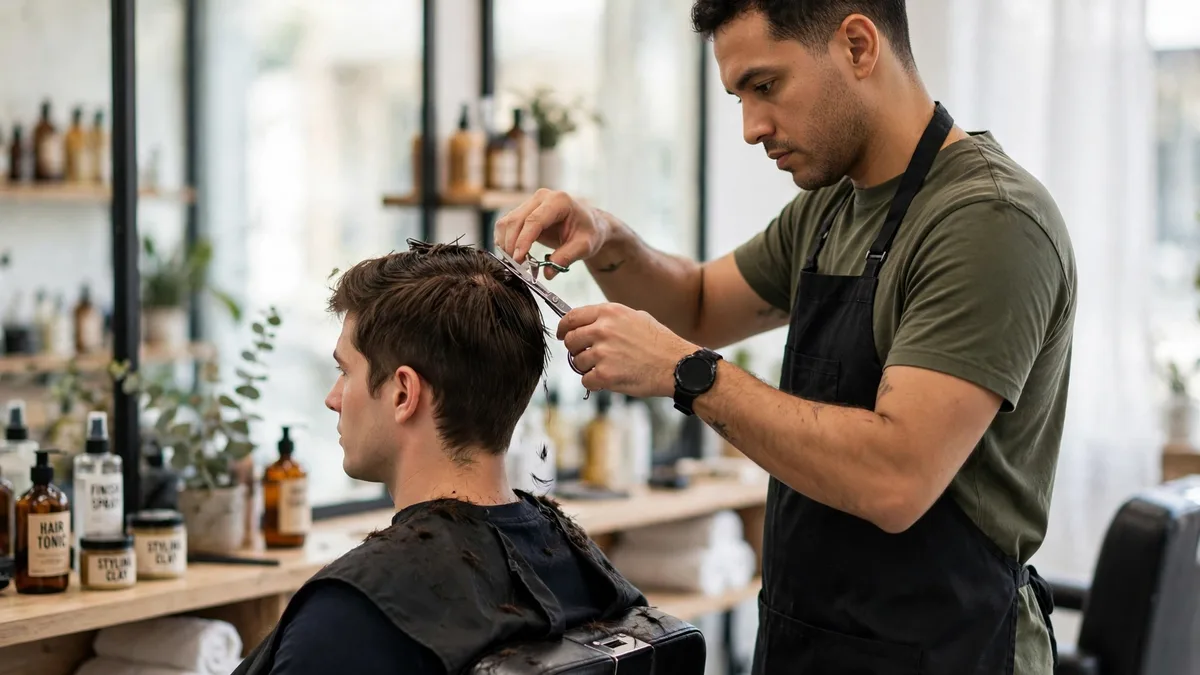
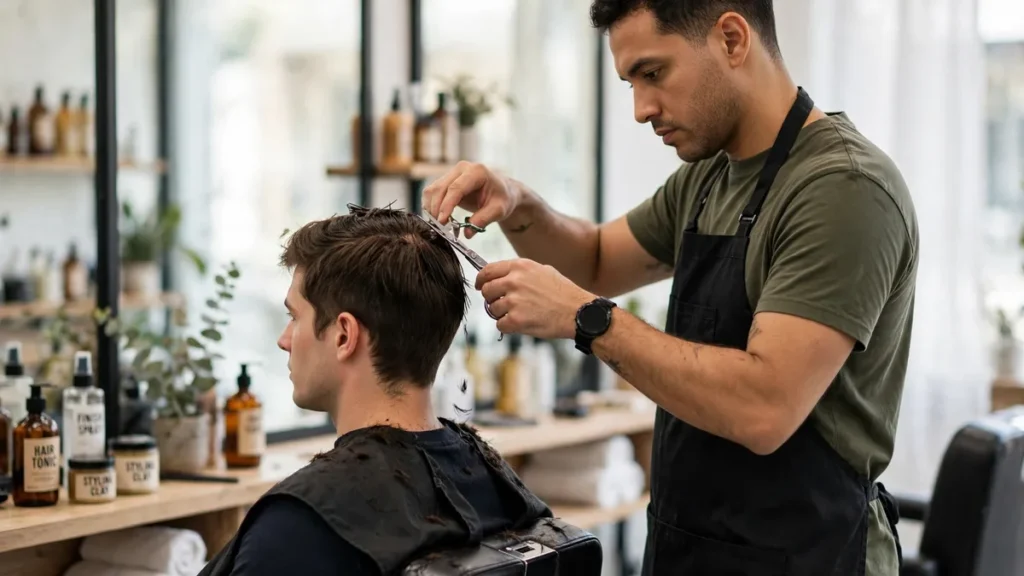
The best cutting hair style in 2027 is the textured crop, a short, choppy cut that suits most face shapes and needs very little morning effort. It leads our list of ten because it balances sharpness with ease, looking neat straight from the chair and still good a week later. If you want one answer to the question of what to ask for at your next appointment, that is it.
Haircuts have shifted towards texture and movement this year. Blunt, heavy shapes have given way to softer edges, lived-in layers and fades that grow out gracefully. The ten styles below cover short, medium and longer hair, for barber regulars and salon visitors alike.
Key takeaways
- The textured crop is the best all-round cutting hair style for 2027.
- Short fades grow out cleanly, while layered cuts suit longer hair best.
- Take a photo to your appointment and talk through the upkeep honestly.
- Fine hair suits texture and lift; thick hair suits weight removal and layers.
- A cut should fit your morning routine, not fight against it.
How to Choose the Best Cutting Hair Style
Start with your hair, not the photo. Fine hair falls flat under too much length, so shorter textured cuts usually give it more life.
Thick hair can carry length, but it needs layers or thinning through the bulk or it turns into a heavy shape. Wavy hair adds natural movement, so work with the wave rather than against it.
Then think about your face shape. A round face suits height on top and shorter sides, which lengthen the look of the face.
A longer face suits softer sides and a fringe, which break up the length. Square jaws suit texture on top, while softer cuts suit sharper features. None of this is a hard rule, and a good cutter will adapt the shape to you.
Finally, be honest about upkeep. A skin fade looks superb for a week and needs a trim every two to three weeks to stay sharp.
A layered cut or curtain style grows out far more forgivingly and suits a visit every six to eight weeks. The best cutting hair style is the one you will actually maintain, so pick the version that fits your diary and your mirror.
The 10 Best Cutting Hair Styles in 2027
These ten cuts are the strongest choices for 2027, from short barber-shop staples to longer salon styles. Each one earns its place for a different reason, so find the one that matches your hair.
| Style | Best for | Upkeep | Hair type |
|---|---|---|---|
| Textured Crop | Most faces | Low | Straight or wavy |
| Taper Fade | Neat short styles | Medium | All types |
| Classic Side Part | Smart everyday looks | Low | Straight |
| Layered Cut | Longer hair | Low | Thick or wavy |
| Modern Mullet | Bold statement cuts | Medium | Straight or wavy |
| French Crop | Low-effort short hair | Low | Straight |
| Curtain Cut | Medium length | Medium | Wavy |
| Blunt Bob | Sharp jaw-length style | Medium | Straight |
| Wolf Cut | Textured shaggy looks | Medium | Wavy or curly |
| Buzz Cut | Shortest upkeep | Low | All types |
1. Textured Crop
Best for: most face shapes and low-effort mornings.
The textured crop is short on the sides and choppy on top, with the fringe cut forward and broken up rather than left blunt. It gives fine hair the illusion of thickness, since short, uneven lengths add movement.
Style it with a little matte paste, pushed forward with your fingers. It takes under a minute and holds all day without looking stiff.
2. Taper Fade
Best for: a neat finish that grows out well.
The taper fade keeps length on top while the sides and back shorten gradually towards the neckline. Unlike a skin fade, it leaves a soft blend that grows out cleanly. It pairs well with almost any top style.
Ask for a low taper if you want something subtle, or a mid taper for a sharper contrast. A trim every three weeks keeps the blend looking fresh.
3. Classic Side Part
Best for: smart everyday looks and office wear.
The side part has outlasted every trend because it is simple, tidy and easy to wear. Hair is cut with a clear parting and length on top to sweep across. It suits straight hair best, and a little volume on top stops it looking flat.
A comb and a dab of cream are all it needs. Keep the sides neat and the parting does most of the work.
4. Layered Cut
Best for: longer hair that needs shape and movement.
Layers remove weight from longer hair without taking off the length. The cut builds shape through the mid-lengths and ends, so hair moves instead of hanging heavy. It is the easiest way to make long hair feel lighter and look fuller.
Long layers suit thick and wavy hair best. Ask for soft, blended layers rather than choppy steps, which look dated as they grow out.
5. Modern Mullet
Best for: a bold look with an easy grow-out.
The modern mullet keeps the front and sides short while the back grows longer, but the 2027 version is softer than the original. The top is textured, the sides are faded or tapered, and the back is blended rather than left stark. It suits people who like a statement cut.
It works best on straight or wavy hair with natural texture. The length at the back needs only a trim every couple of months.
6. French Crop
Best for: short hair with almost no styling.
The French crop pairs a short back and sides with a short fringe worn forward. It is one of the lowest-effort cuts here, since the fringe sits naturally and needs no blow-drying. It suits a receding hairline well, since the forward fringe softens it.
Keep the fringe just above the eyebrows, the sides faded or tapered. A little texture on top stops it looking too severe.
7. Curtain Cut
Best for: medium length with a centre or side parting.
The curtain cut parts in the middle or to one side, with longer lengths framing the face on both sides. It gives medium hair a relaxed feel without much styling. The face-framing layers soften sharper features and suit wavy hair well.
Let it air-dry for a natural finish, or add volume at the roots. It grows out gracefully, so trims every eight weeks are enough.
8. Blunt Bob
Best for: a sharp, jaw-length style with clean lines.
The blunt bob is cut to one even length, usually around the jaw, with no layers to soften the edge. That clean line makes fine hair look thicker and gives a polished finish. It is the most precise cut here, so it rewards a cutter with a steady hand.
Straighten the ends for a sharp finish or let them flick out naturally. A trim every six weeks keeps the line crisp.
9. Wolf Cut
Best for: textured, shaggy volume with attitude.
The wolf cut mixes the shag of a mullet with the layers of a shag cut, building volume and texture through the ends. It suits wavy and curly hair best, since the natural texture does much of the work. The result is deliberately undone, never neat.
Scrunch in a little cream while the hair is damp. Avoid over-brushing, which flattens the layers the cut is built on.
10. Buzz Cut
Best for: the shortest upkeep and a clean, bold look.
The buzz cut takes the hair to one short length all over, usually with clippers and a guard. It is the simplest cut here and the easiest to maintain between barber visits. It suits a strong jawline and anyone who wants to stop thinking about hair entirely.
Keep the edges tidy with a trim every two weeks. Scalp care matters more with a buzz, since the skin is on show.
How to Prepare for Your Cut
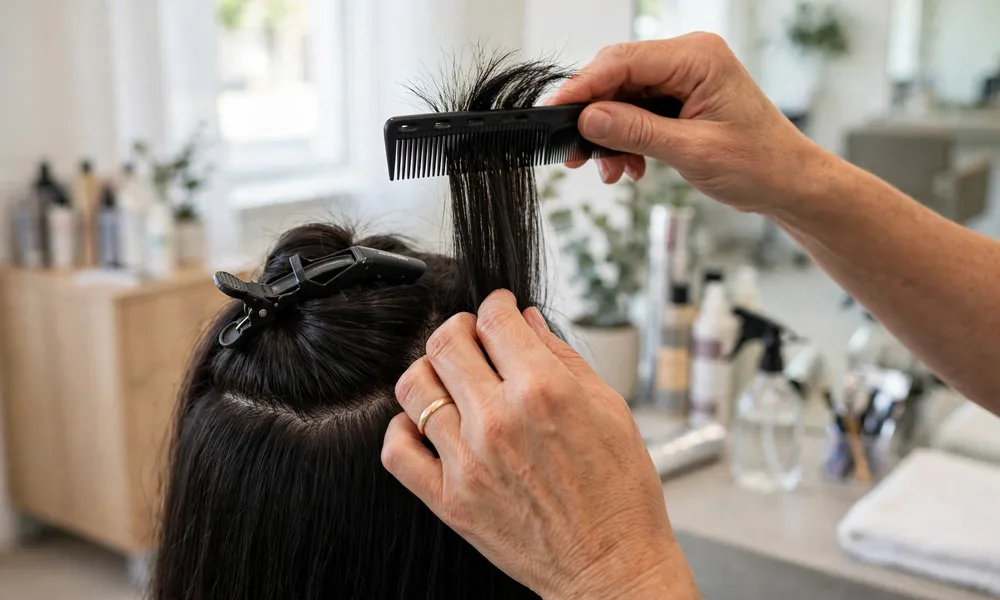
Arrive with clean, dry hair and a clear idea of what you want. Photos help more than words, so save two or three pictures of cuts you like. Your cutter can then see exactly what you mean by textured or short.
Talk about your routine before the scissors come out. Mention how much time you spend styling each morning, how often you will return, and whether you use heat tools. A good cutter will steer you away from a style that needs more upkeep than you will give it.
Ask how the cut will grow out. Some styles look great for a fortnight and awkward by week four; others fade gracefully. Knowing that in advance helps you book the next appointment at the right time.
A Quick Checklist Before Your Cut
- Save two or three reference photos on your phone.
- Wash your hair the morning of the appointment.
- Tell your cutter how much styling time you have each day.
- Mention cowlicks, thin patches or a sensitive scalp.
- Ask how often the cut needs a trim to stay sharp.
- Check the cut from the back with a mirror before you leave.
- Ask which styling product suits the cut, if any.
- Book your next appointment before you leave the chair.
What Else Helps Your New Cut Look Its Best
A good cut is only half the story; the right aftercare keeps it looking sharp. The tools you use at home matter more than most people realise, and our guide to the best hair styling tools for 2027 explains which ones are worth keeping.
Conditioning matters too, especially after a cut that thins or layers the hair. Our guide to the best conditioner for damaged hair in 2027 covers repair formulas that keep freshly cut ends smooth. If your hair is curly, the best conditioner for curly hair in 2027 guide covers formulas made for curl patterns that need extra moisture.
Finally, give a new cut a week before you judge it. Hair settles after the first wash, and a style that feels strange on day one often looks right by day three. If something still feels off, most salons and barbers will tidy it up within the first week. Patience usually turns first-day doubt into quiet confidence.
Frequently Asked Questions
What is the best cutting hair style for a round face?
A textured crop or taper fade with height on top suits a round face well, because the extra height lengthens the face. Keep the sides shorter and avoid a heavy fringe, which can make the face look wider. Ask your cutter to build volume at the crown, not the sides.
How often should I get my hair cut to keep the style?
Short fades and crops need a trim every two to three weeks to stay sharp. Medium and layered styles last six to eight weeks; longer cuts can go eight to ten weeks between visits. Your cutter can suggest a rhythm that fits your style.
Which cutting hair style needs the least styling?
The buzz cut needs the least styling, since there is almost nothing to style. The French crop and the textured crop are close behind, needing only a little paste and a quick finger-comb. Avoid the curtain cut and wolf cut if you want zero morning effort, since both need some shaping.
Can I ask my barber for a photo reference?
Yes, and most barbers prefer it. A photo shows exactly what you mean by textured, short or faded, where words alone can be vague. Bring two or three photos of styles you like, and be ready to talk about what you like in each one.
What is the best cutting hair style for thick hair?
A layered cut is the best choice for thick hair, because the layers remove bulk without losing length. A taper fade also works for shorter thick hair, keeping the sides neat while the top keeps its weight. Ask your cutter to thin the bulk rather than cutting the length away.